
What counts as a dental crown emergency
When a crown chips, cracks, or comes off, you might wonder if you really need emergency crown repair or if it can wait. A damaged or missing crown is usually considered a dental emergency because it exposes the underlying tooth and can quickly lead to pain, sensitivity, decay, or further breakage if not treated promptly [1].
You should treat it as urgent if you notice any of the following:
- The crown has fallen off and the tooth underneath is exposed
- The crown is broken, loose, or moving when you bite
- You feel sharp edges that cut your tongue or cheek
- You have sudden sensitivity to hot, cold, or pressure
- You have throbbing pain or pain when you chew
Emergency crown repair protects the tooth that the crown was placed to save. Delaying care can turn a simple repair into a more complex treatment such as a root canal or extraction.
If you are in severe pain or the crown came off suddenly after an accident, you can seek a dental emergency clinic or a walk-in emergency dentist for immediate attention.
Why quick action matters for a damaged crown
A crown is a protective cap that sits over a weakened tooth. It restores function so you can chew, speak, and smile comfortably. Crowns are strong and can last close to two decades with good care [2]. Over time, however, normal wear, biting forces, and habits can cause damage.
What happens if you wait too long
When a crown breaks or comes loose, the tooth underneath is suddenly exposed to bacteria, temperature changes, and chewing forces. If you delay emergency crown repair, several problems can develop:
- Increased sensitivity and pain as the inner tooth or nerve becomes irritated
- New decay at the edges or underneath the crown
- Cracks or fractures in a tooth that was already weak
- Infection, abscess, or the need for an emergency root canal charlotte
- Tooth damage that becomes so extensive that you eventually need an urgent extraction dentist
Immediate repair or replacement is critical to prevent ongoing pain, temperature sensitivity, and further decay that could lead to root damage, infection, or abscess beneath the affected tooth [3].
Common reasons crowns fail
Understanding why your crown failed can help you and your dentist prevent similar problems in the future. Crowns can break or loosen due to:
- Biting on hard objects, such as ice, hard candy, or nutshells
- Trauma, including falls or blows to the mouth
- Teeth grinding or clenching (bruxism)
- Poor oral hygiene that causes decay under the crown margin
- Large or failing fillings in the underlying tooth
- Old age of the crown and natural wear over time
Habits like grinding, inadequate daily oral hygiene, and poor chewing practices can all contribute to poor crown health and a higher likelihood that you will need emergency repairs [2].
How to tell if your crown needs urgent repair
Not every minor chip requires a middle of the night visit, but there are clear warning signs that you should not ignore.
Red flag symptoms
Seek emergency crown repair the same day or as soon as possible if you notice:
- Severe pain or throbbing in or around the crowned tooth
- Pain when you chew or bite down, even if it comes and goes, which may indicate a fractured cusp or hidden damage [4]
- A crown that has completely fallen off the tooth
- A crown that is visibly cracked in half or has large missing pieces
- Bleeding, swelling, or signs of infection around the tooth
A dental crown that falls out entirely is considered a dental emergency because the exposed tooth may be sensitive and more susceptible to decay or breakage, so it requires prompt professional evaluation and treatment [5].
When a chipped crown can wait a short time
A chipped dental crown often causes no pain. You may only notice:
- A rough or sharp edge with your tongue
- A visible small chip or crack when you brush
- Mild sensitivity to hot or cold
Even if you are not in intense pain, you should still schedule repair soon. Small chips can often be fixed with resin composite material of the same color as the tooth [6]. Your dentist will let you know if it is safe to wait a day or two or if the damage is more urgent.
Smart first steps when your crown breaks or falls off
What you do in the first few minutes after noticing a broken or missing crown can protect your tooth and make your dentist’s job easier.
Step 1: Find and protect the crown
If the crown has come off:
- Carefully remove it from your mouth if it is loose enough to come out easily. Some dentists advise this to avoid swallowing it, especially if it is moving around, as long as you do not force it [6].
- Rinse the crown gently with warm water. Do not scrub or use harsh cleaners.
- Place it in a clean container or small plastic bag and bring it to your appointment. If the crown and underlying tooth are still structurally sound, your dentist may be able to clean the area and re cement the crown for a fast and straightforward repair [5].
If the crown is broken into multiple sharp or tiny pieces, save what you can, but do not try to piece it back together yourself.
Step 2: Protect the exposed tooth
If the tooth underneath is exposed or feels sensitive:
- Rinse your mouth gently with warm water to remove debris
- Avoid chewing on the affected side
- If you see sharp edges, you can place a piece of orthodontic wax or dental wax over the area to protect your tongue or cheek until you see the dentist [1]
- Over the counter pain relievers can help with discomfort, as long as your physician has not advised against them
Some over the counter dental cements are sold in pharmacies for temporary use. After consulting with a dentist, you may be instructed to use dental cement to hold the crown in place or to protect the exposed tooth until you are seen [1]. Do not use superglue or household adhesives.
Step 3: Call for an emergency appointment
Do not wait to see if the problem improves on its own. Immediate actions upon crown loss should include:
- Avoiding chewing on the affected side
- Keeping the crown safe if it is whole
- Rinsing with warm water
- Seeking emergency dental care promptly to minimize infection, increased sensitivity, or further damage [1]
If you are in Charlotte and need urgent care today, you can request an urgent dental appointment or visit an emergency dental open now provider so your tooth is protected as quickly as possible.
What your dentist can do for emergency crown repair
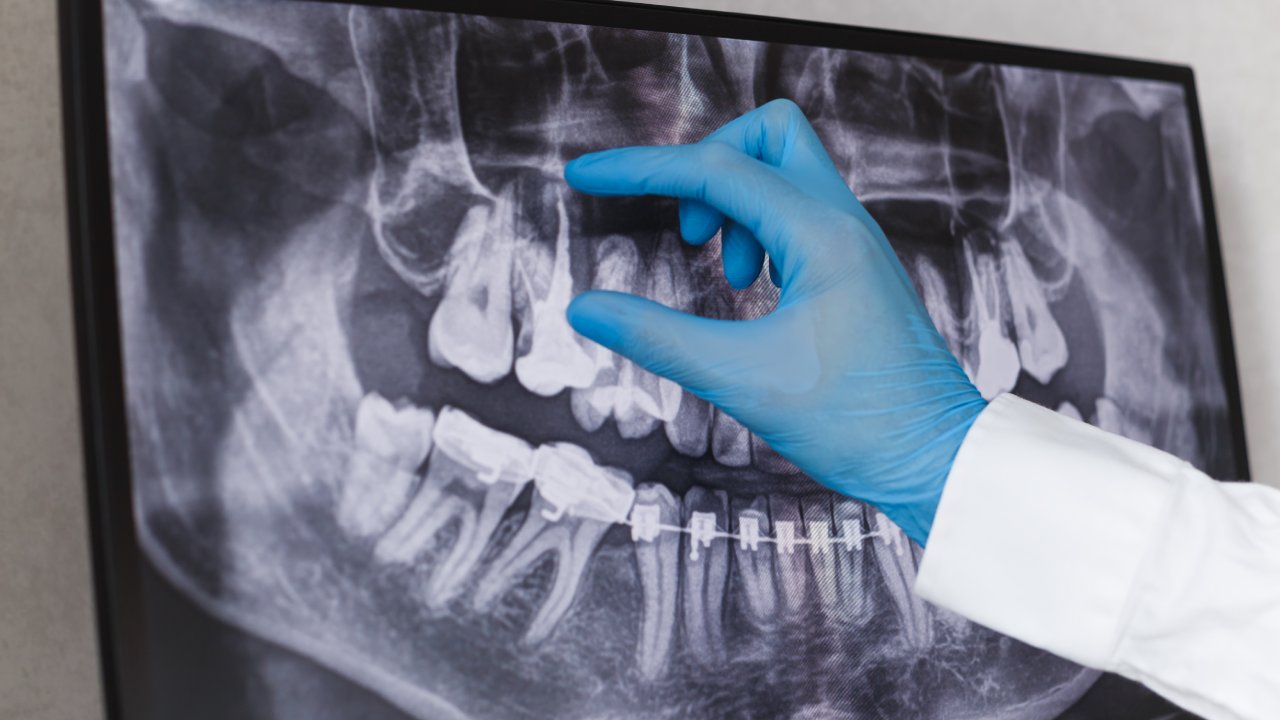
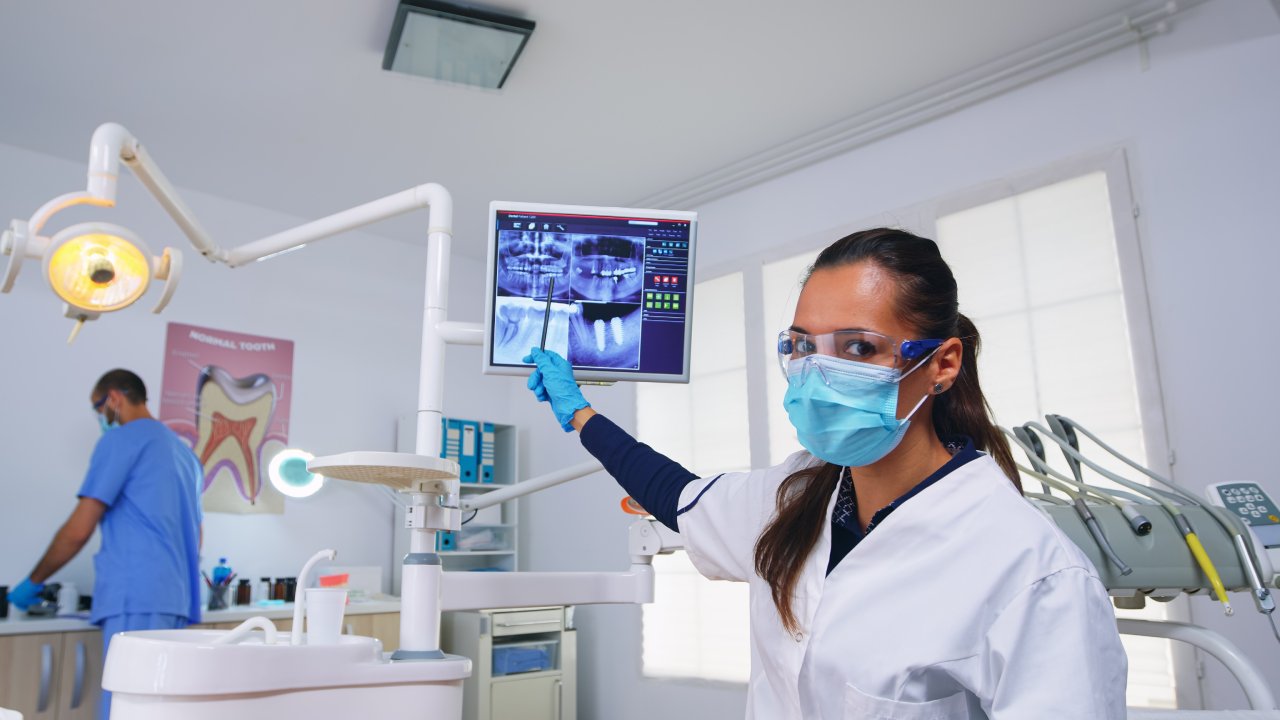
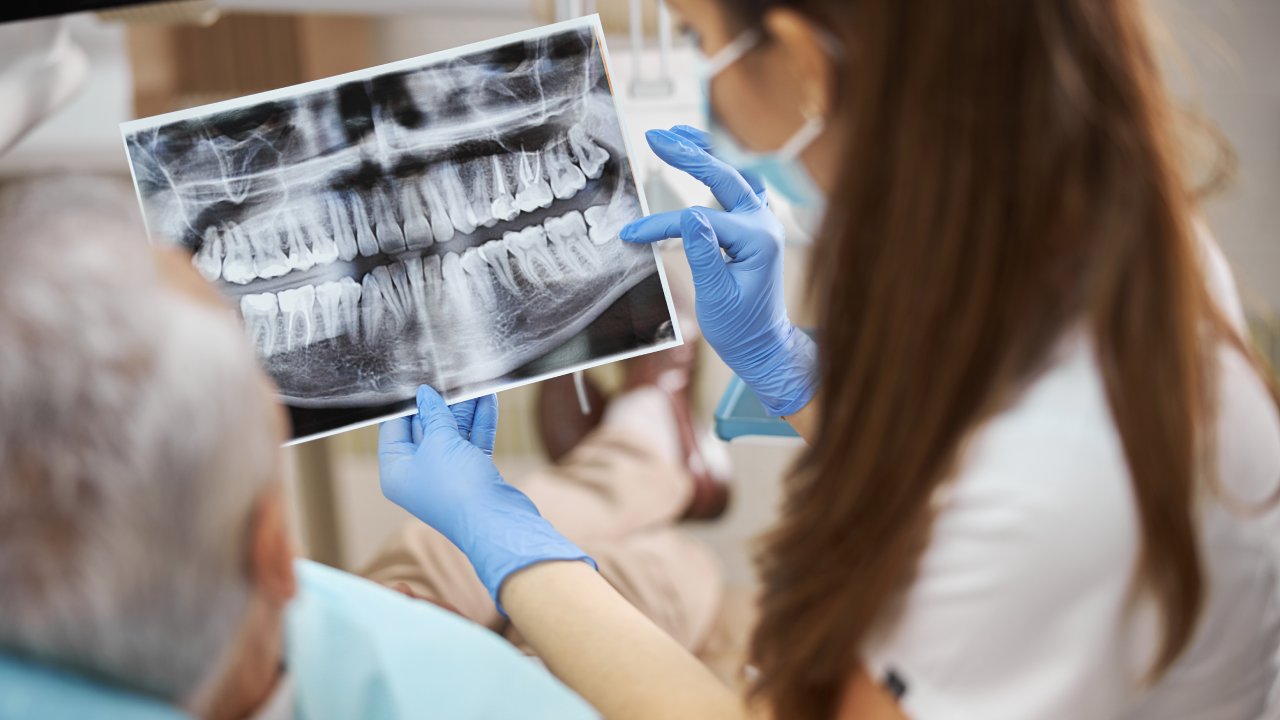
Emergency crown repair is tailored to the condition of both the crown and the tooth underneath. Your dentist will examine the area, take X rays if needed, and then decide whether repair, re cementing, or replacement is best.
Re cementing a loose or dislodged crown
If your existing crown is intact and the tooth is still healthy:
- The dentist cleans the inside of the crown and the surface of your tooth
- Any old cement and debris are removed
- A new layer of strong dental cement is applied
- The crown is repositioned and firmly seated back onto the tooth
When both the crown and underlying tooth are structurally sound, this type of repair is often quick, straightforward, and can usually be done in a single visit [5]. In some emergencies, this simple step is all you need to restore comfort and function.
Repairing small chips and fractures
For minor chips or rough spots in porcelain or ceramic crowns, your dentist may:
- Smooth and polish the rough area
- Apply a tooth colored composite material to rebuild the chipped section
- Shape and cure the resin so it blends in with the rest of the crown
Small chips can sometimes be repaired using bonding techniques during a single dental appointment [5]. In some cases, emergency crown repair involves composite bonding directly to the porcelain, which requires special materials and skill and is not offered by every general dentist [7].
When you need a new crown
If the crown is cracked through, has large pieces missing, or if decay or fractures have damaged the underlying tooth, your dentist will likely recommend a new crown.
Typical steps include:
- Numbing the area so you remain comfortable
- Removing the damaged crown and any decay underneath
- Reshaping the tooth so a new crown can fit properly
- Taking precise impressions or digital scans for the lab
- Placing a temporary crown for protection while the permanent one is made
Crown replacement usually takes two appointments, with the second visit scheduled about two to three weeks later to fit and cement the custom permanent crown in place [3]. Some offices with advanced technology can provide same day crowns.
Dental insurance plans often cover crown replacements every five to ten years, which can make emergency crown repair or replacement more financially manageable when damage is detected [2].
Temporary crowns in emergency situations
In many emergency visits, you leave with a temporary solution that protects your tooth until your permanent crown is ready.
How temporary crowns work
A temporary crown is a short term cover placed over a tooth to protect it from damage, sensitivity, and shifting while you wait for a permanent crown. They typically stay in place between 3 days and 3 weeks, but sometimes up to about 2 months if necessary, although extended use is not ideal because the temporary cement wears down and the risk of looseness, falling off, or infection increases [8].
In urgent cases, prefabricated stainless steel temporary crowns may be used, especially for adults with significant decay or damage [3].
Caring for a temporary crown
To avoid dislodging or cracking a temporary crown:
- Avoid very hard, sticky, or chewy foods on that side
- Take small bites and chew slowly
- Brush gently around the crown and floss carefully, pulling the floss out to the side rather than snapping it up
- Keep all follow up appointments so your permanent crown can be placed on time
Prolonged use of temporary crowns beyond the recommended period can lead to gum infection, tooth shifting, and possible damage to the original tooth structure because temporary cement eventually deteriorates [8]. If your temporary falls off, contact a dentist promptly to have it modified or replaced so the tooth remains protected until your permanent crown is ready.
When crown problems signal deeper tooth issues
Sometimes a damaged crown is more than a broken restoration. It can be a sign that the tooth underneath is at risk.
Large fillings, root canals, and decay
Your dentist may recommend emergency crown repair or replacement if:
- The tooth has a large or failing filling, especially one that covers more than half the tooth, which raises the risk of fractures [4]
- The tooth has recently undergone root canal therapy and is now more brittle and prone to breaking without the protection of a well fitting crown [4]
- Severe decay has compromised the tooth beyond what a filling can restore, so a crown is needed to rebuild and protect the remaining structure [4]
In these cases, prompt treatment helps avoid more invasive procedures. If pain is a primary concern, you can look for a toothache relief dentist or pain relief dental clinic that can address both the crown and the underlying cause.
Trauma and fractures
Crowns can also break after direct trauma, such as a fall or sports injury. A cracked or broken tooth may need a crown to provide full coverage when the break is too large to repair with bonding alone [4]. In those situations, you might also need dental trauma care charlotte or broken tooth repair urgent to stabilize the entire area.
If the damage involves only a small portion of enamel and not the crown itself, chipped tooth repair urgent services can restore shape and function without a full crown. Your provider will determine which option best protects your long term oral health.
If you are unsure whether you have a crown problem, a tooth fracture, or both, an in person exam is essential. Do not rely on self diagnosis when pain or visible damage is present.
Preventing future crown emergencies
Once you go through emergency crown repair, you will likely want to avoid repeating the experience. While no restoration lasts forever, you can extend the life of your crowns and reduce emergencies with a few consistent habits.
Daily care and routine visits
To help crowns last closer to their full lifespan:
- Brush twice a day with fluoride toothpaste
- Floss carefully around the crown margins to prevent decay beneath the edges
- Rinse with an antiseptic mouthwash if your dentist recommends it
- Keep regular checkups so your dentist can detect early signs of wear or looseness
Good oral hygiene helps reduce decay under the crown, which is one of the most common reasons crowns fail and require emergency replacement [1].
Protecting your crowns from damage
You can also protect your crowns by changing certain habits:
- Avoid chewing ice, hard candy, nutshells, and unpopped popcorn kernels
- Do not use your teeth to open packages or bite non food items
- Wear a custom night guard if you grind or clench your teeth, which puts excessive pressure on crowns [6]
- Use a sports mouthguard if you play contact sports
Preventing future crown failures involves these same steps, along with avoiding chewing very hard foods and icing, and using protective appliances when needed [1].
Getting same day help for emergency crown repair
When you are in pain or worried about a broken crown, you should not have to wait days for relief. Many practices offer urgent dental repair services and same day dental care charlotte so you can be seen quickly.
If you are experiencing:
- Sudden pain under or around a crown
- A crown that has broken, loosened, or fallen out
- Sensitivity, swelling, or signs of infection
you can contact an emergency dentist charlotte or a dental emergency charlotte nc provider for evaluation. If a root canal or extraction is needed, you can be referred or treated by an emergency root canal charlotte or urgent extraction dentist so your pain is relieved and your tooth is protected.
Timely emergency crown repair not only restores your ability to chew and smile comfortably, it also helps save the tooth underneath so you can avoid more complex and costly procedures later on. If you suspect something is wrong with your crown, trust your instincts and seek help promptly.