
Understanding emergency root canals in Charlotte
If you are searching for “emergency root canal Charlotte,” you are likely dealing with severe tooth pain, an infection, or dental trauma that cannot wait. An emergency root canal is designed to stop intense pain quickly, remove infection, and save your natural tooth whenever possible.
In Charlotte, emergency root canal therapy focuses on treating irreversibly damaged or infected tooth pulp so you can avoid advanced infections, abscesses, or losing the tooth altogether. Providers like Charlotte Emergency Dental and Carolina Complete Dentistry offer fast, targeted care when you need help right away.
By understanding what an emergency root canal involves, how to recognize warning signs, and what to expect from same day and after hours care, you can make confident decisions about your treatment and pain relief.
When you might need an emergency root canal
Not every toothache requires an emergency root canal. However, certain symptoms mean you should seek care immediately to prevent serious complications.
Common signs and symptoms
You may need an emergency root canal in Charlotte if you notice:
- Severe, throbbing tooth pain that does not go away
- Pain that worsens when you chew, bite, or apply pressure
- Lingering sensitivity to hot or cold that lasts for minutes or longer
- Swollen, tender, or puffy gums near one tooth
- A pimple-like bump on the gums that may ooze pus
- Darkening or discoloration of a single tooth
- Swelling in the face, jaw, or cheek near the painful tooth
- A foul taste or persistent bad odor in your mouth
These issues are classic warning signs that decay or trauma has reached the inner pulp of your tooth and that infection is present or developing. Resources from CareCredit, Magnolia Dentistry, and Harlem Dentistry consistently emphasize that persistent, intense pain, swelling, and abscess formation signal the need for urgent care.
Why quick action matters
If you delay treatment when these signs are present, several serious problems can develop:
- Tooth loss from advanced decay or fracture
- Abscesses that cause jaw or facial swelling
- Bone loss around the tooth
- Infection that can spread to the face, neck, sinuses, or bloodstream
Delaying an emergency root canal can turn a treatable infection into a larger health risk, as highlighted by Magnolia Dentistry. Prompt treatment does more than relieve pain. It helps protect your overall health and preserves your natural tooth whenever possible.
If you are unsure whether your symptoms qualify as a dental emergency in Charlotte NC, it is safer to contact an emergency dentist and describe what you are experiencing. They can guide you on whether you need immediate care or a same week visit.
What happens during an emergency root canal
Understanding the steps of an emergency root canal can ease anxiety and help you feel more in control of your treatment.
Step 1: Numbing and pain control
Emergency root canal therapy is performed under local anesthesia so you stay comfortable. Practices such as Charlotte Emergency Dental use a small syringe to numb the area thoroughly before starting. Many patients report feeling pressure, but not sharp pain, during the procedure.
If your tooth is highly inflamed, your dentist may take additional steps to ensure complete numbness before proceeding. In most cases, this first step quickly reduces the severe pain you felt before treatment.
Step 2: Accessing and removing infected pulp
Once you are numb, your dentist creates a small opening in the tooth to reach the pulp chamber and the root canals. Inside, they carefully remove the infected or dying nerve tissue and any debris.
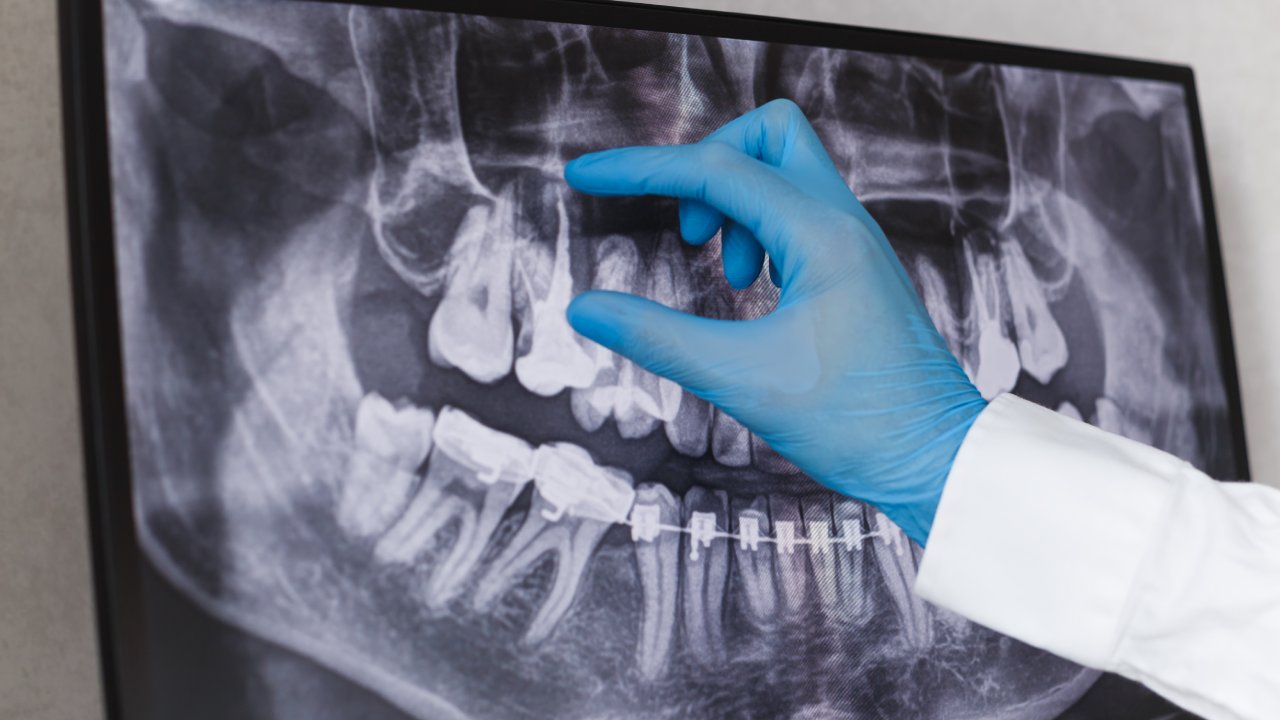
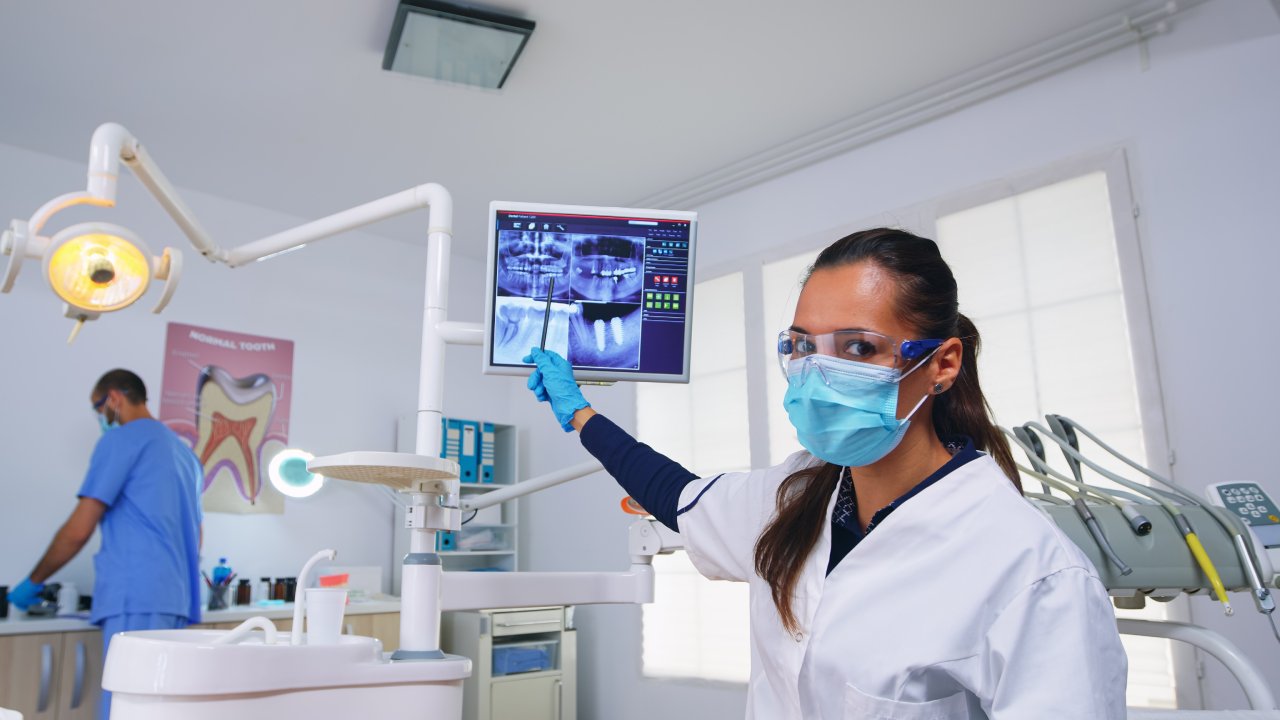
Modern offices, such as Carolina Complete Dentistry and Charlotte Emergency Dental, often use advanced rotary instruments and digital imaging to work efficiently and precisely. This step is what stops the infection at its source.
Step 3: Cleaning, shaping, and disinfecting
After removing the damaged pulp, the canals are cleaned, shaped, and thoroughly disinfected. Medications may be placed inside the canals to kill remaining bacteria and prevent future infection, as explained by CareCredit.
Depending on the severity of your infection, your dentist may:
- Complete cleaning and sealing in a single visit, or
- Place a temporary medication and seal, then bring you back for a second visit
The goal is to stabilize the tooth while giving you rapid pain relief.
Step 4: Filling and sealing the canals
Once the canals are clean and dry, they are filled with a biocompatible material and sealed. This step locks bacteria out and preserves the remaining tooth structure.
As Charlotte Emergency Dental outlines, proper filling and sealing are key to preventing recurring infections or abscesses.
Step 5: Placing a crown or final restoration
Most teeth that need root canals have already suffered heavy decay or structural damage. To protect the tooth from fracture and restore full function for chewing, you often need a crown after the procedure.
The crown is usually placed at a follow up visit. While this is usually not an emergency step, it is essential for long term success and is typically not included in the initial root canal treatment fee according to Delta Dental.
How long an emergency root canal takes
For planning and peace of mind, it helps to know typical treatment times.
- Many emergency root canal procedures take about 60 to 90 minutes, sometimes longer for complex cases, as noted by CareCredit.
- Harlem Dentistry reports many cases completed in about 30 to 60 minutes per tooth.
- In Charlotte, Charlotte Emergency Dental notes that procedures usually last one to two hours.
The exact length depends on:
- Which tooth is treated, for example, molars often have more canals than front teeth
- How many canals require cleaning and sealing
- The extent of infection or previous dental work
- Whether your dentist completes the root canal in one or two visits
Even if your tooth requires more than one appointment, you usually experience significant pain relief after the first visit, once the inflamed pulp is removed and the tooth is medicated.
Same day and 24 hour options in Charlotte
When you are in severe pain, waiting days for an appointment is not realistic. Charlotte offers several paths for urgent and same day care so you can be seen quickly.
Same day and extended hours care
Some practices provide extended hours and walk in availability so you can be treated without long delays. For example, Charlotte Emergency Dental is open seven days a week and welcomes walk ins for emergency root canal therapy and other urgent services.
If you know you need same day dental care in Charlotte, calling ahead can help the office prepare for your visit and confirm how quickly you can be seen.
24 hour emergency access
Other providers, such as Carolina Complete Dentistry, emphasize 24 hour emergency dental care. This type of service is focused on:
- Rapid pain relief
- Identifying and treating infections or injuries
- Performing emergency root canals or other urgent intervention when needed
If you are not sure whether to visit an emergency dentist in Charlotte or a hospital emergency room, consider your symptoms. Serious facial swelling, fever, difficulty breathing, or swallowing may require immediate medical evaluation in addition to dental care.
Cost of an emergency root canal in Charlotte
Cost is often a concern when you are facing urgent dental work. While fees vary, current national and regional data provide a helpful range.
Typical price ranges
Several sources give similar estimates for root canal costs without insurance:
- CareCredit reports a national average around 1,165 dollars, with a range from 500 to 1,800 dollars depending on tooth location and complexity.
- Harlem Dentistry cites a typical cost between 700 and 1,800 dollars per tooth.
- Magnolia Dentistry notes emergency root canal treatment often ranges from 800 to 1,800 dollars, sometimes more for after hours or weekend care.
- In guidance specific to Charlotte and the broader U.S., Charlotte Emergency Dental reports emergency root canal therapy typically costs between 700 and 1,800 dollars per tooth.
The tooth being treated plays a significant role. Molars often cost more because they tend to have more canals and are more difficult to treat, as Delta Dental explains.
How insurance affects what you pay
If you have dental insurance, your out of pocket cost may be much lower:
- Many plans cover 50 to 80 percent of root canal costs after your deductible, according to Delta Dental.
- Seeing an in network dentist or endodontist can reduce your share significantly because carriers like Delta Dental negotiate discounted fees for members.
- The quoted root canal fee often includes all necessary appointments and X rays, but usually does not include the final crown or other restoration.
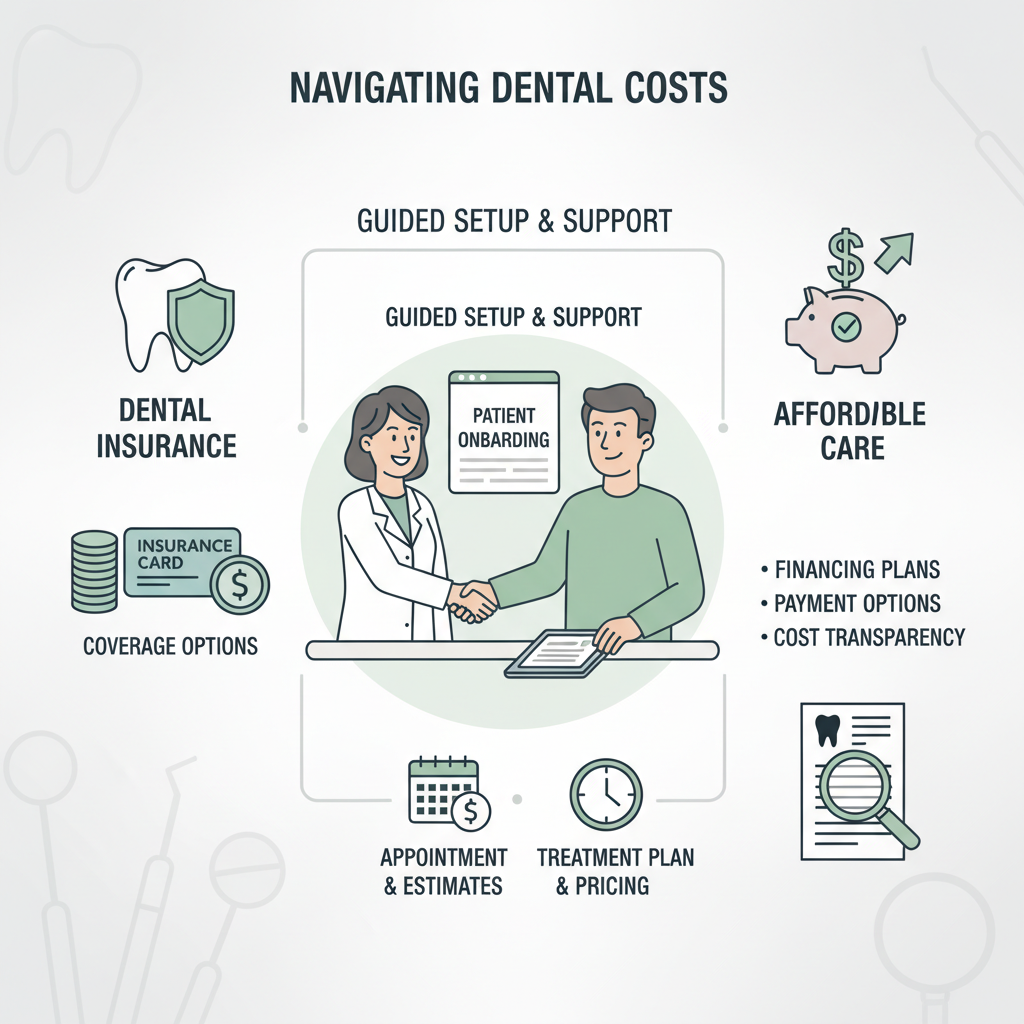
Because each plan is different, it is important to contact your insurer or the dental office to verify benefits. Offices experienced in emergency care can often help you understand coverage quickly so treatment is not delayed.
If you are concerned about cost, note that many offices work with financing partners or offer payment plans, as highlighted by Magnolia Dentistry and Harlem Dentistry.
Comparing emergency root canal and tooth extraction
When you are in severe pain, you might wonder whether it is better to have an emergency root canal or remove the tooth. Your dentist will help you weigh the options based on the condition of your tooth and your overall health.
In most cases, saving your natural tooth with an emergency root canal provides better long term function and stability than extraction and replacement.
However, if the tooth is too badly fractured or decayed, or if infection is extensive, emergency extraction may be recommended instead. Providers in Charlotte note that if an emergency root canal is not feasible due to severe damage or infection, urgent extraction with sedation is often the next best step to control pain and protect your health [1].
If you are told that extraction is necessary, a practice that offers an urgent extraction dentist can help you through the process and discuss replacement options like implants or bridges.
Recovery and long term outlook
Knowing what to expect after your emergency root canal can help you plan and reduce anxiety.
Short term recovery
After the anesthetic wears off, you may notice:
- Mild to moderate soreness in the treated area
- Sensitivity when biting or chewing on that side
- Slight gum tenderness near the tooth
According to CareCredit, this lingering tenderness is usually manageable with over the counter pain relievers. Most people return to normal activities the same day or the next day.
You will usually be advised to:
- Chew on the opposite side until the final crown is placed
- Avoid very hard or sticky foods that might crack the temporary restoration
- Keep the area clean with gentle brushing and flossing
If you experience increasing pain, swelling, or develop a fever, you should contact your dentist immediately, as these may indicate complications.
Long term success
Root canal therapy has a high success rate. CareCredit notes that approximately 95 percent of treated teeth can last a lifetime with proper care and final restoration.
For the best long term outcome:
- Do not skip the crown or permanent restoration
- Keep regular checkups and cleanings
- Address any new dental issues early to avoid repeat emergencies
If you have a history of trauma or grinding, a practice that provides dental trauma care in Charlotte can recommend guards or other protective measures to reduce the chance of future damage.
Other dental emergencies often treated alongside root canals
Many patients who need an emergency root canal in Charlotte also experience other urgent issues that can be treated in the same visit or through coordinated care.
These may include:
- Cracked or fractured teeth, which may require both root canal therapy and broken tooth repair urgent services
- Chipped teeth that need chipped tooth repair urgent to restore appearance and function
- Loose or damaged crowns in need of emergency crown repair
- Severe toothaches that require evaluation by a toothache relief dentist
- General pain and swelling best addressed at a pain relief dental clinic or dental emergency clinic
A practice that offers comprehensive urgent dental repair services can often handle multiple issues in a single, efficient visit.
How to get urgent help in Charlotte right now
If you believe you need an emergency root canal in Charlotte, taking clear, quick steps can make a significant difference in your comfort and outcome.
You can:
- Contact an emergency dentist in Charlotte and explain your symptoms in detail
- Ask about emergency dental open now or walk in emergency dentist options if you cannot wait for a scheduled time
- Request a same day or urgent dental appointment and mention any swelling, fever, or visible abscess
- Seek same day dental care in Charlotte if trauma or sudden pain just occurred
Practices like Charlotte Emergency Dental and Carolina Complete Dentistry are structured specifically to provide fast, effective emergency root canal treatment and related services. Additionally, clinicians such as Dr. Vaibhav Bajaj of Charlotte Dental Esthetics emphasize pain free, technologically advanced root canal care for severely infected or dying teeth.
By seeking prompt help and choosing a provider experienced in emergency care, you give yourself the best chance to stop your pain, control infection, and preserve your natural smile.