
Why Choose Belvedere Dentistry
When considering dental care, choosing the right practice is crucial for achieving optimal results. At Belvedere Dentistry, you can trust that you will receive industry-leading services tailored to your needs.
Top-Quality Dental Services
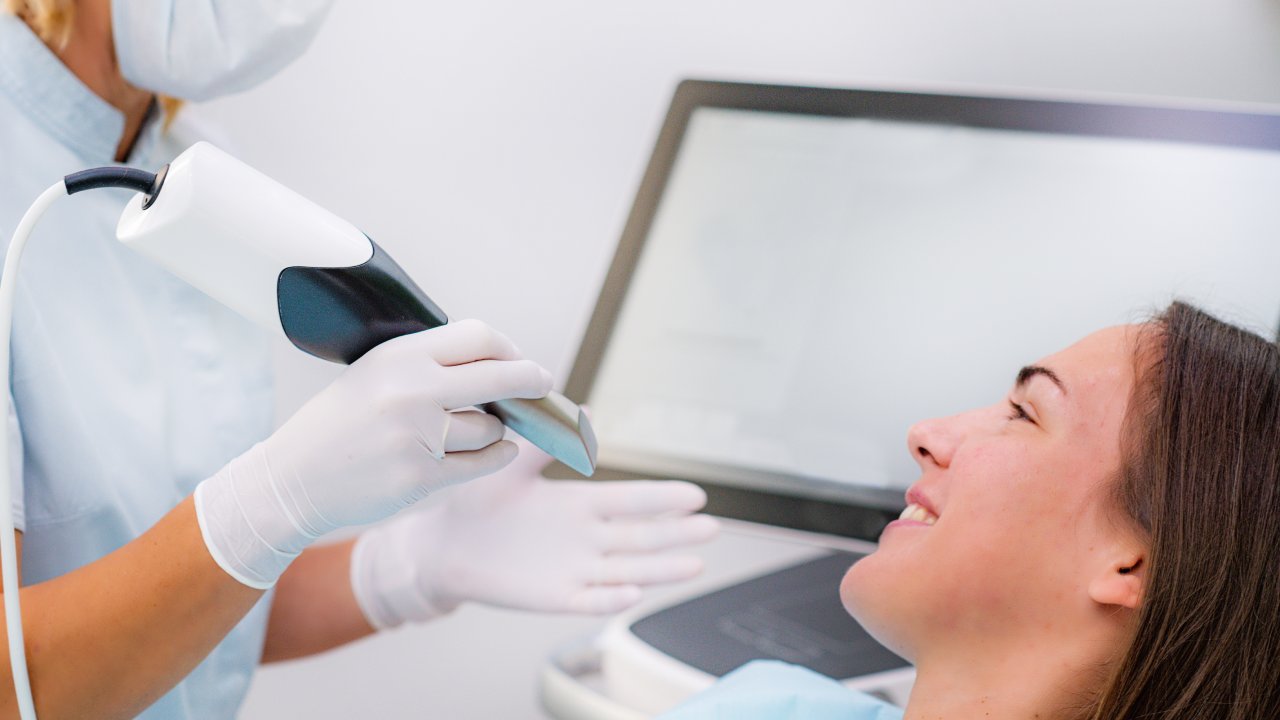
Belvedere Dentistry is committed to providing top-quality dental care, including specialized treatments such as Invisalign aligners insurance accepted. The practice utilizes the latest technology and techniques to ensure effectiveness and comfort during your treatments. Many dental insurance plans, such as Delta Dental and Cigna, cover Invisalign similarly to traditional braces, providing coverage up to a certain dollar amount, often as much as $3,000 for orthodontic treatments.
| Insurance Plan | Coverage Amount |
|---|---|
| Cigna Dental 1500 | $1,000 maximum benefit for orthodontics |
| Delta Dental | Coverage for Invisalign included as a standard benefit |
With comprehensive services ranging from general dentistry to advanced orthodontics, Belvedere Dentistry is well-equipped to address all your dental needs under one roof.
Experienced and Professional Staff
Belvedere Dentistry prides itself on having a team of experienced and professional staff committed to patient satisfaction. Each member is skilled in their respective roles and continuously undergoes training to stay updated on the latest advances in dental care. Whether you are seeking routine check-ups, Invisalign treatment, or specialized orthodontic care, rest assured, you will receive compassionate and knowledgeable assistance.
In addition, the staff is well-versed in handling various dental insurance plans, including orthodontics with Delta Dental, to help you navigate your benefits effectively and maximize your coverage. Their expertise ensures that you can focus on what’s important—achieving a healthy, beautiful smile.
With the dedicated team and top-notch services at Belvedere Dentistry, you can feel confident in making the right choice for your dental health.
Invisalign Insurance Coverage
Understanding your insurance coverage can significantly enhance your experience when pursuing Invisalign treatment. It is essential to familiarize yourself with the specifics of your dental insurance to maximize the benefits available to you.
Understanding Dental Insurance
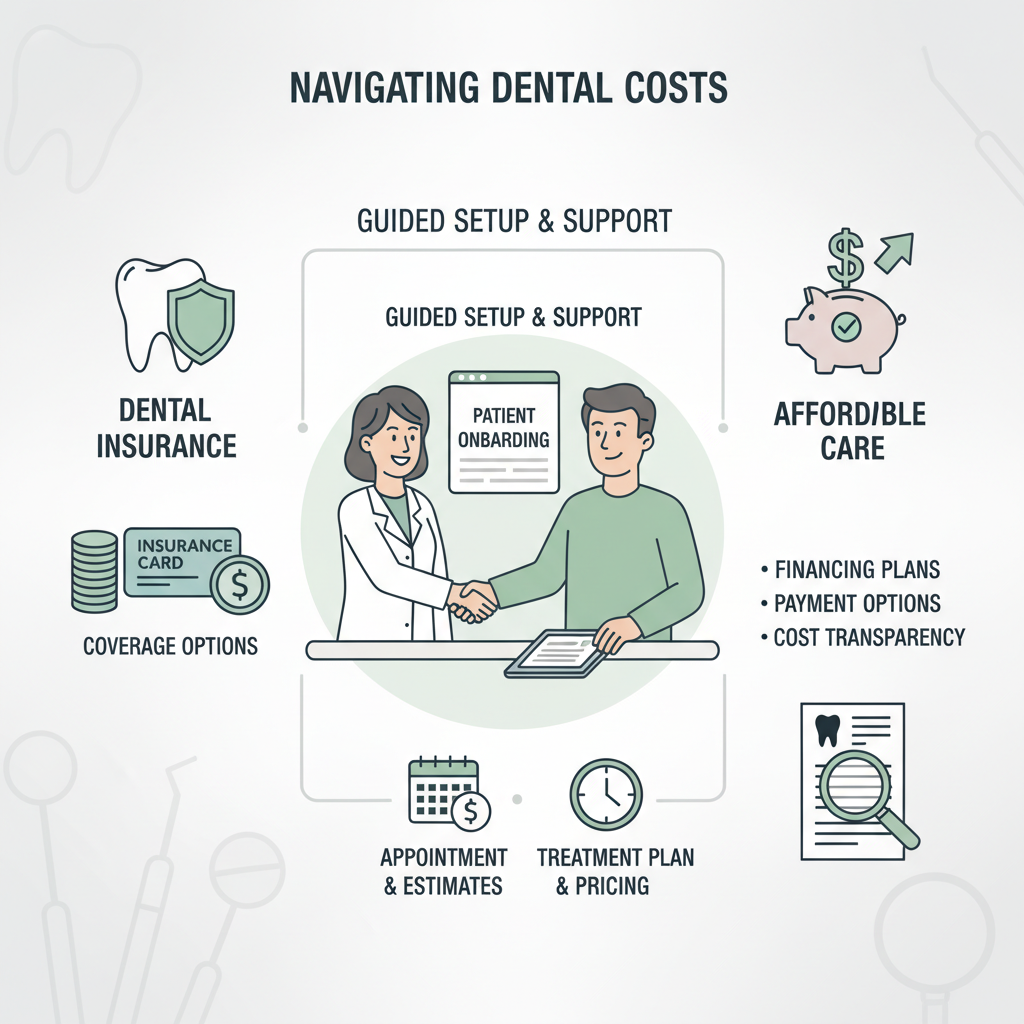
Many dental insurance plans treat Invisalign treatment similarly to traditional braces, potentially covering a portion of the costs. Insurance providers may fund a certain percentage of your treatment or allocate a specific dollar amount. Typically, you could be covered for orthodontic treatment up to $3,000 depending on your plan.
The landscape of dental insurance coverage can be complex. Most plans provide insights into their orthodontic benefits, typically offering coverage that can range significantly based on your specific plan and provider. Here’s a general overview of what to expect with dental insurance:
| Coverage Type | Percentage Covered | Maximum Limit |
|---|---|---|
| Typical orthodontic treatment | 50% | $1,000 to $4,000 |
| Invisalign specific coverage | Varies widely | – |
Patients are encouraged to consult with their insurance providers about the specifics of their policies, including any potential restrictions, age limits, or exclusions that may apply.
Coverage for Invisalign Treatment
When it comes to Invisalign, the coverage generally aligns with traditional orthodontic treatments. This means that if your insurance plan includes orthodontic benefits, there’s a good chance Invisalign will qualify. For example, Delta Dental provides assistance with costs depending on your plan type, whether HMO or PPO. You might still need to cover some expenses out-of-pocket, influenced by specific plan details (Orthodontist Bellevue).
In summary, when considering your Invisalign treatment, keep these points in mind:
- Check if your plan includes orthodontic benefits.
- Understand your coverage limits and the percentage your insurance will pay for Invisalign.
- Contact your insurance for detailed explanations of your specific coverage arrangement.
Navigating these factors is vital for leveraging your existing benefits effectively, allowing you to focus on achieving the straight smile you desire. For more tips on how to effectively utilize your dental insurance for Invisalign, visit our article on how to use dental insurance for invisalign.
Factors Influencing Insurance Coverage
Understanding the factors influencing insurance coverage for Invisalign aligners can help you make informed decisions regarding your orthodontic treatment. Two key aspects are the comparison between Invisalign and traditional braces, and the types of providers that accept insurance.
Invisalign vs. Traditional Braces
Invisalign aligners offer several advantages over traditional braces which can influence insurance decisions. Here are some key differences:
| Feature | Invisalign Aligners | Traditional Braces |
|---|---|---|
| Aesthetics | Virtually invisible, made of smooth plastic | Highly visible metal or ceramic |
| Comfort | Removable and comfortable for daily activities | Can cause discomfort and sores |
| Maintenance | Requires less maintenance; easy to clean | May require regular tightening visits |
| Treatment Time | Often results in shorter treatment duration | Longer treatment time usually required |
Invisalign aligners are removable, allowing for ease of eating, drinking, and maintaining oral hygiene (Healthy Smiles Dentistry). These factors, such as maintenance and effectiveness, can impact how dental plans define coverage for patients seeking orthodontic care. Many dental plans cover Invisalign treatment similarly to traditional braces, and individuals may qualify for up to $3,000 in coverage based on their insurance provider (Invisalign).
Insurance Accepted Providers
When looking for the best insurance coverage for Invisalign aligners, it’s essential to consider which providers accept your insurance plan. Here’s a brief overview of a few key insurance providers and their coverage:
| Insurance Provider | Invisalign Coverage |
|---|---|
| Cigna | Covers treatment similar to braces; check specific plans for details |
| Delta Dental | Standard coverage for Invisalign; may cover some costs for non-orthodontic plans (orthodontics with delta dental insurance) |
| MetLife | Coverage available for Invisalign aligners; consult specific plans for details (does metlife cover invisalign) |
| United Healthcare | Offers coverage similar to traditional braces; verify specific plan details (united healthcare dental invisalign coverage) |
The cost of treatment, combined with the specific coverage policies offered by your insurance provider, will have a significant impact on decision-making regarding orthodontic care. By understanding these factors, you can maximize your insurance benefits effectively. For more information about how to use your insurance for Invisalign, check out our guide on how to use dental insurance for invisalign.
Maximizing Your Insurance Benefits
To get the most from your insurance coverage for Invisalign aligners, understanding financial options such as Flexible Spending Accounts (FSA) and Health Savings Accounts (HSA) is essential. These accounts can help you save on treatment costs by allowing you to pay with pre-tax dollars.
Flexible Spending Accounts (FSA)
An FSA allows you to set aside a portion of your earnings before taxes to cover eligible healthcare expenses. Utilizing an FSA for your Invisalign treatment can provide significant tax savings. You can use this account to pay for out-of-pocket expenses not fully covered by your dental insurance.
| Feature | Details |
|---|---|
| Contribution Limits | Up to $2,750 per year |
| Tax Savings | Pre-tax dollars reduce taxable income |
| Eligible Expenses | Orthodontic treatments, including Invisalign |
For further details on utilizing your FSA for Invisalign, you might find helpful information in our article on affordable invisalign with insurance coverage.
Health Savings Accounts (HSA)
A HSA is another flexible financial tool designed for paying qualified healthcare expenses. Unlike FSAs, HSAs require a high-deductible health plan to qualify. The funds in a HSA can roll over from year to year, offering more flexibility and potential savings.
| Feature | Details |
|---|---|
| Contribution Limits | Up to $3,600 for individuals, $7,200 for families (2022 limits) |
| Tax Benefits | Contributions, earnings, and withdrawals for qualified expenses are tax-free |
| Eligible Expenses | Includes Invisalign aligners, braces, and other orthodontic treatments |
For more on how to effectively use your HSA for Invisalign treatment, refer to our article on how to use dental insurance for invisalign.
By leveraging FSAs and HSAs, you can maximize your insurance benefits and make your orthodontic care more cost-effective. Consider discussing these options with your dental provider to determine the best financial approach for your needs.
Choosing the Right Insurance Plan
When considering Invisalign aligners, understanding your dental insurance options is critical. Choosing the right insurance plan can significantly affect your out-of-pocket costs for orthodontic treatments.
In-Network vs. Out-of-Network Coverage
It’s essential to know the difference between in-network and out-of-network providers. In-network dental providers have agreements with your insurance company, allowing for reduced rates and lower costs for services. On the other hand, out-of-network providers may have higher fees, resulting in increased expenses for you.
| Coverage Type | In-Network Providers | Out-of-Network Providers |
|---|---|---|
| Cost to Patient | Generally lower | Higher due to non-negotiated rates |
| Coverage Percentage | Typically 50% | May vary widely |
| Billable Amount | Usually lower due to pre-negotiated rates | Can be higher, requiring more out-of-pocket expenditure |
When seeking an invisalign provider that takes Cigna or any other insurance, verifying if they are in-network can save you money.
Coverage Limits and Waiting Periods
Most dental insurance plans set coverage limits specifically for orthodontic treatments like Invisalign. Typically, dental insurance will cover 50% of the cost of these treatments, with lifetime maximums ranging from $1,000 to $4,000, significantly different from annual limits applied to general dental care (Orthodontist Bellevue).
It’s crucial to be aware of waiting periods associated with your plan. For some policies, there may be a waiting period before orthodontic coverage begins. Be sure to check the specifics of your policy to avoid unexpected delays in your treatment.
| Insurance Plan Features | Average Coverage Limit | Common Waiting Period |
|---|---|---|
| Invisalign Coverage Limit | $1,000 – $4,000 | 6 – 12 months depending on plan |
| General Orthodontic Care | 50% coverage | Usually no waiting period |
| Treatment Start | May require prior authorization | Subject to individual plan |
Understanding these aspects can help you in choosing the best plan for your needs. For further information on how to leverage your coverage effectively, check out our guide on how to use dental insurance for invisalign and discover more about options available to you, such as orthodontics with Delta Dental insurance and affordable invisalign with insurance coverage.
Investing in Your Smile
Investing in your smile is not just about aesthetics; it’s about your overall health and well-being. Invisalign aligns with this philosophy, offering several benefits that set it apart from traditional orthodontic treatments.
Benefits of Invisalign Treatment
Invisalign aligners are crafted from smooth plastic, which enhances comfort compared to traditional metal braces. They are also removable, allowing for easy eating, drinking, and tooth cleaning. This flexibility makes it easier for you to maintain oral hygiene, which can often be a challenge with braces. Additionally, the aligners are virtually invisible, making them a discreet option for orthodontic treatment that many people prefer to traditional braces.
| Feature | Invisalign Aligners | Traditional Braces |
|---|---|---|
| Comfort | Made of smooth plastic | Can cause irritation and soreness |
| Removability | Yes | No |
| Appearance | Virtually invisible | Noticeable metal brackets |
| Oral Hygiene | Easier to maintain | More challenging |
Long-Term Value of Orthodontic Care
Investing in orthodontic care, such as Invisalign, can yield significant long-term benefits for your dental health. Proper alignment prevents a range of issues, including excessive wear on teeth, jaw pain, and potential gum disease. Many orthodontic practices offer flexible payment options, such as monthly payment plans and no-interest financing for Invisalign treatment, which often covers all appointments, x-rays, and retainers post-treatment (Orthodontist Bellevue).
Utilizing flexible spending accounts (FSA) and health savings accounts (HSA) allows you to save on your orthodontic investment by using pre-tax dollars for eligible expenses, including Invisalign treatment (Invisalign). It’s important to consider that while Invisalign is often deemed an elective treatment, it can be covered by insurance if considered medically necessary, such as in cases of severe misalignment (Braces Online).
Investing in your smile with Invisalign not only enhances your appearance but also contributes to your overall wellness, making this choice one worth considering for your dental health needs.