
Comparing Invisalign vs braces means weighing how each orthodontic appliance will integrate into your daily routine. Whether you lean toward clear aligners or traditional metal brackets, you’ll encounter differences in appearance, eating habits, oral hygiene, appointment frequency and treatment timeline. This guide breaks down how Invisalign aligners and braces affect your day-to-day life—so you can choose the option that fits your schedule, budget and smile goals. By understanding each method’s demands, you’ll feel more confident about starting treatment.
Compare appliance options
When you begin orthodontic treatment planning, your provider will present two main categories: clear aligners and fixed braces. These appliances use different mechanics to shift teeth into position—each with its own set of requirements. You should evaluate how removability, material and force application affect your commitment to daily wear and maintenance.
Invisalign aligners
Invisalign treatment relies on a series of custom-made plastic trays that fit snugly over your teeth. You swap aligners every one to two weeks, and each new set exerts gentle pressure to guide your teeth closer to their ideal alignment. Since aligners are removable, you’ll take them out for meals, brushing and flossing—you’ll need to wear them 20 to 22 hours a day for optimal results [1]. If you’re a teenager, you can explore the invisalign teen program nc that accommodates growing smiles. Adults may appreciate the flexibility of an aligner orthodontic system that lets them maintain their lifestyle without metal hardware.
Traditional braces
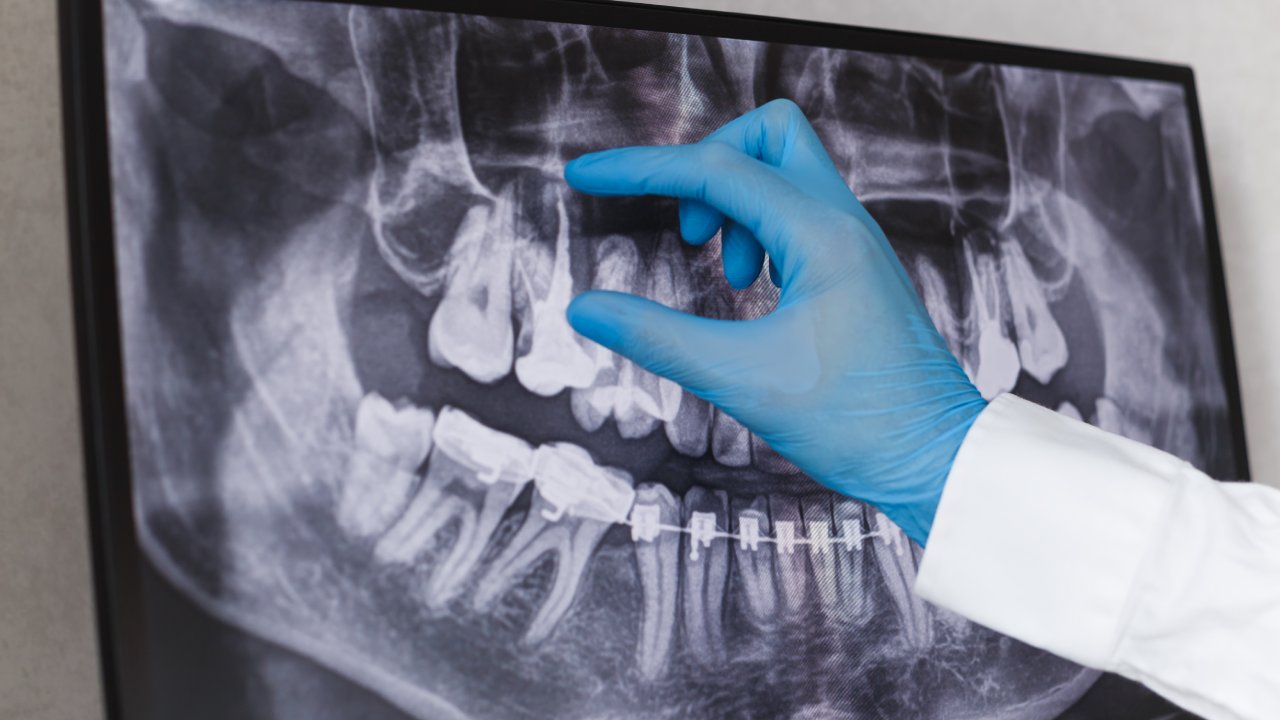
Traditional braces use metal brackets cemented to each tooth, linked by wires that your orthodontist tightens periodically to apply controlled force. Because they are fixed in place, you don’t need to track wear time—compliance isn’t an issue. Braces excel at addressing complex cases like severe crowding, rotations and bite corrections that may exceed the capabilities of clear aligners [2].
Assess appearance impact
If you prioritize discretion, clear aligners offer a near-invisible profile that rarely draws attention when you speak or smile. Their smooth plastic surfaces sculpt around your teeth and, when fitted precisely, blend with your natural enamel. Braces, by contrast, display metal on each tooth—though ceramic and clear bracket options have emerged as clear braces alternatives that soften their appearance. Yet even these more subtle brackets still attract notice compared to removable aligners.
Your provider can help you weigh these aesthetic trade-offs.
Manage oral hygiene
Cleaning your teeth and appliance is key to preventing decay, staining and gum irritation during orthodontic treatment. With clear aligners, you simply remove each tray and brush both your teeth and aligners after meals, ensuring no food particles lodge beneath the plastic. If you accidentally skip a cleaning, bacteria can proliferate on the inside of the aligner and against your enamel—a reminder to maintain a consistent schedule. Many patients appreciate that aligners eliminate the need for special floss threaders or interdental brushes required by braces.
Braces require more attention. You’ll brush around each bracket and under wires, often using a proxabrush to remove debris, then floss with a threader or water flosser to clear tight spaces. Despite the extra steps, professional cleanings and routine orthodontic care charlotte visits help you keep your smile healthy. Establishing a hygienic routine early on will pay dividends in both oral health and treatment efficiency.
Navigate eating habits
One of the biggest lifestyle shifts with braces is adapting your diet to protect brackets and wires. Foods high in sugar, hard textures and chewable elasticity can dislodge wires or break brackets, so you’ll gradually learn to avoid items like caramel, popcorn kernels, nuts, hard candies and ice. Fruit and vegetables often require cutting into bite-sized pieces rather than chomping directly. In contrast, Invisalign aligners let you eat whatever you like—just be sure to remove them before eating and replace them promptly afterward. That said, excessive snacking while you wear aligners can extend treatment time, so timing meals and water breaks becomes important. Over time, these eating adjustments become second nature, but they do require mindfulness at first.
Plan follow-up visits
Regular check-ins are a cornerstone of successful orthodontic care. Your required appointment schedule will vary depending on whether you choose braces or clear aligners. Understanding how often you’ll visit can help you manage work, school or travel.
Appointment frequency
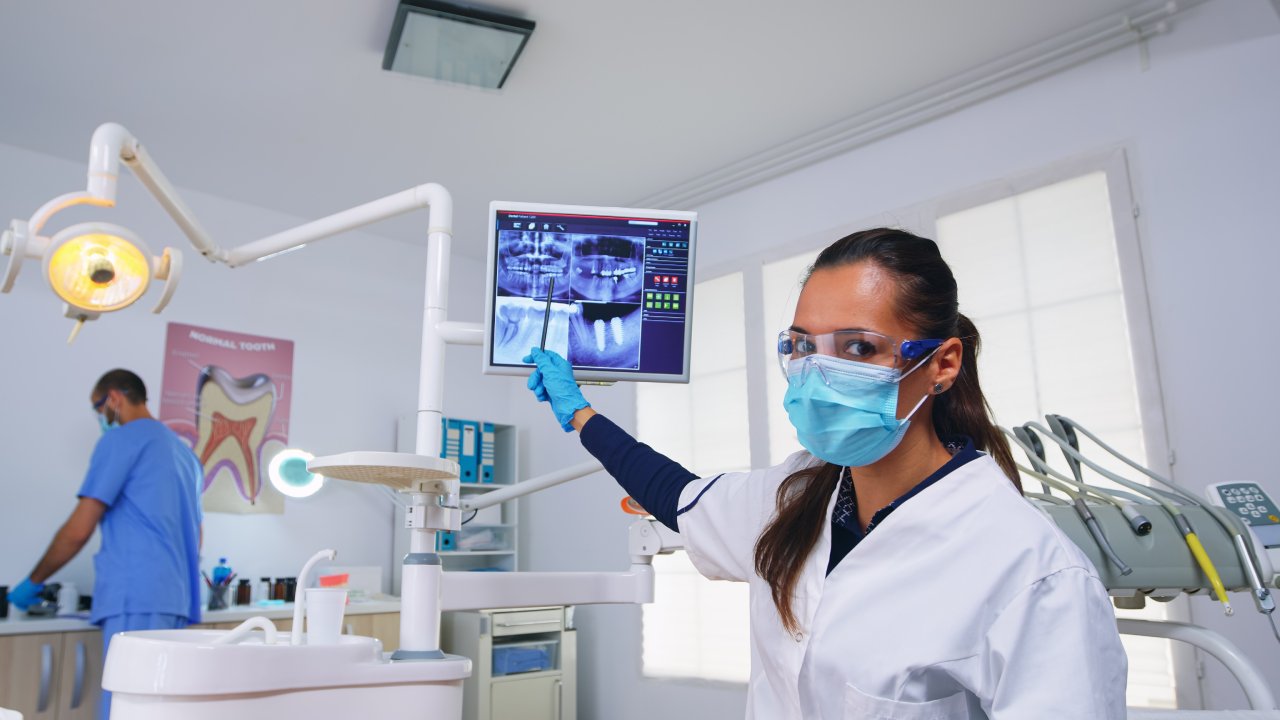
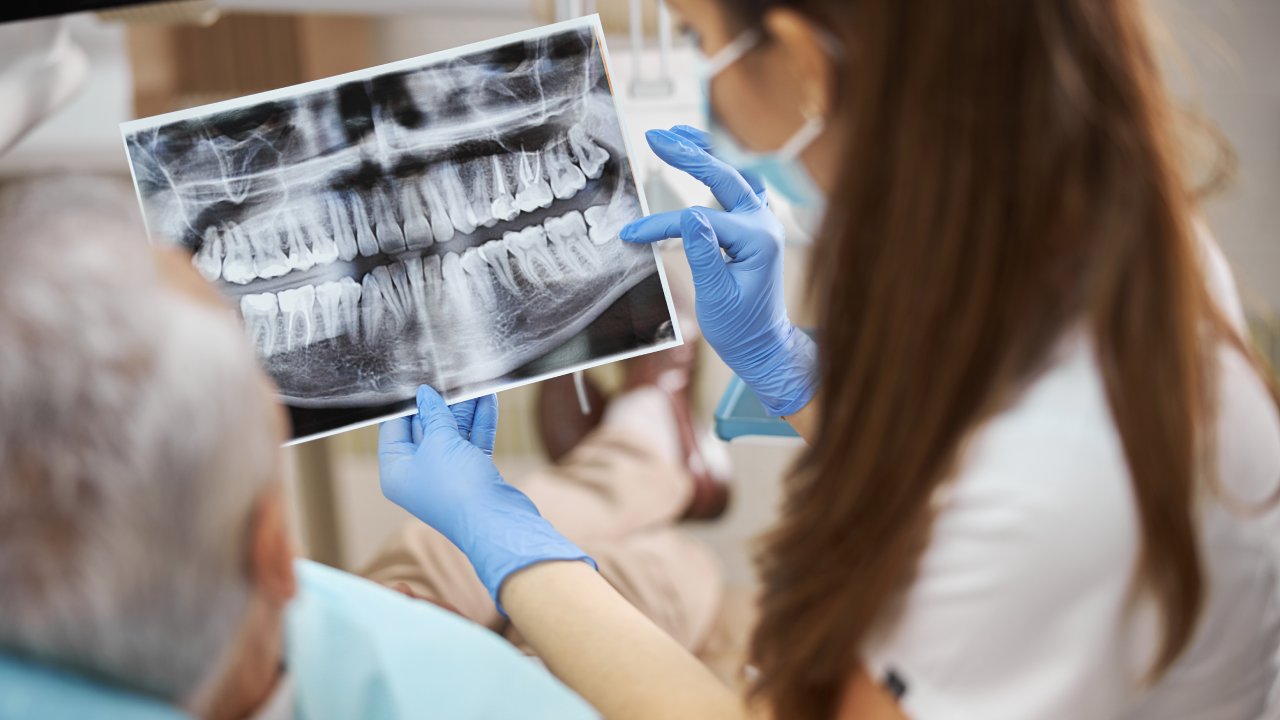
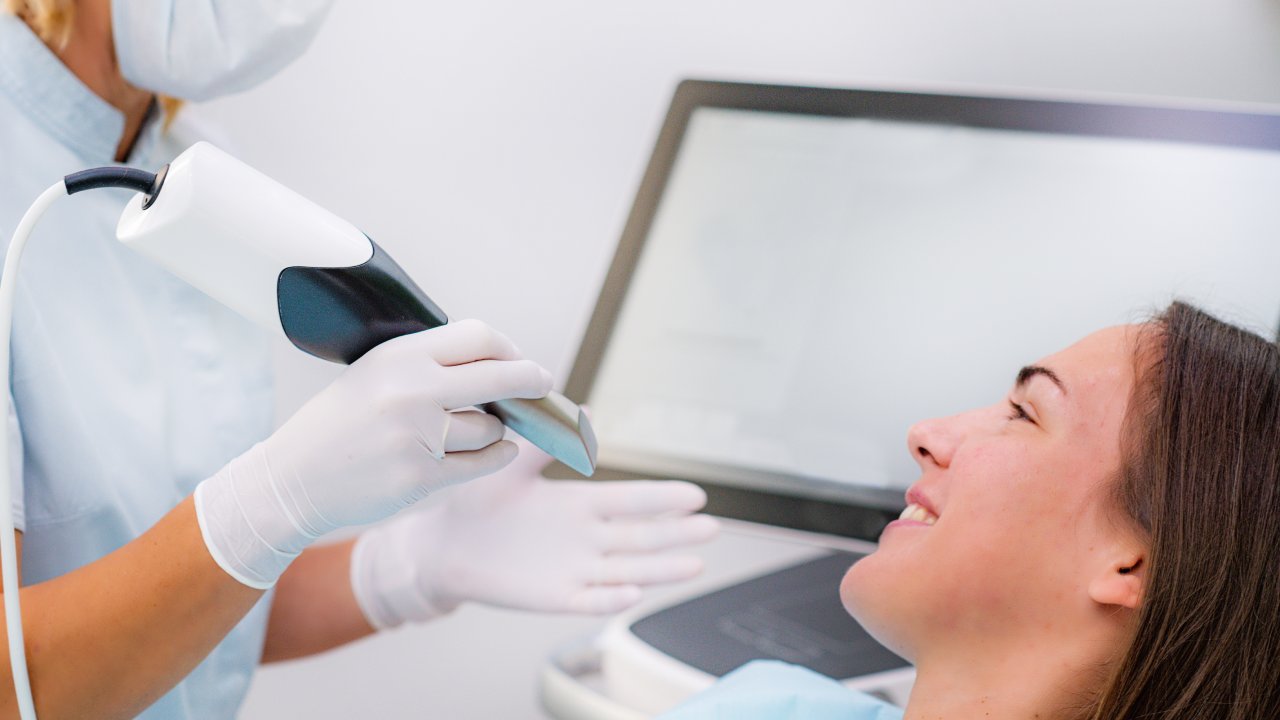
With traditional braces, you typically schedule adjustments every four to eight weeks, during which your orthodontist tightens wires and evaluates progress. These monthly orthodontic follow up visits ensure that each torque and bend is recalibrated, keeping your treatment on track. For Invisalign, visits tend to occur every six to ten weeks, when you pick up new sets of aligners and review tooth movements. Both options usually begin with an initial scan using advanced three-dimensional imaging to map your customized plan.
Remote monitoring
Many practices now offer virtual check-ins for Invisalign patients, reducing the need for in-office trips. You simply submit photos of your smile via a secure app, and your orthodontist confirms if you’re ready for the next aligner. This remote approach often pairs with fewer emergency visits—one study reported nearly 80% fewer appliance issues with clear aligners compared to braces [1]. If any concerns arise, you can schedule an in-person appointment.
Estimate treatment timeline
Duration is a major factor in your decision: it influences cost, daily routines and your eventual outcome. Both Invisalign and braces rely on controlled pressure to move teeth, but the timeline depends on your case complexity, compliance and device capabilities.
Typical duration
Most adult cases with Invisalign resolve in 12 to 18 months, especially when correcting mild to moderate misalignment [3]. Traditional braces often require 18 to 24 months, though severe crowding or bite issues can extend treatment up to three years [4]. If you adhere closely to aligner wear guidelines, you might finish about five months sooner than with braces, according to 2024 data [1].
Influencing factors
Your personal compliance plays a crucial role—Invisalign aligners only work when worn consistently, whereas braces apply force continuously. Case severity also influences timing: complex rotations, vertical movements and midline corrections demand more adjustments and longer treatment. Age can factor in as well, since younger patients often experience faster tooth movement. Finally, the specific mechanics your orthodontist uses—auxiliary springs, elastics or power chains—can accelerate or slow progress regardless of appliance type.
Evaluate financial aspects
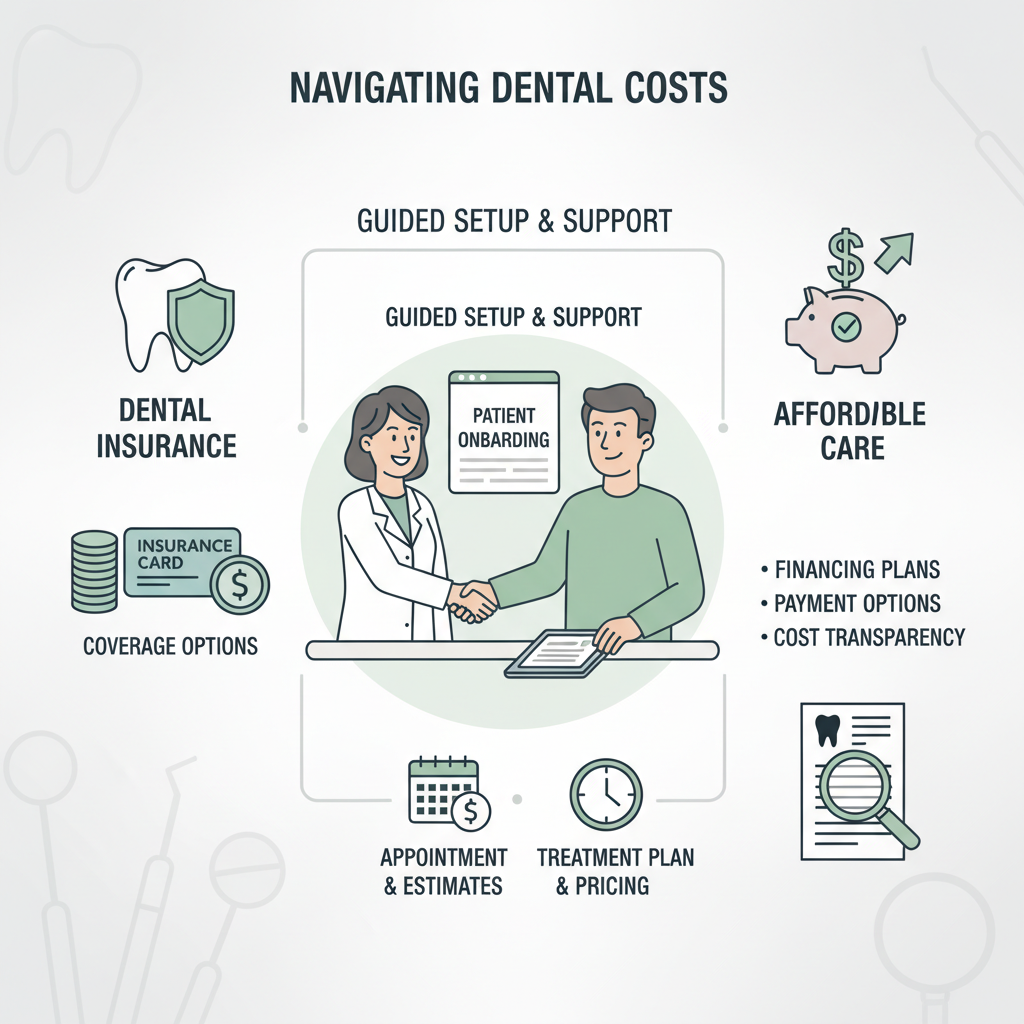
Budgeting for braces versus clear aligners involves more than just sticker price—you’ll want to account for insurance coverage, payment plans and any follow-up visits. On average, the national cost for Invisalign hovers around $4,975, while braces average about $4,800, though costs vary by region and case complexity [3]. Many dental plans cover orthodontic treatment up to a set maximum, often around $3,000, regardless of appliance type [1].
| Treatment | Average cost | Insurance coverage | Payment plans |
|---|---|---|---|
| Invisalign | $4,975 [3] | Up to $3,000 [1] | Flexible options [5] |
| Braces | $4,800 [3] | Similar coverage [1] | Flexible options [5] |
Some practices bundle retainers and follow-up care into the overall fee, while others itemize those separately. Make sure to ask about financing and any out-of-pocket expenses tied to aligner replacements or broken brackets.
Prepare for retention
Once your active treatment concludes, retention ensures your teeth stay in their new positions. Your orthodontist will prescribe a retainer—either removable or bonded in place—and recommend a wear schedule based on how your teeth responded during treatment. Most patients start with full-time wear for the first six months, then transition to nightly use, but exact guidelines vary. Regular retainer adjustment charlotte appointments help maintain fit as your bite settles.
Choosing between Invisalign and braces ultimately comes down to how each option aligns with your lifestyle priorities. If you value discretion, flexibility and a slightly shorter timeline, clear aligners may be your best fit. If you need powerful correction for complex dental issues and prefer losing fewer trays over compliance concerns, braces offer a reliable path. Discuss your goals, budget and timeline with your orthodontist to tailor a plan that works for you.
Schedule an orthodontic consultation charlotte today to explore your options and develop a personalized plan.