
Orthodontic consultation overview
When you schedule an orthodontic consultation in Charlotte, you begin a process that aims to unlock your best smile. An orthodontic consultation in Charlotte involves discussing questions, concerns, and developing a personalized treatment plan for teeth straightening or jaw alignment correction [1]. During this session, your orthodontist will evaluate your bite, review your dental history and introduce the range of alignment solutions available. By the end of your consultation, you should have a clear understanding of next steps toward straighter teeth.
This appointment sets the stage for every subsequent visit.
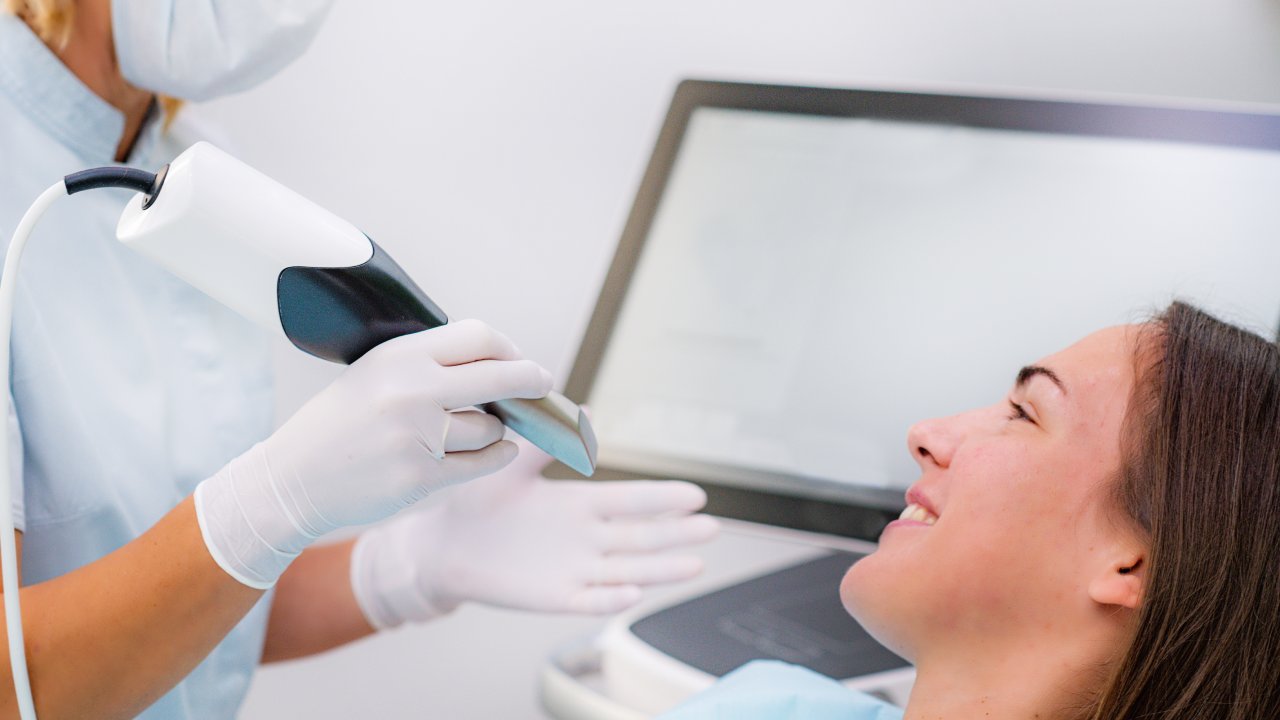
You’ll meet with a trained orthodontic specialist who explains both medical and cosmetic considerations. They may take preliminary photos or intraoral scans to record your current alignment. These initial records guide the detailed treatment planning that follows.
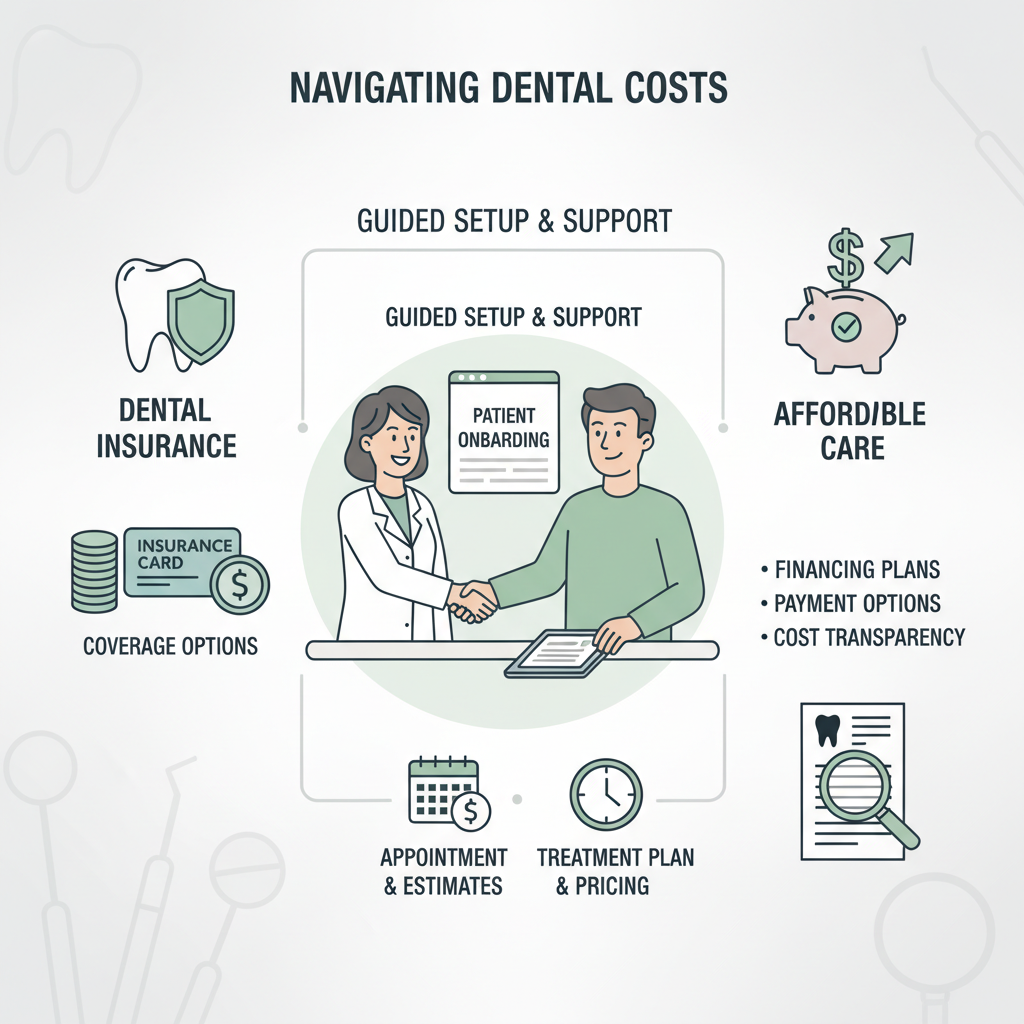
In most practices, a treatment coordinator or financial specialist will join the conversation to review insurance coverage and payment options. Understanding costs and timelines early helps you make an informed choice. You can discuss any upcoming events—weddings, graduations or important photoshoots—and build your schedule around those dates.
Beyond tooth movement, some orthodontists screen for jaw joint concerns and airway issues. If you mention symptoms like jaw pain or sleep disturbances, your provider can adapt your plan or recommend additional tests. This holistic approach ensures that your smile transformation also supports overall oral health.
Before you leave, you’ll receive clear instructions on any records you need to bring back, appointment scheduling and recommendations for maintaining oral hygiene during treatment. Walking out confident in your plan is the greatest benefit of a thorough consultation.
Prepare for your appointment
Taking a few simple steps before your appointment ensures you get the most out of your consultation. Start by gathering any recent dental X-rays, treatment notes or appliance records. Having these documents on hand saves time and allows your orthodontist to focus on crafting a personalized plan.
- What changes should I expect during treatment?
- Which alignment options suit my lifestyle?
- How long will my active phase last?
- What will insurance cover and what out-of-pocket cost remains?
- Are there any dietary or hygiene adjustments I need?
- What happens after braces or aligners come off?
Bringing a list of questions helps you avoid forgetting important points. Confidence in your treatment plan grows when you feel informed. You also establish clear communication with your provider from the first meeting.
On the day of your consultation, arrive about ten minutes early to complete any new patient paperwork. Avoid wearing lipstick or dark lip stain if you anticipate intraoral photos or scans. A quick brush and floss before your appointment ensures the images are clear and free of debris.
If you have medical conditions—diabetes, autoimmune disorders or a history of periodontal disease—let your orthodontist know in advance. These factors can influence treatment timing and protocols. In some cases, your provider may collaborate with your general dentist or physician to coordinate care.
Finally, plan your schedule so you’re relaxed and unrushed. An orthodontic consultation is a two-step process: evaluation and planning. Being prepared gives you confidence and helps your orthodontist tailor recommendations to your goals.
Examination and imaging
Clinical examination
Your orthodontist begins with a hands-on examination of your teeth, gums and jaw. They assess bite alignment, check for crowding or gaps and evaluate gum health around each tooth. Measurement tools gauge spacing and arch form, while gentle guidance of your jaw reveals bite relationships. This thorough review ensures no hidden issues—like cavities or gum inflammation—interfere with orthodontic movement.
During the clinical exam, your provider may also inspect your facial symmetry and jaw joint function. Observing how your teeth come together when you bite down highlights any shifts or asymmetries. Identifying airway concerns—snoring or open-mouth breathing—can influence appliance choice or prompt referral to a sleep specialist. A complete clinical review sets the stage for an accurate diagnosis and safe treatment plan.
Digital imaging
After the hands-on exam, you’ll move to imaging to capture precise records of your smile. Many practices now use a 3d orthodontic imaging service to create highly accurate digital models in just minutes. An intraoral scanner takes dozens of photos per second, stitching them into a 3D replica of your teeth and gums. This digital model lives in your chart, letting your orthodontist simulate tooth movement and predict final results.
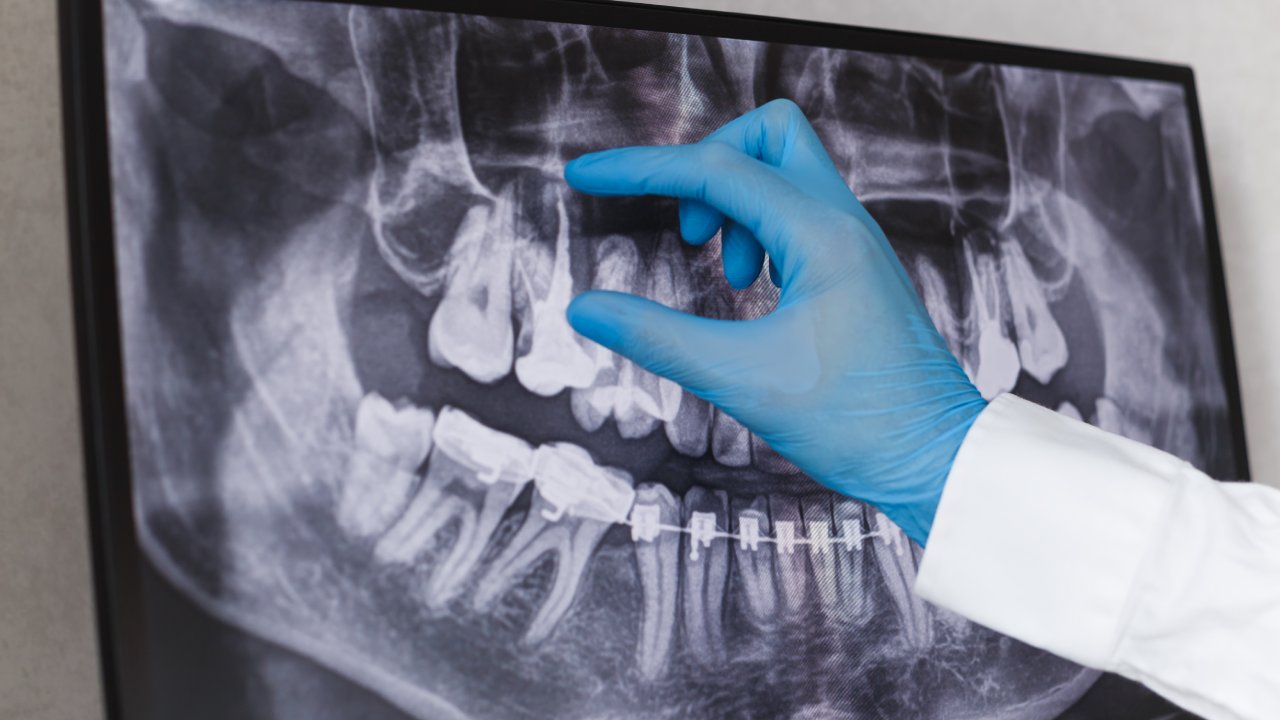
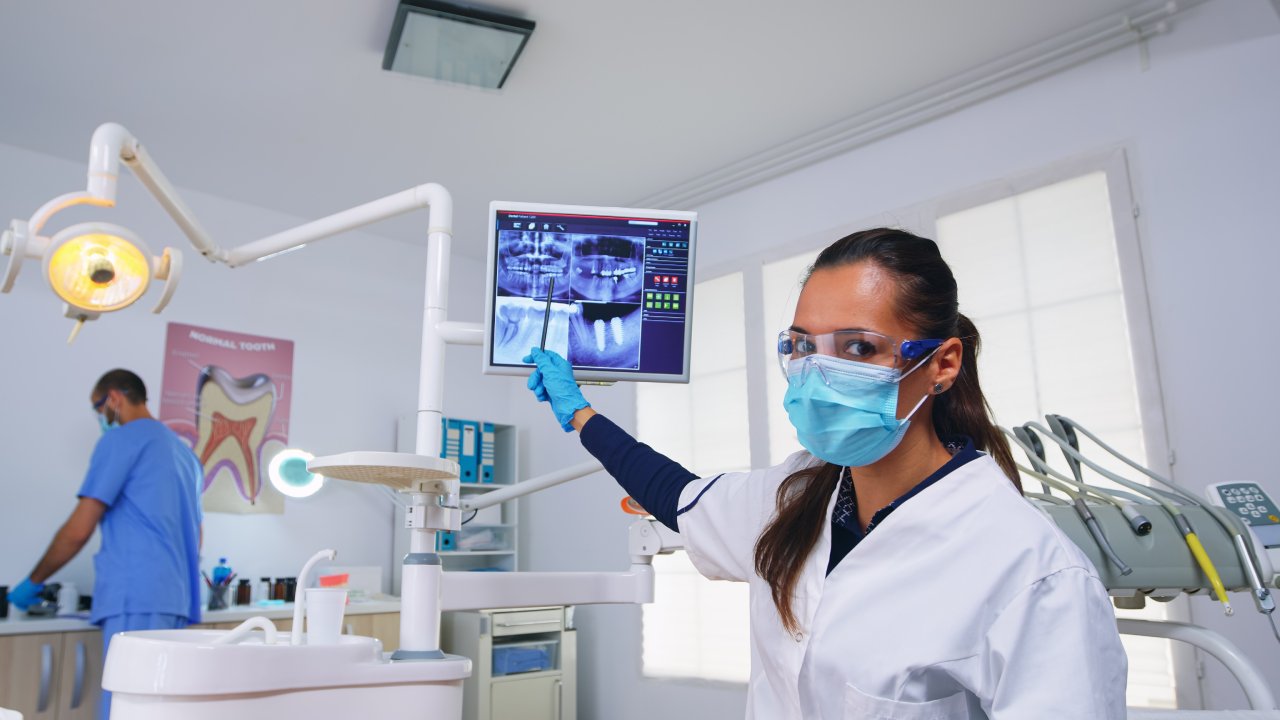
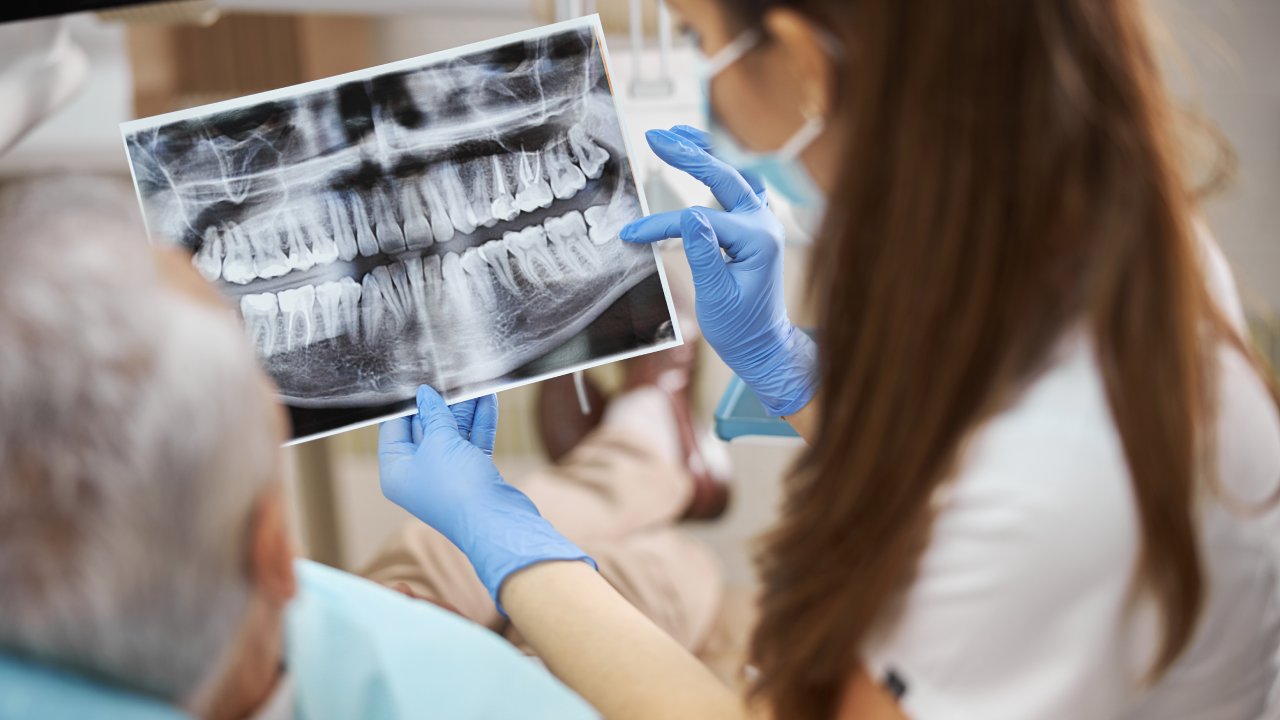
In addition to intraoral scans, panoramic X-rays or cone beam computed tomography (CBCT) may be taken to view roots, jaw joints and surrounding bone. These images help detect impacted teeth, root resorption or other pathologies that could affect treatment. Your provider explains each image, shows you what they’re looking for and describes how it informs your personalized plan.
Some clinics offer virtual consultations using these digital scans. You can review your treatment options on screen, rotating the model and seeing step-by-step predictions. This interactive experience brings clarity to complex movements and helps you envision life after treatment. For those who travel or have busy schedules, uploading scans remotely and discussing options online is becoming a popular alternative.
Review treatment options
Traditional braces
Traditional braces use brackets bonded to your teeth and archwires that apply steady pressure. Metal braces remain the most cost-effective option for complex misalignments, while ceramic or clear brackets offer a more discreet look. Self-ligating braces, which eliminate elastic bands, can reduce friction and cut down on appointment time.
With braces, you’ll visit the office roughly every six to eight weeks for wire changes and progress checks. Each adjustment guides your teeth into new positions, gradually closing gaps and straightening crowded areas. Although braces are fixed, modern bracket designs and colored ties make them more comfortable and customizable than ever.
Clear aligner solutions
Clear aligners have surged in popularity for their near-invisibility and removability. Leading systems like Invisalign deliver a series of custom trays you switch out on a set schedule, maintaining gentle yet consistent pressure [2]. Teenagers can benefit from an invisalign teen program nc complete with compliance indicators, while adults often select an adult clear aligners treatment for professional results without metal hardware.
Innovations in the aligner orthodontic system space now include slimmer trays with enhanced material strength. Stealth aligner options cater to those craving the ultimate in discretion. If you’re exploring alternatives to aligners but still want low-profile appliances, investigate clear braces alternatives like ceramic or lingual braces bonded behind your teeth. A transparent aligners dentist can help you weigh these choices and find the best fit.
| Feature | Braces | Clear aligners |
|---|---|---|
| Visibility | Highly visible | Nearly invisible |
| Removability | Fixed | Removable for eating and hygiene |
| Comfort level | Possible irritation from wires | Smooth trays reduce soft tissue contact |
| Treatment flexibility | Handles complex cases well | Best for mild to moderate alignment |
| Hygiene | Requires special cleaning tools | Easy brushing and flossing |
This table highlights core differences. Your final decision depends on case complexity, lifestyle preferences and budget.
Understand financial aspects
Insurance coverage
Cost discussions during your orthodontic consultation include clarifying insurance coverage, average and maximum expected costs, pre-authorization requirements and payment flexibility for amounts not covered [1]. Many dental plans cover a portion of orthodontic treatment for dependent children, while adult coverage varies widely. Your office’s insurance coordinator will help you interpret your policy, estimate out-of-pocket expenses and submit claims on your behalf. Getting clarity on coverage upfront prevents unexpected bills and keeps your budget on track.
Some families pursue Health Savings Accounts (HSA) or Flexible Spending Accounts (FSA) to allocate pre-tax dollars toward orthodontic care. Others combine sibling benefits or tap into employer wellness programs. Regardless of your approach, understanding all coverage options sets you up for financial success.
Payment plans
If you need additional flexibility, most practices offer interest-free monthly financing, zero down options or extended payment schedules. Exploring orthodontic payment plans ahead of time helps you choose a plan that matches your cash flow needs. For example, Clearsmile Charlotte provides financing with monthly payments as low as $75 to $99 and accepts FSA/HSA funds [3].
Some clinics waive fees for complimentary consultations and initial exams. Burrow Welchel & Culp Orthodontics offers a Free Smile More Consultation for new patients to learn about options with no obligation [4]. Smile Riverbend delivers a free orthodontic consultation complete with digital imaging and treatment recommendations [5]. Comparing these offers ensures you find the best value without compromising quality.
Typical treatment costs in Charlotte range from $3,000 to $6,000 for traditional braces and $3,000 to $8,000 for Invisalign, depending on complexity and duration. Early interceptive treatment for young children (9–18 months) can run $1,999 to $3,499, while comprehensive care (12–24 months) averages $2,999 to $6,499 [5]. Armed with these figures, you can plan confidently for a straighter smile.
Plan post-consultation steps
Treatment planning
Once you select your ideal alignment method, your orthodontist crafts a customized timeline. In your orthodontic treatment planning session, you’ll see a step-by-step schedule outlining appliance placement, wire or aligner change dates and projected milestones. This roadmap details when you’ll move into each phase—active movement, refinements and retention. Having clear milestones keeps you motivated and ensures you understand how each appointment builds toward your final result.
Your provider also discusses hygiene protocols, dietary guidelines and at-home care tips. From bracket cleaning tools to aligner detergents, you’ll leave with recommendations on products that support healthy, efficient tooth movement. Understanding the daily commitment empowers you to protect your investment and achieve the best outcome.
Follow-up care
After your braces or aligners are in place, consistent monitoring is essential. You’ll attend orthodontic follow up visits and orthodontic monitoring visits typically every six to eight weeks. During these check-ins, your orthodontist tightens wires, issues new aligners or refines your plan based on progress. Each visit also includes a quick clean—removing plaque and checking for any issues that could slow your treatment.
When active treatment concludes, you transition to the retention phase. A retainer—fixed or removable—helps lock your teeth into their new positions. Your provider will demonstrate retainer care and schedule any necessary retainer adjustment Charlotte visits. Over the long term, periodic appointments ensure your teeth remain stable and your smile maintains its alignment.
A well-managed follow-up program guards against relapse. Whether you need in-office visits or remote monitoring through smartphone apps, your orthodontist tailors a plan that fits your lifestyle. Reliable follow-up care is the final, crucial step in securing a lifetime of confident orthodontic care.
An orthodontic consultation in Charlotte is your first step toward achieving straight, healthy teeth. By preparing thoughtfully, engaging in thorough examinations, reviewing suitable treatment options and planning financially, you set yourself up for success. Schedule your consultation today to unlock your best smile with expert guidance right here in Charlotte.