
Orthodontic treatment planning lays the foundation for a straighter smile and a smoother journey from your first consultation to the day your braces or aligners come off. When you understand how orthodontic treatment planning works, you’ll feel more confident about each decision—whether you choose metal brackets, clear aligners, or retainers to lock in your new alignment.
In this guide, you’ll learn how clinicians assess your needs, set treatment goals, select the right appliances, manage every phase of movement, and protect your results for years to come. By following a structured plan, you can transform both the function and appearance of your teeth while minimizing surprises along the way.
Orthodontic treatment planning basics
Effective orthodontic treatment planning is divided into two parts: treatment aims (what you and your orthodontist want to achieve) and the treatment plan (how you’ll reach those goals using specific appliances and techniques). Roberts-Harry and Sandy emphasize that clear differentiation between aims and actionable steps improves outcomes, such as reducing overjet and creating optimal space for alignment [1].
Your teeth and supporting tissues must be healthy before tooth movement begins. Good oral hygiene, a balanced diet, and periodontal health are critical factors to ensure stability and minimize complications during orthodontic treatment [1].
Successful planning also depends on your compliance. From wearing removable appliances the recommended number of hours per day to attending scheduled visits, patient participation makes the difference between a plan that runs on time and one that stalls.
Defining treatment aims vs plan
Treatment aims answer questions like: Do you need to correct an overbite, crowding, or spacing? Are you seeking purely cosmetic improvements or functional bite correction? Establishing clear, personalized goals at the outset aligns expectations for both you and your orthodontist.
The treatment plan then maps out how to meet those aims. Will you need braces, clear aligners, or a combination? What sequence of tooth movements will deliver each goal efficiently? By breaking down complex objectives into smaller steps, your orthodontist can adjust strategies on the fly while maintaining momentum.
Complete patient assessment
Before any appliances go on your teeth, a thorough assessment captures every detail of your dental and facial structure. This comprehensive approach ensures that no underlying issues—such as cavities, gum disease, or jaw joint problems—are overlooked before orthodontic forces are applied.
Gathering clinical history
Your orthodontist will review your medical and dental history, including past orthodontic treatment, habits like thumb-sucking or nail-biting, and any existing restorations. An accurate history helps identify potential risk factors that could affect tooth movement or periodontal health. Effective planning requires combining this context with patient interviews to understand lifestyle constraints—such as sports participation or speech considerations—that may influence appliance choice [2].
Diagnostic imaging techniques
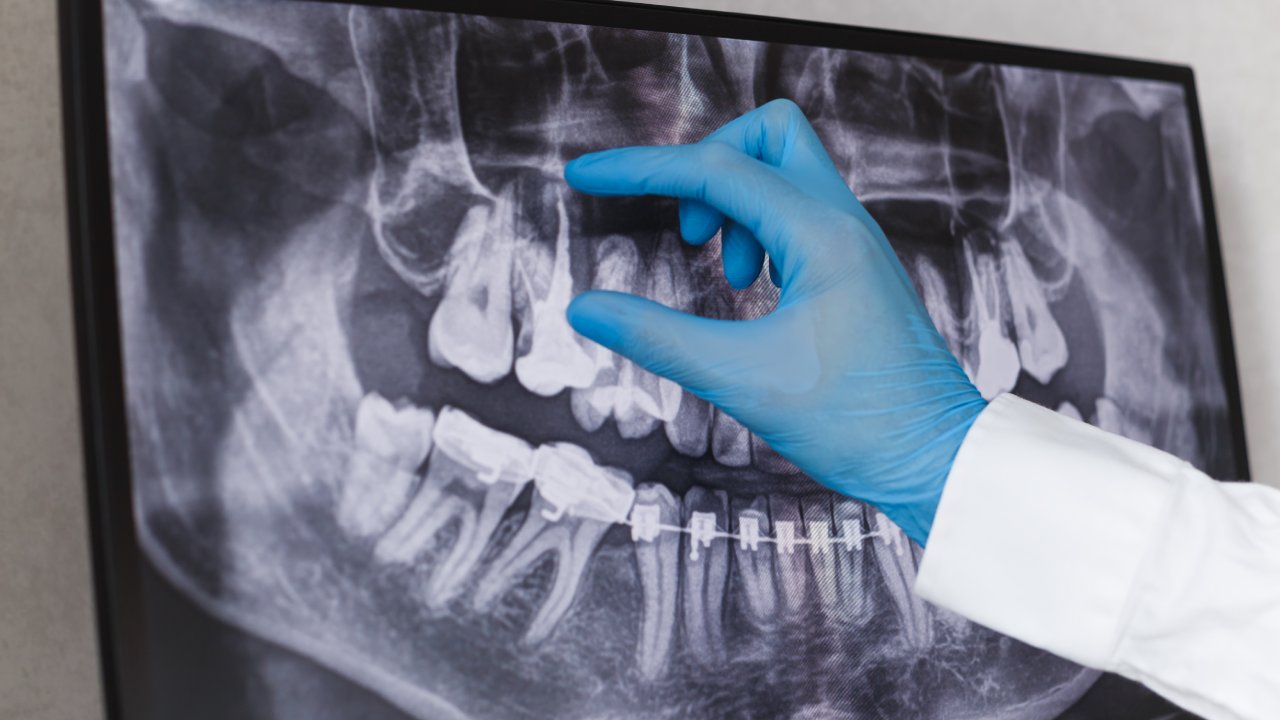
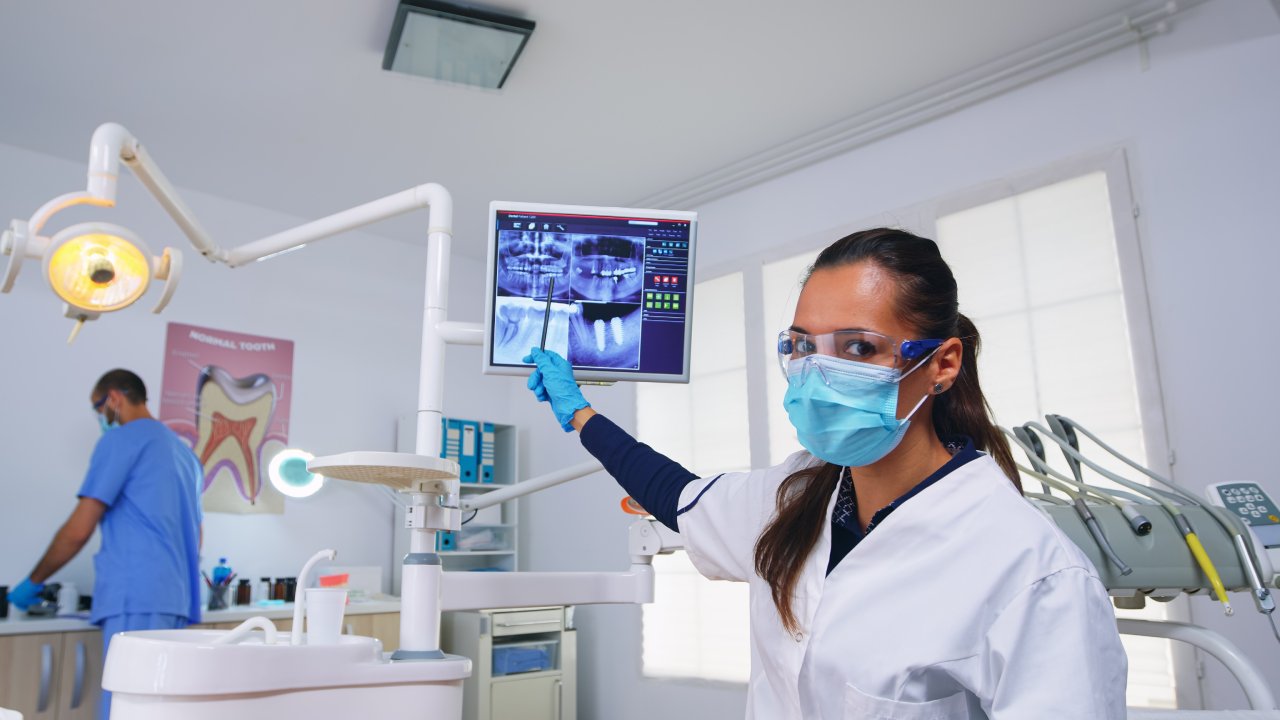
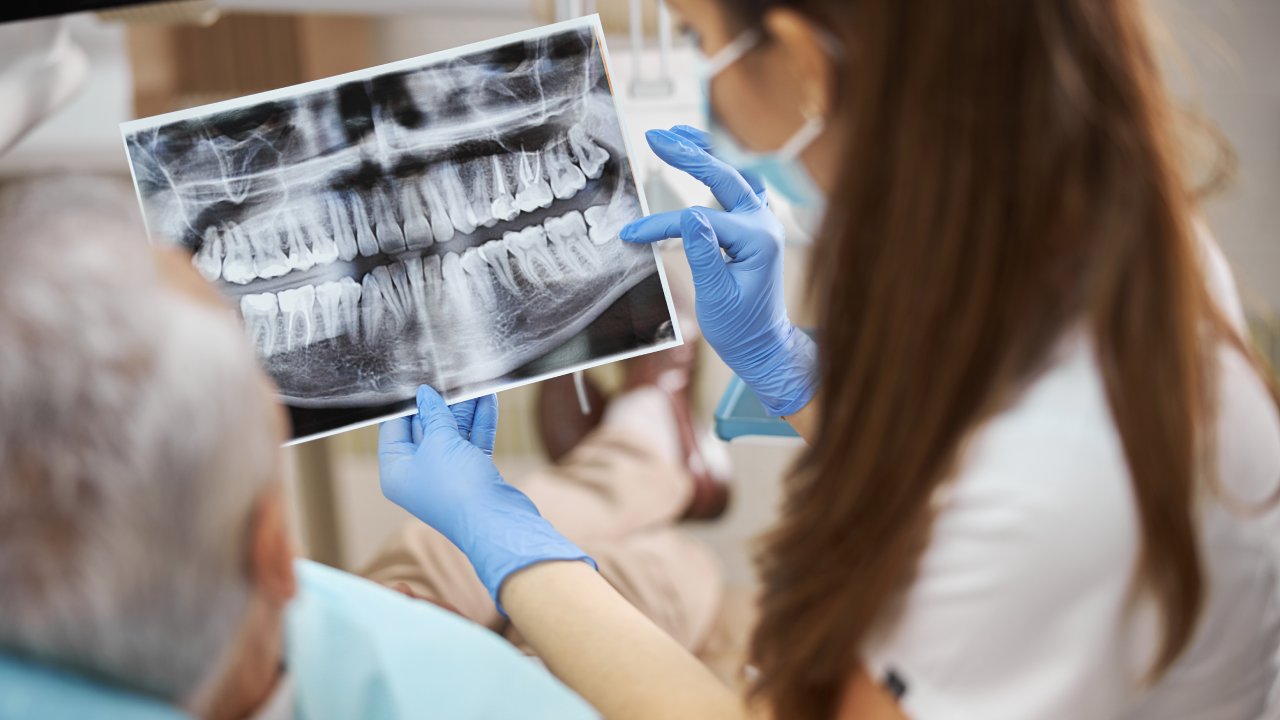
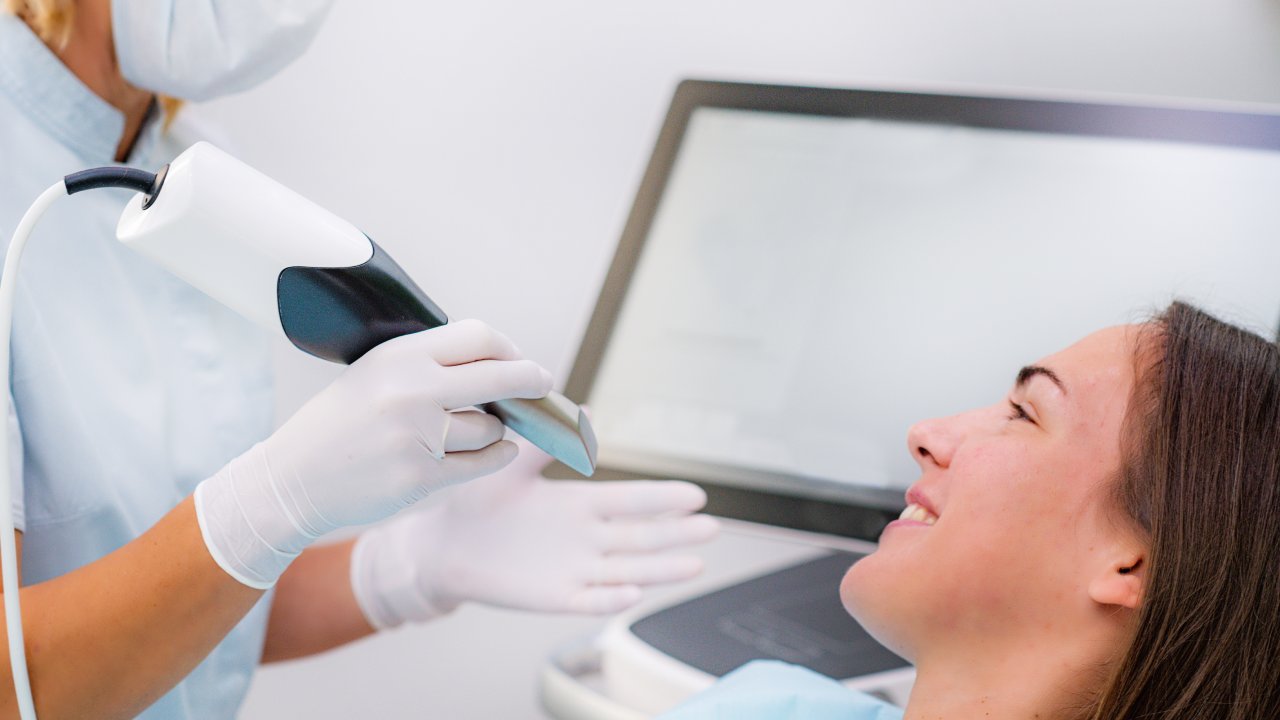
High-quality diagnostic records form the backbone of precise treatment planning. You’ll typically undergo a series of digital photographs, dental impressions or intraoral scans, and radiographs such as panoramic and cephalometric X-rays. In certain cases—especially when canines are impacted—cone-beam computed tomography (CBCT) provides three-dimensional detail for surgical guidance or space analysis [3].
Many practices now use a 3d orthodontic imaging service to capture accurate digital models, which can replace plaster casts for diagnosis and arch-wire bending. These tools also allow virtual simulations of planned tooth movements, giving you a preview of your potential outcome.
Starting with a detailed orthodontic consultation charlotte ensures that your records are complete and any oral health issues are addressed before appliances are placed.
Define treatment objectives
Clear, measurable objectives guide every subsequent decision in your plan. When you and your orthodontist agree on specific targets—such as aligning incisor edges, correcting crossbites, or closing gaps—you create a roadmap that can be monitored and adjusted.
Alignment and bite correction
Your primary objective may be to align upper and lower teeth so they fit together harmoniously. Whether you have crowding, rotations, or bite misalignments like overbite or underbite, setting precise movement goals—measured in millimeters or degrees—helps your orthodontist track progress and maintain treatment efficiency.
Aesthetics and facial harmony
Beyond bite mechanics, you might prioritize a balanced smile line or improved cheek support. Modern planning software integrates your facial photographs with digital dental models to forecast changes in lip posture, smile arc, and overall facial profile. These virtual mock-ups help you visualize the final result before any brackets or attachments are bonded.
Periodontal health considerations
Healthy gums and bone around each tooth are nonnegotiable for safe tooth movement. If periodontal issues exist, your orthodontist may partner with a periodontist to treat inflammation or bone loss before starting active treatment. Protecting the periodontium safeguards both your long-term oral health and the stability of the finished alignment.
Common orthodontic issues
Most treatment plans address one or more of these issues:
- Crowding, where insufficient jaw space causes teeth overlap
- Excess spacing or diastemas between teeth
- Overbite and underbite affecting functional contacts
- Crossbite or posterior bite mismatches
- Impacted canines or other teeth requiring guided eruption
Identifying which of these you face clarifies appliance selection and treatment sequencing [2].
Select appropriate appliances
Choosing the right appliance type is one of the most impactful decisions in treatment planning. Your lifestyle, aesthetic priorities, case complexity, and compliance preferences all play a role in determining whether braces or clear aligners (or both) will deliver the best outcome.
| Appliance type | Ideal cases | Pros | Cons |
|---|---|---|---|
| Metal braces | Severe malocclusions | Durable, cost-effective | Highly visible |
| Ceramic braces | Aesthetic demands | Clear or tooth-colored brackets | More brittle |
| Lingual braces | Discreet treatment needs | Hidden behind teeth | Possible tongue irritation |
| Clear aligners | Mild to moderate cases | Removable, nearly invisible | Require strict wear |
Traditional braces
Brackets and wires remain the gold standard for complex cases, offering precise control over every tooth axis. You can choose between metal or ceramic brackets based on your desire for low-profile hardware. Self-ligating and lingual systems provide additional options for reduced friction or hidden placement.
Clear aligners
For many teens and adults, clear aligners deliver predictable results without the appearance of braces. Teens can take advantage of programs like invisalign teen program nc, which include eruption tabs and replacement aligners for compliance. Adults often prefer our invisalign clear aligners charlotte service to discreetly address crowding, spacing, and minor bite issues.
Aligners work best when you commit to at least 20 to 22 hours of wear per day. Compliance trackers and regular check-ins help ensure your treatment stays on schedule.
Manage treatment phases
Orthodontic treatment unfolds in three well-defined phases. Understanding what to expect at each step keeps you informed and motivated.
Planning stage
The planning stage involves finalizing your diagnostic records, refining digital treatment simulations, and obtaining informed consent. You’ll discuss potential risks, estimated treatment duration, and any recommended pre-treatment procedures such as extractions or periodontal therapy.
Active movement phase
Once brackets or attachments are in place, regular adjustments guide tooth movement along the planned path. You’ll attend periodic orthodontic follow up visits every four to eight weeks for wire changes, aligner pickups, or elastics adjustments. Consistent check-ups help your orthodontist verify progress, modify mechanics if needed, and address any discomfort promptly.
Retention phase
After achieving your alignment goals, retention safeguards your new smile. Your orthodontist will design a custom retainer—fixed or removable—based on your case complexity and growth potential. This phase allows bone and soft tissues to remodel around the corrected tooth positions, locking in your results for the long term [4].
Ensure retention success
Wearing your retainer as prescribed is essential to prevent relapse. Even small shifts can undo months of treatment if your retainer isn’t worn consistently.
Choose the right retainer
Fixed bonded retainers behind lower and upper front teeth provide continuous support without relying on your active wear. Alternatively, clear removable retainers offer easy hygiene and the ability to remove them for meals or special occasions.
Maintain retainer hygiene
Clean your removable retainer daily with a soft brush and nonabrasive cleanser. Avoid hot water, which can warp plastic trays. If you notice any distortion or cracks, schedule a retainer adjustment charlotte to restore a precise fit.
Encourage long-term compliance
Developing a routine—such as wearing your retainer every night before bed—builds habits that help preserve your smile. Setting reminders on your phone or placing the retainer case beside your toothbrush can reduce the chance of forgetting.
Monitor progress regularly
Even after moving into retention, occasional check-ups are wise. Minor relapse can occur silently, and early detection makes correction simpler.
Follow-up visit schedule
Aim for at least one check-in every six months during the first year of retention. Your orthodontist will evaluate tooth stability, examine your retainer fit, and offer adjustments if any unwanted movements appear.
Assessing treatment response
During monitoring visits, digital scans or photos compare your current tooth positions against the original treatment outcome. Small interproximal polishing or a short series of night-time aligners can correct minor relapse without restarting full treatment.
Adjusting plan as needed
If you change habits—such as starting a new athletic activity or experiencing wisdom tooth eruption—your retention strategy may require modification. Proactive monitoring helps you avoid surprises and maintain the alignment you worked hard to achieve [3].
By following each step of orthodontic treatment planning—from initial assessment through retention and beyond—you give your smile the best chance to look and function at its very best. When you partner with your orthodontist, stay informed, and commit to the plan, you’ll unlock a healthier, more confident version of yourself.