
Maintaining your orthodontic results means staying on top of every step, including retainer adjustment. When you search for retainer adjustment Charlotte, you’re looking to preserve the time and investment you made in braces or clear aligners. A well-fitted retainer keeps your teeth in place as the surrounding bone and ligaments stabilize, preventing unwanted shifting that can reverse months of work.
Whether you wore metal braces, ceramic brackets, or a clear aligner program like Invisalign, the transition to retention is just as critical as your initial alignment. Understanding how retainers work, what can go wrong, and when to seek professional help ensures your smile stays straight and healthy. This article walks you through retainer types, common adjustment issues, at-home prevention, professional care options, and cost-effective replacement strategies—all tailored for patients in the Charlotte area.
Understanding retainer adjustments
After active treatment, retainers hold your teeth in their new positions while bone remodels around the roots. Adjustment refers to any professional service that tweaks your retainer’s fit or function. Even minor misalignments in the appliance can allow teeth to drift, causing crowding, gaps, or bite changes.
Your orthodontist or dentist often recommends an initial retainer fitting appointment immediately after braces come off or your last aligner is removed. During this visit, the provider checks how snugly the retainer seats against your teeth and makes small modifications to wire tension or plastic contours. Periodic adjustment appointments—typically every six to twelve months—help accommodate slight shifts in your smile and ensure continued comfort.
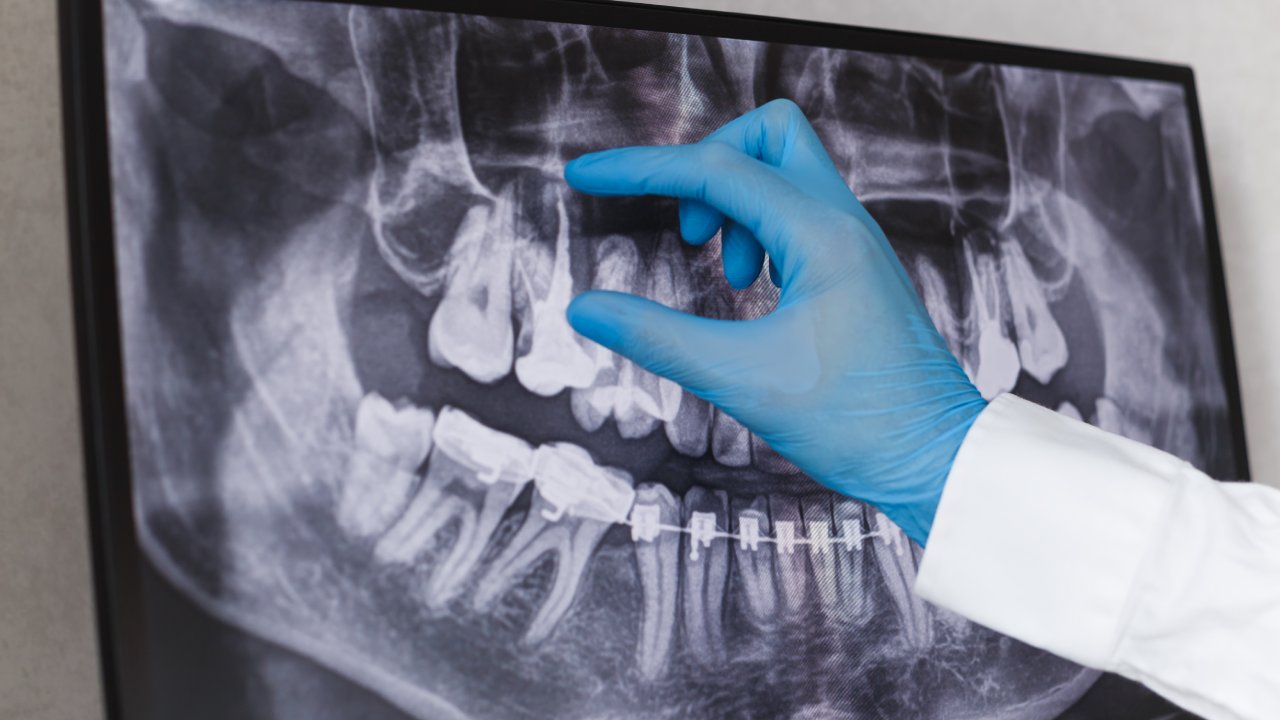
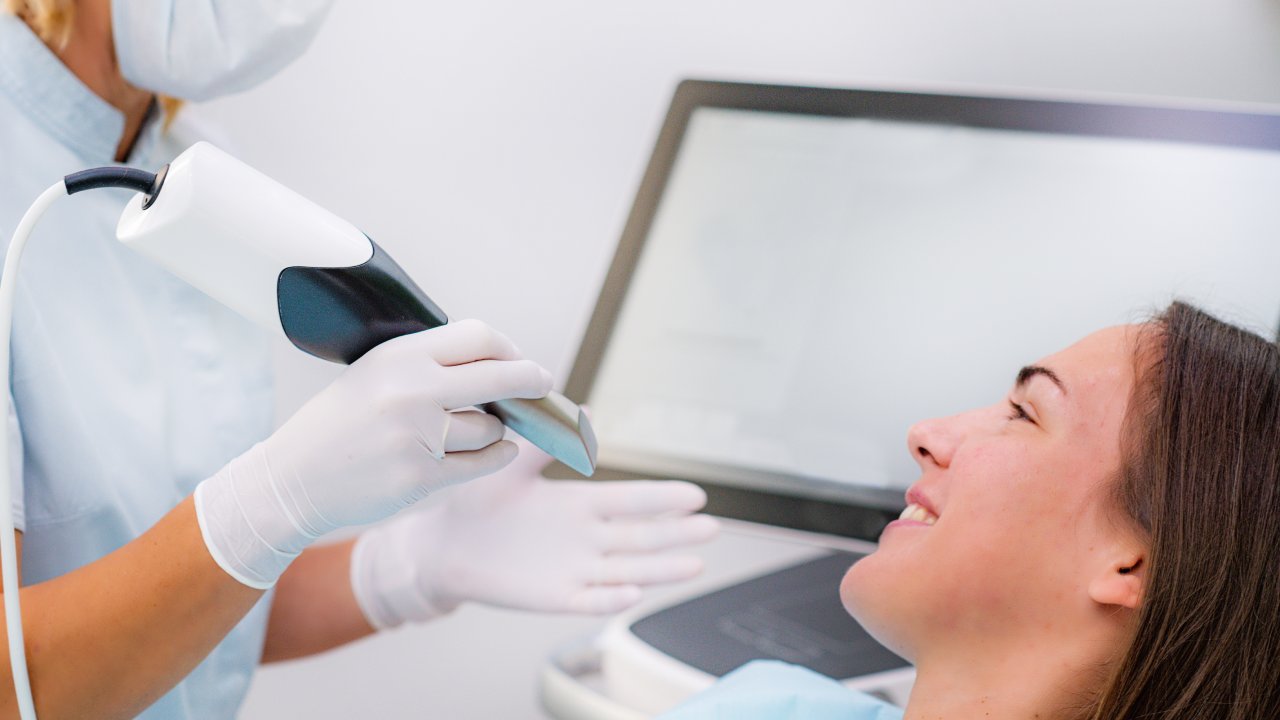
A smooth adjustment process relies on accurate records from your treatment phase. Modern practices in Charlotte often use 3d orthodontic imaging service to capture detailed scans of your teeth and retainer. These digital models guide precise modifications, reducing trial-and-error visits and minimizing discomfort.
Retainer types explained
Retainers come in two main forms—removable and fixed—each with its own care requirements and adjustment protocols. Knowing which type you have helps you spot problems early and communicate effectively with your provider.
Removable retainers
Removable retainers include clear plastic shells, sometimes called Essix retainers, and Hawley retainers, which combine acrylic with a metal wire. Clear retainers fit like a second skin over your teeth and are nearly invisible, while Hawley appliances sit behind the teeth with a thin wire across the front.
Because you wear these retainers only part-time after the initial full-time period, fit and flexibility are critical. If the plastic warps or the wire bends, you may feel uneven pressure, which can nudge teeth out of alignment. Regular adjustment visits help your orthodontist restore the original shape and ensure the appliance still seats correctly.
Fixed retainers
A fixed retainer involves a thin wire bonded to the back surfaces of your front teeth. It’s popular for lower teeth, where relapse risk tends to be higher. You don’t remove this type for eating or cleaning, though you must floss carefully around the wire.
Fixed retainers rarely require replacement unless the wire breaks or the bonding detaches. Even so, small shifts in tooth position can create gaps between the wire and teeth, reducing retention effectiveness. Professional adjustment involves re-bonding or replacing segments of the wire to maintain continuous support.
Identifying common issues
When retainers don’t receive timely adjustments, a range of problems can arise. Watch for these warning signs and act quickly to prevent relapse:
- Loose or detached wire on fixed retainers
- Cracks, chips, or warping in removable retainer acrylic
- Abnormal tightness or difficulty seating the appliance
- Persistent soreness, irritation, or ulceration of gum tissue
- Visible plaque buildup or discoloration indicating hygiene challenges
Any one of these issues can compromise the retainer’s ability to hold teeth in place. If you notice your appliance feels different from when it was new, schedule an assessment right away.
Diagnosing adjustment needs
You might wonder how often to check in for retainer adjustments. General guidelines suggest visiting your orthodontist every six to twelve months, but personal factors can accelerate or delay that schedule.
First, consider your lifestyle. If you eat sticky foods often or use your retainer as a makeshift mouthguard during sports, wear and tear will occur faster. Second, account for biological variables. Some patients’ teeth continue to shift with age or under certain medications. Third, follow any instructions your provider gave about monitoring fit.
During a diagnostic appointment, your orthodontist will:
- Visually inspect the retainer for damage or deformation.
- Fit the retainer on your teeth, checking for gaps or improper seating.
- Use digital scans from orthodontic imaging charlotte or X-rays if necessary to compare current tooth positions with post-treatment records.
- Discuss any discomfort, soreness, or changes you’ve noticed.
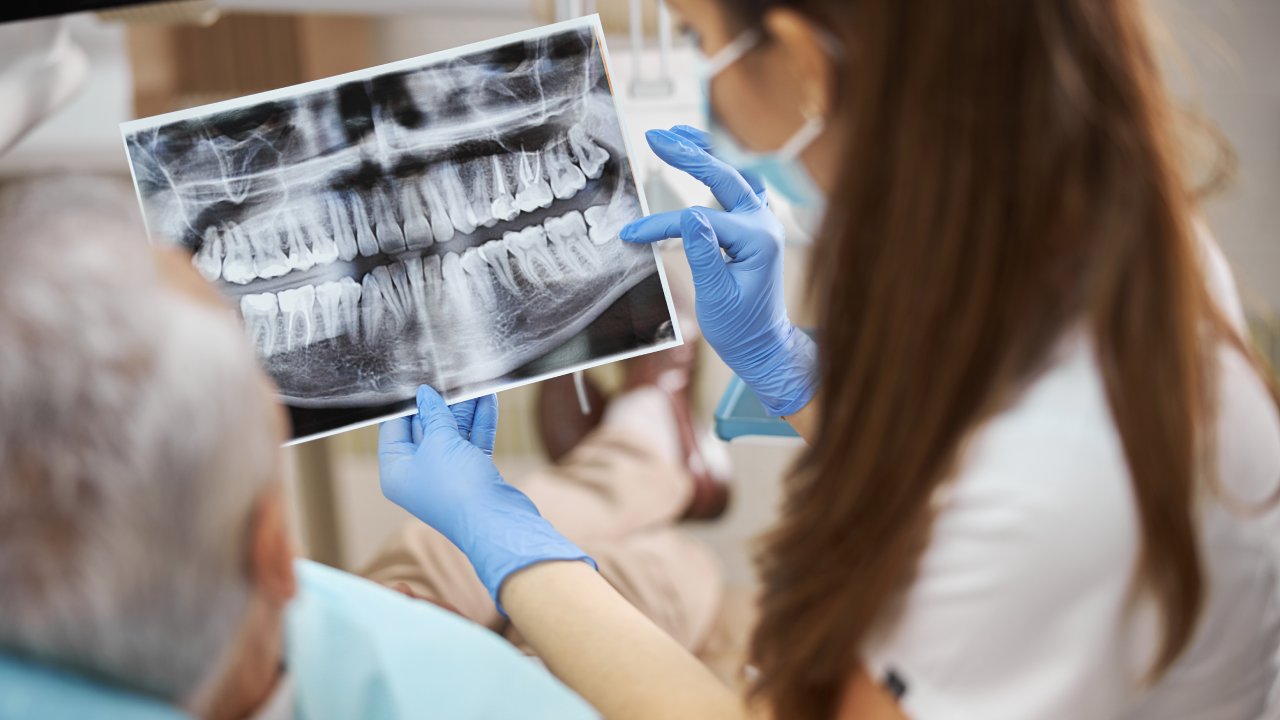
Accurate diagnosis often combines clinical observation with imaging data. Practices offering 3d orthodontic imaging service can overlay scans of your teeth and retainer to pinpoint areas where the contact is less than perfect. Early detection means a small wire bend or acrylic trim rather than a full appliance remake.
Preventing issues yourself
While professional care is essential, you can take steps at home to minimize the need for frequent adjustments and extend your retainer’s lifespan. Focus on two core habits: cleaning and wear consistency.
Proper retainer cleaning
Bacteria and debris can accumulate on your retainer, causing plaque buildup that irritates gums and weakens the material. Clean removable retainers daily by rinsing under cool water and brushing gently with a soft toothbrush—avoid toothpaste, which can be abrasive. Every week use a retainer cleaner or denture tablet to dissolve stubborn deposits.
Fixed retainers require special floss threaders or interdental brushes to remove food particles around the bonded wire. Skipping this step can lead to cavities, inflammation, and the risk that your provider will need to remove and rebond the retainer for thorough cleaning.
Following wear schedule
Your orthodontist sets a wear timetable based on how quickly your teeth tend to shift. In many cases, you’ll wear a removable retainer full-time for the first four to six months, then transition to nightly wear thereafter [1]. Deviating from that plan—even skipping a night or two—can allow teeth to drift into undesired positions, making adjustment more complex.
Create a consistent routine by storing your retainer in its case when it’s out of your mouth, and setting reminders on your phone if needed. If you travel, always carry the case and a cleaning kit to avoid forgetting or misplacing the appliance.
Scheduling professional care
Even with perfect at-home habits, retainers eventually need professional tweaks. Knowing where and how to schedule these services in Charlotte saves time and frustration.
Adjustment services
Many orthodontic offices in Charlotte include retainer adjustments as part of their orthodontic care Charlotte package. Some practices offer free or discounted checks when you combine them with orthodontic monitoring visits. During these sessions, the provider may tighten wires, trim edges, or reheat and reform clear plastic.
If your fixed retainer wire has come loose or broken, immediate attention is crucial. A loose wire can catch on lips or tongue and no longer prevent relapse. Reach out to your orthodontist as soon as you spot detachment or discomfort.
Follow-up visits
Beyond adjustments, routine follow-up visits help catch minor issues before they escalate. At each visit you’ll:
• Review your dental hygiene and retainer cleaning techniques
• Verify that wear patterns match your treatment plan
• Update digital records with orthodontic imaging Charlotte or intraoral scans
• Discuss any lifestyle changes that might affect retention needs
Combining retainer checks with regular orthodontic follow up visits or general dental cleanings streamlines your schedule and keeps costs manageable. If you haven’t booked a consultation yet, consider a free initial visit at Hull & Coleman Orthodontics by calling (704) 334-7203 [2].
Extending retainer lifespan
Professional tweaks and personal care both contribute to a longer-lasting retainer. In addition, consider these strategies:
• Rotate between two removable retainers to reduce wear on each one
• Keep the appliance out of hot environments that can warp acrylic
• Avoid chewing gum or biting directly on retainers
• Store it only in its protective case to prevent cracks
Fixed retainers can last for many years if bonding is maintained and you avoid hard or sticky foods that stress the wire. Report any signs of detachment promptly—bonded wires that lift even slightly can trap plaque and lead to breakage under chewing forces.
Exploring replacement options
Eventually you may need a completely new retainer. Replacement costs vary widely based on type and location. If you pay out of pocket, expect to invest:
| Retainer type | Average cost range | Notes |
|---|---|---|
| Essix (clear) | $100–$250 per set | Prone to cracking, often replaced annually |
| Hawley (acrylic) | $150–$300 | Durable, adjustable but more visible |
| Bonded (fixed) | $250–$500 per arch | Long-term solution, requires professional bonding |
Replacement retainers outside maintenance programs can cost upwards of $240 each, or $480 per set [2]. To avoid surprise fees, ask about any “retainers for life” or loyalty plans.
Hull & Coleman Orthodontics in Charlotte offers a Retainers for Life program, which includes two sets of removable retainers and unlimited free replacements. This plan simplifies budgeting and ensures you never delay getting a new appliance when yours breaks or gets lost. Patients in the program typically wear each set nightly, storing the other as a backup, so fitting remains consistent and adjustments stay minimal.
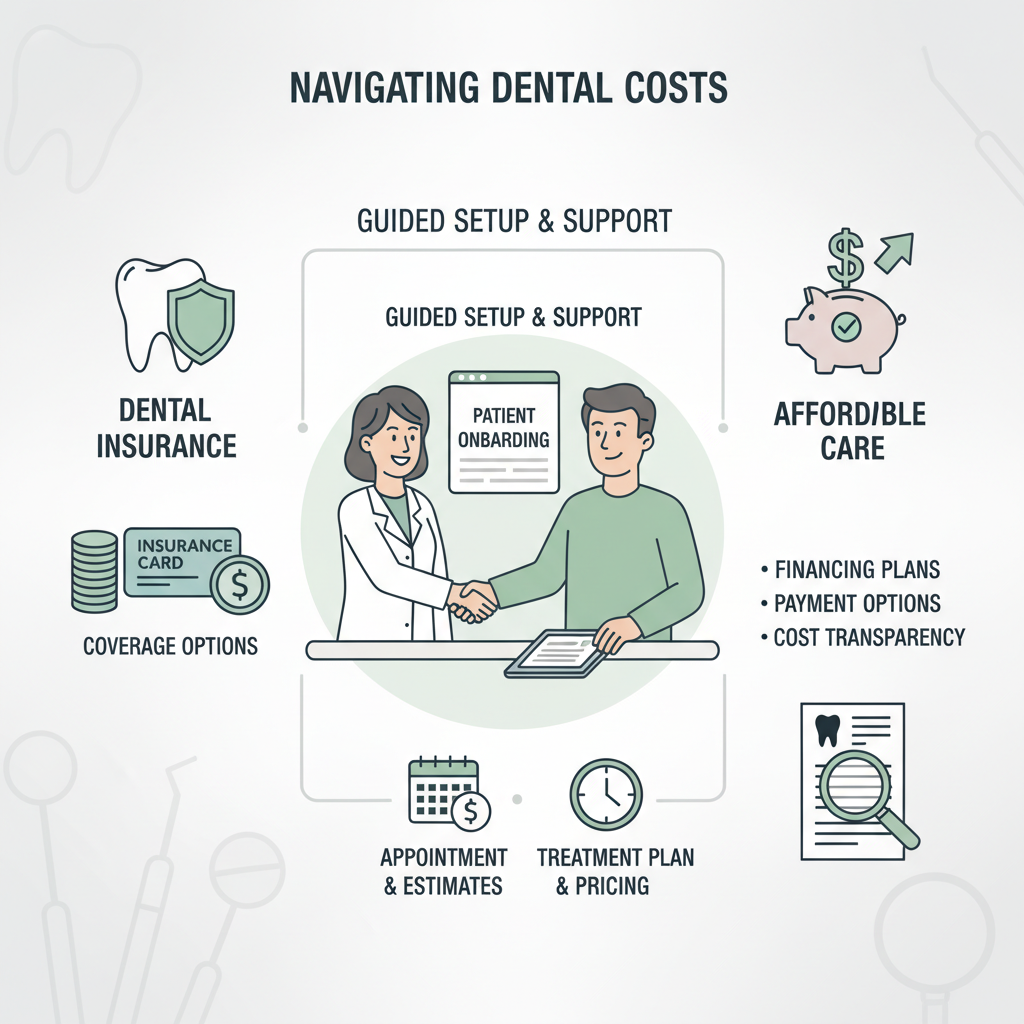
If you prefer alternatives, discuss other options during your orthodontic consultation Charlotte. Financing through orthodontic payment plans can spread replacement costs over time, and some practices bundle retainer replacements with seasonal check-ups for a predictable annual fee.
By understanding retainer types, spotting early warning signs, practicing diligent care, and leveraging local adjustment and replacement programs, you can avoid common issues and keep your smile exactly where you want it. Regular attention to retention is the final—and often most overlooked—step in securing long-term orthodontic success.