
Choosing the right stealth aligner options can transform your smile without drawing attention to your orthodontic treatment. These clear, custom-made trays apply gentle pressure to shift teeth gradually, offering a discreet alternative to metal braces. From widely known brands like Invisalign to budget-friendly direct-to-consumer systems, you have a variety of clear aligners to consider based on your lifestyle, budget, and alignment goals. In this guide, you’ll explore the leading stealth aligner options, compare them to traditional braces, understand key features, and learn how to plan and maintain your treatment for a lasting, confident smile.
Understand stealth aligners
Stealth aligners are clear plastic shells that snap over your teeth and apply controlled forces to reposition them over time. Unlike fixed metal braces, these removable trays let you eat, drink, brush, and floss normally, reducing dietary restrictions and improving oral hygiene [1]. Most systems require you to wear your aligners for 20 to 22 hours a day and switch to a new set every one to two weeks, with treatment lasting anywhere from six months for minor corrections up to two years for complex cases [1].
These devices work best in mild to moderate misalignment situations, achieving success rates of about 75–90% when patients follow their wear schedule consistently [1]. Because they’re virtually invisible, stealth aligners appeal to professionals, teens, and anyone who wants a more discreet path to a straighter smile. Whether you’re exploring an adult clear aligners treatment or looking into youth options, understanding how these systems differ will help you make an informed choice.
Explore popular aligners
The on-market clear aligner landscape includes provider-driven systems and direct-to-consumer options. Here’s an overview of some leading stealth aligner brands:
| Brand | Typical cost | Key features |
|---|---|---|
| Invisalign | ~$6,000 per treatment | Proprietary SmartTrack® material, precise tooth control, attachments for complex movements, requires dental provider involvement |
| Motto® | $2,999 for mild cases | Doctor-directed care, virtual check-ins, free whitening kit and retainer, faster average plan of 5.4 months [2] |
| AlignerCo | $995–$795 (discounted) | Flat-fee direct-to-consumer, impression kit and retainer included, limited in-person oversight [3] |
| Candid | Varies (hybrid model) | In-person consultation, virtual follow-ups, professional oversight, hybrid cost structure [3] |
Invisalign remains the best-known clear aligner system, blending precise digital treatment planning with in-office adjustments and monitoring [3]. ClearCorrect, while similar in its discreet tri-layer ClearQuartz™ material, often matches Invisalign’s performance and comfort and may be priced slightly lower depending on your provider [1]. Direct-to-consumer brands like AlignerCo and Candid can be more affordable but typically involve less clinical supervision, so you’ll want to consider how much professional oversight you need.
Compare aligners and braces
When weighing clear aligners against traditional metal or lingual braces, consider both aesthetic and clinical factors. A 2019 systematic review found that aligners were generally as effective as braces for overall alignment but slightly less adept at achieving ideal occlusal contacts, controlling root torque, and expanding transverse arch width (WMD = 8.38, 95% CI [−0.17, 16.93]; P = 0.05) [4]. The same review reported a significantly shorter treatment duration for nonextraction cases with clear aligners (WMD = −6.31 months, 95% CI [−8.37, −4.24]; P < 0.001).
Braces offer superior mechanical control, which can be critical if you need substantial bite correction or root torque adjustments. Lingual braces (attached behind the teeth) provide a stealth alternative but tend to cost more due to their custom fabrication and intricate placement. For a head-to-head cost and feature comparison, see invisalign vs braces or explore other clear braces alternatives.
Evaluate treatment features
Not all stealth aligners are created equal. Before committing, review these core features:
Material and clarity
Clear aligners use different plastics to balance strength, stain-resistance, and visibility. Invisalign’s SmartTrack® and ClearCorrect’s ClearQuartz™ are engineered for durability and comfort, minimizing cracks and discoloration [1]. Direct-to-consumer trays may use thinner or less resilient plastics, which can affect clarity and long-term performance.
Wear schedule
Aligners rely on consistent wear—20 to 22 hours daily—for optimal results. Missing usage time can delay alignment and reduce effectiveness. Ask any prospective provider or review your kit’s guidance on tracking wear time and replacement intervals.
Attachments and comfort
Attachments are small, tooth-colored bumps bonded to your teeth that give clear aligners added grip for complex movements. Systems that offer attachments, like Invisalign and ClearCorrect, tend to manage rotations and extrusions more predictably. Fewer attachments can improve comfort and maintain a smoother look, but your case complexity may require them.
Plan your treatment journey
Your path to a straighter smile involves several key steps. Understanding each phase can make the process feel more manageable:
- Initial consultation
- Digital imaging and scans
- Customized treatment planning
- Aligner fabrication and fitting
- Scheduled follow-up visits
- Retention and result maintenance
Initial consultation
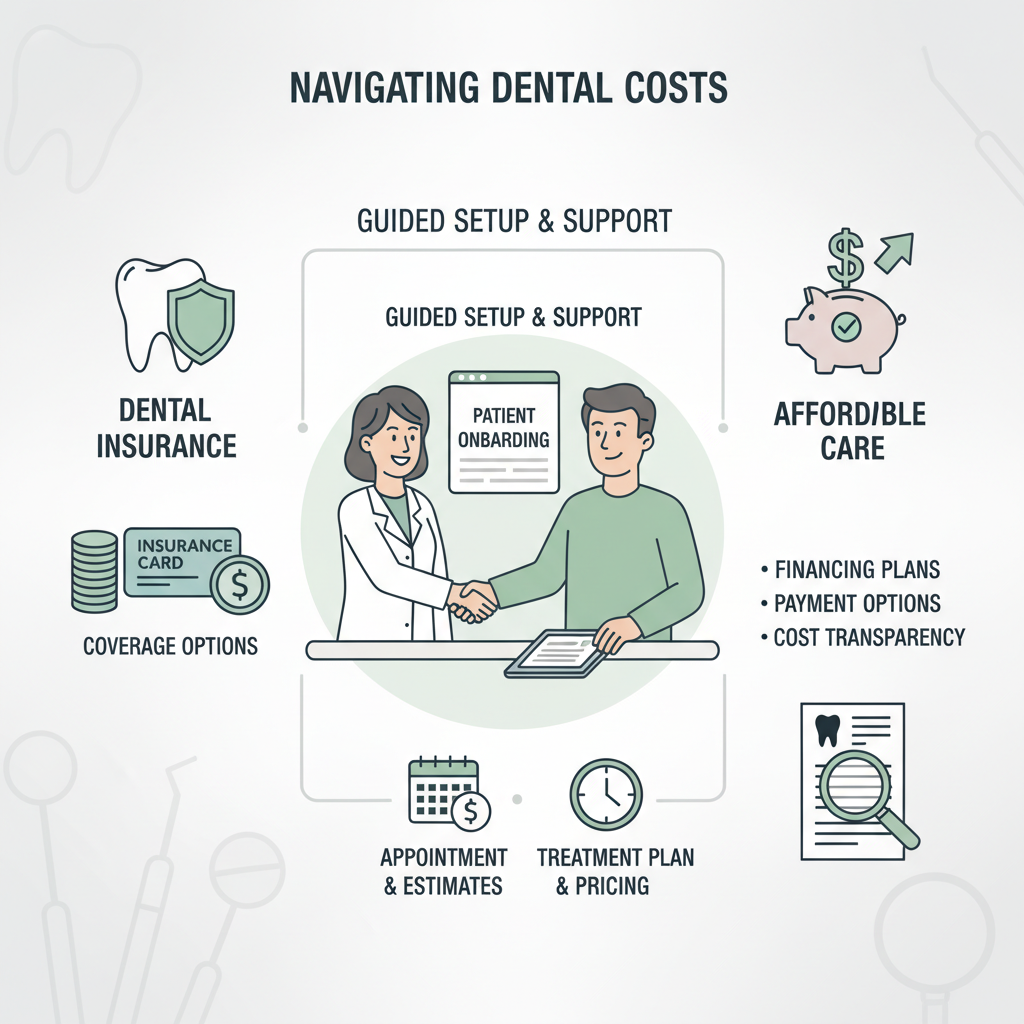
Your journey begins with an evaluation by an orthodontist or qualified dentist. During this visit, you’ll discuss your smile goals, medical and dental history, and any concerns about stealth aligner options. This is also a chance to explore financing through orthodontic payment plans.
Digital imaging
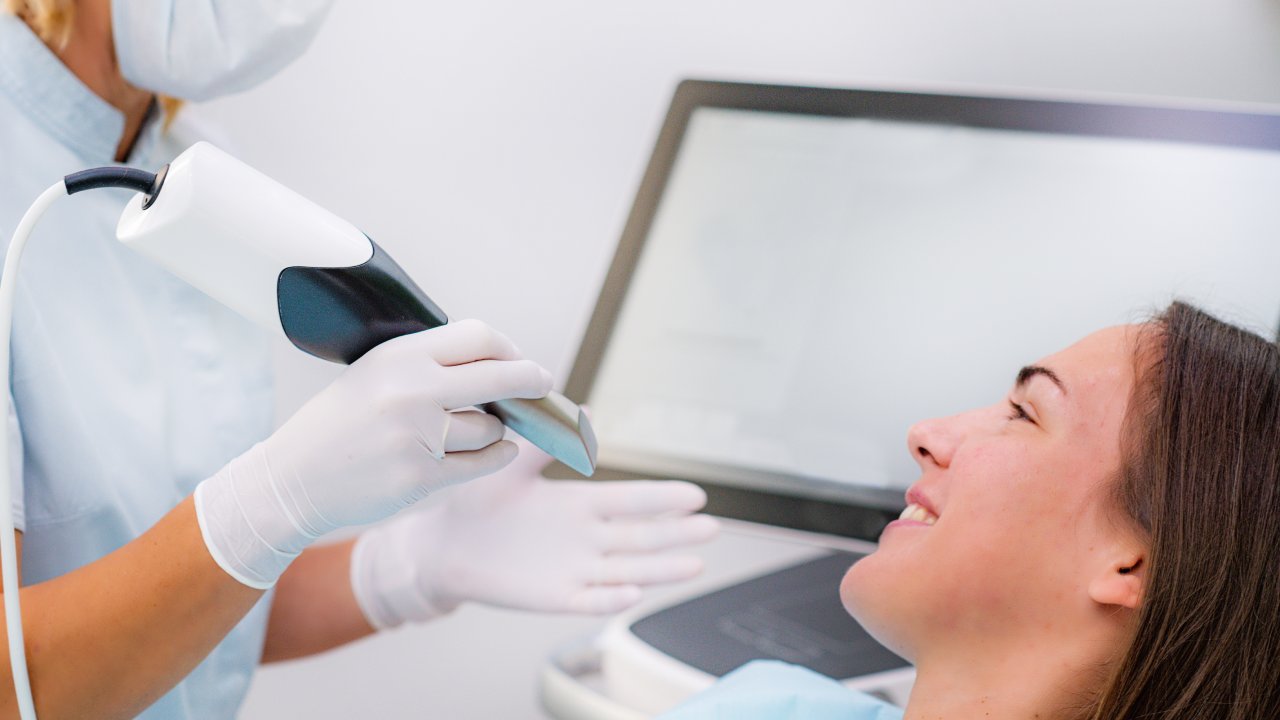
Modern aligner systems rely on detailed 3D scans or impressions to map out your teeth’s current position. Digital impressions are faster, more comfortable, and often more precise than traditional molds. Depending on your location, you can access services like 3d orthodontic imaging service or local orthodontic imaging charlotte for high-resolution models.
Customized treatment planning
Advanced software uses your scans to simulate each movement phase, typically generating a series of 20–40 aligners. You’ll review this plan with your provider, adjusting any details before production. In a provider-driven system, this stage ensures clinical oversight; direct-to-consumer kits may offer remote review instead.
Aligner fabrication and fitting
Once manufactured, you’ll receive your first sets of aligners along with instructions for insertion, removal, and care. A hands-on fitting visit helps you learn how to wear and maintain your trays properly. If you’re working with an Invisalign provider, this visit establishes your baseline and secures any necessary attachments.
Scheduled follow-up visits
Regular check-ins help your provider monitor progress, finetune attachments, and address any discomfort. For Invisalign and ClearCorrect, expect in-office visits every 6–10 weeks for adjustments and new aligner pickup [5]. Remote systems like Candid or AlignerCo use virtual check-ins to track compliance and fit.
Maintain your smile results
Once active treatment ends, avoiding relapse is vital. A robust retention strategy keeps your teeth aligned:
Retainers and wear schedule
Retainers are clear or wire devices that preserve tooth position after aligners come off. You may start with full-time wear in removable trays, then shift to nightly use. Over time, most patients reduce to wearing retainers several nights per week.
Adjustment and care
Periodic adjustments ensure retainers fit snugly as your bite settles. Book an appointment with your provider or use local services like retainer adjustment charlotte to maintain retention effectiveness.
Long-term monitoring
Even years after treatment, teeth can drift. Annual or biennial check-ups with your orthodontist or dentist allow you to catch any changes early. If you notice shifting, discuss a refresher aligner or minor orthodontic work through orthodontic care charlotte.
Answer common questions
Q: How do I choose between provider-driven and direct-to-consumer aligners?
A: If your case involves moderate to complex movements or you prefer in-person oversight, a provider-driven system like Invisalign or ClearCorrect is best. If your misalignment is mild and budget is a priority, direct-to-consumer options like AlignerCo may work, though with less clinical supervision.
Q: Can I eat and drink with aligners?
A: Always remove your aligners before eating or drinking anything other than water. This prevents staining and damage, and preserves the precise fit of each tray.
Q: Are clear aligners painful?
A: You may feel mild pressure or soreness when you switch to a new aligner set. This discomfort typically subsides in a day or two and is a sign the trays are working.
Q: How do I find a qualified provider?
A: Search for a certified transparent aligners dentist or orthodontist in your area. If you’re in Charlotte, consider booking an orthodontic consultation charlotte to explore your options.
Q: What happens if I lose an aligner?
A: Contact your provider immediately. In many cases, you’ll move on to the next tray early or receive a replacement. Avoid skipping steps to keep your treatment on schedule.
Unlocking your best smile is within reach when you understand your stealth aligner options and plan your journey thoughtfully. Whether you prioritize the proven track record of Invisalign, the affordability of Motto, or the convenience of a direct-to-consumer kit, clear aligners can deliver a confident, discreet path to straight teeth. Partner with your orthodontist or dentist, follow your treatment plan, and commit to retention—you’ll be rewarded with a smile that lasts.