
Understanding custom dentures
When you search for custom dentures charlotte, you’re looking for a solution that fits comfortably, matches your smile and restores your ability to eat and speak with confidence. Custom dentures are removable dental prosthetics designed specifically for your mouth’s contours, bite pattern and aesthetic goals. Unlike one-size-fits-all appliances, these prosthetic devices use precise measurements and high-quality materials to ensure a natural look and reliable function.
What are custom dentures?
Custom dentures are tailor-made dental appliances that replace missing teeth and surrounding tissues. They consist of a base—often acrylic—that mimics your gum tissue and prosthetic teeth designed to match the color, shape and alignment of your natural teeth. Your dentist takes detailed impressions and digital scans to create a model of your mouth. This model guides every step of denture fabrication, from material selection to final fit and finish.
Who needs custom dentures?
You may need custom dentures if you’ve lost multiple teeth due to decay, gum disease or injury. Whether you’re missing an entire arch or just a few teeth, custom dentures can restore your chewing ability, support facial structures and improve your speech. People who struggle with traditional off-the-shelf appliances often find that a custom approach reduces sore spots, slippage and irritation.
How dentures restore function
By replacing missing teeth, dentures help you maintain proper nutrition and digestive health, as you can chew a wider variety of foods. They also support your lips and cheeks, preventing the sunken appearance that often follows tooth loss. Speaking clearly becomes easier when dentures restore the correct positioning of your tongue and teeth. Overall, custom dentures enhance both oral health and self-confidence.
Recognizing denture types
Understanding the different denture options helps you choose the one that best fits your needs. Here’s a quick overview:
| Type | Description | Ideal use |
|---|---|---|
| Full dentures | Replace all teeth in the upper or lower arch | Complete tooth loss in one or both arches |
| Partial dentures | Replace one or several missing teeth, clasping onto remaining natural teeth | Multiple gaps with healthy teeth remaining |
| Implant-supported dentures | Snap or screw onto dental implants for enhanced stability | Patients seeking superior retention and bone health |
Full dentures
Full dentures replace an entire upper or lower arch. They rely on suction, natural anatomy and denture adhesive for retention. You’ll typically need several visits for impressions, bite registration and adjustments. Full dentures can be conventional—made after gums heal—or immediate, inserted right after extractions to minimize the time without teeth.
Partial dentures
Partial dentures fill gaps left by one or more missing teeth. They attach to your remaining teeth with metal clasps or precision attachments. Partial designs preserve healthy teeth, maintain proper spacing and prevent shifting. These prosthetics are ideal if you still have strong, disease-free teeth that can support the appliance.
Implant-supported dentures
If you want greater stability, implant-supported dentures anchor to dental implants surgically placed in your jaw. This option boosts chewing efficiency, prevents bone loss and eliminates the need for adhesives. In Charlotte, NC, dental implants are a popular choice for replacing missing teeth due to their durability and natural appearance [1].
Exploring material options
Material choice influences comfort, appearance and cost. Your dentist will help you select the best combination of base and tooth materials.
Acrylic denture bases
Acrylic resin is the most common base material for custom dentures. It’s lightweight, cost-effective and easy to adjust. Acrylic can be color-matched to your gum tissue, but it may stain over time and require periodic relining for a secure fit.
Porcelain denture teeth
Porcelain teeth provide a highly natural appearance with excellent strength. They resist wear and maintain their color longer than many alternatives. Because porcelain can be brittle, it may chip under heavy impact. Porcelain is chosen for full dentures because of its high durability and lifelike texture [2].
Flexible denture materials
Flexible partial dentures use nylon or thermoplastic resins that bend and flex with movement. They’re comfortable, less likely to break and eliminate visible metal clasps. Flexible bases adapt well to minor changes in your mouth over time.
Describing customization process
Your custom denture journey involves several key steps that ensure accuracy and comfort.
Initial consultation and examination
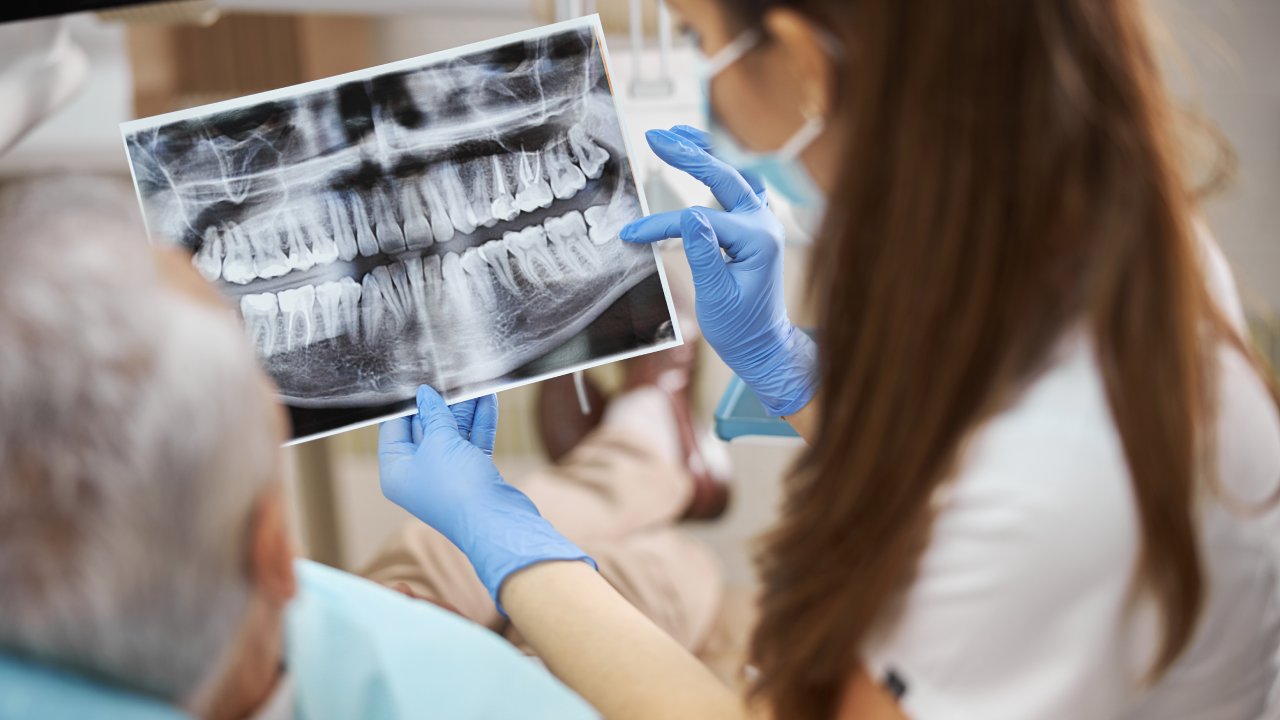
Your dentist evaluates your oral health, discusses goals and reviews X-rays. If extractions or gum treatment are needed, those procedures are scheduled first to create a healthy foundation.
Impressions and bite registration
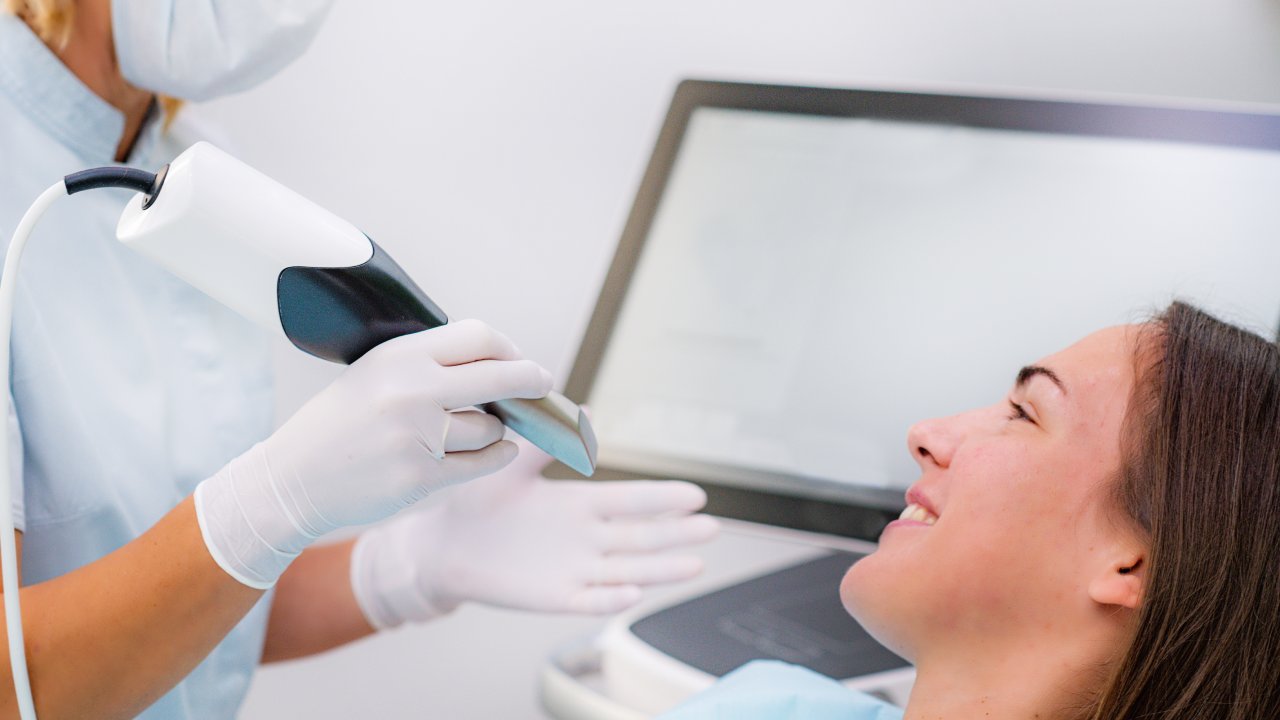
Detailed impressions or digital scans capture the precise shape of your gums, jaw and bite. Your dentist also records how your jaws meet to maintain proper alignment and function.
Wax try-in and adjustments
A wax model of your dentures allows you to preview tooth position, shape and color. You can provide feedback on comfort and aesthetics. Your dentist makes any necessary adjustments before moving forward.
Final insertion and evaluation
Once the final dentures are fabricated, your dentist fits and secures them. They check your bite, speech and comfort, making small adjustments as needed. You’ll receive detailed instructions on how to wear, clean and care for your new dentures.
Reviewing treatment timeline
Knowing what to expect helps you plan your appointments and anticipate changes.
Appointment schedule
- Consultation and planning
- Extractions or preparatory treatments (if needed)
- Impressions and bite records
- Wax try-in session
- Final denture insertion
Most full-denture cases require 4 to 6 visits over 4 to 8 weeks. Immediate dentures shorten the gap between extraction and insertion but may need more adjustments.
Adaptation period
After insertion, you may experience increased saliva flow, mild soreness and minor speech changes. Most patients adapt within 2 to 4 weeks. Follow-up visits allow relining or rebasing to maintain a snug fit as your gums and bone change shape.
Comparing cost and financing
Cost varies widely based on your needs and provider. Understanding these factors ensures you can budget effectively.
Cost factors breakdown
- Type of denture (full, partial, implant-supported)
- Material choice (acrylic, porcelain, flexible resin)
- Additional procedures (extractions, bone grafting, implants)
- Lab fees and complexity of design
- Follow-up visits and adjustments
Price ranges in Charlotte
- At Affordable Dentures & Implants in Charlotte, full upper or lower dentures cost between $844 and $1,878, including immediate and permanent denture services, but excluding extractions [3].
- Implant costs at the same practice start around $1,340 per implant, with extractions available for $95 each.
- Charlotte Dental Arts offers full dentures for $2,500 to $3,000 with financing as low as $102 per month, partial dentures for $2,800 to $3,000 at $119 per month, and implant-supported dentures ranging from $9,000 to $28,000 [4].
- Urban Family Dental provides custom dentures tailored to your smile goals, with pricing based on denture type, materials and any preparatory procedures [5].
Financing and insurance options
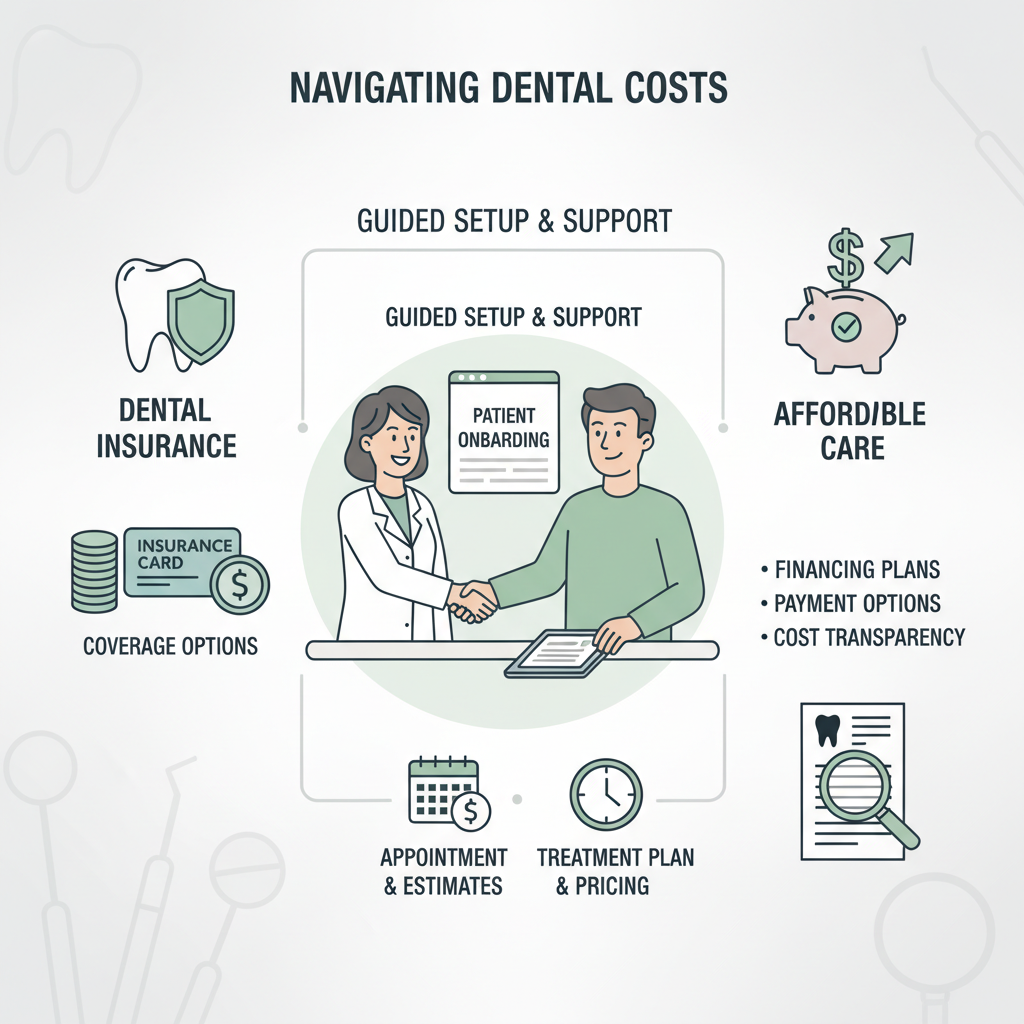
Most practices accept cash, credit cards, FSA/HSA and checks. Many work with financing partners such as ONEderful and CareCredit. You may qualify for partial coverage under your dental or medical insurance—ask about insurance covered restorations before you commit.
Practicing denture maintenance
Proper care preserves your investment, protects your oral tissues and ensures long-term comfort.
Daily cleaning routine
- Rinse dentures after eating to remove loose debris
- Brush dentures with a soft-bristle denture brush and nonabrasive cleanser
- Clean your mouth, gums, tongue and any remaining teeth before reinserting your dentures
Overnight and storage care
- Soak dentures in water or a denture solution overnight to prevent warping
- Handle with care to avoid dropping or bending flexible clasps
- Keep dentures away from hot water, which can distort acrylic components
Regular checkups and repairs
Visit your dentist every 6 to 12 months for professional cleaning, fit evaluation and adjustments. If your dentures become loose, cracked or uncomfortable, contact your restorative dentistry clinic or a dental prosthetic service for prompt repairs. In emergencies, such as a broken base or chipped tooth, reach out to repair dental work charlotte or repair broken tooth charlotte.
Tips for denture longevity
- Avoid abrasive household cleaners or whitening toothpaste
- Store dentures in a safe container when not in use
- Maintain good oral hygiene for any remaining natural teeth and gums
Choosing your provider
Selecting the right dental team is essential for a successful denture experience.
Credentials to look for
- Licensed dentist or prosthodontist specializing in removable prosthetics
- Experience with custom denture design and delivery
- In-house or partnered dental laboratory with skilled technicians
Questions to ask
- How many cases like mine have you completed?
- Which materials and fabrication techniques do you recommend?
- What warranty covers adjustments or remakes?
- How do you handle follow-up care and emergency repairs?
Finding a Charlotte specialist
Several local practices excel in custom dentures. Urban Family Dental in Charlotte, NC offers personalized care to restore smiles and improve oral health [5]. Premier Dentistry emphasizes healthy gums before denture fabrication and provides both conventional and immediate options [6]. Myers Park Dental Partners crafts implant-supported solutions for patients seeking enhanced stability [1].
By understanding what to expect from custom dentures charlotte—from types and materials to costs and care—you can partner with your dentist to restore your smile, confidence and oral health with a solution designed just for you.