
Why insurance accepted dentistry matters
When you look for affordable dental care, one of the most important questions is whether a practice offers insurance accepted dentistry. Understanding how your benefits work, and how a specific office handles them, can dramatically reduce your out of pocket costs and stress.
Dental insurance can feel complicated, but a few core ideas make it easier to navigate. Most plans categorize care as preventive, basic, and major services. Many PPO plans cover a high percentage of preventive care, often 100 percent, then a lower percentage of basic and major care, such as 80 percent for fillings and 50 percent for crowns and other complex work [1]. When you combine this knowledge with the right dentist and clear pricing, you are better able to protect both your oral health and your budget.
If you are in the Charlotte area, choosing an insurance friendly dental practice that makes these details clear from day one can simplify your entire experience.
Understand how dental insurance works
Before you compare offices, it helps to understand a few basics of dental insurance. This will make the questions you ask more specific and more useful.
Key terms that affect your costs
Most plans, including well known carriers like Delta Dental, share similar building blocks:
- Deductible. Many plans require you to pay a certain amount each year before coverage begins. Some plans waive the deductible for preventive and diagnostic services so cleanings and exams may be covered even if you have not met your deductible yet [2].
- Copay and coinsurance. A copay is a flat dollar amount you pay per visit. Coinsurance is a percentage of the cost you pay after the insurer pays its share. Plans typically use one or the other for a particular service, not both [2].
- Annual maximum. This is the most your plan will pay toward covered services in a calendar year. After you reach it, you are responsible for 100 percent of additional costs, even at participating offices [2].
- Lifetime maximum. Some procedures, often orthodontics, have a lifetime cap. Once your plan has paid that amount, it will not pay more for that type of care in the future [2].
When you understand these terms, you can better interpret any dental cost estimate charlotte that a practice provides and anticipate what you will truly pay.
PPO vs DHMO and out of network options
The type of plan you have influences which dentists you can see and how much you pay.
PPO (Preferred Provider Organization) plans give you freedom to choose any licensed dentist. You usually save the most with in network providers, but you still receive some reimbursement for out of network care. In many cases, you pay the office at the time of service and then the plan reimburses you later [3].
DHMO (Dental Health Maintenance Organization) plans are more restrictive. You select a primary dentist within the network and most services must be performed or coordinated through that office. Out of network visits are typically not covered [4].
If you value choice or already have a preferred dentist, a PPO can be more flexible. Many out of network offices still work with PPO plans, help you file claims, and guide you through reimbursement so you can use your benefits without added stress [5].
Compare in network and out of network dentists
A key step in finding insurance accepted dentistry near you is deciding whether you want an in network or out of network office and understanding the tradeoffs.
What in network really means
When a dentist is in network with your plan, that office has a contract with the insurance company. The contract defines covered services, discounted fee schedules, and how claims are processed. This usually means:
- Lower negotiated fees for covered procedures
- No balance billing, so in network dentists cannot charge you more than the agreed upon rate for covered services [2]
- Predictable out of pocket costs based on your plan design
Because of these cost advantages, in network practices often attract more patients who want care that aligns closely with their plan benefits [6]. If you are specifically looking for an in-network dentist charlotte to keep costs as low as possible, this should be one of your first screening questions.
When out of network can still be affordable
Out of network practices do not have a contract with your insurer. They can set their own fees and policies, and they retain full control over how they schedule, diagnose, and treat patients [6]. At first, this may sound more expensive, but it is not always as costly as you might think.
With PPO plans, you usually still receive benefits at out of network offices. Preventive services may still be covered at a high percentage, though major and cosmetic work might receive a lower benefit [5]. Many out of network dentists help you file claims and maximize reimbursement, which can offset some of the difference in fees.
Choosing an out of network dentist can give you more flexibility in selecting a provider that matches your treatment philosophy, offers extended hours, or uses certain technologies that matter to you, while still letting you use your insurance benefits [5].
Use insurer tools to locate participating dentists
Once you understand what you want from an insurance accepted dentist, the next step is to find practices that work with your plan.
Most major carriers offer online search tools. For example, Delta Dental, the largest dental network in the United States, lets you search by ZIP code, location, or dentist name to find participating providers in all 50 states and several territories [7]. Many insurers allow you to filter by specialty and whether a dentist is accepting new patients.
Some carriers also provide cost estimator tools. Delta Dental has a Dental Care Cost Estimator that shows typical fee ranges for common procedures in your area. These figures are not guaranteed benefits, but they can give you a baseline before you request a personalized dental cost estimate charlotte from a local practice [7].
Using your insurer’s directory alongside online reviews and practice websites helps you confirm both insurance participation and overall fit.
Ask the right questions before you book
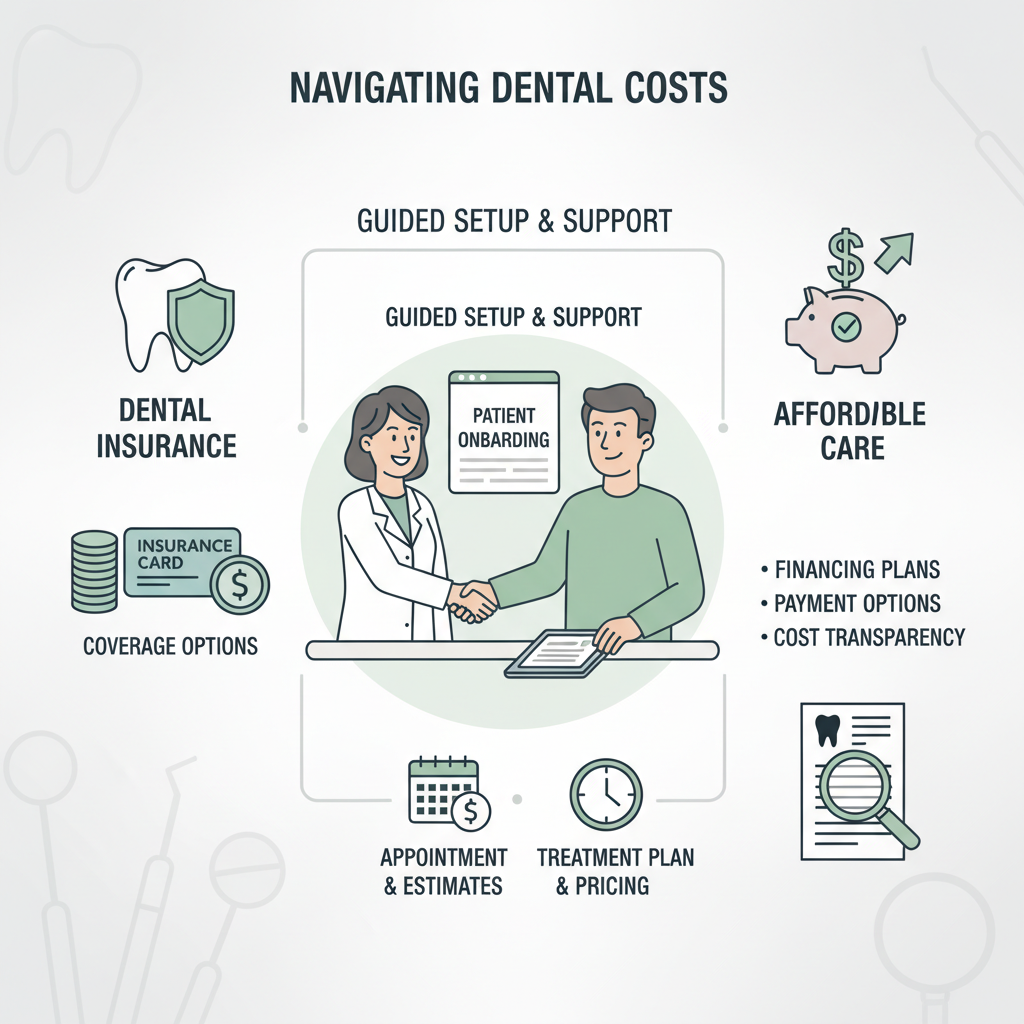
Calling an office or completing an online request for an appointment is a key moment to clarify insurance, pricing, and onboarding. This is where you can quickly see whether a practice really offers patient centered, insurance accepted dentistry.
Confirm insurance acceptance and verification
When you speak with the front desk or submit a form, it helps to be specific. You might ask:
- Do you accept my exact plan, not just the carrier name
- Are you in network for my plan or will you be considered out of network
- Can you verify my insurance benefits before my visit
An office that provides dedicated insurance verification dentist support will usually ask for your member ID, date of birth, and insurance carrier in advance. This allows the team to confirm your eligibility, remaining benefits, and any waiting periods or exclusions before treatment, so you are not surprised later.
Discuss cost transparency and estimates
Affordability is about more than just insurance. It is also about how clearly a practice explains fees, copays, and any remaining balances.
When you schedule your visit, you may want to ask:
- Can you provide a detailed treatment estimate before I commit to care
- How do you handle situations if my insurance pays less than expected
- Do you offer written or digital transparent dental pricing for common services
Most offices can give you a range for preventive visits and more specific pre treatment estimates for procedures like fillings, crowns, and root canals once a dentist has completed an exam. Practices that are comfortable discussing the cost of dental services openly tend to make it easier for you to plan and avoid financial surprises.
Evaluate affordability beyond insurance
Insurance is one piece of the affordability puzzle. The right practice will help you combine your benefits with flexible payment options so you can receive needed care without delaying treatment.
Explore financing and payment plans
Even with good coverage, you may face out of pocket costs, especially for major or elective treatments. Ask each office:
- Which payment methods do you accept
- Do you offer in house payment arrangements for larger treatment plans
- Do you partner with third party lenders or provide dental financing options
Some practices provide structured dental payment plans charlotte that break costs into manageable monthly amounts. This can be especially useful if you want to complete comprehensive care within a specific time frame while staying within your budget.
Look for new patient promotions
Many offices provide introductory pricing or bundled services for first time visitors. These offers can reduce the cost of your initial exam and cleaning and give you a chance to experience the practice.
You can ask if the office has any dental office new patient special that includes an exam, necessary X rays, and sometimes a cleaning or whitening offer. While promotions should not be your only decision factor, they can make it easier to get started and learn more about your oral health status before committing to a longer treatment plan.
Make the most of your first visit
After you have chosen a dentist, your first appointment is the foundation for your ongoing care. A practice focused on insurance accepted dentistry will use this visit to align your treatment, your benefits, and your financial comfort level.
Prepare paperwork and benefits information
To keep onboarding smooth, you can:
- Complete new patient forms in advance if they are available online
- Bring your insurance card and a photo ID
- List all medications and relevant medical conditions
- Arrive a few minutes early for any remaining paperwork
Offices that are experienced with new patient dental charlotte visits will walk you through their process, confirm your benefits, and answer questions before you sit in the chair. If you have questions about how your plan works, this is a good time to revisit them with the front desk or treatment coordinator.
Use your consultation to understand your options
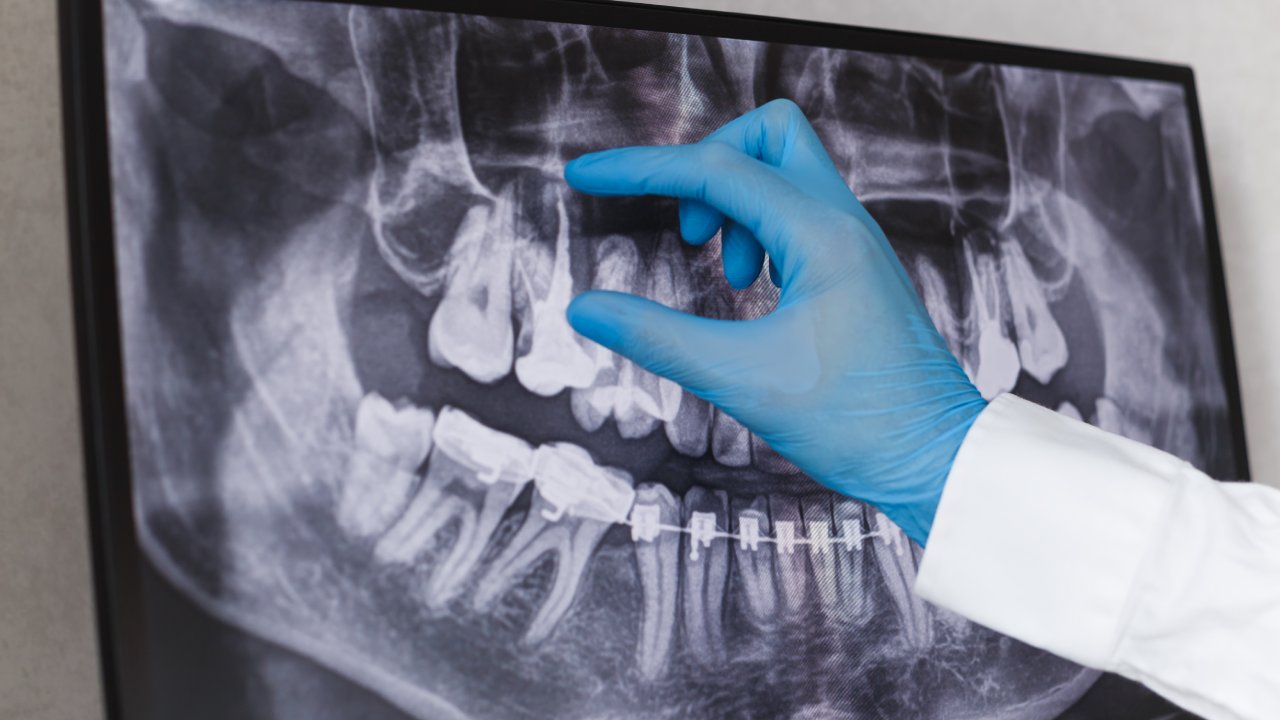
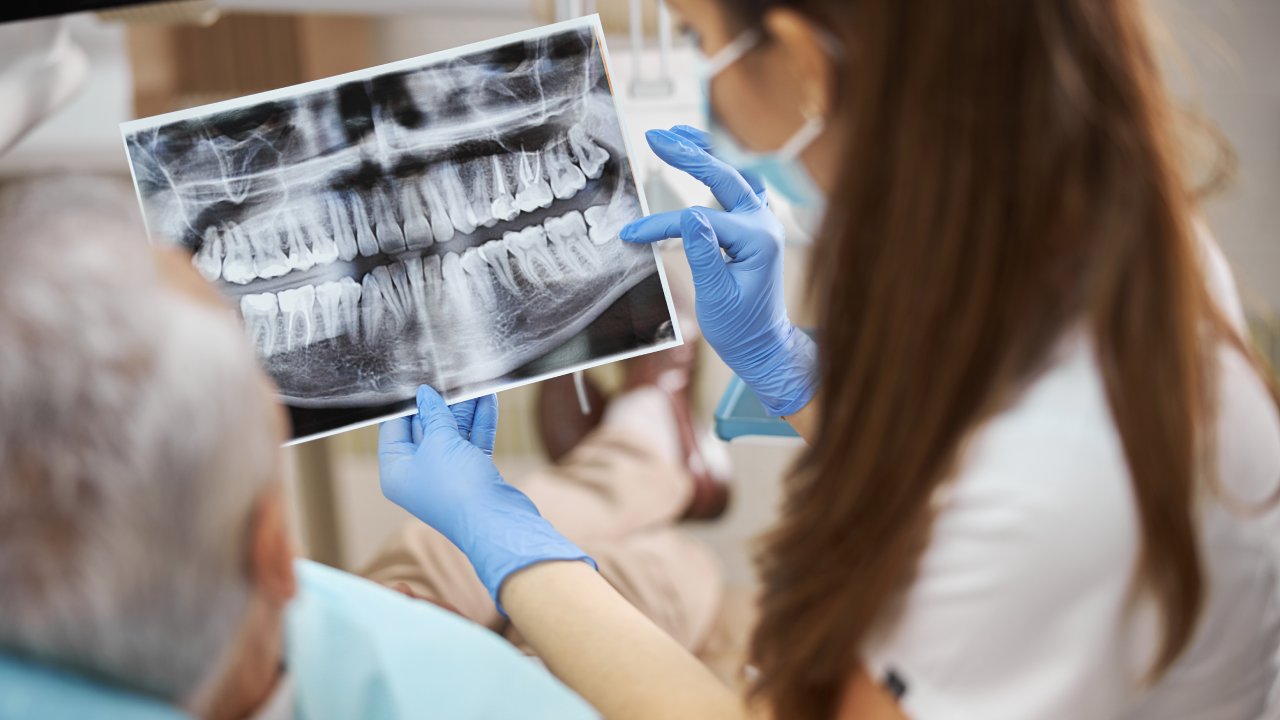
During your exam, the dentist will review your medical history, perform a clinical evaluation, and often take X rays. Afterward, you should receive a clear explanation of any findings and recommended care. This is where a structured treatment plan consultation is useful.
You can ask:
- Which treatments are urgent and which are optional or can be phased over time
- Which procedures are usually covered as preventive, basic, or major on most plans
- Whether there are alternatives that are more affordable and still clinically appropriate
Following your exam, a coordinator will typically provide a written estimate that shows the total fee, expected insurance benefit, and your estimated portion. Practices that offer transparent dental pricing will update this estimate if the insurer responds differently than expected, so you always know where you stand.
Use local resources when you are in Charlotte
If you live or work in Charlotte, you have access to a wide range of practices that welcome insured patients. Focusing your search on the right terms can save time.
You might begin with an insurance friendly dental practice that clearly lists the plans it works with and explains how it handles claims. If your priority is strictly minimizing costs with your current PPO or employer plan, narrowing your options to an in-network dentist charlotte is a practical approach.
When budgeting or comparing practices, consider requesting a customized dental consultation charlotte nc so you can review your oral health needs and any associated costs before deciding. Many offices offer a low cost or complimentary consultation if you are considering extensive treatment.
If you are just beginning care or have delayed visits, scheduling your first dental visit charlotte with a practice that emphasizes affordable dental care charlotte can help you re establish a preventive routine without excessive financial pressure.
Move from research to scheduling
Once you have identified a few practices that:
- Accept your specific plan
- Explain costs clearly
- Offer payment options if needed
- Provide convenient locations and hours
you are ready to set up an appointment. Many offices allow you to request a time online, but a phone call can be helpful the first time so you can confirm details in real time.
When you are ready, you can schedule dental appointment charlotte at a practice that matches your needs. During that call, you may want to:
- Provide your insurance details for verification
- Ask for an estimate for your initial visit
- Confirm any new patient specials that apply to you
Selecting a dentist accepting insurance charlotte who values affordability and clarity means you do not have to choose between your oral health and your budget. With the right questions and resources, you can find insurance accepted dentistry near you that supports both.