
Exploring dental prosthetic services
When you opt for a dental prosthetic service, you’re choosing a pathway to restore both function and aesthetics to your smile. A comprehensive service addresses decay, damage, and missing teeth through tailored repairs and replacements. Whether you need a crown after a root canal or full dentures, a dental prosthetic service ensures each solution fits your lifestyle, oral health needs, and budget.
By focusing on restorative dentistry, you can regain chewing efficiency, speech clarity, and self-confidence. Your provider will assess your oral condition, review treatment options, and design a plan that combines traditional craftsmanship with cutting-edge materials. From porcelain crowns to implant-supported dentures, each device works to mimic natural teeth in appearance and performance.
Types of prosthetic devices
Dental prosthetics fall into two broad categories based on how they attach and function in your mouth.
Fixed prostheses
- Crowns: Caps that cover damaged or decayed teeth, restoring shape and strength. Commonly crafted from porcelain or ceramic, crowns protect worn teeth and blend with your smile. For specialized options, explore our porcelain crown restoration.
- Bridges: Units that span gaps created by one or more missing teeth. Anchored to adjacent teeth or implants, bridges restore chewing surfaces and prevent shifting. Learn more about bridge & crown services.
- Implants: Titanium posts surgically placed in the jawbone that act as artificial roots. They support crowns, bridges, or dentures for a durable, natural-feeling solution. See our implant restoration charlotte offerings.
Removable prostheses
- Complete dentures: Full-arch replacements for all upper or lower teeth. Modern designs use nanohybrid composites and double cross-linked acrylics for superior strength, durability, and natural appearance [1].
- Partial dentures: Removable frameworks that replace multiple missing teeth, clasping onto your natural teeth for stability.
- Overdentures: Dentures that snap onto implants for added retention and bone preservation.
Benefits of prosthetic restoration
- Improved function: Restored chewing efficiency helps you enjoy a balanced diet and proper digestion.
- Enhanced aesthetics: Modern materials mimic tooth color, translucency, and texture, boosting your confidence.
- Oral health preservation: Prosthetics prevent surrounding teeth from shifting and help maintain jawbone integrity, reducing bone loss over time.
- Long-term value: With proper care, many devices last a decade or more, supporting your smile health and quality of life.
Choosing ideal prosthetic materials
Selecting the right material is key to achieving durability, comfort, and a natural look. Your dentist will guide you based on the location of the restoration, bite forces, aesthetic needs, and budget.
Nanohybrid composites and acrylics
Nanohybrid composites and double cross-linked acrylics represent the latest advances for dentures and prosthetic teeth. They offer:
- Exceptional fracture resistance
- Minimal wear under chewing forces
- Realistic translucency and shade matching
These materials accelerate lab processes while ensuring a snug fit and lifelike appearance [1].
Nanohybrid composites
Ideal for denture teeth, this resin blend combines strength and polishability. It resists staining and degradation in the oral environment.
Double cross-linked acrylics
Favored for full-arch dentures, cross linking enhances the acrylic’s structural integrity. You’ll notice fewer fractures and longer prosthesis longevity.
Metals and ceramics
For fixed restorations, your options include:
- Titanium and zirconia: Common for implant posts and abutments. Titanium offers proven biocompatibility, while tooth-colored zirconia provides added aesthetics for visible areas.
- Porcelain: Stacked over metal or zirconia substructures, porcelain crowns blend strength with a natural enamel-like finish.
- Resin-bonded ceramics: Used in veneers and certain crowns, these materials require less tooth reduction and offer excellent stain resistance.
Your dentist may recommend a hybrid approach, such as a zirconia core with a porcelain veneer, to balance durability and aesthetics.
Planning your restoration journey
A successful dental prosthetic service unfolds in distinct phases. Understanding each step helps set realistic expectations and ensures you’re fully informed.
Consultation and assessment
During your initial visit, you’ll discuss symptoms, restoration goals, and health history. Your provider will:
- Perform a comprehensive oral exam
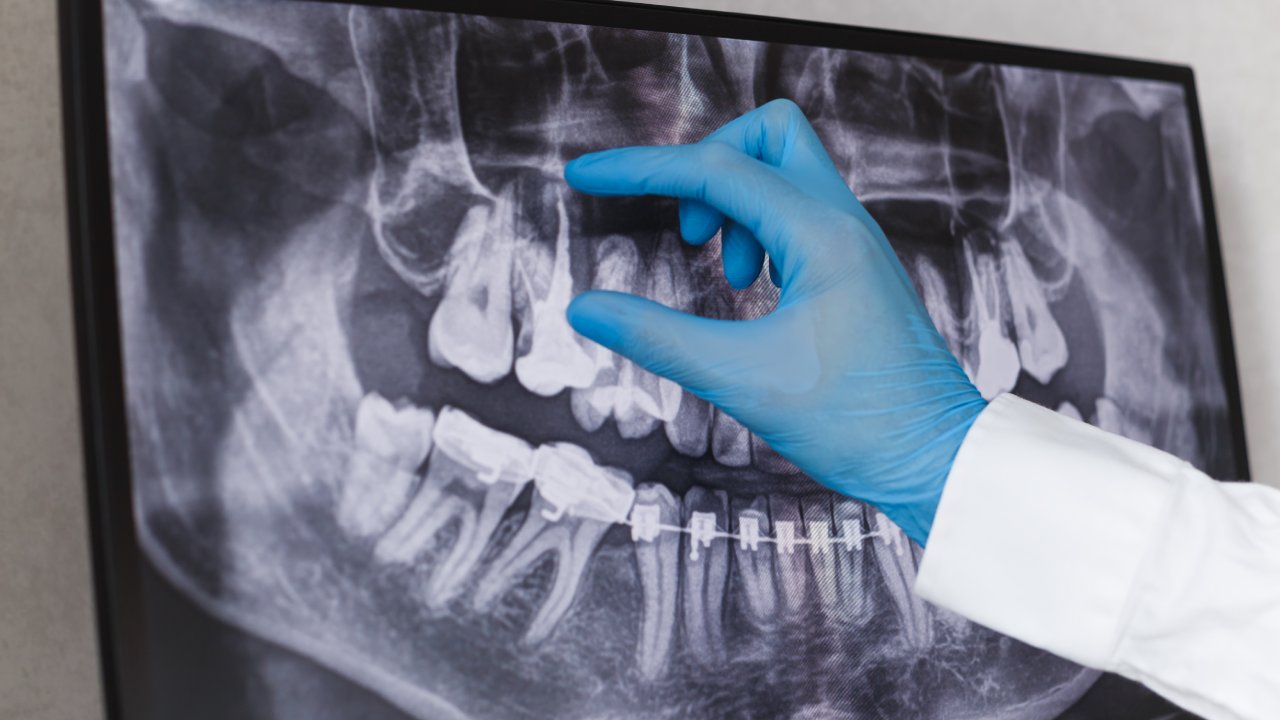
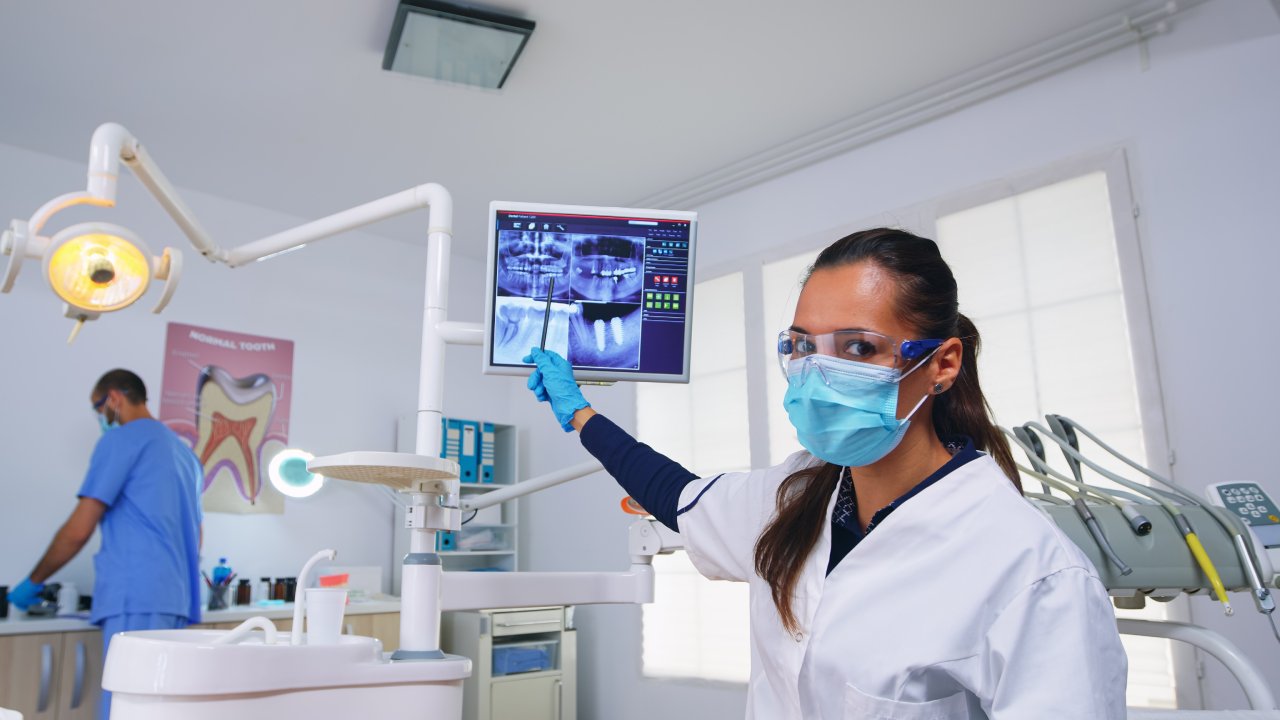
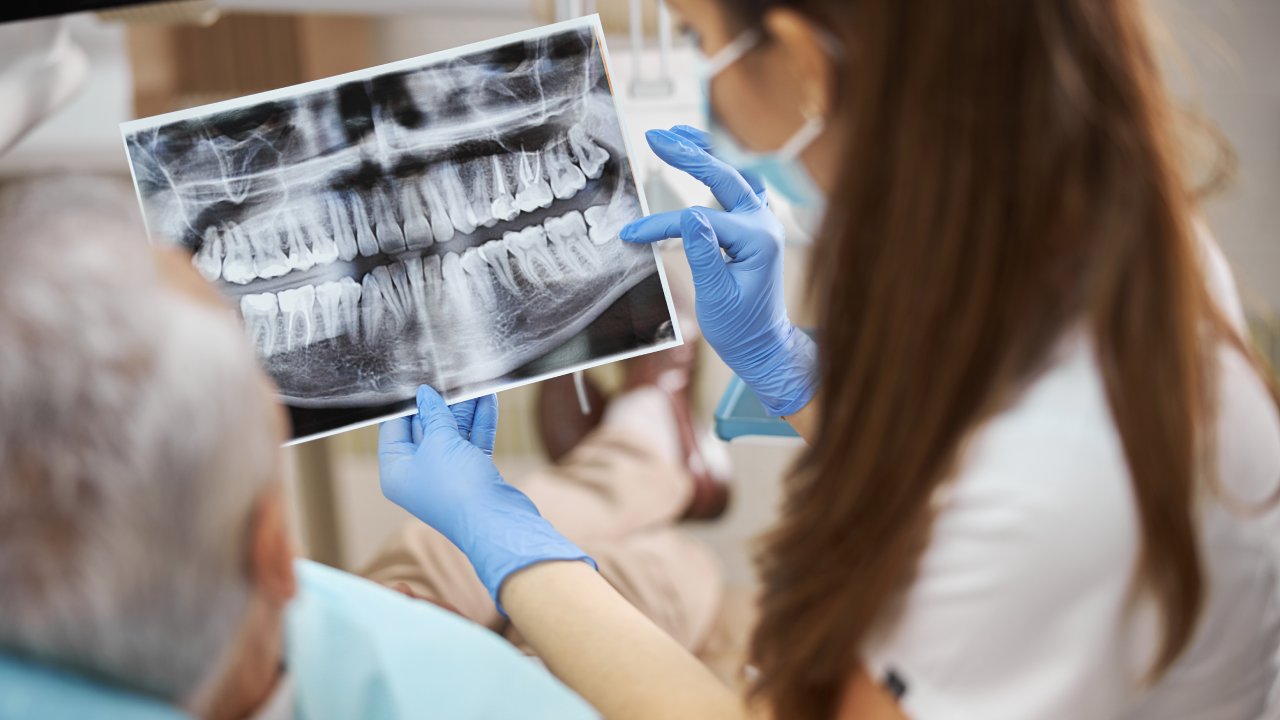
- Take digital X-rays or 3D scans
- Evaluate bone levels and gum health
- Discuss budget and insurance considerations
Based on this assessment, a customized treatment plan outlines recommended procedures and timelines.
Treatment planning and approval
Once the plan is drafted, you’ll review:
- Restoration types: Crowns, bridges, implants, dentures, or veneers.
- Material choices: Metal, ceramic, composite, or acrylic options.
- Cost estimates: Including lab fees, component fees, and professional charges.
- Insurance coverage: Your benefits may cover a percentage of restorative procedures; see our insurance covered restorations page for details.
After confirming acceptance, your dentist secures any required preauthorizations and schedules the next visits.
Impression and modeling
Accurate models ensure a precise fit. The process may involve:
- Digital scanning: A fast, comfortable way to capture your teeth and soft tissues.
- Traditional impressions: Using high-precision dental putty to create molds.
- Bite registrations: Recording how your upper and lower teeth align under natural chewing pressure.
These records guide the dental lab in fabricating your custom prosthesis.
Comparing restoration procedures
When you weigh repair and replacement options, consider durability, invasiveness, and cost. Two common comparisons are crowns versus bridges and implants versus dentures.
Crown vs bridge
A crown restores a single damaged tooth. A bridge replaces one or more missing teeth by anchoring to adjacent teeth or implants.
| Feature | Crown | Bridge |
|---|---|---|
| Indications | Worn, cracked, or decayed tooth | One to three adjacent missing teeth |
| Procedure | Two visits for preparation and fitting | Two to three visits for abutment prep and seating |
| Lifespan | 5–15 years [2] | 5–15 years [2] |
| Cost range | $500–$3,000 per tooth [3] | $500–$1,200 per pontic excluding crowns [3] |
| Insurance coverage | Often covered 50–80% | Often covered 50–80% |
| Maintenance | Standard brushing and flossing | Special floss threaders |
For detailed options, see our bridge replacement charlotte and porcelain crown restoration pages.
Implants vs dentures
Implants and dentures both address tooth loss, but function and commitment differ.
| Feature | Implant | Denture |
|---|---|---|
| Attachment | Titanium post in the jawbone | Suction or clasps on gums/teeth |
| Longevity | 10–30 years for post, crown 10–15 years [4] | 5–10 years for well-cared dentures [5] |
| Stability | Highest, feels like natural tooth | Moderate, may slip without adhesive |
| Maintenance | Routine cleaning and check-ups | Daily cleaning, soak overnight |
| Cost range | $1,600–$3,000 per implant plus $1,500–$3,000 for crown [3] | $452–$6,514 for full dentures [5] |
| Bone preservation | Promotes osseointegration | May accelerate jawbone resorption |
If you’re evaluating options, review our implant restoration charlotte and custom dentures charlotte services.
Managing treatment expectations
Understanding how long prosthetics last, what they cost, and potential risks helps you plan for a smooth treatment experience.
Longevity of prosthetics
- Dental crowns: 5–15 years with proper care.
- Bridges: 5–15 years, depending on oral hygiene and bite forces.
- Implants: Posts can last a lifetime; porcelain crowns may need replacement every 10–15 years [4].
- Dentures: 5–10 years before requiring relining, rebasing, or replacement [5].
- Veneers: Composite 5–7 years, porcelain 10–15 years [6].
Regular exams and cleanings extend these lifespans.
Cost and insurance coverage
Your out-of-pocket expenses vary by procedure and material. Here’s a typical range:
- Crowns: $500–$3,000 per tooth [3].
- Bridges: $500–$1,200 per pontic, plus crown costs [3].
- Implants: $1,600–$3,000 per implant plus $1,500–$3,000 for abutment and crown [3].
- Complete dentures: $452–$6,514 for premium sets [5].
Verify your benefits and explore insurance covered restorations to maximize coverage.
Risks and complications
- Sensitivity and discomfort: Temporary after placement or adjustments.
- Prosthesis failure: Fractures or loosening may require repair; consult our repair dental work charlotte service.
- Peri-implantitis: Infection around implants; managed with hygiene and professional care.
- Bone resorption: Denture wearers may need relines to maintain fit.
Discuss concerns with your provider to mitigate risks and ensure a successful outcome.
Maintaining your new smile
Careful upkeep preserves your investment and keeps your oral health at its best.
Daily hygiene and care
- Brush twice daily with a soft-bristled brush and nonabrasive toothpaste.
- Floss or use interdental cleaners around crowns, bridges, and implants.
- Remove removable dentures nightly, brush them gently, and soak in denture solution.
Professional follow-up
- Schedule dental check-ups every six months or as recommended.
- Have crowns, bridges, and dentures examined for wear or damage.
- Seek professional cleanings to remove plaque beneath prostheses and around implant posts.
Repair and emergency services
If you experience a chipped or broken prosthesis, don’t wait. Contact your provider for same-day solutions. We offer:
- Repair chipped tooth dentist for minor fractures
- Repair broken tooth charlotte for urgent fixes
- Emergency filling & repair when decay or trauma strikes
By following these guidelines, you’ll extend the lifespan of your dental prosthetics and enjoy a healthier, more confident smile. For any questions about restorative options or to schedule a consultation, reach out to your restorative dentistry clinic today.