
Understanding porcelain crown restoration
You rely on your smile every day, so when a tooth becomes weak, damaged, or cosmetically imperfect, porcelain crown restoration can protect it, restore function, and improve appearance. Porcelain crown restoration involves placing a custom-made cap over your natural tooth, sealing it from further decay and reinforcing its structure. In this guide, you’ll learn what porcelain crown restoration entails, why you might need it, and how it can bring back both strength and confidence to your smile.
What is porcelain crown restoration?
A dental crown procedure involves covering an existing tooth with a cap (crown) made from materials like porcelain, zirconia, gold alloy, or a combination of porcelain and metal [1]. Porcelain crowns mimic the translucency and color of natural tooth enamel, making them a popular choice for front teeth. Crowns help protect weak or broken teeth and can improve appearance, lasting many years with proper care.
Why you might need a crown
You may need a porcelain crown restoration if you have:
- A large cavity that cannot be filled by a standard filling
- A cracked, fractured, or worn tooth needing reinforcement [2]
- A tooth treated with root canal therapy requiring a protective cover [3]
- A missing tooth replaced by a bridge, where crowns anchor the prosthetic [4]
- A dental implant needing a natural-looking restoration [5]
- Cosmetic concerns such as discolored or misshapen teeth
By choosing porcelain crown restoration, you address both functional repair and aesthetic enhancement in one procedure.
Exploring crown materials
Not all crowns are created equal. Understanding material options helps you balance appearance, durability, and cost.
All-ceramic and porcelain crowns
All-ceramic or all-porcelain crowns provide the best natural shade match and are biocompatible for patients with metal allergies. These crowns mimic tooth enamel translucency more than any other type and work well on both front and back teeth. You can expect porcelain crowns to last five to 15 years with proper care [6]. High-quality front-tooth crowns may last up to 30 years or more [7].
Porcelain-fused-to-metal crowns
Porcelain-fused-to-metal (PFM) crowns combine a durable metal interior with a porcelain exterior for a balance of strength and aesthetics. They can wear down opposing enamel over time and the porcelain may chip, but they remain a reliable option for both front and back teeth [6].
Zirconia, gold, and other alloys
- Zirconia crowns: Extremely durable, gentle on opposing teeth, and can withstand heavy chewing forces
- Gold alloy crowns: Highly resistant to wear and corrosion, with a lifespan that can exceed 20 years [7]
- Metal crowns: Often used on molars where appearance is less critical, they offer exceptional strength and longevity
| Material | Appearance | Durability & lifespan | Considerations |
|---|---|---|---|
| All-ceramic/porcelain | Excellent natural match | 5–15 years, up to 30 years | May chip if forcefully chewed |
| Porcelain-fused-to-metal (PFM) | Good, slight metal line border | 10–15 years | Possible enamel wear, porcelain chipping |
| Zirconia | Good, opaque | 15+ years | Can be less translucent than porcelain |
| Gold alloy | Metallic | 20+ years, lifetime | Visible, usually for back teeth |
| Resin | Decent initial match | 3–5 years | Less durable, often used as temporary |
Preparing for crown restoration
A smooth crown experience begins with proper planning and preparation at a qualified restorative dentistry clinic.
Initial evaluation and planning
Your dentist or prosthodontist will:
- Review your oral health history
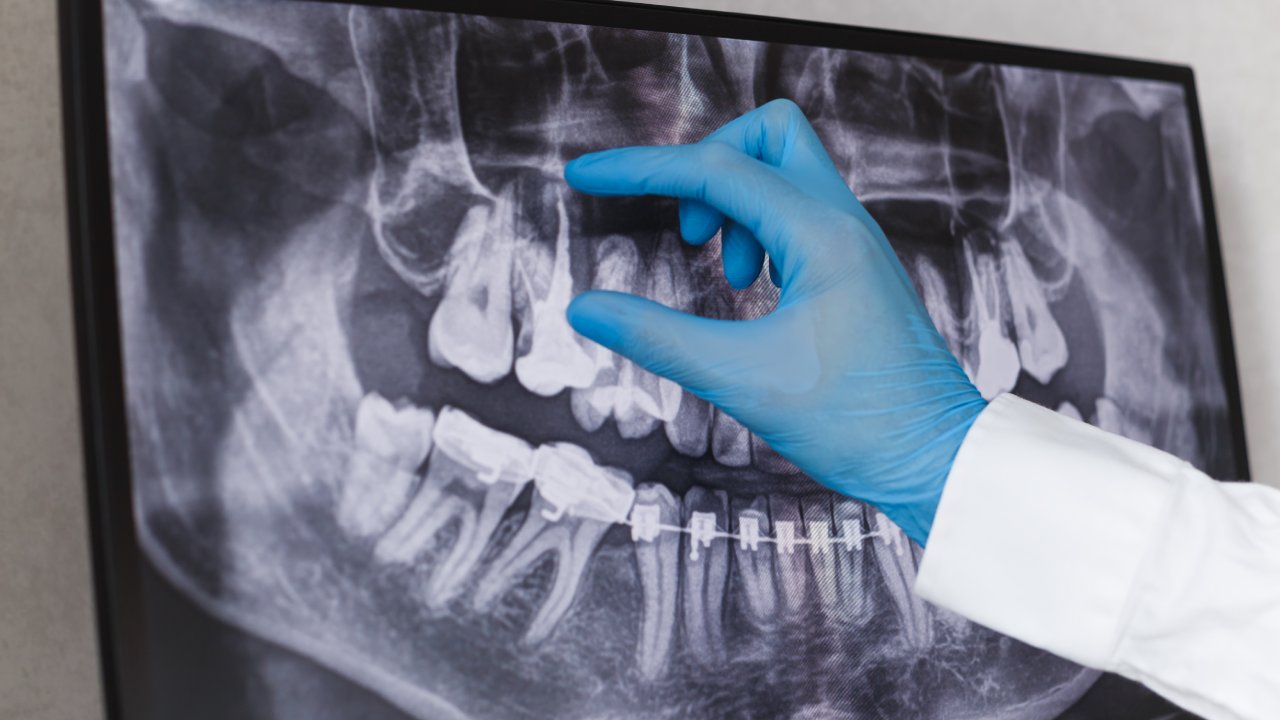
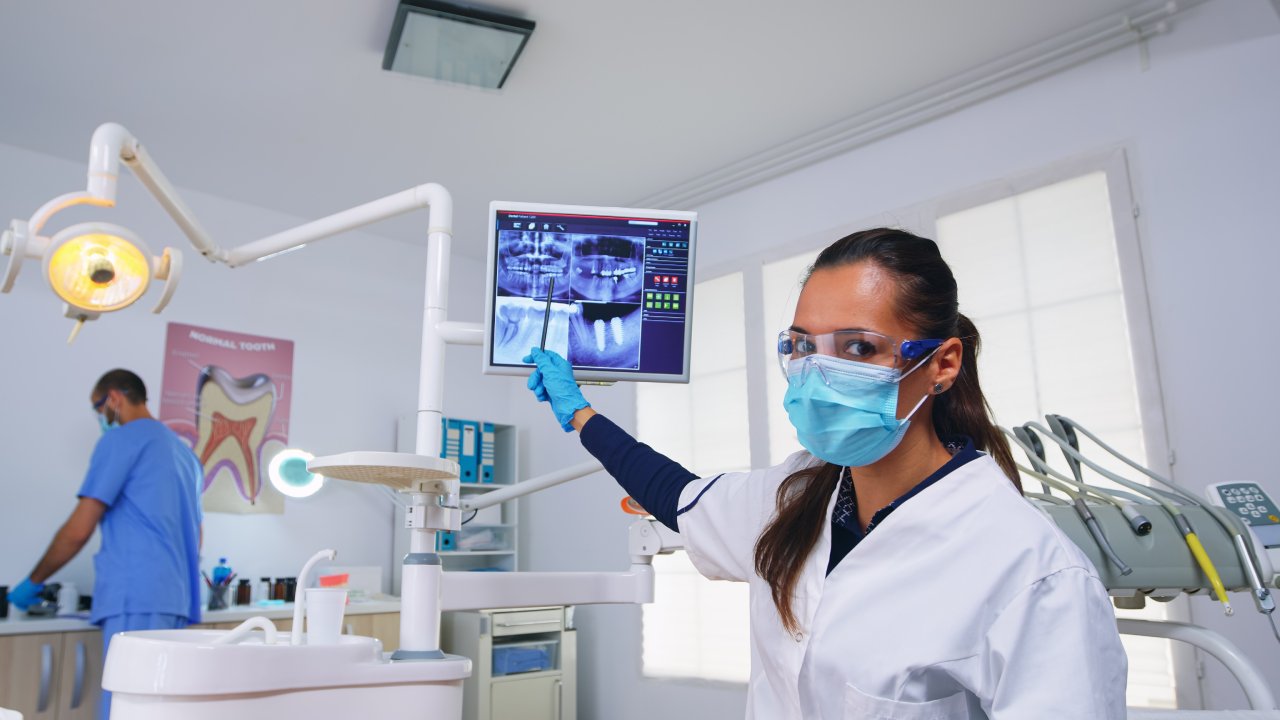
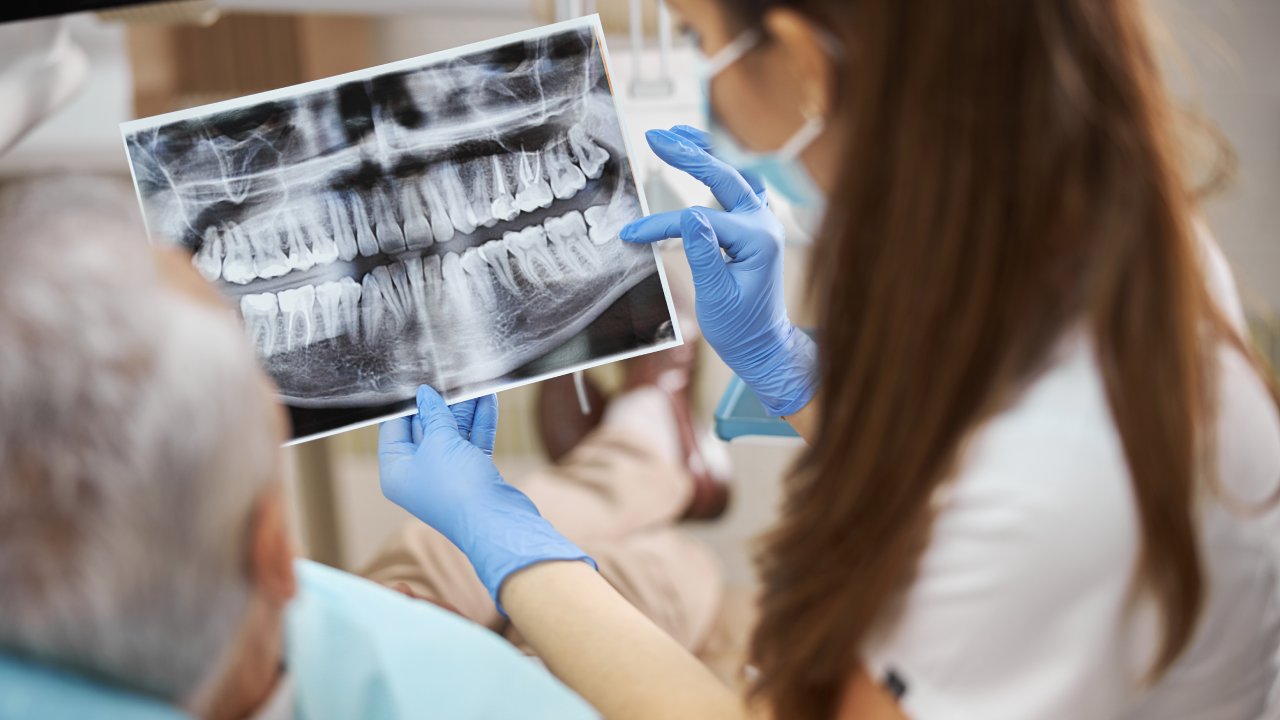
- Take X-rays to assess tooth roots and surrounding bone
- Discuss whether porcelain crown restoration is the best option or if you need alternative restorative dental procedures such as fillings or partial dentures
Tooth preparation and impressions
- Local anesthetic numbs the area, minimizing discomfort
- Your tooth is shaped by removing enamel to make room for the crown, which creates a risk of sensitivity due to loss of natural tooth structure [8]
- Impressions are taken digitally or with putty; some offices use CAD/CAM technology to craft same-day crowns
Temporary crowns and same-day options
If your practice uses CAD/CAM, you may receive a same-day crown without the need for a temporary. Otherwise, a temporary resin crown protects your tooth while the lab fabricates the final porcelain crown.
Completing the restoration procedure
Once your porcelain crown is ready, you’ll return for final placement.
Fitting your final crown
Your dentist will:
- Remove the temporary crown, if present
- Check fit, color, and shape of the porcelain crown
- Make minor adjustments to ensure proper contact with adjacent teeth
Adjusting bite and cementation
After confirming the crown’s fit:
- Your dentist will adjust your bite so chewing feels natural
- The crown is permanently cemented onto your prepared tooth
- Excess cement is cleaned away to protect your gum health
After the appointment
You may experience mild sensitivity or pressure for a few days. Stick to soft foods until any numbness wears off, and follow any recommendations for pain relief or mouth rinses.
Evaluating cost and coverage
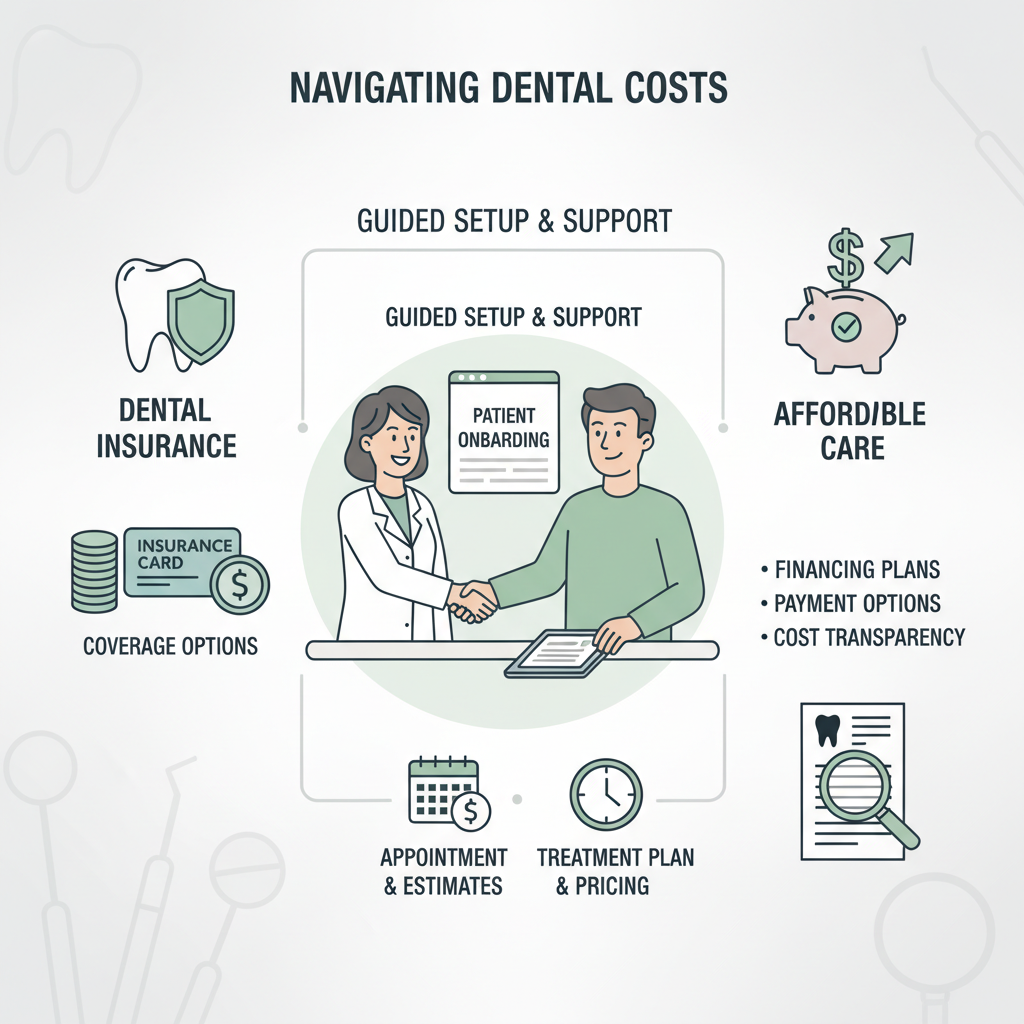
Understanding cost factors and insurance details helps you plan financially for porcelain crown restoration.
Price ranges by crown type
- Porcelain crowns: $697–$1,399 per tooth [9]
- Porcelain-fused-to-metal crowns: $800–$1,400 per tooth [10]
- Gold alloy crowns: Often $1,300+ per tooth, depending on market value of metals
Insurance and financing options
Coverage varies based on the reason for treatment:
- Restorative crowns placed to repair decay or damage usually receive partial coverage [11]
- Cosmetic crowns intended purely for appearance may not be covered
- Your plan may pay around $400 toward a porcelain crown, averaging $900 with insurance and $1,300 without [10]
If cost is a concern, ask about payment plans, CareCredit financing, or in-office specials.
Maintaining your porcelain crown
Longevity depends on how well you care for your restoration and overall oral health.
Daily oral hygiene
- Brush twice a day with fluoride toothpaste
- Floss daily, cleaning under the crown margin to prevent decay
- Use an antimicrobial mouthwash if recommended
Diet and lifestyle tips
- Avoid chewing ice, hard candy, or using teeth to open packages
- Limit highly pigmented foods and beverages; porcelain is stain-resistant but edges can discolor over time [12]
- Wear a night guard if you grind your teeth
Scheduling check-ups
Visit your dentist every six months for exams and cleanings. If you notice looseness, chips, or discomfort, contact your provider promptly [13].
Answering common questions
Does getting a crown hurt?
Your dentist uses local anesthesia so you shouldn’t feel pain during preparation or placement. You may feel pressure or mild soreness afterward.
How long will my crown last?
Porcelain crowns typically last five to 15 years, with high-quality front crowns lasting up to 30 years or more when maintained well [7].
Can I whiten a porcelain crown?
No, porcelain does not respond to whitening agents. If your natural teeth become lighter, you may need a new crown to match the shade.
What happens if a crown breaks?
If your crown chips or fractures, avoid chewing on that side and call for an emergency appointment [14]. Your dentist can often repair minor damage or replace the crown.
Porcelain crown restoration offers a durable, natural-looking solution for many dental concerns. By understanding material options, the procedure steps, costs, and maintenance needs, you can make informed decisions alongside your dental team. Whether you need a single crown after a root canal, support for a bridge, or a cosmetic upgrade, porcelain crowns can help restore both function and confidence to your smile.
References
- (Healthdirect)
- (repair broken tooth charlotte)
- (root canal therapy charlotte)
- (bridge & crown services)
- (implant restoration charlotte)
- (Cleveland Clinic)
- (Carolina Smiles Family Dentistry)
- (Austin Primary Dental)
- (CareCredit)
- (Finest Dentistry)
- (insurance covered restorations)
- (Albee Family Dental)
- (repair dental work charlotte)
- (emergency filling & repair, repair chipped tooth dentist)