
Your smile plays a critical role in how you speak, eat, and connect with others. If you’re facing widespread dental issues—such as missing, decayed, or damaged teeth—full mouth rehabilitation Charlotte offers a comprehensive way to restore both function and appearance. Also known as full mouth reconstruction or full mouth restoration, this tailored approach uses a mix of general, cosmetic, and restorative dental treatments to rebuild your bite, strengthen your smile, and boost your confidence. In this article, you’ll discover what full mouth rehabilitation entails, how to know if you’re a candidate, and what to expect at every stage of your journey.
Understand full mouth rehabilitation
Definition and scope
Full mouth rehabilitation typically involves a combination of dental procedures—crowns, bridges, veneers, root canal therapy, implants, and sometimes orthodontics—to address complex oral health issues simultaneously. By integrating cosmetic and functional treatments, you achieve a balanced outcome where aesthetics align with chewing comfort and jaw health [1].
Benefits for patients
Undergoing full mouth rehabilitation can transform not only your smile but also your daily life. Key benefits include:
- Restored chewing efficiency and speech clarity
- Repair of decayed, cracked, or missing teeth
- Improved jaw alignment and relief from TMJ discomfort
- Enhanced smile aesthetics, boosting self-esteem
- Prevention of future dental complications by reinforcing oral structures
More than 120 million Americans have at least one missing tooth, and 36 million have none, underscoring the impact of tooth loss on health and quality of life [2]. Full mouth rehabilitation acts like a reset button for your oral health, addressing urgent problems first and building a durable, beautiful smile over time.
Assess your candidacy
Common indicators
You may be an ideal candidate if you experience any of the following:
- Multiple missing or severely decayed teeth
- Chronic pain from TMJ issues or bite misalignment
- Widespread tooth wear, cracks, or fractures
- Advanced gum disease or bone loss
- Functional challenges with chewing, speaking, or breathing
Clinical evaluation
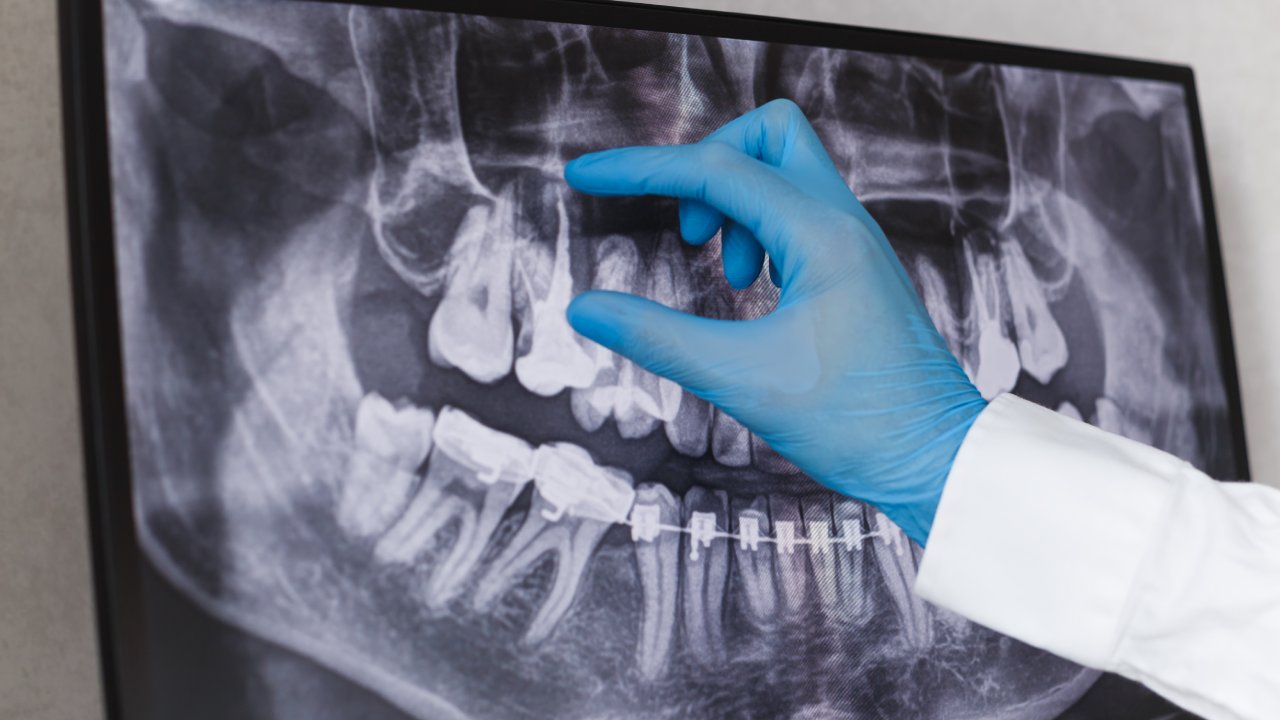
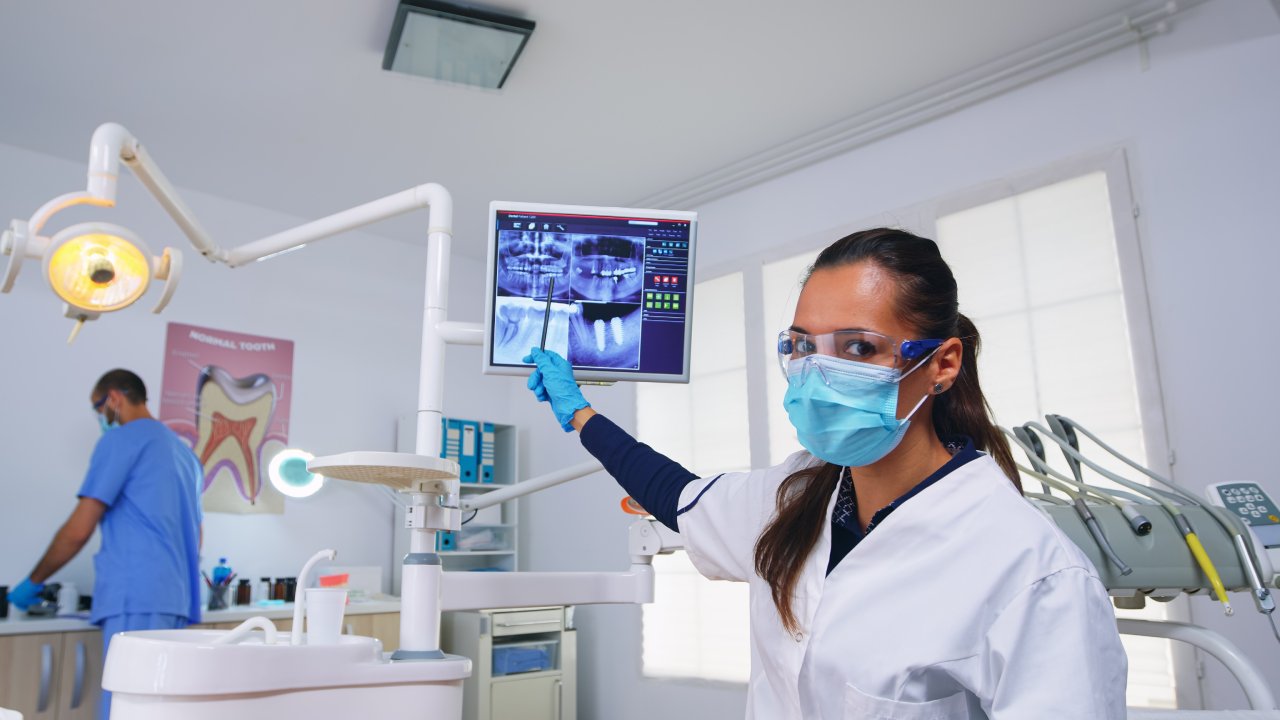
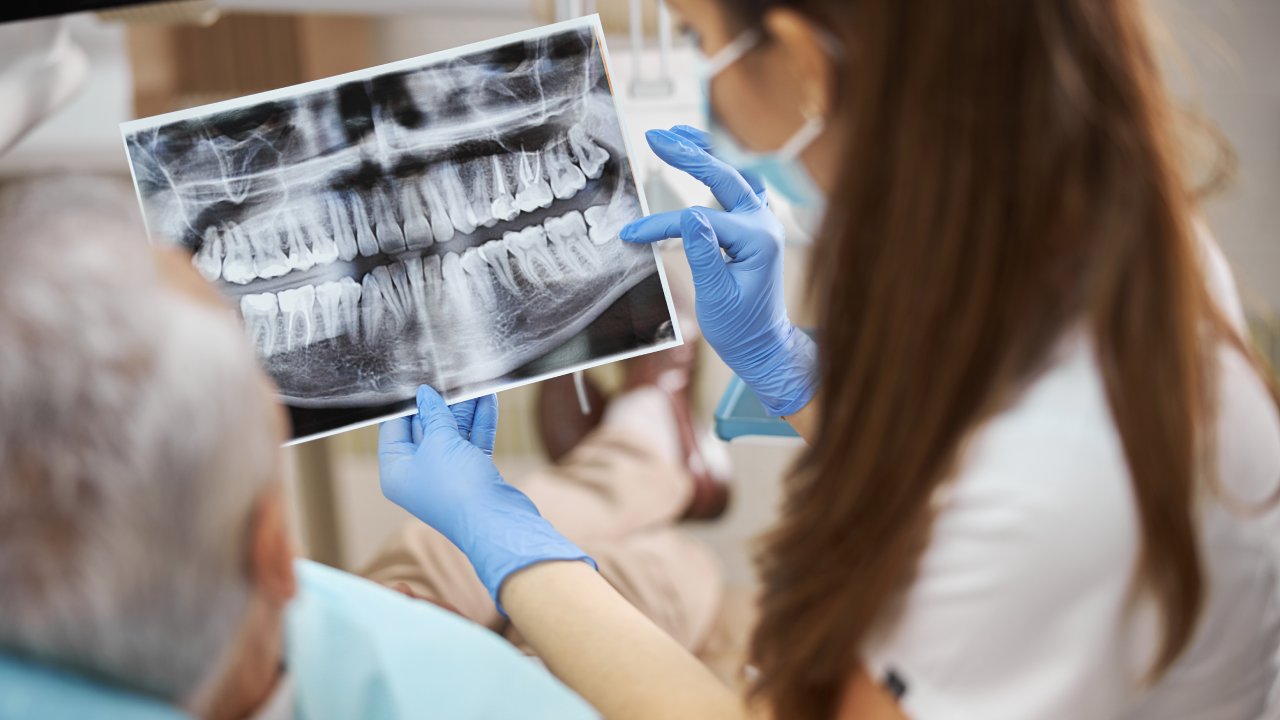
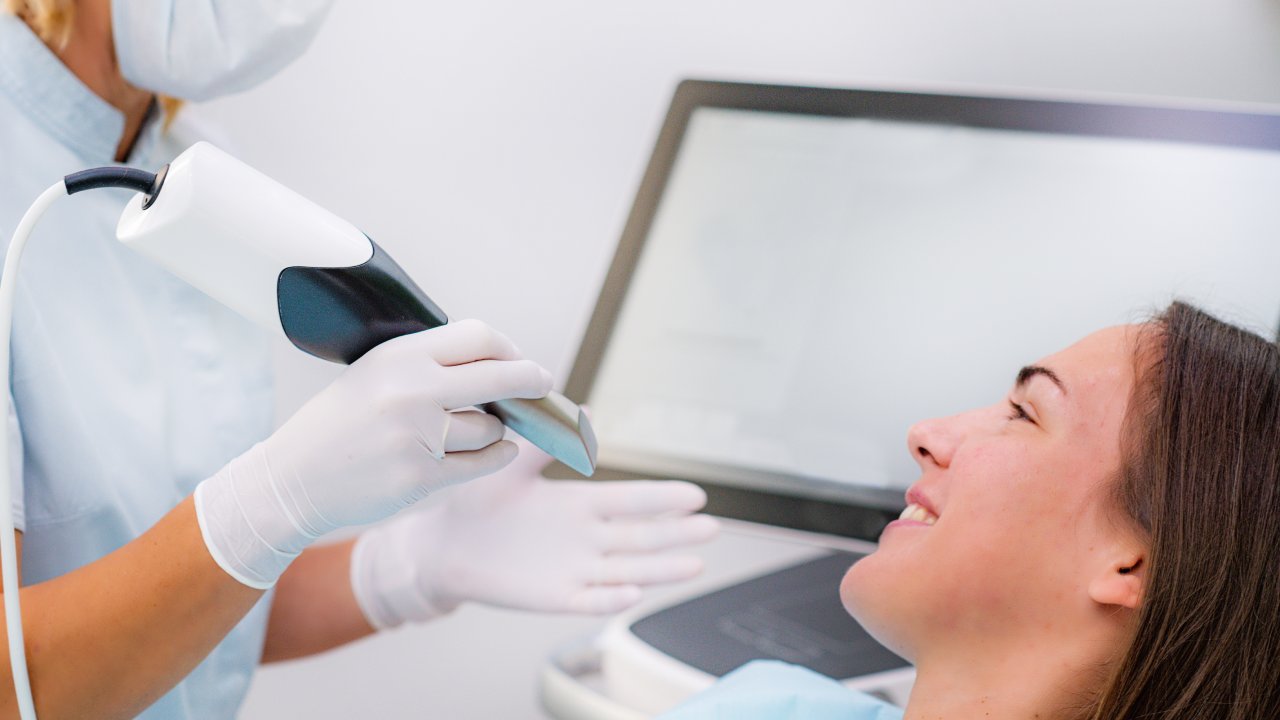
Your restorative dentistry team will perform a thorough assessment of your teeth, gums, jaw bones, muscles, and bite mechanics. This often includes advanced digital imaging and 3D scans to map tooth structure, gum health, and jaw alignment [3]. Based on these findings, your dentist creates a bespoke treatment plan that sequences procedures for maximum efficiency and comfort.
Evaluate restorative procedures
Restorative treatments
Your full mouth plan may incorporate:
- Dental crowns to cap and protect weakened teeth [4]
- Bridges to replace one or more missing teeth [5]
- Root canal therapy to remove infection and relieve pain [6]
- Tooth fillings for small to moderate decay [7]
- Repairs for chips and breaks [8]
Prosthetic options
When several teeth need replacement, prosthetics restore form and function:
- Dental implants for permanent tooth replacement [9]
- Custom dentures for full-arch rehabilitation [10]
- Partial dentures and flippers as interim solutions
Combining modalities
Most full mouth cases blend multiple procedures. You might start with extractions and implants, then move to crowns or veneers for a uniform appearance. In some cases, orthodontics (Invisalign) aligns teeth before final restorations. By coordinating treatments, your dentist ensures healthy foundations before adding cosmetic refinements.
Procedure comparison table
| Procedure | Purpose | Description |
|---|---|---|
| Crowns | Protect and strengthen damaged teeth | Caps that restore shape and function |
| Bridges | Replace adjacent missing teeth | Prosthetic teeth anchored to crowns |
| Implants | Permanent tooth replacement | Titanium posts fused to bone |
| Veneers | Improve tooth shape and color | Thin porcelain shells bonded to front surfaces |
| Dentures | Full-arch tooth replacement | Removable or fixed prosthesis for all teeth |
| Root canal | Remove infection inside teeth | Cleans and seals nerve chamber |
| Orthodontics (Invisalign) | Correct misalignment | Clear aligners that shift teeth gradually |
Plan your treatment timeline
Initial consultation
Your journey begins with an in-depth consultation where you discuss goals, budget, and medical history. Imaging and impressions help your dentist refine the phased treatment plan.
Sequencing phases
- Urgent care: Address infections or acute pain with emergency filling & repair or root canal therapy.
- Foundation work: Place implants and treat gum disease to stabilize your bite.
- Restorative phase: Fit crowns, bridges, and veneers for function and aesthetics.
- Final refinements: Teeth whitening, minor adjustments, and occlusion checks.
Typical duration
Full mouth rehabilitation can span several months to over a year, depending on case complexity and healing times [2]. Your dentist will outline milestone appointments so you know what to expect at each stage.
Manage recovery and maintenance
Post-procedure care
After major procedures, you may experience mild discomfort managed with over-the-counter pain relievers. Soft foods and cold compresses help reduce swelling. If you have implants or grafts, follow your dentist’s instructions on diet and activity restrictions.
Home hygiene tips
- Brush twice daily with a soft-bristle toothbrush
- Floss gently around restorations to prevent plaque buildup
- Use antimicrobial or fluoride rinses as recommended
- Avoid hard, sticky, or highly acidic foods for several weeks
Ongoing monitoring
Regular check-ups and cleanings are vital to protect your investment. Your dentist may use digital scans to track fit and wear over time. Many practices offer insurance covered restorations or maintenance plans to make follow-up care affordable.
Choose your Charlotte provider
Qualifications to look for
Select a practice that specializes in comprehensive restorative dentistry. Look for board-certified dentists with extensive full mouth reconstruction experience. For example, Dr Edwin Porter at Charlotte Dental Arts brings over 25 years of expertise in functional and cosmetic rehabilitation [3].
Financing and insurance
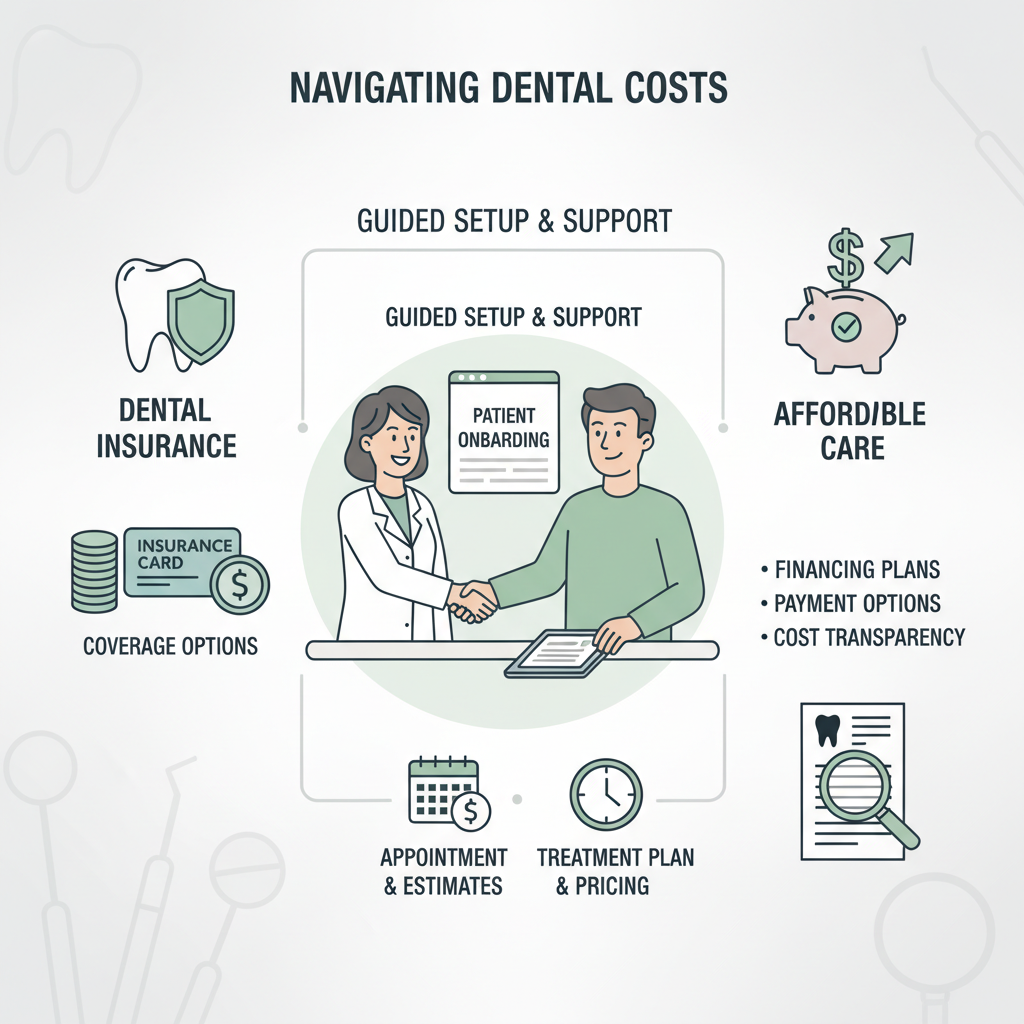
Full mouth rehabilitation is a significant investment. Inquire about flexible payment plans, third-party financing, and partnerships with insurance providers. Confirm coverage for implants, crowns, and related procedures through insurance covered restorations.
Interviewing your dentist
Before committing, ask your prospective provider:
- Can you share before-and-after photos of similar cases?
- What digital technologies do you use for planning?
- Which sedation or anesthesia options are available?
- How do you coordinate multiple specialists (periodontist, oral surgeon)?
Conclusion
Full mouth rehabilitation in Charlotte can restore your oral health, enhance your smile, and improve your overall well-being. By understanding the treatment scope, evaluating your needs, and choosing a qualified provider, you set the stage for a life-changing transformation. Schedule a consultation today to explore how full mouth rehabilitation Charlotte can help you achieve the smile and confidence you deserve.
References
- (CCCID)
- (Landmark Dentistry)
- (Charlotte Dental Arts)
- (dental crown placement charlotte)
- (bridge replacement charlotte, bridge & crown services)
- (root canal therapy charlotte)
- (tooth filling repair dentist)
- (repair chipped tooth dentist, repair broken tooth charlotte)
- (implant restoration charlotte)
- (custom dentures charlotte)