
If you are preparing for dental crown placement in Charlotte, you may be feeling both anxious and eager to restore your smile. Whether you need to repair a cracked tooth, protect a weak filling, or improve your tooth’s shape and appearance, dental crowns offer a durable solution. Dental crown placement charlotte is a common restorative dentistry procedure designed to cap damaged or decayed teeth with a custom-made cover that blends function and aesthetics. In this article, you will learn what to expect at each stage of the process, how to prepare, and how to care for your new crown so you can enjoy a healthy, confident smile.
Understand dental crowns
What is a dental crown
A dental crown is a custom-made cap that covers a damaged tooth from the gum line up. It serves three main purposes:
- Protect weak teeth from further decay or fracture
- Restore the shape, size, and strength of a tooth
- Improve the appearance of discolored or misshapen teeth
Crowns are a cornerstone of restorative dental procedures because they combine durability and natural aesthetics to preserve healthy tooth structure and support long-term oral health.
Why you need a crown
Your dentist may recommend a crown if you have any of the following issues:
- Extensive tooth decay that weakened the enamel
- A large filling that compromised the remaining tooth structure
- A fracture or crack that puts the tooth at risk of breaking
- A discolored or misshapen tooth affecting your smile
- A tooth that has undergone root canal therapy and needs reinforcement
If you’re dealing with a sudden chip or break, consider emergency filling & repair to stabilize the tooth before final crown placement. For severe damage where crown placement alone is insufficient, learn about options to repair broken tooth in Charlotte.
Types of crown materials
Dental crowns come in various materials, each with its advantages and drawbacks. Below is a comparison to help you understand which option may suit your needs:
| Material | Durability | Appearance | Enamel removal needed | Cost range |
|---|---|---|---|---|
| Metal | Highly durable | Metallic color | Minimal | Low to moderate |
| PFM (porcelain-fused) | Durable | Natural look | Moderate | Moderate |
| Pressed ceramic | Good | Natural look | Moderate | Moderate |
| All-ceramic/porcelain | Good | Best natural | Moderate | Moderate to high |
| Zirconia | Very durable | Good | Moderate | Moderate to high |
| Resin | Low durability | Fair | Moderate | Low |
Porcelain crowns are preferred in Charlotte for their durability and lifelike appearance despite higher costs [1]. Metal crowns, made from gold, palladium, nickel, or chromium, require less enamel removal and rarely fracture [2]. If you value strength and aesthetics, zirconia crowns offer a balance by reducing wear on opposing teeth while resisting heavy forces.
Crowns can last between five and 15 years with proper care [2], potentially extending to 30 years in ideal cases.
Prepare for your appointment
Initial evaluation
Before your crown placement, you will have a detailed evaluation. Your dentist will:
- Review your medical and dental history
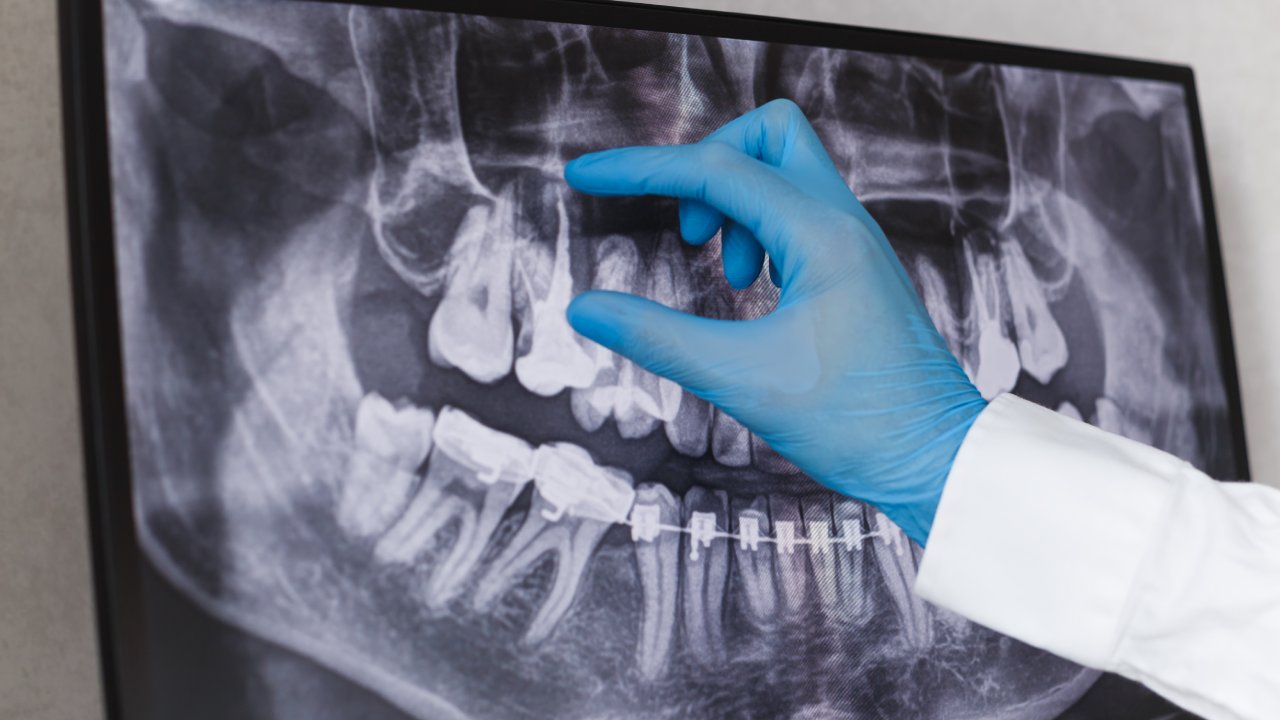
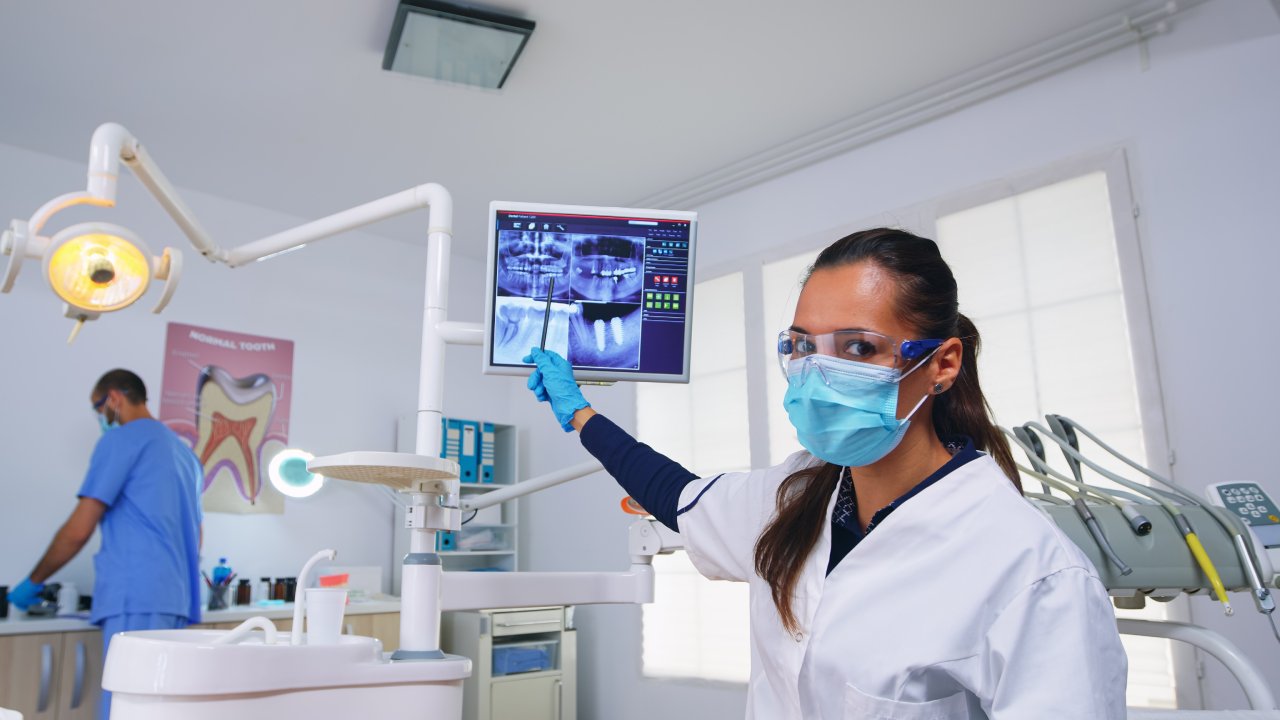
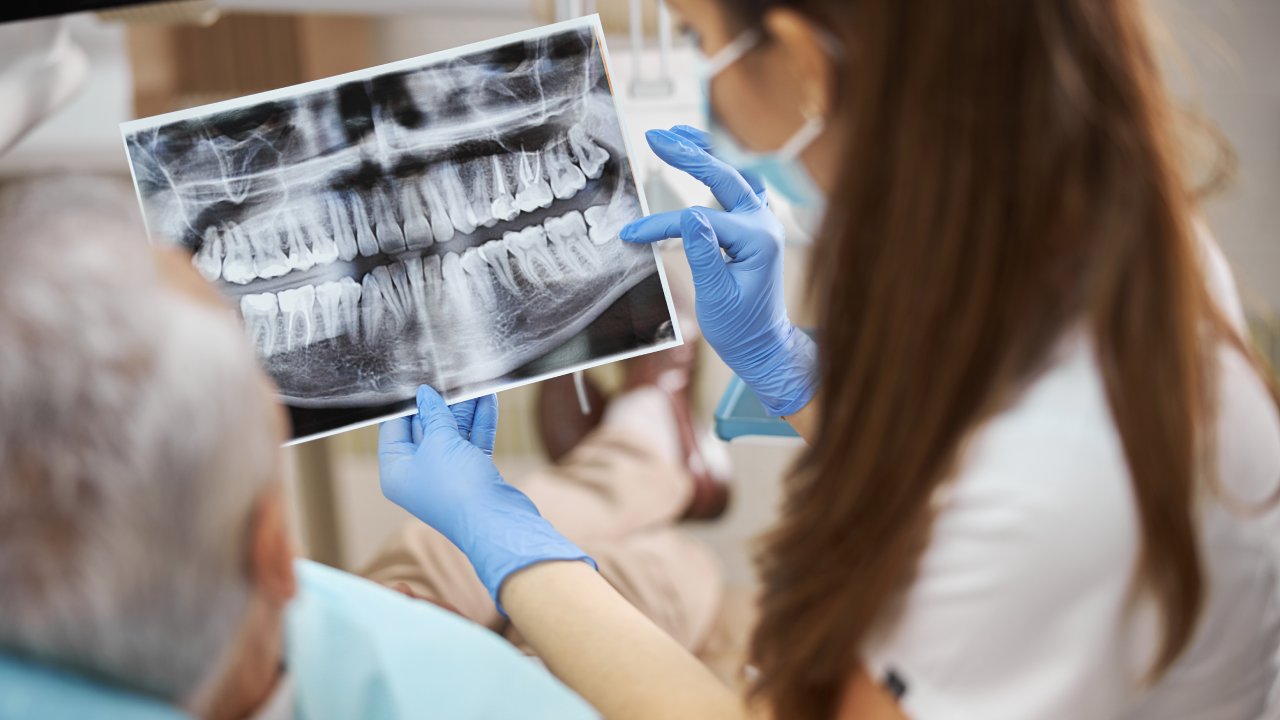
- Take diagnostic x-rays to assess the root and surrounding bone
- Examine the tooth structure and discuss whether you need root canal therapy in Charlotte
- Plan the ideal crown material and design based on tooth location and function
Open communication during this visit ensures you understand each step and helps address any concerns before the procedure.
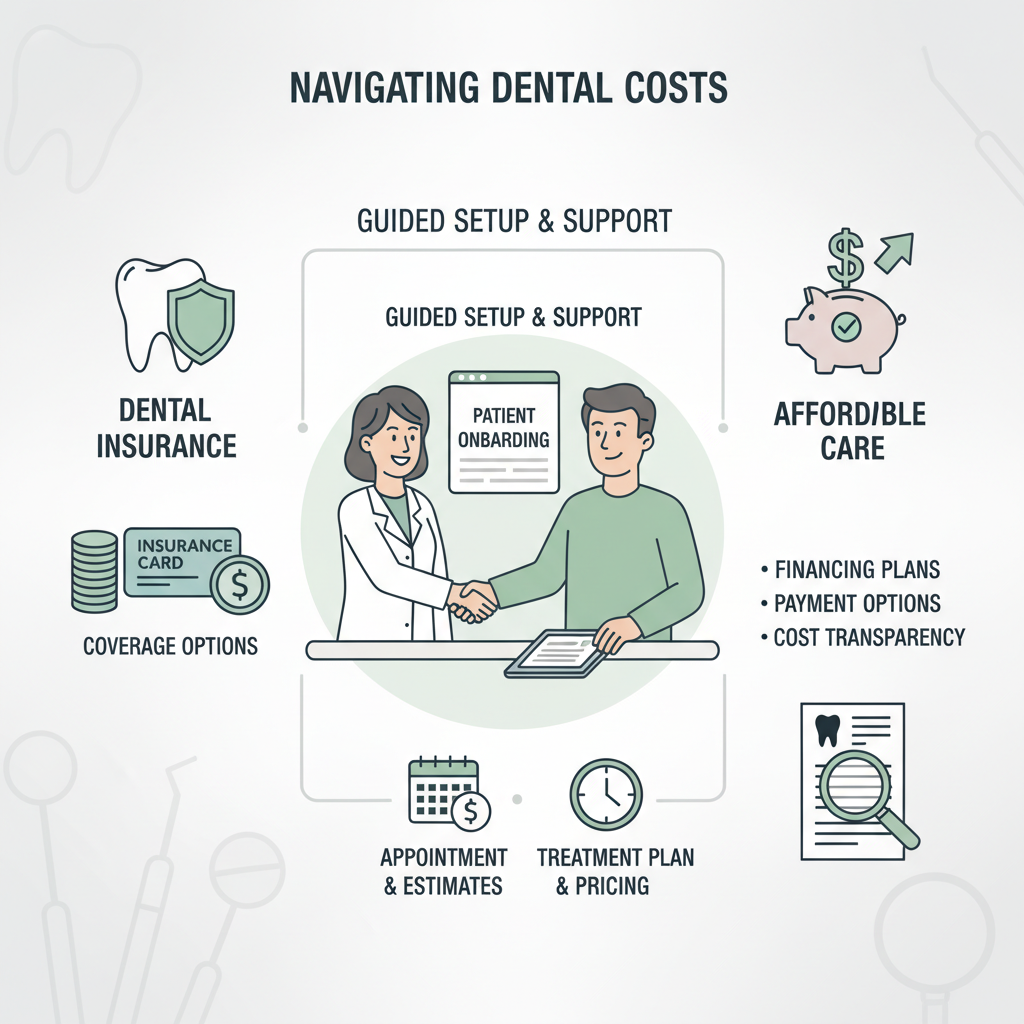
Insurance and financing
Dental insurance plans often cover a significant portion of a crown if it is deemed medically necessary, though cosmetic crowns may incur higher out-of-pocket costs. To maximize coverage:
- Verify your plan’s crown benefits and deductibles
- Confirm any waiting periods or annual caps
- Discuss preauthorization with your dentist
If you need help with copays or uncovered balances, many practices offer payment plans, third-party financing, or in-house memberships. Learn about your options at insurance covered restorations.
Pre procedure instructions
In the days leading up to your appointment:
- Maintain regular brushing and flossing to reduce infection risk
- Avoid sugary or acidic foods that can aggravate decay
- Follow any antibiotic or antimicrobial rinses if prescribed
- Plan for sedation or transportation if you receive oral sedatives
On the day of your procedure, you may receive local anesthetic to numb the area and ensure comfort [3]. Discuss any medications you take to prevent interactions and ensure a smooth experience.
Experience the placement
Tooth preparation
Once you are comfortable, your dentist will prepare the tooth:
- Administer local anesthetic to numb the tooth and surrounding tissues
- Remove a thin layer of enamel to create room for the crown
- Shape the tooth to form a stable base for the restoration
This careful preparation protects the underlying tooth while allowing the crown to fit securely.
Digital scanning and impressions
After shaping, your dentist will capture the exact dimensions of your prepared tooth:
- Traditional impressions use putty-like material to form molds
- Digital scanning provides precise 3D models of your teeth with remarkable accuracy [4]
Digital techniques often feel more comfortable and streamline the lab process, reducing turnaround time.
Temporary crown placement
While your permanent crown is fabricated, a temporary crown:
- Protects your prepared tooth from sensitivity and damage
- Maintains proper spacing and bite alignment
- Helps you test the shape, size, and feel
Temporaries are usually made of acrylic or composite and last until your final crown is ready, typically a few weeks later.
Explore same-day crowns
CAD CAM technology benefits
Same-day crowns leverage Chairside Economical Restoration of Esthetic Ceramics (CEREC) and other CAD CAM systems to design and mill your crown in a single visit. Benefits include:
- No need for a temporary crown
- Fewer appointments and less time off work
- Reduced risk of impression errors
- Immediate smile restoration
These systems can produce custom crowns in minutes, enhancing convenience and efficiency [2].
Candidate suitability
Not every case qualifies for same-day crowns. Ideal candidates:
- Require a single crown without complex bite corrections
- Have sufficient tooth structure for scanning
- Do not need extensive tooth build-up or core material
Your dentist will evaluate whether same-day service meets your clinical needs.
Aftercare and maintenance
Post procedure care
Once your new crown is in place, follow these guidelines:
- Bite down gently to check your bite and report any high spots
- Avoid sticky, hard, or chewy foods for the first 24 hours
- Use over-the-counter pain relievers as needed for mild discomfort
- Rinse with warm salt water to soothe surrounding gums
Minor sensitivity to temperature is common and usually subsides within a week.
Long term care tips
To prolong the life of your crown:
- Brush twice daily with a soft-bristle brush and non-abrasive toothpaste
- Floss daily, sliding the floss gently along the crown margin
- Wear a night guard if you grind or clench your teeth
- Schedule regular check-ups and professional cleanings
Crowns can last well over a decade when you commit to diligent oral hygiene and routine dental visits.
When to call your dentist
Contact your dental office if you experience:
- Persistent pain or swelling
- A crown that feels loose or has come off
- Visible cracks, chips, or wear
- New or increasing sensitivity under the crown
Timely attention can prevent complications and extend your restoration’s lifespan.
Understand cost and coverage
Cost factors
Your overall cost for dental crown placement depends on:
- Number of crowns needed
- Choice of crown material
- Complexity of tooth preparation
- Additional procedures such as root canals or gum treatments
- Whether digital scanning or same-day milling is used
Porcelain and zirconia crowns often cost more than metal options due to material and lab expenses.
Insurance considerations
When planning your treatment:
- Confirm whether your plan considers crowns as medical necessity
- Check for annual maximums and coverage percentages
- Ask about preauthorization to avoid unexpected bills
Most plans cover 50 to 80 percent of crown costs after deductible if the procedure is deemed restorative rather than cosmetic. For details, visit insurance covered restorations.
Financing options
To manage out-of-pocket expenses:
- Inquire about interest-free payment plans offered by your provider
- Explore third-party medical lending services
- Compare in-house membership clubs with discounted fees
- Use flexible spending accounts if available
Your dental team can guide you toward the most practical financial solution.
Explore related services
In addition to crown placement, your restorative dentistry clinic offers services to address a range of dental needs:
- Porcelain crown restoration to enhance aesthetics and strength Porcelain crown restoration
- Bridge replacement to fill gaps between teeth Bridge replacement Charlotte
- Implant restoration for missing tooth support Implant restoration Charlotte
- Custom dentures for full arch rehabilitation Custom dentures Charlotte
- Bridge & crown services for comprehensive care Bridge & crown services
- Tooth filling repair for small cavities Tooth filling repair dentist
- Root canal therapy to preserve natural roots Root canal therapy Charlotte
- Restoring missing teeth when extractions occur Restore missing tooth NC
Whether you need to fix decay, repair damage, or complete a full mouth rehabilitation, your dental team can tailor a treatment plan that fits your goals. For more on complex cases, explore full mouth rehabilitation Charlotte.
By understanding each phase of dental crown placement, you can approach your treatment with confidence. You are on the path to a stronger bite, improved function, and a radiant smile that lasts for years.