
Understand root canal therapy
When you’re dealing with severe tooth pain or decay, you may wonder if root canal therapy Charlotte is the right solution for you. Root canal therapy—also known as endodontic treatment—focuses on removing inflamed or infected pulp inside the tooth, cleaning and sealing the canals, and restoring the tooth’s function. By opting for this procedure at our restorative dentistry clinic, you can often save your natural tooth, avoid extraction, and prevent further damage to surrounding teeth and bone.
Definition and purpose
Root canal therapy repairs and restores teeth when the dental pulp—the soft tissue inside the root canal—becomes inflamed or infected due to deep decay, cracks, chips, or repeated dental procedures. During treatment, an endodontist or qualified dentist:
- Removes the diseased pulp
- Cleans and shapes the root canal space
- Fills and seals the canal to block bacterial reinfection
- Places a protective restoration, such as a crown, to strengthen the tooth
This predictable procedure is safe and comfortable, with most patients describing it as no more painful than a standard filling thanks to modern anesthesia techniques [1].
Signs you need therapy
You may need root canal therapy if you experience:
- Persistent toothache, especially spontaneous pain when not biting
- Sensitivity to hot or cold that lingers after stimulus removal
- Swollen or tender gums around the affected tooth
- Darkening or discoloration of the tooth crown [2]
- A pimple-like bump on the gum indicating an abscess
- Pain when chewing or applying pressure
If you notice these symptoms, don’t delay. Untreated pulp infection can spread, leading to abscesses, bone loss, and serious health risks. Treat every problematic tooth as an emergency procedure to preserve your oral health [3].
Walk through procedure steps
Understanding each step of root canal therapy helps you feel confident and prepared. Most treatments require one to two appointments, each lasting about 60–90 minutes [4].
Diagnosis and planning
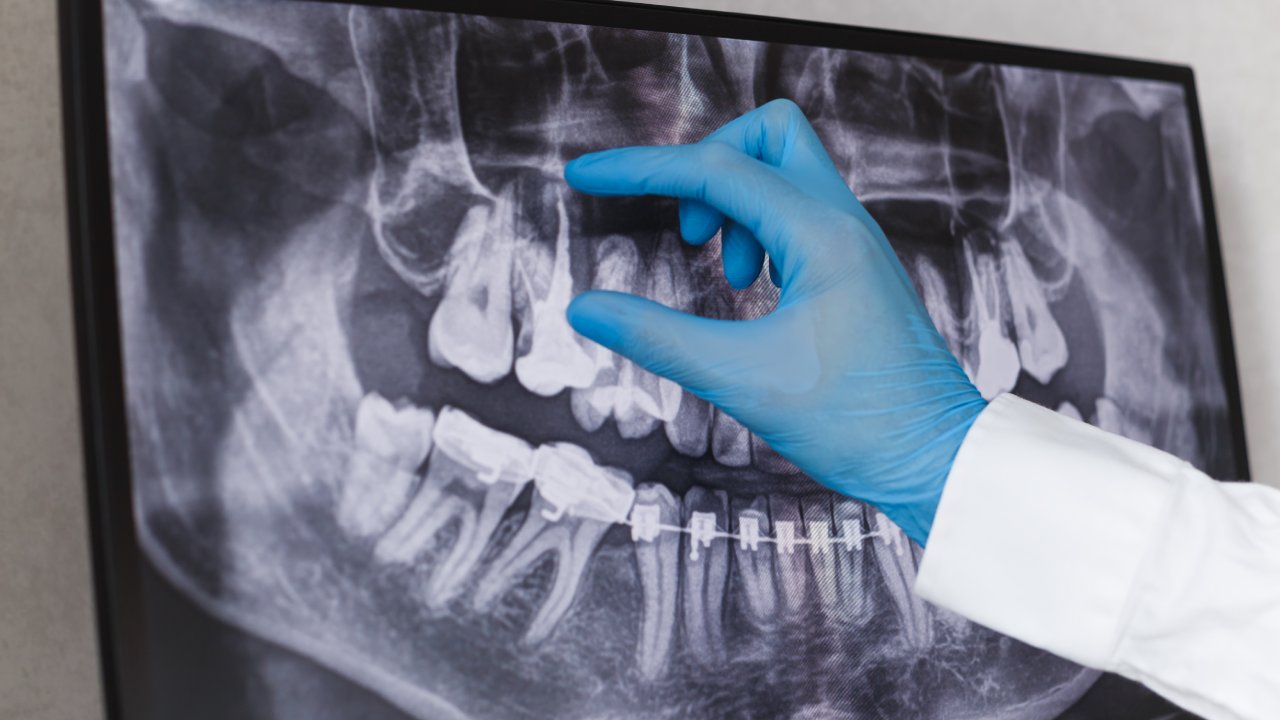
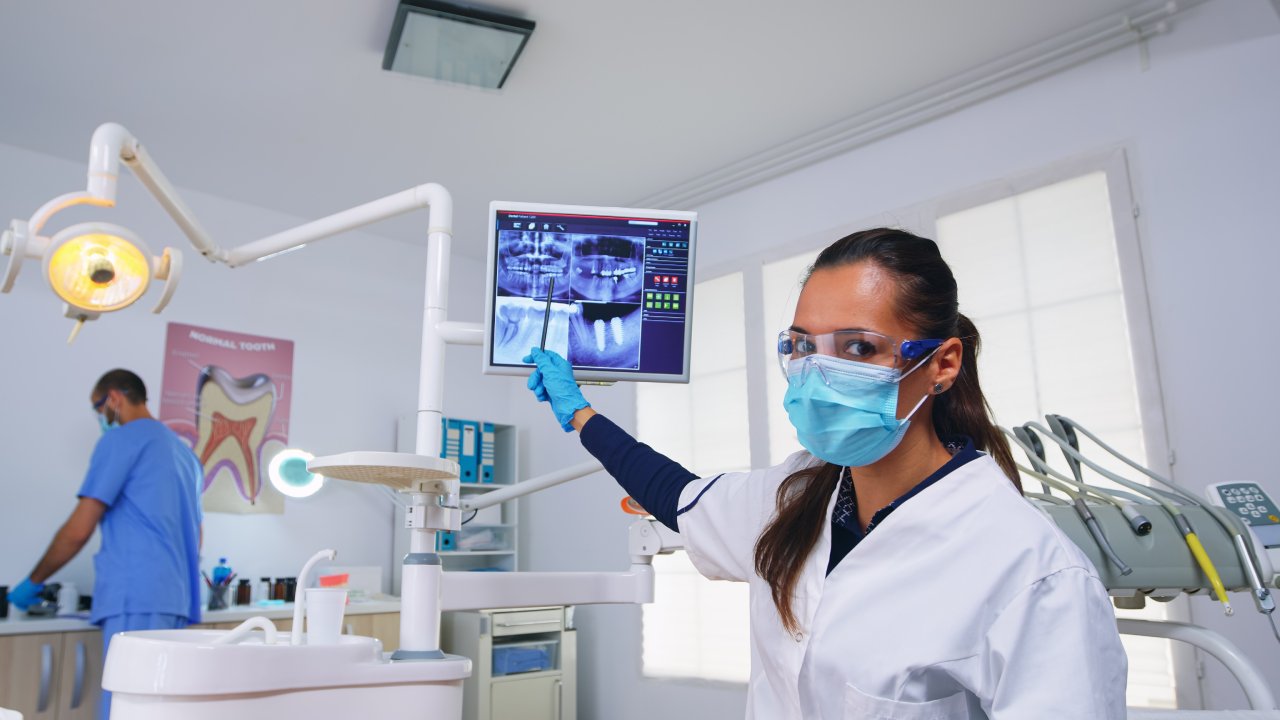
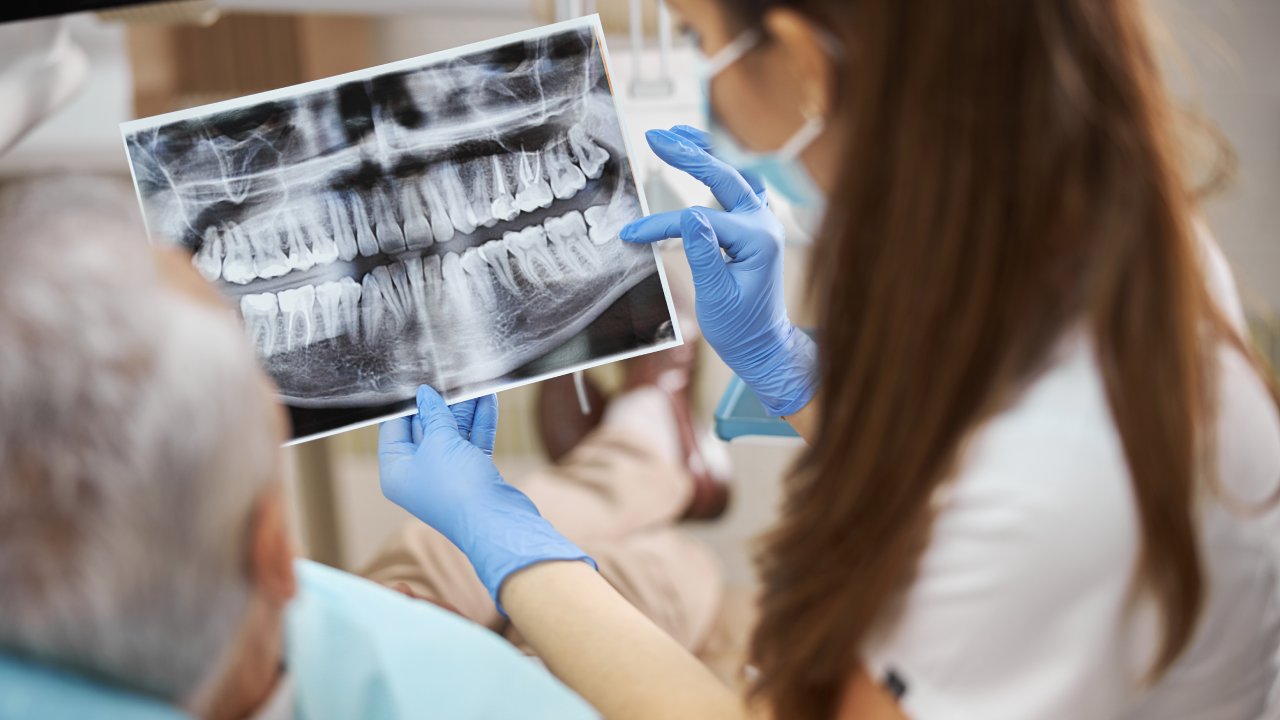
- Clinical exam and digital X-rays to assess the extent of decay or infection
- Discussing your medical history, current medications, and any anxiety you may have
- Formulating a personalized treatment plan, including post-treatment restoration
Root canal appointment
Numbing and access
Your dentist administers local anesthesia to ensure you feel minimal discomfort. A rubber dam isolates the tooth, keeping it dry and free of saliva.
Cleaning and sealing
- Create a small opening in the tooth to access the pulp chamber
- Remove inflamed or infected tissue using specialized endodontic files
- Clean and shape the canals with antibacterial irrigants
- Dry the canals and fill them with biocompatible gutta-percha material
- Seal the access opening with a temporary or permanent filling
Post-treatment restoration
To prevent fracturing and ensure long-term success, your dentist will recommend placing a crown or other restoration over the treated tooth. Options include:
- A dental crown placement Charlotte to reinforce strength
- Porcelain crown restoration for a natural appearance
- Custom post-and-core buildup before crowning
Proper restoration reduces the risk of reinfection and brittleness, ensuring your tooth can withstand normal biting forces [2].
Evaluate benefits and risks
Before you commit to any dental procedure, weigh the advantages against possible complications.
Advantages of therapy
- Saves your natural tooth and maintains jawbone integrity
- Relieves pain and eliminates infection
- Restores full chewing function and esthetics
- High success rates above 85–95% when performed by experienced endodontists [5]
- Cost-effective compared to extraction plus implant or bridge
More than 15 million teeth are treated and saved each year in the US through root canal procedures, underscoring its reliability and effectiveness [4].
Potential side effects
While most patients recover fully within a week, you may experience:
- Mild soreness or sensitivity for 72 hours to 10 days due to inflammation [6]
- Temporary sinus congestion and headaches if upper molars are close to sinus cavities [2]
- Tooth discoloration post-treatment, treatable with crowns or veneers
Managing complications
In rare cases, you may need follow-up if you encounter:
- Severe, throbbing pain or visible swelling
- Persistent discomfort beyond the typical healing period
- Signs of reinfection from improperly sealed canals
If you notice these symptoms, contact your endodontist promptly for evaluation and possible retreatment [6].
Compare restoration options
Once root canal therapy is complete, restoring the treated tooth is essential. You have several choices depending on your oral health goals and budget.
Crowns and bridges
- dental crown placement Charlotte offers durability and a natural look
- Bridge replacement Charlotte can span gaps if adjacent teeth require support
- Bridge & crown services integrate seamlessly with natural dentition
Implants and dentures
- Implant restoration Charlotte replaces missing roots and crowns in one solution
- Custom dentures Charlotte restore full arches for patients with multiple extractions
- Restore missing tooth NC offers tailored prosthetic options
Alternative repairs
If you’re looking at less invasive fixes or emergency care:
- Tooth filling repair dentist for minor leaks or fractures
- Emergency filling & repair when decay or crack worsens
- Repair chipped tooth dentist for cosmetic concerns
- Repair broken tooth Charlotte to restore function quickly
Your dentist will recommend the optimal restoration based on tooth location, bite forces, and aesthetic needs.
Review cost and coverage
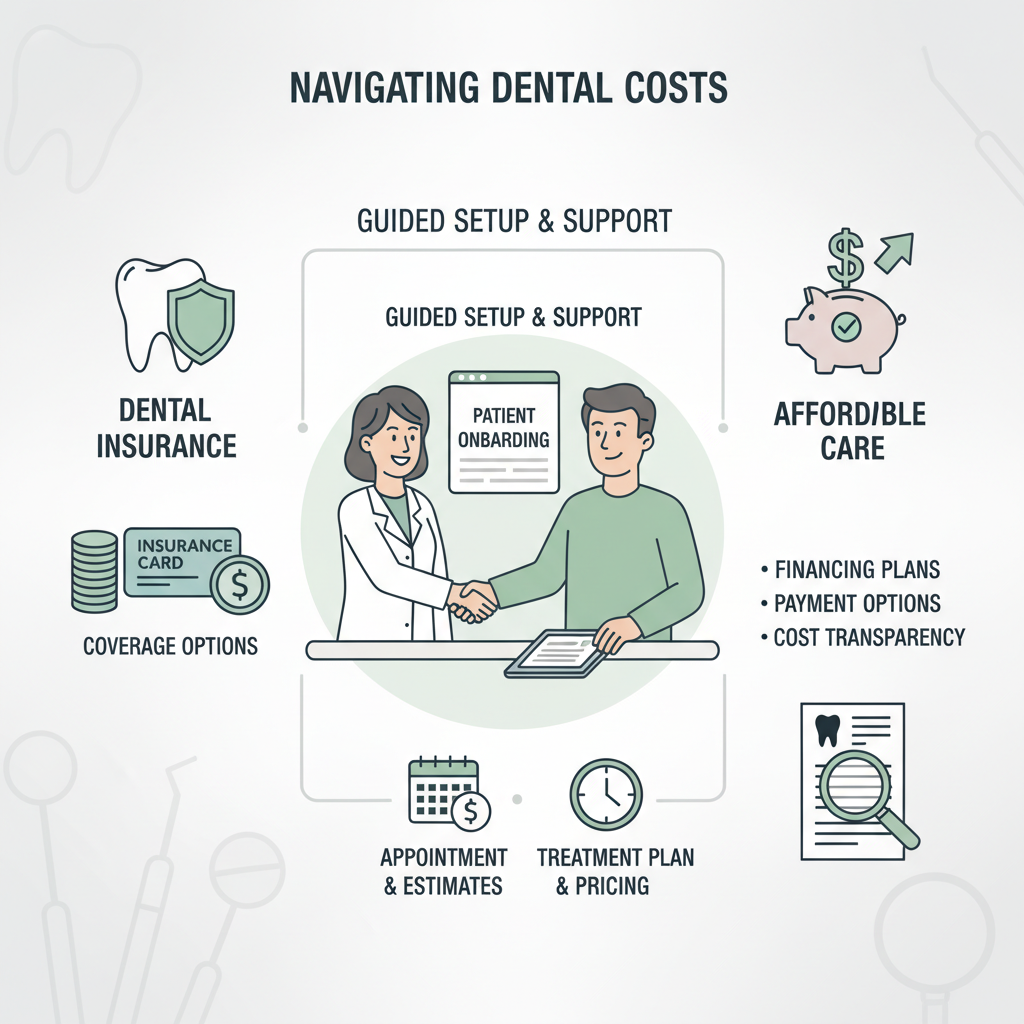
Understanding the financial aspects allows you to plan your care without surprises.
Cost factors
- Tooth location and complexity of root canal anatomy
- Number of canals involved
- Need for a post-and-core buildup
- Type of final restoration (crown, bridge, implant)
- Geographic pricing variations—Charlotte rates may differ from national averages
Typical root canal fees range from \$500 to \$1,800 per tooth, with a national average of about \$1,165 [5]. Molars often cost more than front teeth due to additional canals.
Insurance coverage
Most dental insurance plans cover a significant portion of endodontic treatment. Check your policy for:
- Percentage covered for root canal therapy and restoration
- Annual maximums and deductibles
- Waiting periods for major procedures
- Coordination with plans that cover extractions and implants
Ask our office about insurance covered restorations to maximize your benefits and minimize out-of-pocket expenses.
Choose a Charlotte specialist
Selecting the right provider ensures a comfortable experience and optimal outcomes.
Credentials and experience
Look for:
- Board-certified endodontists or dentists with advanced root canal training
- Proven success rates and patient testimonials
- Use of digital X-rays, magnification (dental microscopes), and rotary instruments for precision
Patient preparation
Before your appointment:
- Share your full medical history and any medications you take
- Arrange for time off work or school, as you may feel mild soreness afterward
- Plan soft foods for the first 24–48 hours post-treatment
Aftercare and follow-up
- Maintain good oral hygiene, brushing twice daily and flossing gently around the treated tooth
- Attend scheduled restoration appointments for crown or bridge placement
- Schedule periodic exams and cleanings at our restorative dentistry clinic to monitor your tooth’s health
If you ever notice unusual symptoms, contact us for possible retreatment—endodontic procedures can be redone to save your tooth if complications arise [4].
Plan your treatment
You don’t have to live with tooth pain or risk losing a damaged tooth. By choosing root canal therapy in Charlotte, you gain an effective, long-term solution. To explore your options:
- Schedule a consultation at our restorative dentistry clinic
- Discuss your symptoms, concerns, and budget with our team
- Review personalized treatment and restoration plans
Whether you need a single root canal, full mouth rehabilitation Charlotte, or other restorative dental procedures, we’re here to guide you to a healthy, lasting smile.