
Understanding filling repairs
When you need a tooth filling repair dentist, you want clear information on why your filling failed, what the repair involves, and how to keep your tooth healthy afterward. A skilled filling repair specialist can diagnose broken or worn restorations, remove decay, and place a durable replacement in one visit or two, depending on the material. Whether you cracked a composite filling while eating or your silver amalgam has worn thin over the years, knowing what to expect puts you in control of your dental health.
A whopping 90% of adults over age 20 have experienced at least one cavity, making restorations a common part of your oral care routine [1]. When a filling fails, you may feel sensitivity, pain, or notice rough edges. A qualified tooth filling repair dentist evaluates your situation and recommends the best solution to restore function, strength, and aesthetics to your tooth.
Exploring filling types
Not all fillings are the same. Your dentist chooses between direct and indirect restorations based on the extent of damage, your budget, and aesthetic goals.
Direct fillings
Direct fillings are placed in one visit without a dental lab. Common direct materials include:
Amalgam
Silver (mercury-based) amalgam fillings last about 10–15 years and remain safe for most patients, according to the American Dental Association and U.S. Food and Drug Administration. Certain groups—pregnant women, nursing mothers, and patients with neurological conditions—may choose other options due to potential mercury vapor exposure [2].
Composite resin
Composite or tooth-colored fillings blend with your natural enamel, resist temperature changes, and contain no metal—ideal if you have metal allergies. They typically last around seven years but can be replaced easily when worn [3].
Glass ionomer
This tooth-colored material bonds directly to dentin, releases fluoride to help prevent recurrent decay, and offers a quick solution for small cavities. However, glass ionomer fillings are weaker and usually last fewer than five years [4].
Indirect fillings
When decay or damage is too extensive for a direct filling but not severe enough for a crown, your dentist may recommend an indirect restoration made in a dental laboratory.
Inlays
Inlays fit within the cusps of a tooth’s chewing surface, restoring moderate damage. They are typically crafted from porcelain or gold and bonded into place on a second visit.
Onlays
Onlays extend over one or more cusps and can cover the entire biting surface. They combine the conservatism of fillings with the coverage of crowns, often made of porcelain or gold.
Indirect restorations generally last longer—up to 20 years for gold and 15 years for porcelain—because of their precision fit and durable materials [5].
Recognizing repair signs
You may need a filling repair if you experience any of the following:
- Sharp pain or lingering sensitivity to hot, cold, or sweet foods
- A rough, jagged edge when you run your tongue over the filling
- Visible cracks, chips, or breaks in the filling material
- A dark line around the edge, indicating decay under the filling
- Loosening of the filling or partial detachment
If you notice severe pain, swelling, or signs of infection, contact an emergency filling & repair specialist right away. For a minor chip, a repair chipped tooth dentist can smooth or replace the filling. If your entire filling breaks off, seek a repair broken tooth charlotte appointment as soon as possible to prevent further decay.
Navigating the repair process
A tooth filling repair dentist follows a structured approach to ensure your comfort and achieve lasting results.
Initial evaluation
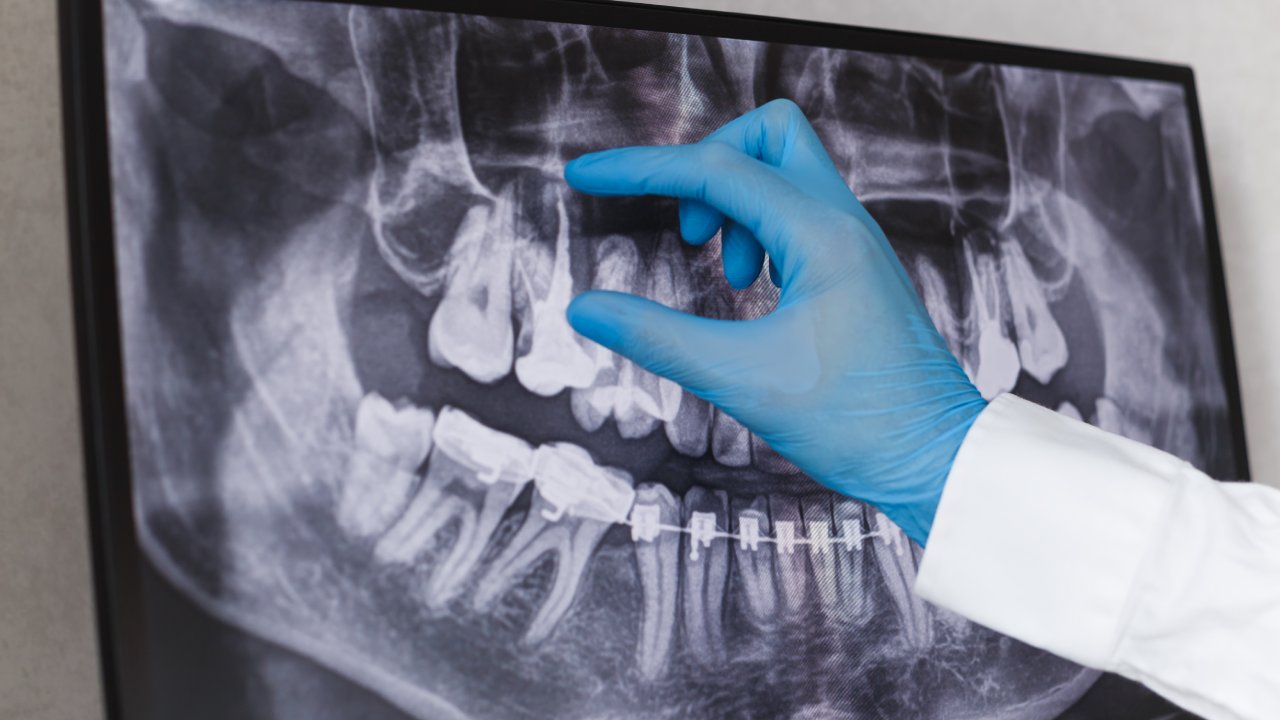
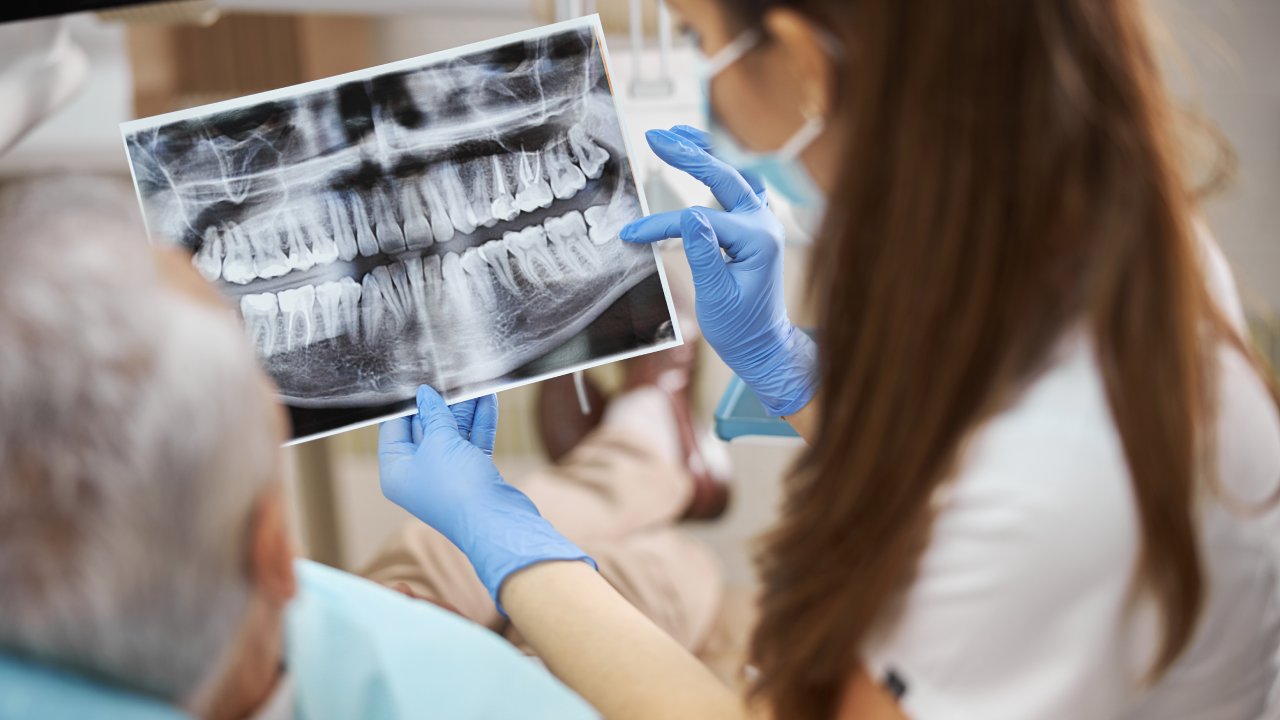
Your dentist examines the tooth visually and with X-rays to assess decay, cracks, or gaps around the existing filling. They discuss your symptoms, medical history, and budget before recommending direct or indirect repair options.
Removing the old filling
Local anesthesia numbs the tooth. The dentist then removes the damaged filling and any decay, cleaning the cavity to prepare for the new restoration.
Placing the new restoration
– For direct fillings: The material is placed in layers, cured with a special light (for composites), and shaped to match your bite.
– For indirect restorations: A digital or traditional impression is taken, and a temporary filling protects the tooth until your casting returns from the lab. On the second visit, the inlay or onlay is bonded and polished.
A typical direct filling procedure takes less than an hour, while indirect restorations require two shorter visits [6].
Polishing and finishing
Once the new restoration is in place, your dentist polishes and adjusts it to ensure a comfortable bite and smooth surface.
Aftercare instructions
Your dentist provides guidelines on managing post-procedure sensitivity, which usually subsides in a week or two. If you experience persistent pain, swelling, or signs of infection, schedule a follow-up.
Comparing filling materials
Below is a summary of common materials and their average lifespans:
| Material | Average lifespan | Key benefit |
|---|---|---|
| Gold | Up to 20 years | Extremely durable and biocompatible |
| Porcelain | 15 years | Natural appearance, stain resistant |
| Amalgam (silver) | 10–15 years | Cost-effective, strong for back teeth |
| Composite resin | 5–7 years | Tooth-colored, minimal metal |
| Glass ionomer | <5 years | Fluoride release, bonds directly to tooth |
Estimating cost and coverage
Understanding what influences the price helps you plan for treatment.
Cost factors
– Material choice: Gold and porcelain are pricier than composite or amalgam
– Procedure type: Indirect restorations cost more than direct fillings
– Location and provider expertise: Fees vary by region and specialist level
– Complexity: Deep decay or large restorations may require additional time
The average cost of a single silver amalgam filling is $139, ranging from $108 to $256 [7]. Composite fillings can cost more per tooth due to technique sensitivity and aesthetic value.
Insurance and payment
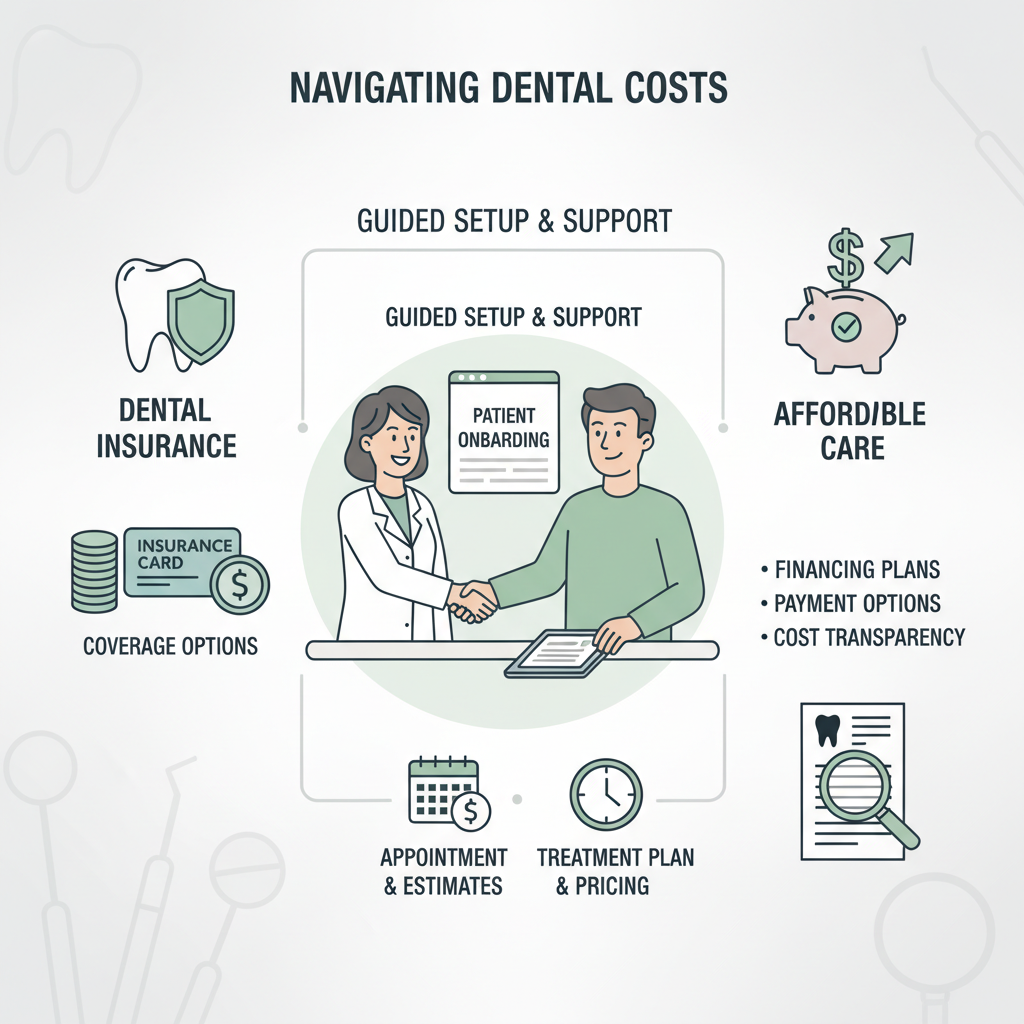
Many dental plans cover a significant portion of filling repairs. Check your benefits or visit insurance covered restorations for details on copays and in-network providers. Financing options may also be available for more extensive indirect work.
Preventing future damage
After a filling repair, you can extend its lifespan with simple habits.
Daily care
– Brush twice daily with fluoride toothpaste
– Floss at least once to remove plaque between teeth
– Use an antibacterial mouthwash if recommended
Professional checkups
Schedule cleanings and exams every six months to detect early decay or filling wear. Regular visits help your dentist monitor restorations and address minor issues before they require extensive repair.
Dietary considerations
Limit sugary, acidic, or hard foods that can stress fillings. Chew on the opposite side if your tooth feels sensitive after repair.
Choosing your dentist
Finding the right specialist ensures a comfortable experience and a quality outcome.
Questions to ask
- What is your experience with direct versus indirect restorations?
- Which materials do you recommend for my situation, and why?
- Can I see before-and-after photos of similar cases?
- Do you offer sedation or comfort options during treatment?
Services to consider
Look for a restorative dentistry clinic that provides comprehensive care, from routine filling repairs to advanced solutions like bridge & crown services and porcelain crown restoration when more extensive rehabilitation is needed. If your decay progresses beyond a filling, you may require root canal therapy charlotte or even implant restoration charlotte to preserve your smile.
Conclusion
A tooth filling repair dentist plays a vital role in restoring your oral health, comfort, and confidence. By understanding filling types, recognizing warning signs, navigating the repair process, and maintaining good habits, you can protect your teeth for years to come. If you suspect a compromised filling or feel persistent sensitivity, don’t wait. Contact your local restorative dentistry experts to schedule an evaluation and get your smile back on track.