
You have been living with the toothache for six weeks now, rationing ibuprofen and googling home remedies at 2 a.m., because the number in your checking account is smaller than what you think a dentist costs. Somewhere in those late-night searches, you typed the question most people never say out loud: how do I fix my teeth if I don’t have money? It is a fair question, and in Belvedere Dentistry’s city of Charlotte, NC, it has more answers than it seems to at 2 a.m. You may be able to spread costs over time, use lower-fee teaching clinics, get more out of insurance you already have, and address the most urgent problem first while you plan for the rest.
This guide covers each option honestly, including the trade-offs, so you can explore paths that might fit your budget and your mouth. It comes from Belvedere Family Dentistry, a comfort-focused family practice in Charlotte that pairs modern dentistry with a human touch. It also includes options outside our office, because getting you care matters more than where you get it.
Why Consider Acting Sooner Rather Than Later?
Dental problems often get more expensive the longer they wait. A tooth that may need a small filling today can sometimes need a root canal and a crown a few months from now. A tooth left long enough may need to come out and be replaced.
Here is how that can happen. Decay starts in the hard outer enamel, where it often causes no pain at all. At that stage, a filling may address it. As decay moves into the softer layer underneath, you may notice sensitivity to cold or sweets. Once it reaches the nerve in the center of the tooth, the pain often becomes constant, and infection can set in. At that point, the tooth may need root canal therapy and then a crown to protect it. Each step tends to cost more than the one before it. If the tooth cannot be saved, you face removing it and then possibly replacing it with a bridge, an implant, or a partial denture. Replacing a tooth often costs more than efforts to save it would have.
When the pain spikes at night, the emergency room can feel like the only option. ERs can manage pain, treat a spreading infection, and check for dangerous warning signs, but most cannot fill, repair, or perform a root canal on a tooth. Many people leave with a hospital bill, a prescription, and the same broken tooth. Researchers at the University of Illinois Chicago describe the financial and well-being costs of poor oral health, and those costs reach well beyond the dental chair. The CDC makes the same point from the other direction in its work on the health and economic benefits of oral disease interventions: preventing and treating problems early may cost less than treating advanced disease.
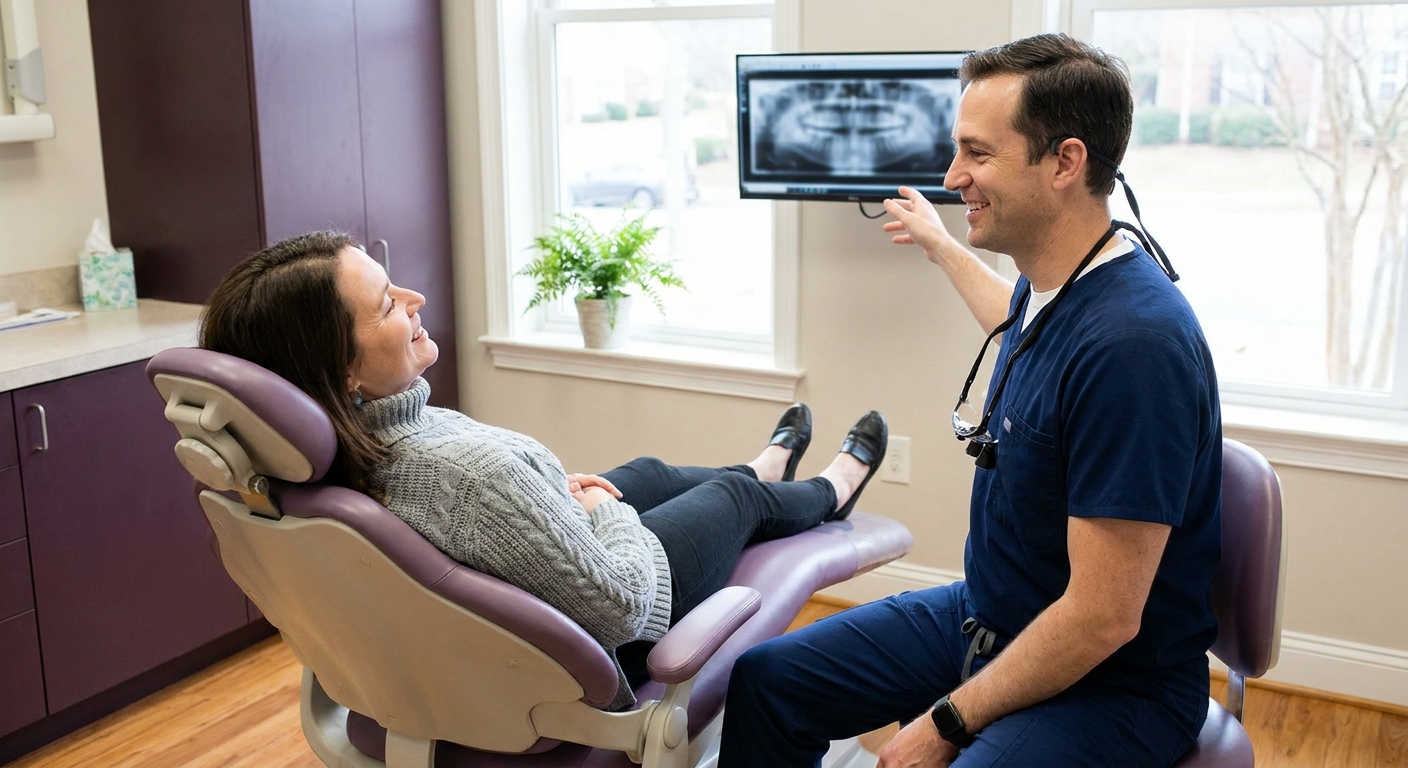
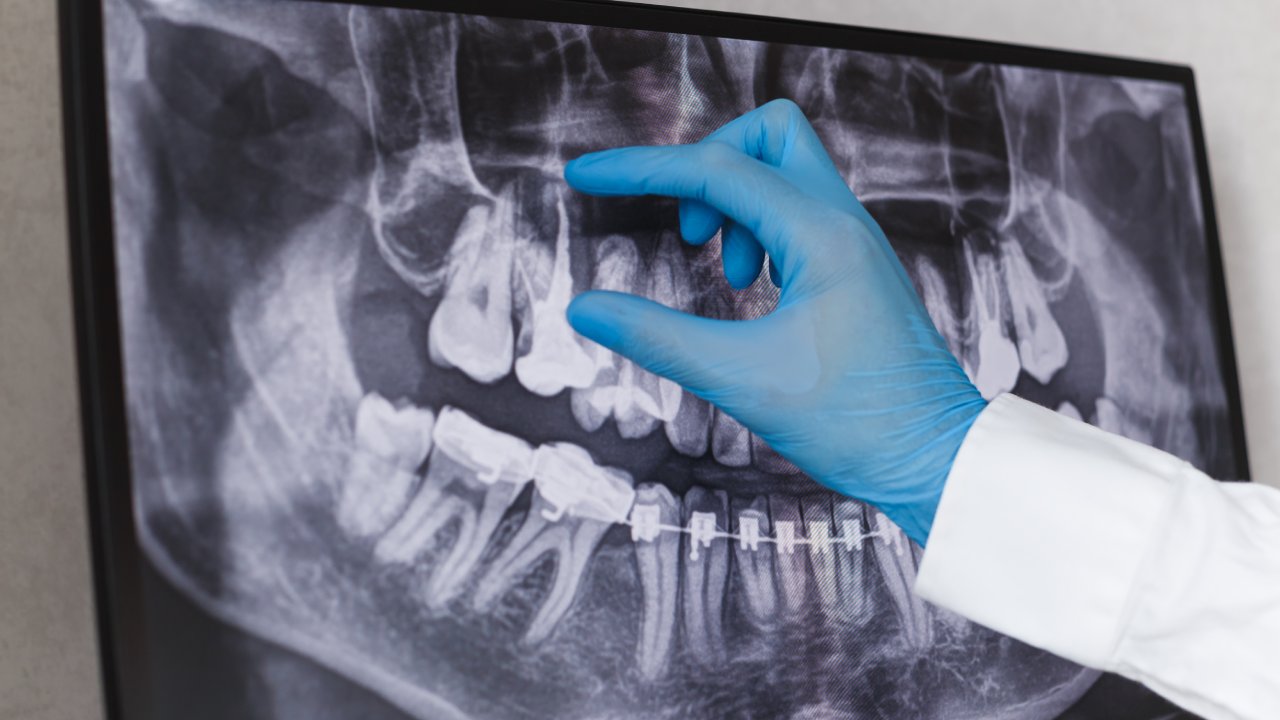
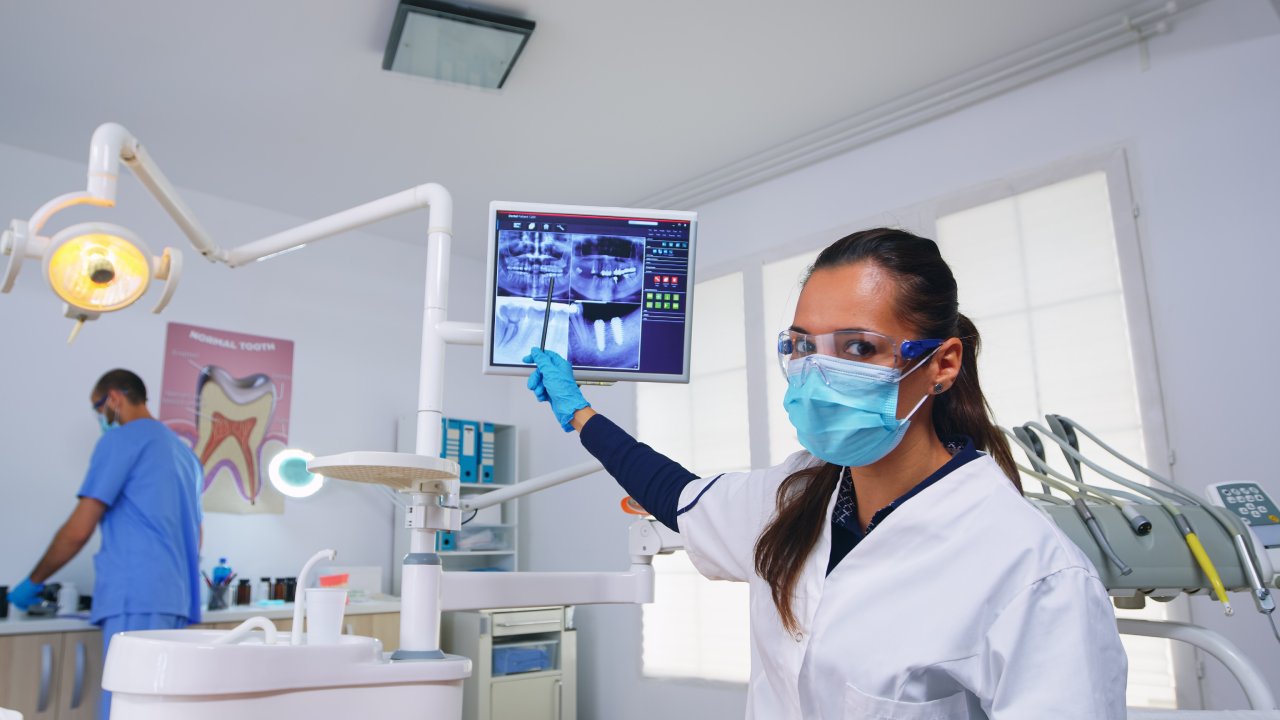
For you, this may mean that an earlier dental visit can be more affordable than waiting. At Belvedere, a first visit pairs an exam with digital X-rays and diagnostics, which replaces a scary, unknown number with a specific diagnosis and a plan. Every option in this guide starts there.
You Do Not Need the Full Amount Saved to Start Treatment
Once you know what you need, the next worry is often how to pay for it. Many dental practices offer ways to pay over time, either through outside healthcare financing or through arrangements made directly with the office. The balance in your bank account today does not have to decide when your treatment starts.
Healthcare financing. These credit lines work much like a credit card that is used only for medical and dental care. You can often apply online or at the front desk in a few minutes and get a decision quickly. Many offer promotional periods with no interest if you pay the full balance before the window closes. Read the terms carefully, though. Many of these plans use “deferred interest.” If any balance is left when the promotion ends, you can be charged interest going all the way back to the purchase date. A safe rule is to divide your treatment cost by the number of months in the promotion and only borrow an amount you can pay off in full before the deadline.
In-office options. Some practices offer their own payment arrangements or membership plans. A membership plan may charge one yearly fee that covers preventive visits and lowers the cost of other work. These options differ from office to office and change over time, so the only reliable way to know is to ask. At Belvedere Family Dentistry, you can ask the front desk which payment options are available right now and how they might fit your treatment plan before you agree to anything.
Here is an example. Say you need care on more than one tooth. You do not have to pick one tooth to ignore. Ask whether the work can be staged: treat the most urgent tooth first, handle the next problem the following month, and schedule a crown when your budget or financing terms allow. A practice like Belvedere Dentistry built on personalized care will build that plan with you, not around you.
Can a Dental School or Hygiene Clinic Save You Money?
Often, yes. Dental schools and dental hygiene programs provide care from students who work under licensed faculty supervision, often at lower fees than private offices. The National Institute of Dental and Craniofacial Research lists these programs among the main places to look in its guide to finding low-cost dental care.
Most teaching clinics start with a screening appointment to see whether your needs match what students are learning that term. Some keep waiting lists. Appointments take longer than at a private office because a faculty member checks each step before the student moves on. Hygiene programs, including those at community colleges, mainly offer cleanings, exams, X-rays, and preventive care. Full dental schools offer a wider range, such as fillings, root canals, and crowns. Full dental schools are not close to every city, so add travel time, gas, and missed work to your math when you compare potential savings.
The trade-offs matter most when you are in pain. Teaching clinics run on academic calendars, and many are not set up for same-week urgent visits. They may be a fit for routine cleanings and slow, non-urgent work if your schedule is flexible. They may be less suited for a tooth that is swelling or throbbing right now.
You can also mix and match. Some people get cleanings at a hygiene program and have other work done at a local practice. If a teaching clinic is the right choice for part of your care, that is one option to consider, and no good dental office should make you feel otherwise.
Do You Have Insurance That Covers More Than You Think?
Before you look for new ways to pay, check what you may already have. If you have dental insurance, it may cover your exam, your X-rays, and part of larger work such as crowns. Checking your benefits before treatment is the fastest way to learn what you will actually owe. Belvedere Family Dentistry accepts these six plans:
- Aetna
- Blue Cross Blue Shield
- Cigna
- Connection Dental
- Liberty Dental Plan
- Mutual of Omaha
Plans within the same company can cover very different things, so ask the Belvedere Dentistry front desk how your specific benefits apply.
Most dental plans have three features that affect your costs. The first is the deductible, the amount you pay before the plan starts sharing costs. The second is the annual maximum, a cap on what the plan pays each year. The third is a waiting period, which some plans require before they cover major work. One possible strategy: if you need several expensive treatments late in the year, ask whether part of the work can wait until January. Spreading treatment across two plan years can let you use two annual maximums instead of one. Before any treatment, ask the office for a written estimate that shows what insurance is expected to pay and what your share may be.
If you have no insurance at all, look into community health centers. Many offer dental care with fees on a sliding scale based on your household income, and the NIDCR guide linked above explains how to find one. If you have Medicaid, community health centers are also a place to start. Belvedere Family Dentistry does not accept Medicaid, and we would rather tell you that up front than have you find out at the front desk.
How Do I Fix My Teeth If I Don’t Have Money? Start With What Hurts
Addressing pain and infection first, protecting at-risk teeth next, and phasing in cosmetic or replacement work as your budget allows may help keep small problems from turning into more expensive ones and puts your money where it may best protect your health.
Some symptoms cannot wait for any budget. Swelling that spreads into your face, jaw, or neck, a fever along with tooth pain, or trouble swallowing or breathing all need emergency medical care right away. Go to the ER or call 911. Below that level, most dental problems fall into three groups, shown here:
| Priority | Common problem | Typical treatment | Relative cost | Can it wait? |
|---|---|---|---|---|
| Now | Throbbing pain, abscess, or swelling in the gum | Root canal therapy or removing the tooth, plus antibiotics when needed | Moderate to higher | No |
| Now | Lost filling or broken tooth with a sharp edge | Temporary or permanent filling | Lower | Only briefly |
| Soon | Back tooth after a root canal | Crown | Higher | Weeks, not months |
| Soon | Cavities that do not hurt yet | Dental fillings | Lower | Not for long |
| Planned | Chipped or broken front tooth | Composite bonding | Lower to moderate | Often yes |
| Planned | Missing tooth | Bridge, implant, or partial denture | Highest | Often yes, with a plan |
Belvedere Family Dentistry offers routine cleanings and exams, digital X-rays and diagnostics, preventive care, crowns and bridges, dental implants, composite bonding, teeth whitening, and porcelain veneers under one roof. That means many common steps in a phased plan, from the first exam to a crown, bridge, or implant, can happen in the same office, with fewer referrals and less time running between appointments. It may save money too, because every extra appointment somewhere else can mean another exam fee and another missed shift. If you need a treatment the office does not provide, the team can point you to a trusted local specialist.
For a chipped or broken front tooth, composite bonding is often one of the more affordable options. The Belvedere Dentistry dentist shapes tooth-colored resin directly onto your tooth, often in one visit and without a lab. It does not suit every break, though. A large fracture may need a crown, and the exam will show which option may fit your tooth.
Here is how a phased plan might look in practice. Say your aching tooth turns out to be infected, a molar has a cracked old filling that may now need a crown, and a front tooth is chipped. Phase one deals with the infection. Phase two may protect the cracked molar with a crown before the crack spreads. Phase three addresses the front tooth when your budget allows. Ask for a separate estimate for each phase so you always know what comes next and what it may cost.
Questions Charlotte Patients Ask Before They Call
Even with a plan in mind, most people have a few practical questions before they pick up the phone. Here are the ones we hear most.
How much does a dentist visit cost in Charlotte without insurance?
It depends on what you need, so the first visit is the starting point. That visit is often an exam with digital X-rays, and what the exam finds sets the price of any treatment after it. This table shows how common visit types compare:
| Visit type | What it usually includes | Relative cost | What to ask when you call |
|---|---|---|---|
| New-patient exam | Exam, digital X-rays, diagnosis | Lower | The total price for the exam and X-rays |
| Routine cleaning | Cleaning and preventive care | Lower | Whether your plan covers it in full |
| Restorative work | Crowns, bridges, or implants | Higher | A written estimate and a phased plan |
| Cosmetic work | Bonding, whitening, or veneers | Lower to highest | The cost of each option for your goal |
When you book, ask what the new-patient exam and X-rays cost. Before you agree to any treatment, ask for a written estimate.
Can I get dental work done if I have bad credit?
Sometimes, yes. Healthcare financing companies set their own approval rules, and some practices offer payment arrangements directly. Terms differ, so ask the front desk what may be available before you assume you will not qualify.
What should I address first if I can only afford one thing?
Addressing pain and infection first is often recommended. An infected tooth can get worse quickly, while cosmetic repairs and tooth replacement can often be planned for later.
Does Belvedere Dentistry help patients who do not have insurance?
Yes. Belvedere Family Dentistry sees patients who pay for their own care. The front desk can explain the current payment options and help you explore treatment options around your budget.
Are dental school clinics safe?
Yes. Students treat patients under the supervision of licensed faculty, who check the work at each step. The main trade-offs are longer appointments, waiting lists, and less flexibility for urgent problems.
What is one of the lower-cost ways to address a broken front tooth?
For many chips and small breaks, composite bonding is often a lower-cost repair. Larger breaks may need a crown, which the exam will show.
Where is Belvedere Dentistry, and when is it open?
Belvedere Family Dentistry is a family dental practice in Charlotte, NC, serving patients within about three miles of the city. For current office hours, directions, and the next open appointment, call the number at the top of this page or visit belvederedentistry.com.
Is Belvedere Dentistry accepting new patients?
The quickest way to know is to call, because new-patient openings change from week to week. Belvedere Family Dentistry provides personalized care for whole families, from children to adults, so you can ask about booking everyone in your household at once.
What services does Belvedere Dentistry offer?
– Routine cleanings and exams
– Digital X-rays and diagnostics
– Preventive care
– Teeth whitening
– Porcelain veneers
– Composite bonding
– Dental implants
– Crowns and bridges
How do I book an appointment?
1. Call the number at the top of this page.
2. Say right away if you are in pain or have swelling, so the team can help you decide how quickly you may need care.
3. Share your insurance information (Aetna, Blue Cross Blue Shield, Cigna, Connection Dental, Liberty Dental Plan, or Mutual of Omaha), or say that you are paying yourself.
4. Ask what the first visit costs and which payment options may be available.
5. At your exam, ask for a written plan that breaks treatment into phases, with an estimate for each one.
The Call You Are Dreading Is Easier Than You Think
Telling a dental office that money is tight is not embarrassing to them. It is useful information that helps them plan care around your budget, and the sooner you share it, the sooner they can help.
Many people put off calling because of more than the bill. They worry about being judged for how long they waited, for the state of their teeth, or for not having insurance. Some had a past visit somewhere that left them feeling lectured or rushed. That fear is real, and it keeps many people in pain longer than any price tag does. Belvedere Family Dentistry built its practice around comfort-focused, anxiety-free visits and a human touch. Personalized care means starting from where you are today, not from where someone thinks you should be.
The call itself can be short. You could say: “Hi, I have a tooth that has hurt for a few weeks. I do not have insurance, and my budget is tight. What does a first visit cost, and what payment options do you have?” That covers it. You have told them what hurts, what you can manage, and what you need to know.
After that, you stay in control. The exam at Belvedere Dentistry shows what is going on, you see your digital X-rays, and you get a plan with prices attached. You decide how fast to move, and no treatment happens until you say yes.
If you have been asking yourself, “How do I fix my teeth if I don’t have money?”, one answer is that you start with one call and one exam, not with the whole bill. Call Belvedere Family Dentistry at the number above to talk through payment options and schedule an exam. Tell the front desk your budget is tight and ask them to help you explore a plan that addresses the urgent problem first and considers the rest of your care over time. Before you call, write down one number: the amount you can comfortably pay each month. Bringing that number into the conversation may help turn “I can’t afford the dentist” into a path for getting your mouth healthier.
We’ll Walk You Through What’s Possible
Good dental care shouldn’t feel out of reach because of cost. If you’ve been putting off treatment because you’re not sure how to make it work financially, Belvedere Dentistry can talk through the options that fit your situation. We’ll help you understand what’s available in Charlotte and create a plan that works for you.
Individual experiences with dental financing, costs, insurance coverage, and treatment outcomes vary. Only a dentist can provide a diagnosis or personalized treatment plan after an examination.