You’ve been chewing on the other side of your mouth for months, avoiding mirrors, and rehearsing reasons why you can’t smile wide in photos. The broken tooth in the back finally crumbled last week, and you’re convinced no dentist will touch it now that it’s this far gone. So the question keeps circling: can a dentist pull a rotten, broken tooth after it has gotten this bad? Yes. Dentists at Belvedere Dentistry remove badly decayed and broken teeth, including teeth that have snapped off at the gumline, and waiting does not change whether it can be done.
What waiting does change is how you feel walking in the door. Many people put off a visit like this because they expect a lecture. That fear makes sense, but a broken tooth does not call for one. At Belvedere Family Dentistry in Charlotte, the approach is modern dentistry combined with a human touch: comfort-focused visits and personalized care for whole families. For you, that means someone looks at the tooth, explains what is going on in plain words, and helps you choose a next step that fits your mouth, your insurance, and your budget. The sections below walk through what removal involves and what comes after.
Can a Dentist Pull a Rotten, Broken Tooth When Only Root Fragments Remain?
Yes. A dentist can remove a tooth even when the visible crown has crumbled away and only the roots remain below the gum. Removal depends on what is under the surface, not on how much tooth you can see in the mirror.
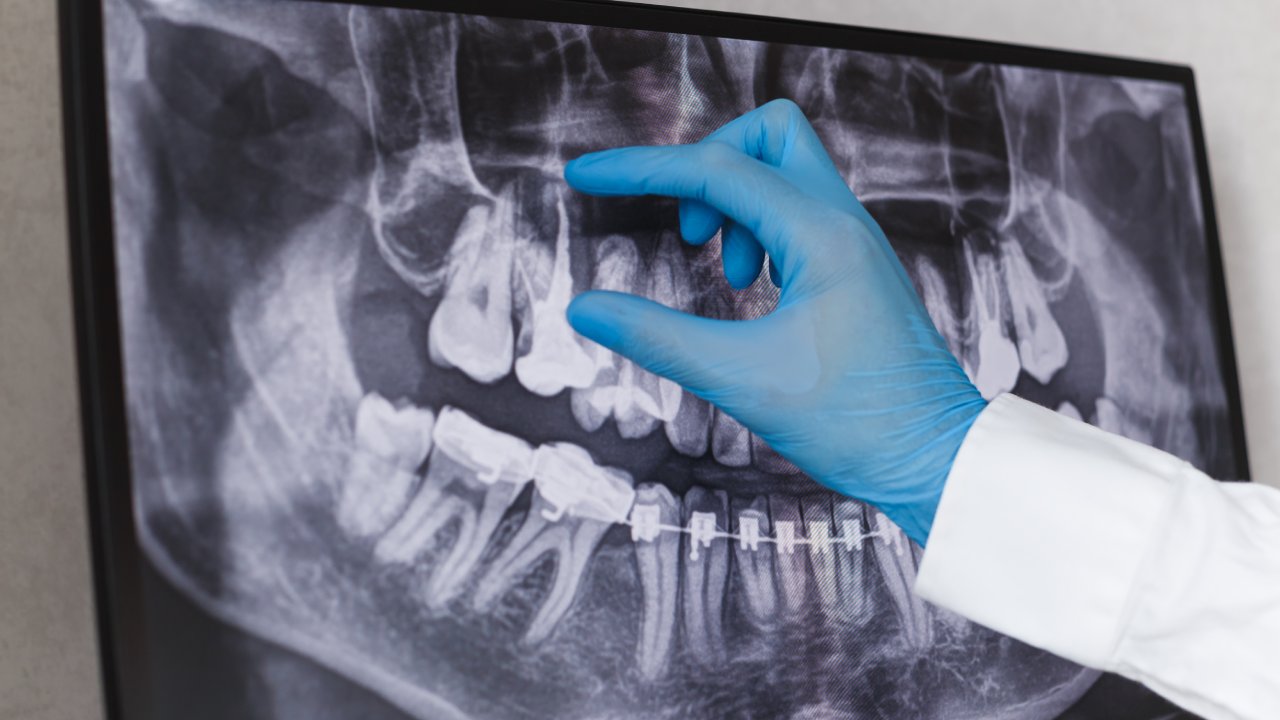
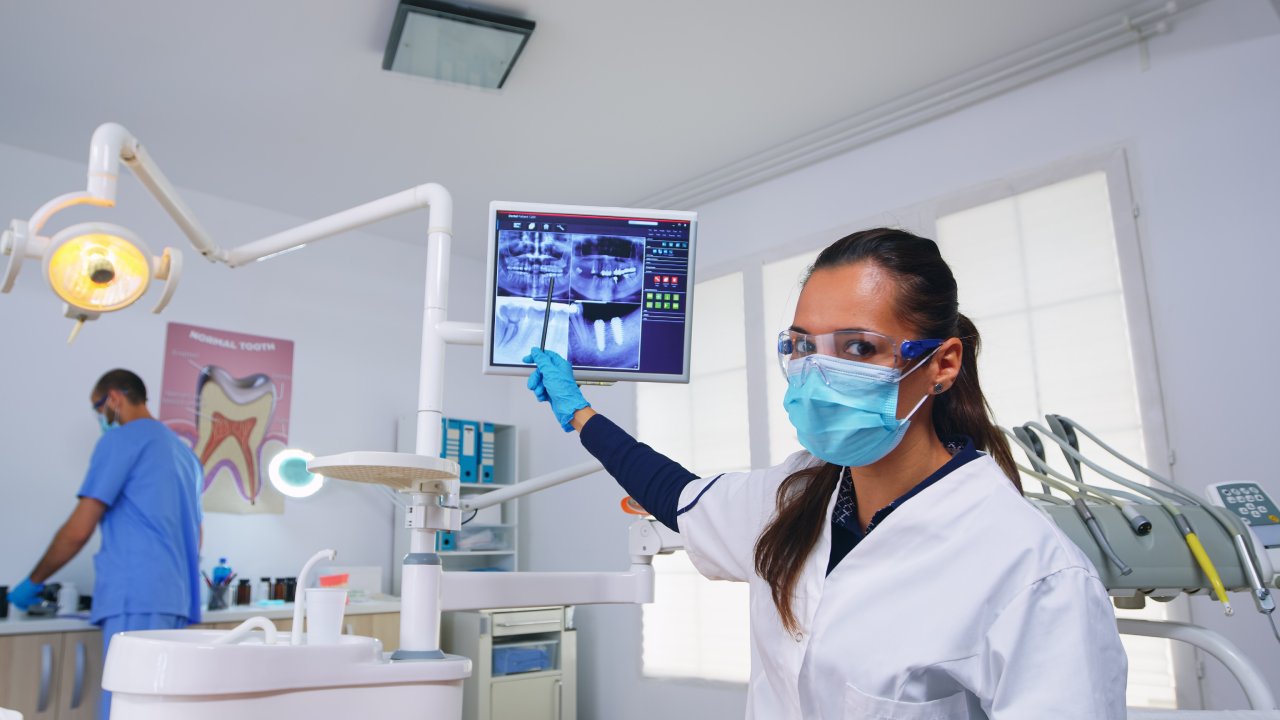
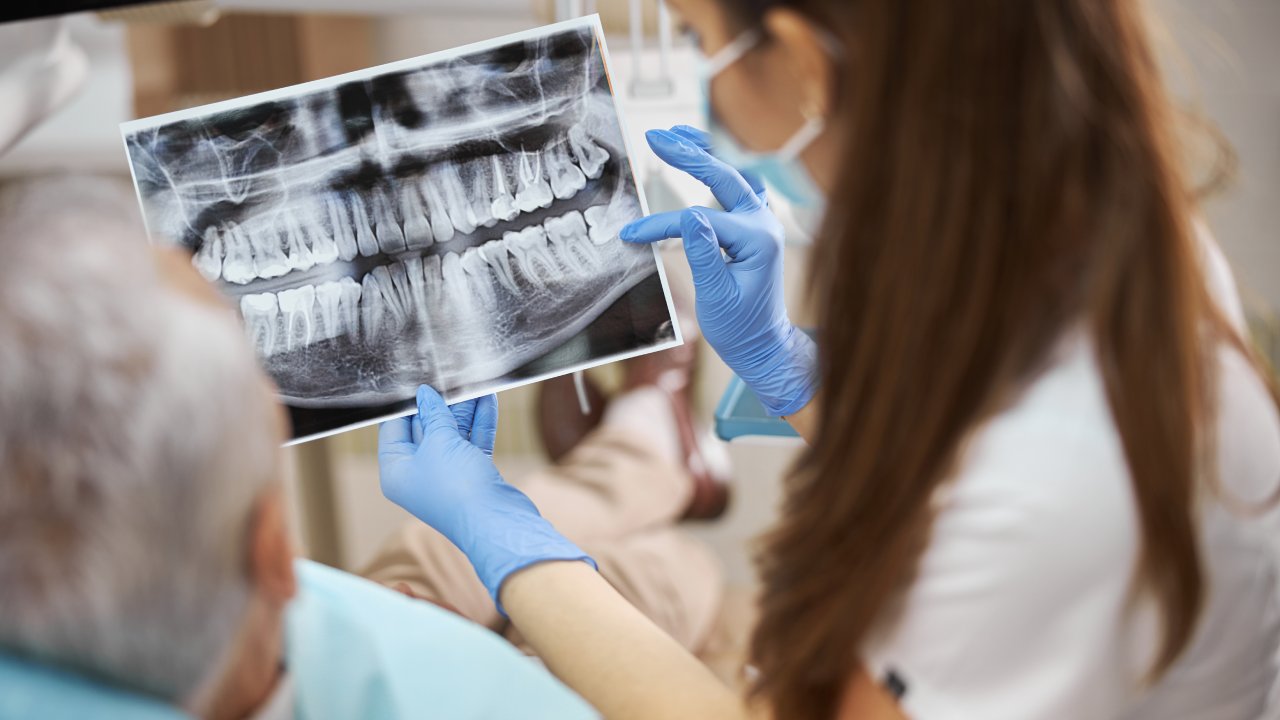
The first step is a clear look at that hidden part. Belvedere Family Dentistry uses digital X-rays and diagnostics to see the roots before any treatment decision is made. The image shows how many roots the tooth has, whether they curve or sit close to nearby teeth, how much solid structure is left, and whether infection has formed near the root tip. A lower molar, for example, often has two roots. If it has broken off at the gumline, the X-ray shows exactly where those roots sit and how they are shaped. That keeps the plan precise and lets you see your own tooth on screen instead of guessing.
Removal is not always the first answer, either. When enough healthy structure remains, saving the tooth can be one choice. The professional association for root canal specialists explains that keeping your natural tooth through root canal treatment is often worth considering before extraction, and a dentist can talk with you about whether that path makes sense for your tooth. When decay has gone too far, clinical guidance on cavities notes that some teeth become so badly decayed they cannot be restored and need to be removed.
When removal is the right call, dentists rely on a few standard tools. Elevators are thin instruments that slide between the root and the bone to loosen the tooth from the ligament that holds it. Forceps grip the tooth or root once it is loose. Sectioning burs are small dental drill tips that divide a tooth into smaller pieces so each one can come out on its own. With these tools, “too far gone” is rarely a real barrier.
Will It Hurt More Because the Tooth Is Rotten?
For many people, no. Local anesthetic numbs a rotten tooth and the area around it, and dentists have ways to deepen that numbness when infection makes the first round less effective.
It helps to know why some people worry about this. Inflamed, infected tissue can be harder to numb than healthy tissue, because swelling and infection change the chemistry around the nerve. Dentists have known this for a long time, and they plan for it. If the first injection does not fully numb the area, the dentist may wait a little longer for it to take effect, give an extra injection closer to the tooth, or use a different nerve block that numbs a wider area. You should never be asked to push through sharp pain. If you feel it, say so, and the dentist can stop and add more numbing.
There is also a detail that surprises some patients. When decay reaches the center of a tooth, the nerve inside can die. A tooth with a dead nerve may already feel less sensitive than it did weeks ago, which is often why the throbbing seems to fade before the tooth finally breaks. At that point, the tooth itself is no longer the main source of feeling. The gum, bone, and ligament around it still need to be numb, and those tissues respond to local anesthetic.
What you will usually feel is pressure. When elevators loosen the root, you notice pushing and movement, a bit like someone pressing firmly on your jaw. That feeling is normal and does not mean the anesthetic failed. Belvedere Family Dentistry builds every visit around comfort, so you can expect each step to be explained before it happens. Knowing what is coming next is one of the ways to help make a visit feel less stressful, whether you are the patient or a parent sitting nearby.
What Happens If the Tooth Breaks During Extraction?
Nothing has gone wrong. A rotten tooth is fragile, and dentists expect it to break during removal. Breaking is a planned part of the process, not a failed procedure.
Think about what decay does to a tooth. It hollows out the inside and weakens the outer shell until very little holds the crown together. When forceps grip a tooth like that, the crown can separate from the root. The dentist already saw this possibility on the X-ray, so the next step is ready. The remaining root is loosened with elevators and lifted out on its own.
For molars with two or three roots, dentists often section the tooth on purpose. Using a sectioning bur, the dentist divides the tooth into pieces, usually one piece per root. Each root then comes out along its own natural path. This takes less force than pulling a multi-rooted tooth out in one piece, which helps protect the surrounding bone. That bone matters later if you want a dental implant.
Picture an upper molar that crumbled while you ate dinner last month. The crown is mostly gone and three roots sit under the gum. Rather than trying to grip what little remains, the dentist sections it into three parts, loosens each root, and removes them one at a time. From your side of the chair, you feel pressure and hear the instruments, and then you are told it is done. It may take a little longer than removing a healthy tooth, but it follows a routine taught in every dental school.
Why Waiting Turns One Bad Tooth Into Several Problems
Knowing removal is possible is reassuring, but it also raises a fair question: why not wait a little longer? The answer is that a rotten tooth does not stay a single-tooth problem. Untreated decay can lead to infection, damage to the bone around the tooth, and decay in the teeth next to it.
The National Institute of Dental and Craniofacial Research explains that tooth decay keeps progressing when it is left untreated, moving deeper into the tooth until it can cause pain, infection, and tooth loss. Once bacteria reach the nerve, an abscess can form at the tip of the root. That pocket of infection sits in the jawbone and can slowly wear away bone around the tooth. Less bone can make a future implant harder to place.
The damage also reaches the neighboring teeth. A broken tooth leaves rough edges and gaps that trap food and plaque against the teeth on either side. Those surfaces are hard to clean, so decay often starts there next. Chewing only on one side of your mouth also adds wear and strain to the teeth doing all the work. Over a few months, one broken molar can turn into two or three teeth that need fillings, crowns, or removal.
Infection can also spread beyond the tooth. A review of dental emergencies published in StatPearls on the NIH bookshelf describes how infections that start in a tooth can spread into the surrounding tissues of the face and neck. That is uncommon, but it is serious. If you have facial swelling that is spreading, a fever, trouble swallowing, or trouble breathing, go to an emergency room right away. For everyday pain and a broken tooth, calling a dentist soon is the step that helps keep a small problem from growing.
Your Plan Should Not End When the Tooth Comes Out
Removing the tooth is the start of a plan, not the finish line. Once the area heals, you can fill the gap with a dental implant or a bridge, and Belvedere Family Dentistry offers both dental implants and crowns and bridges.
Healing comes first. In the first few days, a blood clot forms in the socket and the gum begins to close over it. You will get care instructions for this stage, such as avoiding straws and smoking and sticking to soft foods. The gum tissue usually closes within several weeks. Many patients are ready to plan a replacement around six to eight weeks, though the bone underneath keeps healing longer, and implant timing depends on your bone and your health. The timeline is set by Belvedere Dentistry based on what the follow-up exam and X-rays show.
Here are the replacement options available at Belvedere Family Dentistry:
- Dental implants: A post placed in the jawbone that acts like a new root, topped with a crown. Implants do not rely on neighboring teeth for support.
- Crowns and bridges: A bridge uses crowns on the teeth on either side of the gap to hold a replacement tooth in place.
Each option has trade-offs in cost, time, and how it feels day to day. You can ask about replacement at Belvedere Dentistry at the same visit your tooth is evaluated, so you leave knowing what the next few months could look like. If your broken tooth sits near the front of your smile and you care how the final result looks, the practice’s cosmetic options, including teeth whitening, porcelain veneers, and composite bonding, can help a replacement blend in with the teeth around it.
Belvedere Family Dentistry brings general, family, preventive, and cosmetic dentistry together for whole families. Services include:
- Routine cleanings and exams
- Digital X-rays and diagnostics
- Preventive care
- Teeth whitening
- Porcelain veneers
- Composite bonding
- Dental implants
- Crowns and bridges
What Will Removing a Broken Tooth Cost You in Charlotte?
Once you know the plan, cost is usually the next worry, and it is a fair one. Your total depends on your insurance plan, how complex the removal is, and whether you replace the tooth afterward. The clearest way to get a real number is an exam with digital X-rays, followed by an estimate from the Belvedere Family Dentistry team based on your plan.
Here is what shapes the total:
| What you may need | What it involves | What changes the price |
|---|---|---|
| Exam and digital X-rays | A look at the tooth, roots, and any infection | Whether your plan treats it as preventive or diagnostic |
| Simple removal | A tooth with enough structure to grip and lift out | Tooth location and number of roots |
| Removal of a broken or sectioned tooth | Loosening and removing root pieces one at a time | Extra time, sectioning, and how the roots sit in bone |
| Replacement | Implant or bridge after healing | Option chosen, number of teeth, and plan limits |
Many dental plans place tooth removal in a different benefit category than preventive cleanings, so the percentage your plan pays can differ. Call your insurer or ask the Belvedere Dentistry office to check your benefits before treatment.
Belvedere Family Dentistry accepts these insurance plans:
- Aetna
- Blue Cross Blue Shield
- Cigna
- Connection Dental
- Liberty Dental Plan
- Mutual of Omaha
Medicaid is not accepted at Belvedere Dentistry. If you do not have insurance, ask about payment options when you call so there are no surprises.
Belvedere Family Dentistry serves patients in Charlotte, NC, and the team can confirm current office hours and directions when you call. If you have a broken or painful tooth, mention it right away so the team can look for the soonest available appointment. Here is how to get started:
- Call Belvedere Family Dentistry using the number at the top of this page, or reach out through belvederedentistry.com.
- Describe what is happening: a broken tooth, pain, swelling, or a tooth that crumbled while eating.
- Have your insurance card ready so the team can check your benefits.
- At your visit, expect an exam and digital X-rays to see the roots and any infection.
- Talk through your options, including saving the tooth, removing it, and replacing it later with an implant or bridge.
Questions Charlotte Patients Ask Before a Tooth Comes Out
These are the questions people ask when a rotten or broken tooth finally forces the issue. The short answers below cover the basics, and your dentist at Belvedere Dentistry can explain how each one applies to your mouth.
Can a dentist pull a tooth that is broken off at the gumline?
Yes. Dentists use elevators to loosen the root and, when needed, sectioning burs to divide it into smaller pieces. A tooth does not need a visible crown to be removed, and digital X-rays show where the roots sit before removal starts.
How much does it cost to extract a rotten tooth in Charlotte?
It depends on your plan, the tooth’s location, and whether it needs sectioning. Belvedere Family Dentistry accepts Aetna, Blue Cross Blue Shield, Cigna, Connection Dental, Liberty Dental Plan, and Mutual of Omaha. An exam and digital X-rays give you a clear estimate before treatment.
Will I need antibiotics before the dentist can pull an infected tooth?
Not always. Removing the source of infection is often the main treatment, and some infected teeth can come out without waiting. The dentist decides whether antibiotics are needed based on swelling, fever, and your overall health.
What happens if I wait too long to remove a broken tooth?
Infection can damage the bone around the tooth, and decay can spread to neighboring teeth, so one extraction can turn into several procedures. Spreading facial swelling, fever, or trouble breathing needs emergency room care right away.
Can I get a tooth pulled the same day I call?
It depends on the schedule and what the exam shows. Call early, describe your symptoms, and let the Belvedere Dentistry team know if you are in pain. They will tell you the soonest opening and what to expect at that visit.
How long does it take to heal after extracting a rotten tooth?
The gum usually closes within several weeks. Some patients plan a replacement around six to eight weeks, while the bone keeps healing longer. Implant timing depends on your bone and the follow-up exam.
Is Belvedere Family Dentistry accepting new patients, and what are the hours?
The quickest way to know is to call the office, which can confirm current new-patient openings and hours on the spot. The team can also tell you the soonest time available for a broken or painful tooth.
Get Relief and a Clear Plan for Your Broken Tooth
The tooth you have been hiding has already done the hard part by breaking. What is left is a short visit, a clear digital X-ray, and an honest conversation about whether to save it, remove it, or replace it. If you have been wondering whether a dentist can pull a rotten, broken tooth this far along, the answer is yes, and the sooner you come in, the more options you keep. Call Belvedere Family Dentistry using the number at the top of this page, or reach out through belvederedentistry.com to talk through comfort-focused, personalized care and replacement options that fit your budget and insurance. One practical tip before you call: write down which side hurts, when it started, and whether you have any swelling. Those three details help the team find the right appointment time for you.
Ready to Address That Broken Tooth?
A tooth that’s broken or decayed doesn’t have to stay that way. At Belvedere Dentistry, we understand that calling about a damaged tooth can feel overwhelming, but our team in Charlotte is here to walk you through your options with care and clarity. Whether extraction is the right path or another solution makes more sense for your situation, we’ll help you move forward with confidence.
This article is for general education and does not replace an exam by a licensed dentist. Treatment options and healing times vary from person to person.