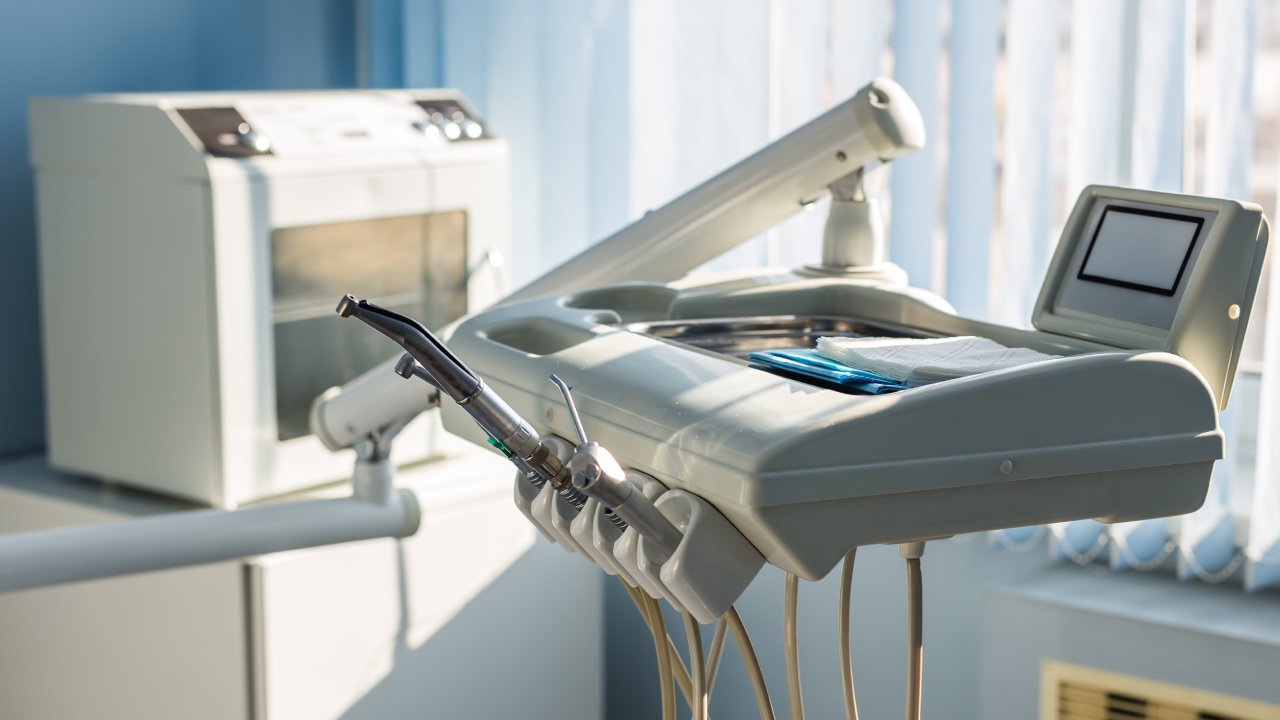
Modern dentistry looks nothing like it did twenty years ago, and understanding what technology do modern dentists use helps you make a smarter decision when choosing where to get care. The tools a practice invests in signal how seriously it takes accurate diagnosis, patient comfort, and efficient treatment.
Digital Imaging and Diagnostic Tools
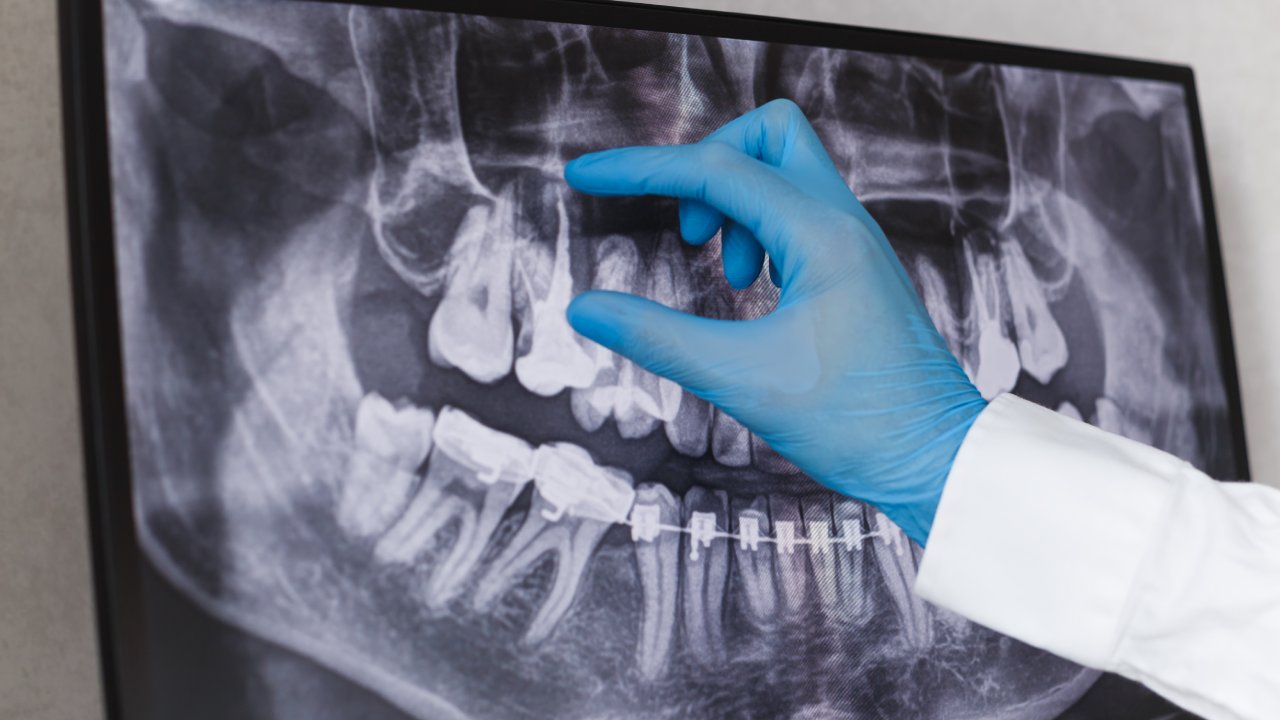
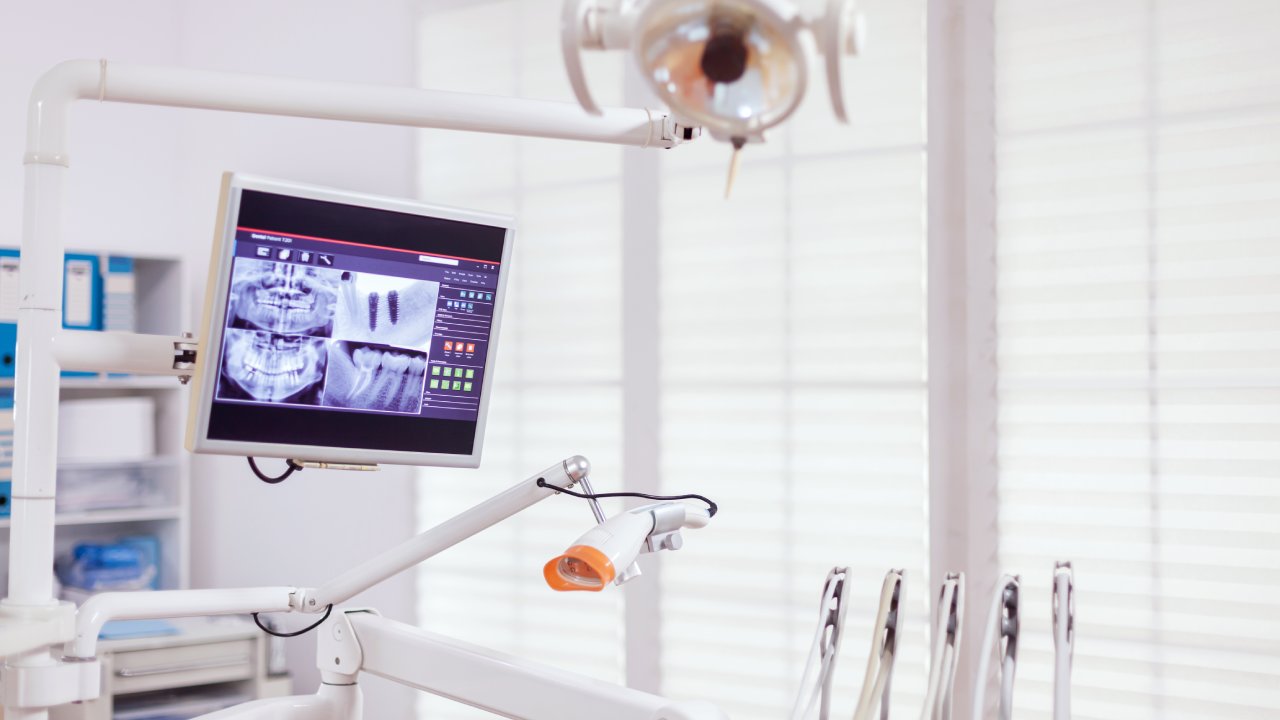
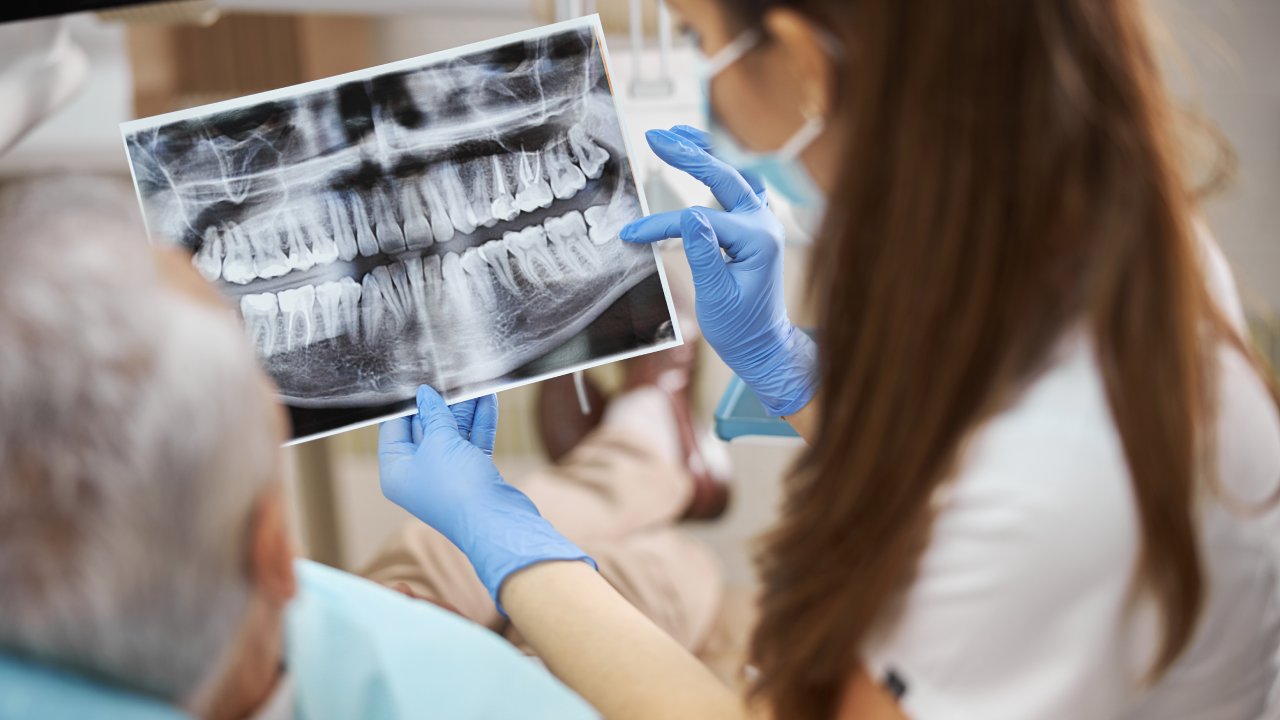
Digital X-rays have replaced traditional film in most forward-thinking practices, and the difference matters to you directly. According to the American Dental Association, digital radiography reduces radiation exposure by up to 80 percent compared to conventional film-based X-rays. The images also appear on screen within seconds, allowing the clinical team to zoom, adjust contrast, and review details that film simply cannot capture as clearly. If you want to understand how the shift away from film changes your experience in the chair, the precision and speed difference becomes apparent quickly.
Beyond standard digital X-rays, cone beam computed tomography (CBCT) scanning gives dentists a three-dimensional view of your teeth, roots, jaw, and surrounding bone. This is especially relevant if you’re considering implants or dealing with complex root anatomy. Traditional two-dimensional images can obscure structural issues that a CBCT scan reveals immediately. Before your next exam, ask directly whether the practice uses digital X-rays and what imaging formats are available for more complex cases.
Intraoral Cameras
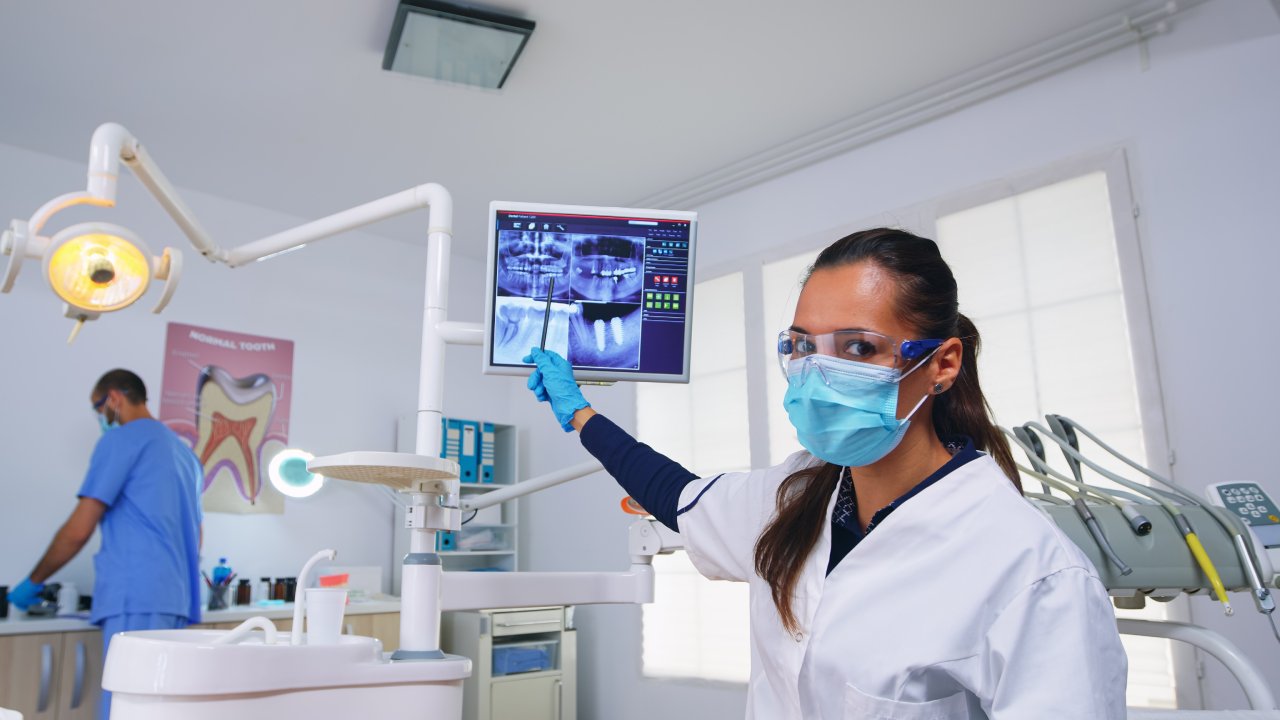
An intraoral camera is a small, wand-shaped device that captures high-definition video and still images from inside your mouth. The images appear on a chairside screen in real time, meaning you see exactly what the dentist sees at the moment of examination. This matters for more than curiosity. When a patient can see a cracked tooth or early decay for themselves, treatment decisions become collaborative rather than one-sided. If you want a closer look at what these images reveal during an appointment, the detail is often surprising. Ask to view your intraoral images at your next checkup.
AI-Assisted Diagnosis
Artificial intelligence software now works alongside dentists to analyze X-rays and clinical images, flagging cavities, bone loss, and early-stage pathology that may not be immediately obvious to the human eye. A 2022 study published in the Journal of Dental Research found that AI-assisted radiograph analysis improved cavity detection accuracy by 20 percent compared to visual interpretation alone. The practical outcome for you is a higher likelihood that small problems get caught before they become expensive ones. Ask whether the practice uses AI-assisted imaging software as part of its diagnostic workflow.
Same-Day Restorations With CAD/CAM and 3D Printing
CAD/CAM technology, which stands for computer-aided design and computer-aided manufacturing, allows a dentist to design, mill, and place a permanent crown, veneer, or bridge in a single appointment. The tooth is scanned digitally, the restoration is designed on-screen, and a milling unit carves it from a ceramic block while you wait. No temporary crown, no second appointment, no waiting two weeks for a lab. A 2019 study in the Journal of the American Dental Association found that same-day CAD/CAM crowns demonstrated five-year survival rates comparable to traditionally fabricated restorations. If you need a crown, ask whether chairside milling is available before scheduling.
3D Printing for Custom Dental Solutions
Three-dimensional printing has moved beyond prototyping and into everyday clinical use. Surgical guides for implant placement, custom night guards, clear aligners, and implant components are now routinely printed in-office or through fast-turnaround labs. The precision is measurably higher than older fabrication methods, and turnaround times are significantly shorter than traditional lab work. If you’re being fitted for a night guard or orthodontic aligner, ask whether it’s printed in-house or sent to an external lab and what the timeline difference is.
Laser Dentistry for Less Invasive Treatment
Laser dentistry replaces the drill for a growing list of procedures, including gum disease treatment, cavity preparation, frenectomies, and soft tissue reshaping. The patient experience shifts in a meaningful way: less vibration, less bleeding, and faster healing. Anesthesia is often unnecessary for soft tissue procedures performed with a laser. A 2020 study in Lasers in Medical Science, examining 240 patients who received laser-based periodontal treatment, reported significantly lower postoperative pain scores and faster tissue recovery compared to traditional scalpel techniques. If you’re scheduled for a gum procedure or cavity treatment, ask directly whether a laser-based option is available at that practice. Understanding how these advances reduce discomfort at the procedural level helps you ask better questions before agreeing to a treatment plan.
Digital Impressions and Clear Aligner Technology
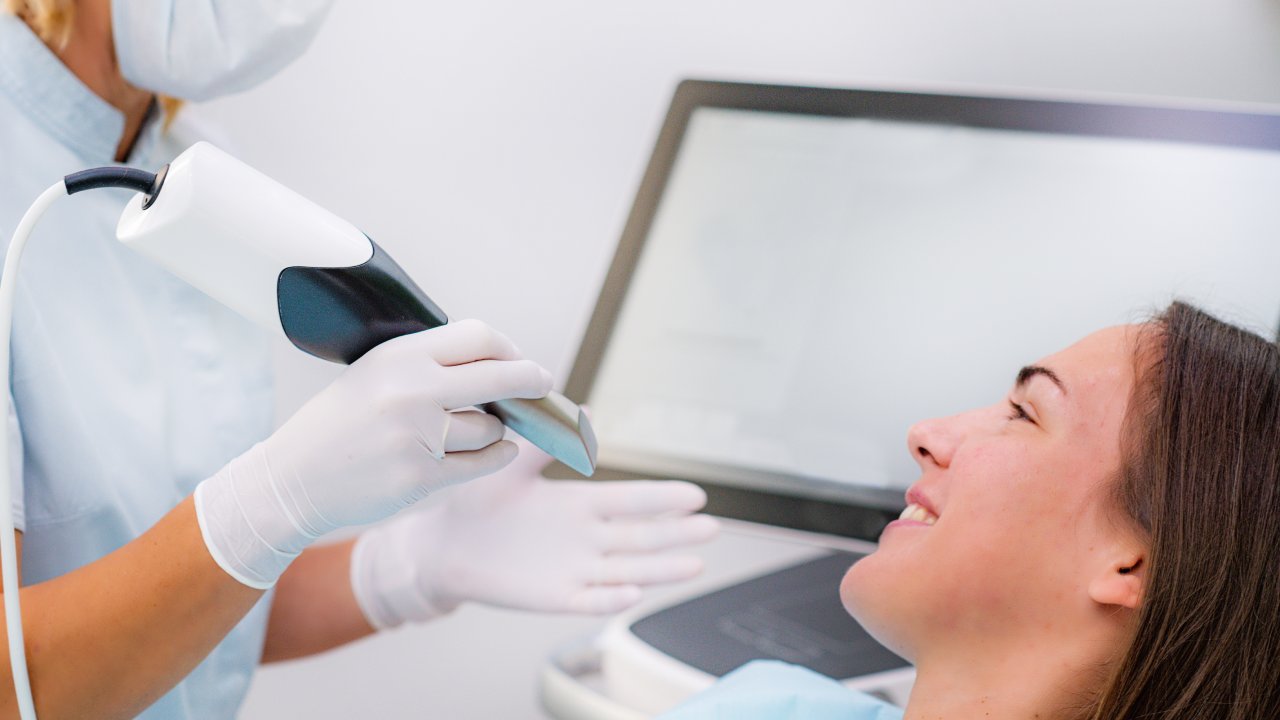
Traditional putty impressions trigger gag reflexes, require careful handling, and introduce measurement error if the material shifts during setting. Digital scanning eliminates all of that. A handheld wand captures a precise three-dimensional model of your teeth in minutes, and the data feeds directly into treatment planning software for clear aligner systems like Invisalign. A 2020 clinical study published in the European Journal of Orthodontics found that digital impressions produced significantly higher fit accuracy for aligner fabrication compared to traditional physical impressions. If you’re considering orthodontic treatment, ask whether the practice uses digital scanning rather than physical impressions.
Teledentistry and Digital Records
Teledentistry allows initial consultations, post-treatment follow-ups, and triage for non-urgent concerns to happen remotely. For working professionals managing tight schedules or parents coordinating care for multiple family members, this is genuinely useful. A 2021 report from the American Dental Association Health Policy Institute found that 76 percent of dentists had used teledentistry at least once since 2020, and patient satisfaction scores for virtual consultations matched those for equivalent in-person triage visits. Integrated electronic health records complement this by reducing redundant X-rays and ensuring that when a specialist is involved, they receive accurate, complete clinical history without delays. Check whether a practice offers virtual consultation options before booking an in-person visit for a non-urgent concern.
Knowing which tools a practice uses is also one of the clearest ways to evaluate a dental office before committing to care there. Technology investments reflect clinical priorities, and practices that update their diagnostic and treatment equipment consistently tend to approach care more precisely overall.
Ask Two Questions Before Your Next Appointment
Call or message any dental practice you’re considering and ask two things: whether digital X-rays are in use, and whether same-day restorations are available. Those two answers tell you a great deal about the overall technology investment and the practice’s commitment to accurate, efficient care. A practice that can answer yes to both is worth a closer look.