
Why choose a walk-in emergency dentist
When you are in severe pain or you have suddenly broken or knocked out a tooth, waiting days for an appointment is not realistic. A walk-in emergency dentist is equipped to provide same day, urgent care so you can get pain relief quickly and prevent further damage to your teeth and gums.
Instead of sitting for hours in a hospital emergency room, you can usually be seen more quickly by a dentist who can diagnose and treat the actual problem. Hospitals can typically offer pain medication or help with bleeding, but they are not set up to do fillings, root canals, or tooth repairs in most cases [1]. That is why going directly to a walk-in emergency dentist is often the most efficient way to handle a dental crisis.
If you are in the Charlotte area, a walk-in or dental emergency clinic such as Belvedere can often provide same day dental care charlotte for pain, trauma, or broken teeth. Understanding what to expect at that first visit can reduce anxiety and help you get the care you need as quickly as possible.
When you should go in immediately
Not every problem requires a walk-in emergency dentist, but some situations should never wait. Knowing the difference helps you decide when to seek care right away.
You should seek urgent or same day care if you experience any of the following:
- Severe or throbbing tooth pain that does not improve with over the counter medication
- A knocked out, dislodged, or badly broken tooth
- Visible swelling of your face, jaw, or gums
- Signs of infection like pus, a bad taste, or fever with dental pain
- Uncontrolled bleeding after an injury or dental procedure
- Trauma to the jaw, mouth, or teeth
Severe toothaches are one of the most common reasons people visit an emergency dentist. They are often linked to decay or infection that must be treated quickly to prevent complications [2]. A walk-in emergency dentist can provide targeted toothache relief dentist services so you are not relying only on pain medication.
If you have suffered a blow to the mouth and your tooth is knocked out, time is critical. Many dental organizations advise gently rinsing the tooth, avoiding scrubbing, and either carefully placing it back in the socket or storing it in milk to keep it moist until you can be seen. Getting to a dentist within about an hour gives you the best chance of saving the tooth [3].
If your emergency includes heavy, uncontrolled bleeding or possible broken facial bones, you should go directly to the emergency room first, then see an emergency dentist for dental repair once you are medically stable [1].
How to prepare before you arrive
Even in an urgent situation, a few quick steps before you arrive at a walk-in emergency dentist can support a smoother visit and better outcomes.
If you can, gather:
- A list or photo of any medications you currently take
- Your dental and medical insurance cards
- A photo ID
- Any dental appliances, broken pieces of tooth, or crowns that have fallen out
If your tooth has cracked or a restoration has failed, bringing the broken piece sometimes allows for faster broken tooth repair urgent or emergency crown repair. In many cases, emergency dentists can repair cracked, chipped, or knocked out teeth in one visit with procedures like bonding or reimplantation when appropriate [4].
While you are waiting to come in, you may be able to:
- Take over the counter pain relievers as directed, if you are allowed to use them
- Apply a cold compress externally to reduce swelling
- Rinse gently with warm saltwater if there is no active heavy bleeding
- Place sugarless gum or temporary dental material over a lost filling or crown to protect the tooth until you are seen [5]
If you are dealing with significant trauma, do not put off contacting a dental emergency clinic or calling the office that offers emergency dental open now services. Most practices that prioritize walk-in emergencies reserve time in their schedule for urgent care and will advise you on the safest way to manage symptoms until you arrive.
What happens at check in
When you walk into an emergency dental office, the first step is usually a brief check in. Even if you are in a lot of pain, providing accurate information at this stage helps the team respond quickly and safely.
You can expect to:
- Fill out or update medical and dental history forms
- Share your main symptoms and when they started
- Note any allergies, especially to medications or anesthesia
- Provide insurance details and sign consent forms
At some clinics like Aspen Dental, check in is designed to be as fast as possible, followed by a focused exam and x rays if needed [6]. Walk-in emergency dentists understand that you are there for immediate help, so they prioritize efficient intake while still gathering the information needed to treat you appropriately.
If you are in severe pain or distress, let the front desk staff know right away. Many offices will notify the clinical team so they can triage you more quickly and address your pain as soon as safely possible.
Your emergency dental examination
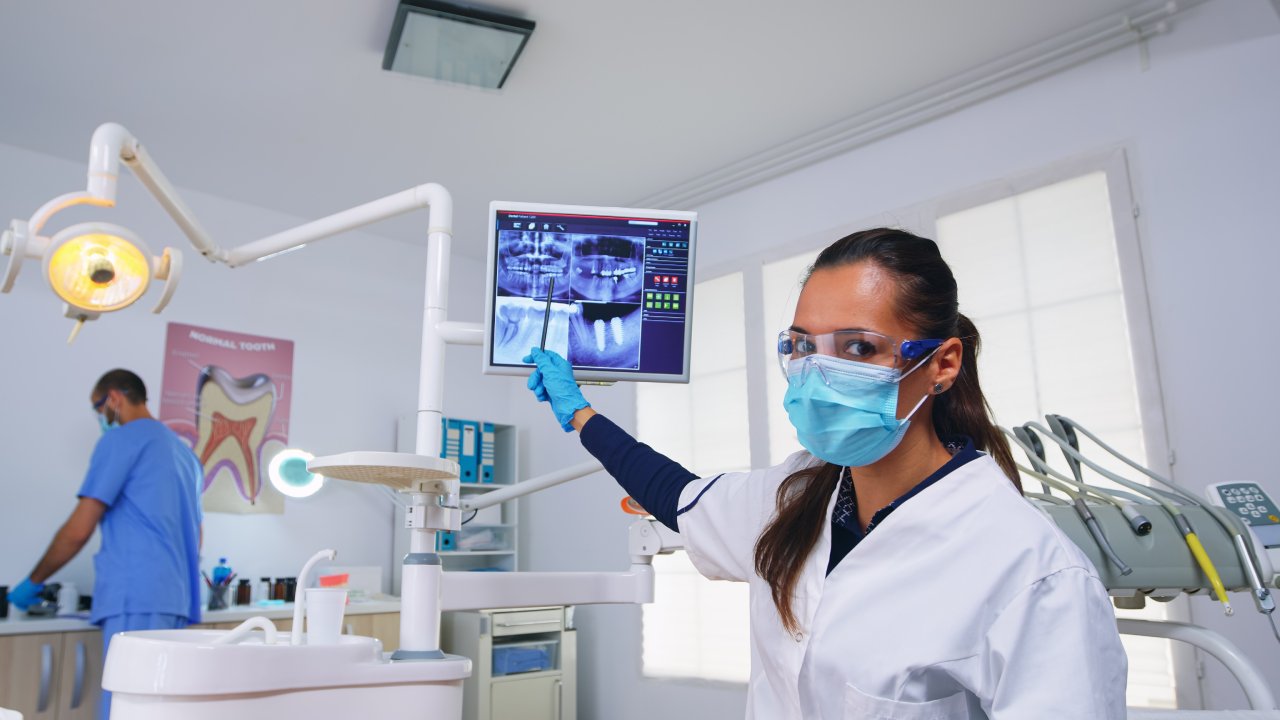
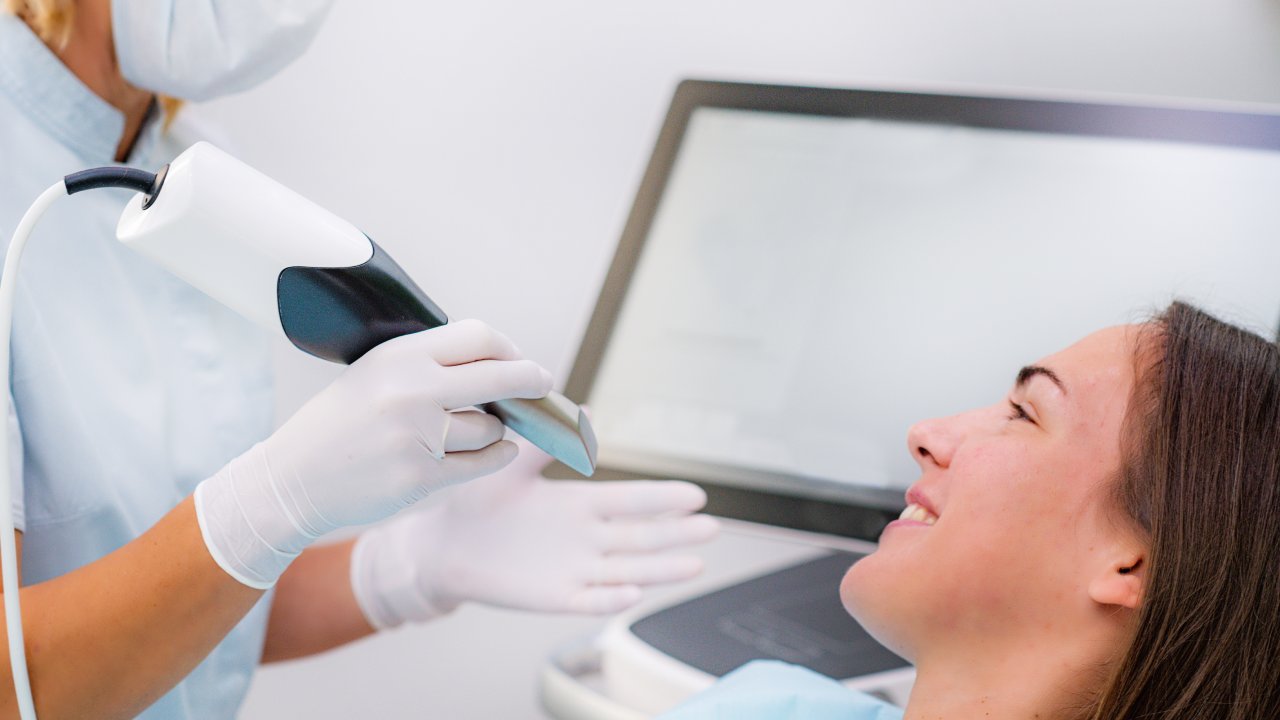
After check in, the dentist and clinical team will conduct a targeted evaluation to find the source of your problem. This step is crucial, because similar symptoms can have different underlying causes that require different treatments.
During your examination, you can usually expect:
- A focused conversation about your pain or injury, including what makes it better or worse
- A visual inspection of your teeth, gums, and soft tissues
- Testing individual teeth for sensitivity to temperature or pressure
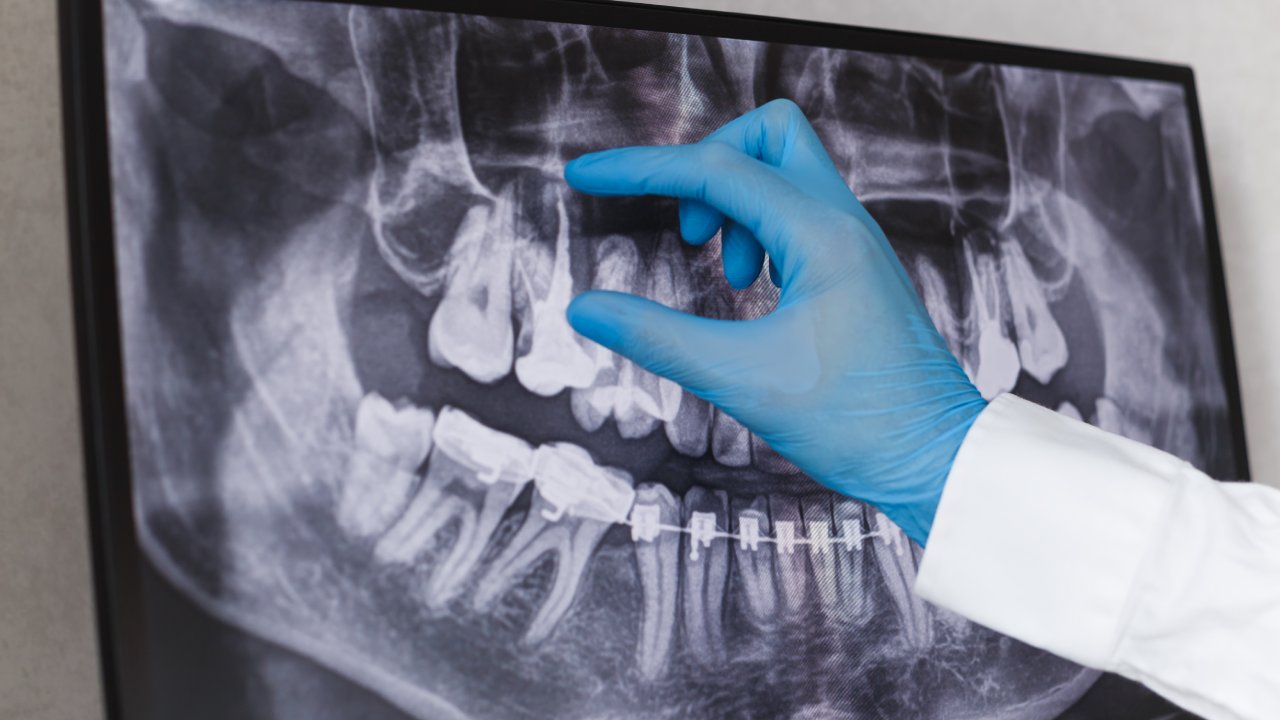
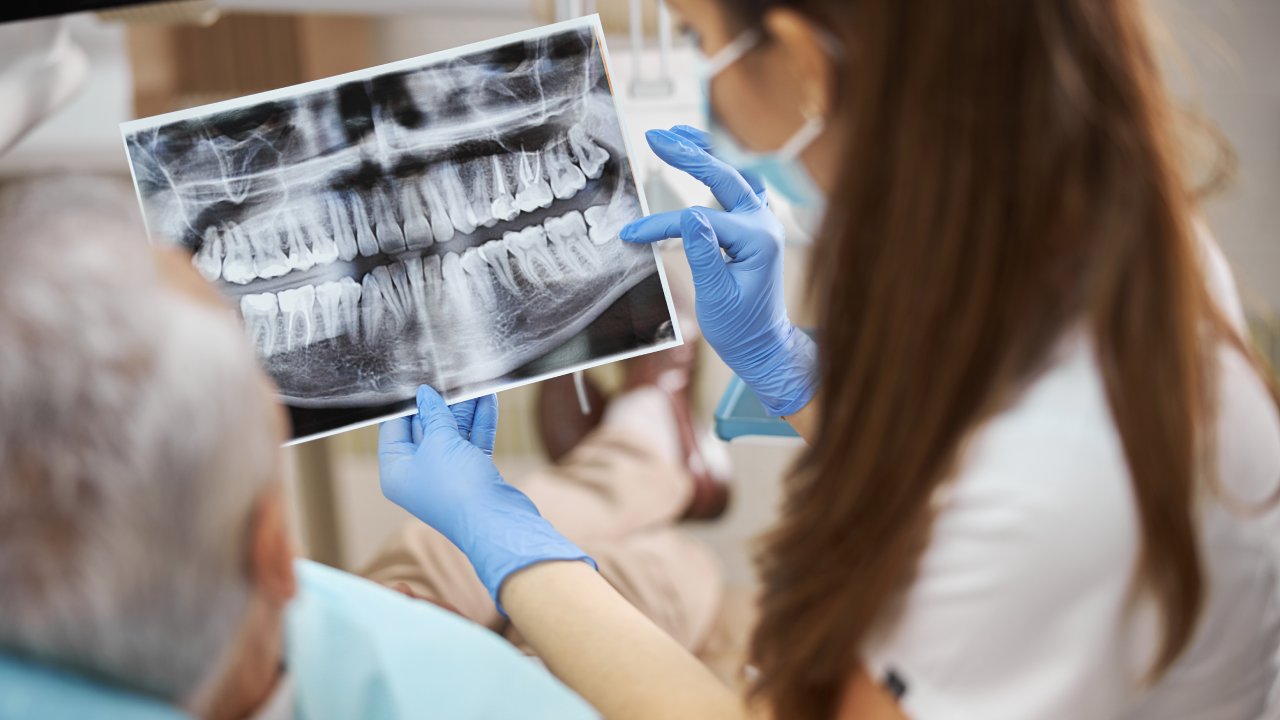
- X rays to check for decay, infection, fractures, or bone issues, when appropriate
A basic emergency exam that includes evaluation and x rays typically falls within a predictable cost range at many practices, often around 100 to 200 dollars, although exact fees will vary [7]. The purpose of this visit is to understand what is happening and to create a plan to relieve your pain and protect your oral health, whether that requires immediate treatment or a staged approach.
If you have sustained trauma, the dentist will also assess for signs of dental or jaw injuries, a service sometimes referred to as dental trauma care charlotte in local contexts. In many cases, quick stabilization and treatment can prevent long term problems and save teeth that might otherwise be lost.
Pain relief and stabilization
One of the main reasons you choose a walk-in emergency dentist is to get out of pain. After your exam, the clinical team will usually focus on stabilizing your condition and providing relief as soon as safely possible.
Depending on your situation, this may include:
- Local anesthesia to numb the affected area
- Draining an abscess to reduce pressure and infection when appropriate
- Smoothing sharp edges on broken teeth
- Placing a temporary filling or protective dressing
- Starting antibiotics if there is clear evidence of infection
Many dental offices emphasize that seeking emergency care quickly can prevent minor problems from becoming major ones that require more invasive treatment later [5]. For example, addressing early signs of infection may help you avoid spreading infection and lower your risk of needing extensive surgery.
If you are dealing with a severe toothache, a walk-in emergency dentist can often provide targeted relief by opening the tooth to reduce pressure or starting an emergency root canal charlotte style procedure when appropriate. This approach removes infected tissue, relieves pain, and can preserve the tooth whenever possible [4].
Common treatments provided on the spot
Many urgent problems can be treated in a single visit, especially when you go to a walk-in emergency dentist that is equipped for both diagnosis and same day procedures. The exact treatment you receive will depend on what the dentist finds during your exam.
Here are some of the most common services performed during a first emergency visit:
Repairing cracked, chipped, or broken teeth
If your tooth is chipped or cracked but the root is intact, the dentist may be able to repair it immediately. Procedures can include shaping and bonding, placing a filling, or preparing the tooth for a crown. At some practices, damaged teeth are restored in one visit using dental bonding or similar techniques [4].
For minor fractures or cosmetic chips, this type of chipped tooth repair urgent approach can quickly restore appearance and function. Deeper fractures may require more advanced urgent dental repair services or a staged treatment plan.
Managing lost crowns, fillings, or restorations
If a filling, crown, bridge, or denture breaks or comes loose, a walk-in emergency dentist can often reattach, repair, or replace it. Aspen Dental, for example, provides assessment and repair of broken restorations, along with emergency denture repair, often on the same day [6].
Your dentist may:
- Recement a crown or bridge if it still fits well
- Place a new temporary or permanent filling
- Adjust or repair a broken denture or appliance
In some cases, a temporary solution is used first so your tooth is protected while a definitive restoration is made. When this occurs, you will usually be given a clear follow up plan.
Root canal treatment for infected teeth
When pain is caused by infection inside the tooth, root canal therapy is often the best way to both relieve pain and save the tooth. Many emergency dentists are prepared to start this treatment during a walk-in visit, especially when there is evidence of severe infection or an abscess.
Root canal treatment involves removing infected or inflamed tissue from inside the tooth, disinfecting the canals, and sealing them to prevent reinfection. Bright Smile Dental notes that promptly performed root canals can eliminate infection, relieve pain, and restore the tooth when needed [4].
Emergency extractions when required
Sometimes a tooth is too damaged or infected to save. In these cases, your walk-in emergency dentist may recommend removal to protect your health. Simple extractions, when the tooth is visible and can be easily removed, generally fall within a price range of about 75 to 250 dollars per tooth in many settings, while surgical extractions may be higher, often around 200 to 600 dollars per tooth, depending on complexity [8].
If you need a tooth removed, an urgent extraction dentist will explain:
- Why extraction is recommended
- What the procedure involves
- How to care for the site afterward
- Your options for replacing the tooth later, such as bridges, dentures, or implants
You may also receive information about managing discomfort and preventing complications as you heal.
Understanding costs and payment options
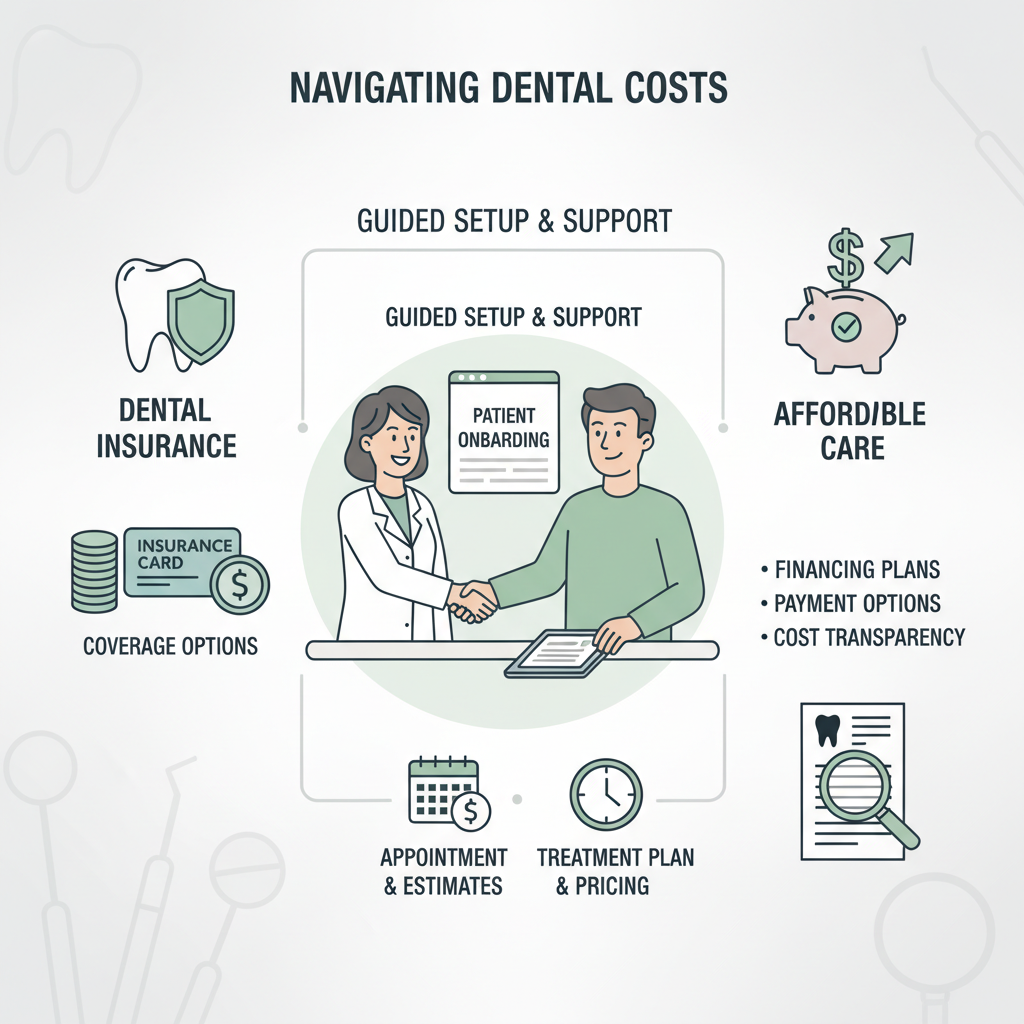
Cost is a common concern when you are seeking emergency care. While exact fees vary by location, provider, and treatment type, you can usually expect separate charges for your emergency examination and any procedures performed.
For example, a basic emergency exam that includes evaluation and x rays typically costs around 100 to 200 dollars at some practices [7]. Treatment costs then depend on what you need, such as fillings, root canals, or extractions.
Some key points to keep in mind:
- Many dental insurance plans include coverage for emergency visits, although amounts and co pays differ by plan [9]
- Offices often verify your benefits and provide an estimate before treatment whenever possible
- For patients without insurance, many practices offer payment plans or financing to spread costs out over time
Some larger clinic networks, such as Aspen Dental, highlight 3rd party financing options and in house dental savings plans that can reduce the cost of services for an annual fee, although offerings vary by organization and location [6].
At a practice that prioritizes urgent care, such as an emergency dentist charlotte provider, you can usually speak with team members who are familiar with coordinating benefits during emergencies and helping you understand your options before proceeding.
A practical rule of thumb is to treat a dental emergency promptly, even if you need a payment plan, because delaying care often leads to more complex and expensive treatment later.
What happens after your visit
Your first walk-in emergency dentist appointment is often only the beginning of your recovery. After immediate pain relief and stabilization, you will usually receive a clear plan for next steps.
This plan may include:
- Follow up appointments to complete long term restorative work
- Instructions for caring for the treated area at home
- Prescriptions for pain medication or antibiotics if needed
- Recommendations for preventing similar problems in the future
If you were treated for a serious infection or an abscess, your dentist will explain signs to watch for and when to seek additional care immediately. Infections that are left untreated can spread and become serious health risks, which is why tooth abscesses are always considered emergencies [10].
You may also receive guidance on everyday habits that help protect your oral health, such as:
- Keeping up with regular dental checkups and cleanings
- Wearing a mouthguard during sports or high risk activities
- Avoiding using your teeth to open packaging or bite hard objects, which commonly causes fractures [2]
If your emergency was related to trauma or a long neglected problem, your visit can also be an opportunity to establish ongoing care with a practice that offers pain relief dental clinic services and routine dentistry. Consistent follow up makes it less likely that you will face another unexpected crisis.
Choosing the right walk-in emergency dentist
Not every office is equally prepared for urgent care. When you are in pain, you want a team that can see you quickly, manage complex problems, and offer clear communication throughout.
When possible, look for a provider that:
- Offers same day or urgent dental appointment options
- Has experience with dental emergency charlotte nc style situations, including trauma, infection, and severe pain
- Can provide both temporary relief and definitive treatment, such as urgent dental repair services and root canals
- Communicates clearly about costs, insurance, and payment plans
Belvedere and similar walk-in practices are designed to respond quickly to emergencies like broken teeth, abscesses, and sudden pain. Whether you need emergency crown repair, broken tooth repair urgent, or evaluation for a possible extraction, choosing a provider that focuses on urgent care gives you a better chance of fast relief and long term success.
By understanding what to expect at your first walk-in emergency dentist visit, you can arrive more prepared, ask informed questions, and take an active role in protecting your oral health, even in the middle of a crisis.