
Most people choose a dental office based on location and whether it takes their insurance. That’s understandable, but it leaves out the factors that actually determine whether you get an accurate diagnosis, an efficient treatment, and a comfortable experience. Knowing how to compare dental offices by technology and quality of care gives you a framework that goes well beyond star ratings.
Why Technology Gaps in Dental Offices Cost Patients More Than They Realize
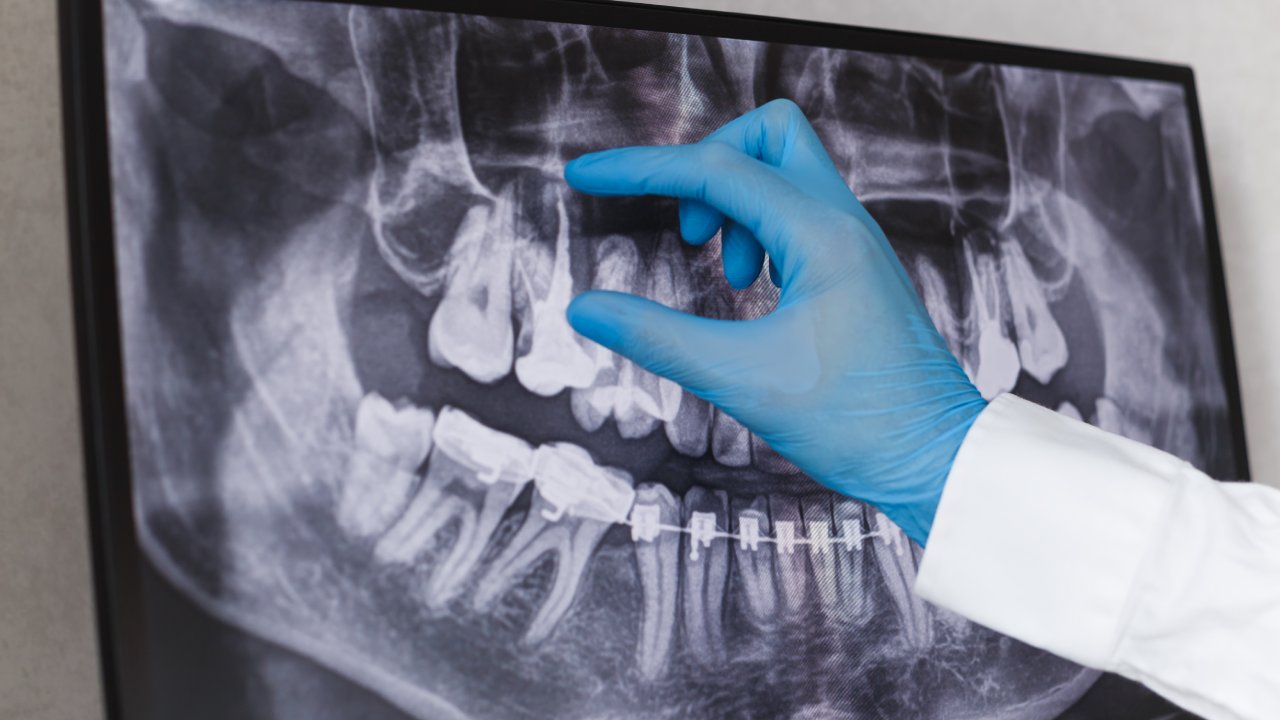
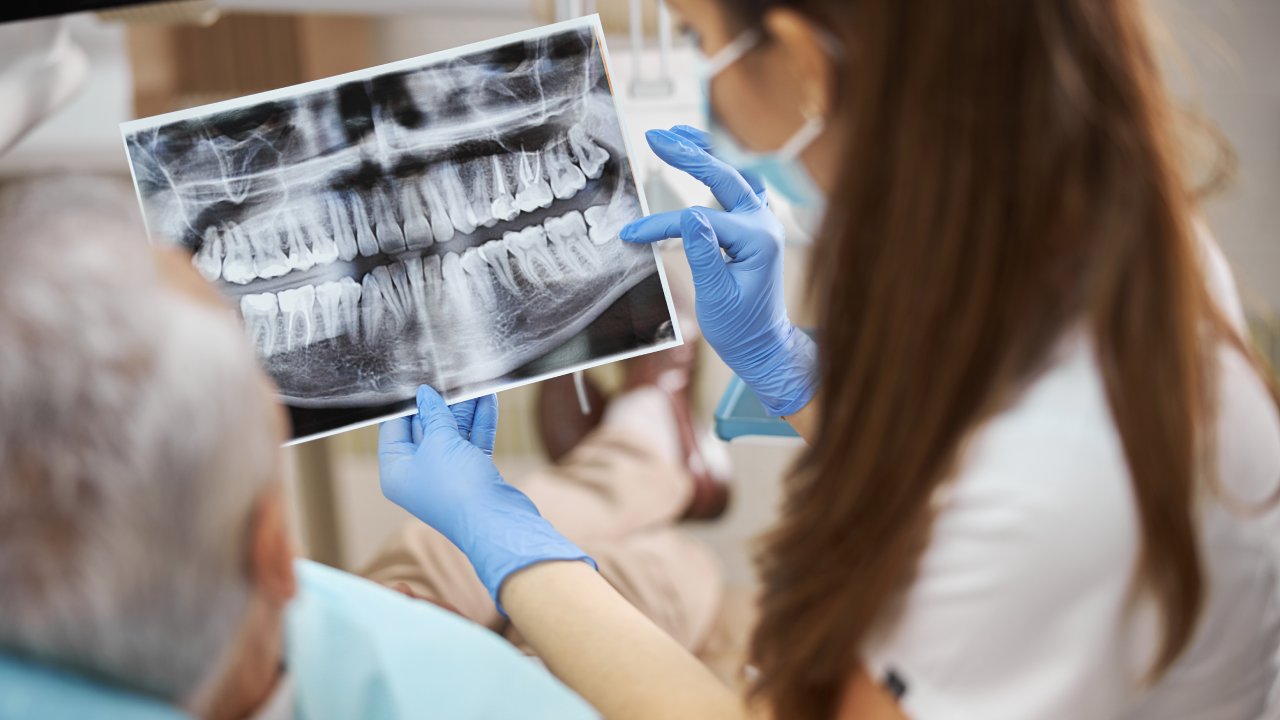
A 2022 study published in the Journal of the American Dental Association found that digital radiography reduced diagnostic radiation exposure by up to 80% compared to traditional film, while simultaneously improving image resolution for detecting early-stage decay and bone loss. That gap matters every time you sit in the chair.
Offices still using conventional film aren’t just behind on equipment. They’re giving the clinical team less information to work with, which translates into missed findings, more follow-up appointments, and higher out-of-pocket costs over time. Understanding how digital X-rays reduce radiation exposure helps you ask sharper questions before you book. Before your next appointment, call the front desk and ask directly: what imaging technology does the office use?
The Four Technologies That Separate Modern Dental Offices From the Rest
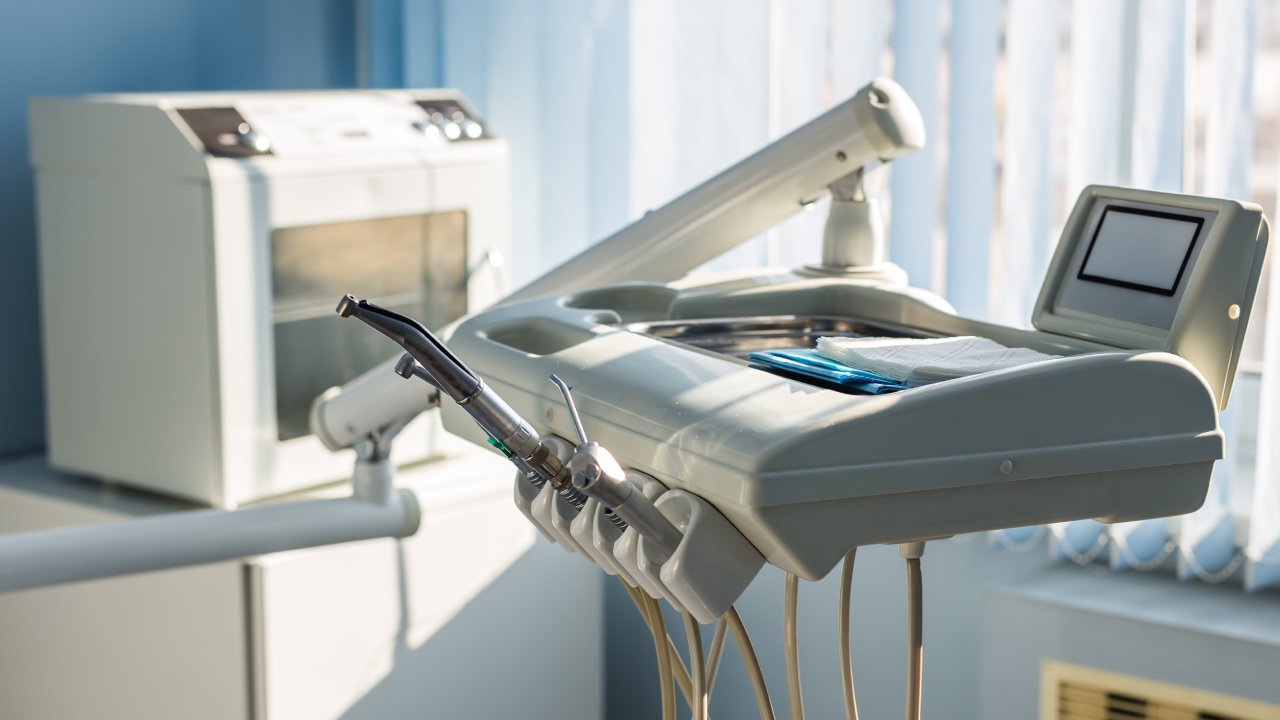
Equipment signals priority. A practice that invests in diagnostic tools is making a statement about how seriously it takes accuracy and patient outcomes. Here are the four worth asking about specifically.
Digital X-Rays and 3D Cone Beam Imaging
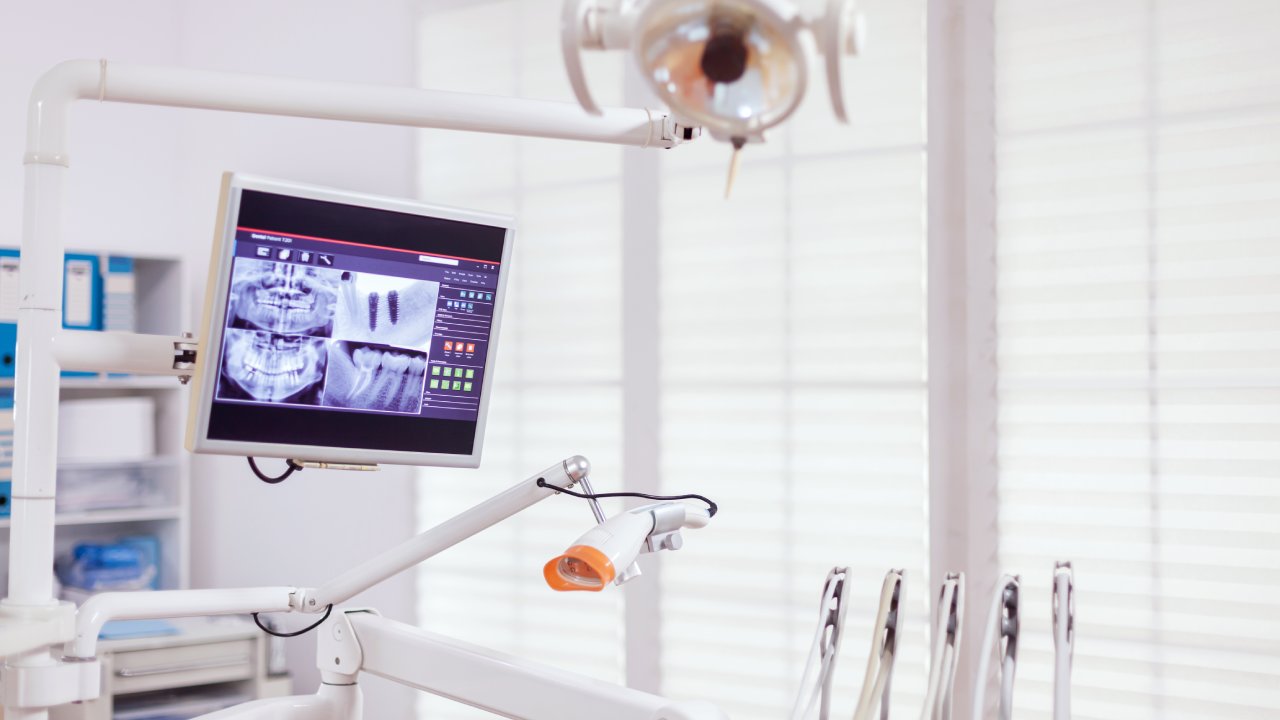
A 2023 study in the Journal of Endodontics found that cone beam computed tomography (CBCT) improved diagnostic accuracy for root canal treatment by 34% compared to two-dimensional film, particularly in identifying canal anatomy and periapical pathology. For implant planning, the difference is even more pronounced: 3D imaging maps bone density and nerve location in spatial detail that a flat X-ray cannot provide.
Plain-language translation: if a practice still uses traditional film, it’s working from an incomplete picture when planning complex treatments. Before committing to implant or root canal treatment, ask whether the office uses cone beam CT imaging. A one-word answer of “yes” tells you the practice has made a real diagnostic investment.
Same-Day CAD/CAM Crowns
A 2021 ADA survey of member dentists found that same-day CAD/CAM milling reduced the rate of temporary crown failures and related complications, while cutting the total number of appointments required from two to one. Temporary crowns, placed while a lab fabricates the permanent restoration, carry a meaningful failure risk: they can fracture, fall off, or allow bacterial infiltration before the final crown is seated.
Same-day milling eliminates that window entirely. The crown is designed, milled, and placed in a single visit. Before scheduling crown work, confirm whether the office has in-house milling capability.
Intraoral Cameras and Digital Charting
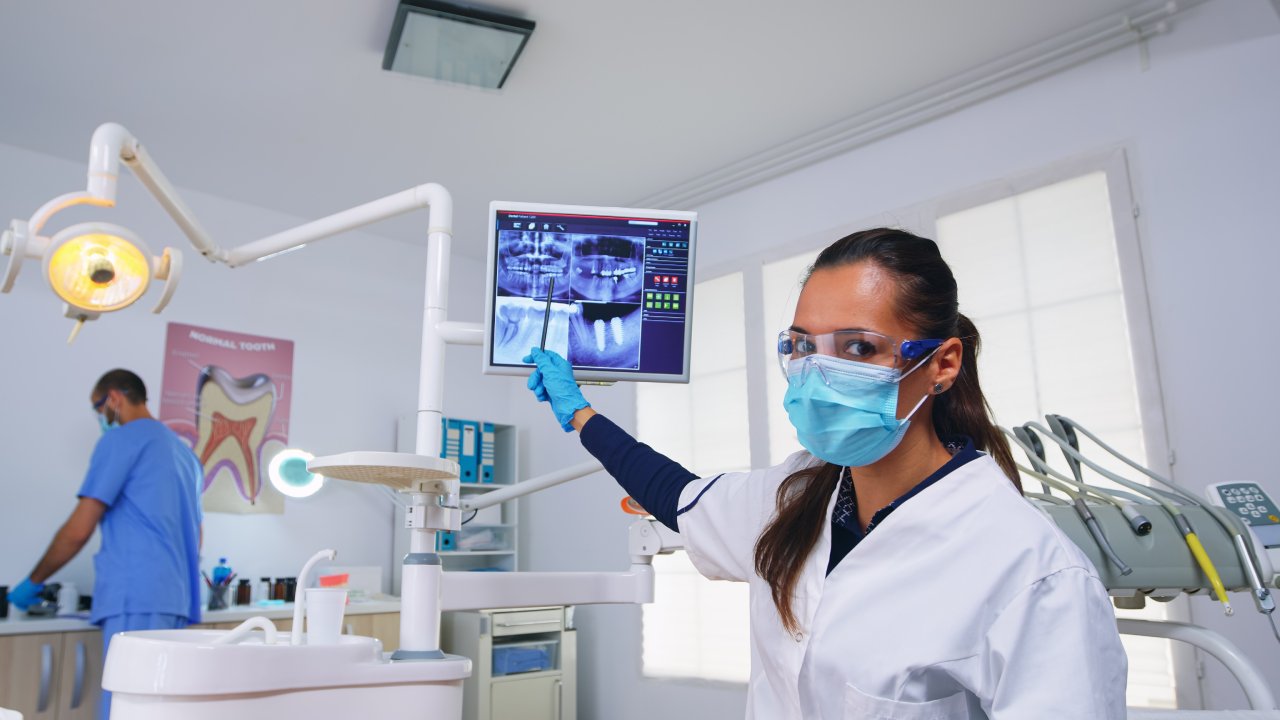
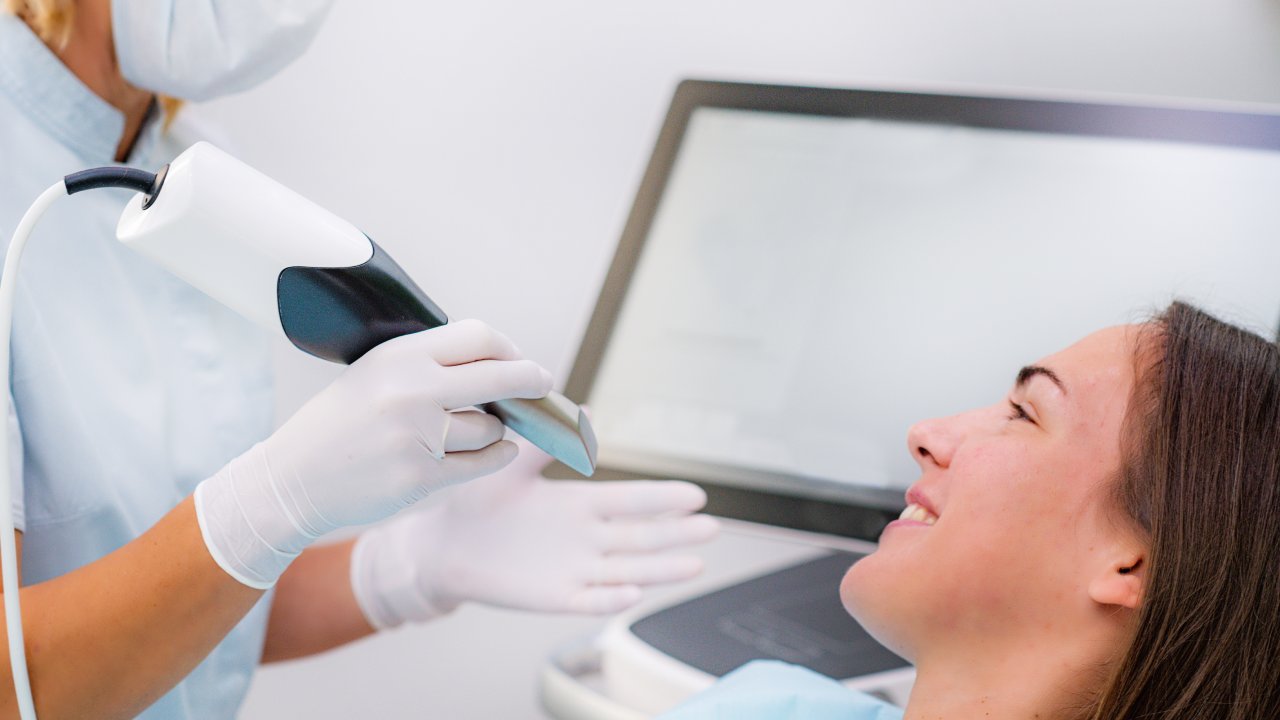
A study published in the Journal of Dental Education found that patients who viewed intraoral camera images of their own dentition during an appointment showed significantly higher treatment acceptance rates than patients who received only verbal explanations. Seeing a cracked cusp or a failing margin removes ambiguity and speeds up the decision process.
What these cameras actually show patients goes beyond what any verbal description can convey. At your next cleaning, ask the hygienist to walk you through the intraoral camera images before you leave.
How to Measure Quality of Care Beyond Google Reviews
A 2021 study in JAMA Internal Medicine analyzed nearly 17,000 physician ratings across major review platforms and found that star ratings correlated weakly with objective clinical quality measures, particularly in specialty care settings. Dental reviews follow the same pattern: patients rate parking, wait times, and friendliness far more readily than they rate diagnostic accuracy or sterilization compliance.
Quality of care is measurable. You just have to ask for the right data. Before booking, ask the front desk how many continuing education hours the lead dentist completed in the last 12 months.
What Credentials and Continuing Education Actually Signal
The ADA requires dentists to complete continuing education for license renewal, but state minimums vary and don’t reflect clinical depth. Dentists who pursue advanced credentials such as the Fellowship in the Academy of General Dentistry (FAGD), the Mastership designation (MAGD), or specialty board certification through the American Board of Oral and Maxillofacial Surgery are actively self-selecting for clinical rigor beyond what licensing requires. For implant work specifically, ABOI/ID board certification signals advanced training in osseointegration and surgical protocol.
Verify credentials directly through the ADA’s Find-a-Dentist tool or your state dental board’s public profile system. Don’t rely on what’s listed on the practice website alone.
How to Read a Dental Office’s Infection Control Standards
CDC guidelines and OSAP (Organization for Safety, Asepsis and Prevention) protocols require autoclave sterilization with documented spore testing to confirm that sterilization cycles are functioning correctly. A 2019 OSAP audit of private dental practices found measurable variance in compliance, with smaller offices showing the widest gaps in documentation practices.
Sterilization failures are invisible to patients but detectable through direct questions. Ask whether the office conducts weekly spore testing on its sterilization equipment. A confident, specific answer signals compliance. Hesitation or a vague response signals a gap worth noting.
Matching the Right Dental Office to Your Specific Situation
A 2023 CDC report using NHANES data found that 34% of adults delayed or avoided dental care in the previous year due to access barriers, cost concerns, or lack of confidence in finding a provider suited to their needs. The best dental office is the one structured around how you actually live.
Families and Young Children
An American Academy of Pediatric Dentistry study on early diagnostic intervention found that practices using laser cavity detection tools such as DIAGNOdent identified early-stage enamel lesions at significantly higher rates than visual examination alone, reducing the likelihood of first-time fillings in children under ten. Before a child’s first filling is recommended, ask whether the office uses laser cavity detection.
Adults Pursuing Implants or Cosmetic Work
A 2022 study in the International Journal of Oral and Maxillofacial Implants found that CBCT-guided surgical stent placement reduced implant positioning errors by 41% compared to freehand techniques, with significantly lower rates of nerve proximity complications. How accurate diagnosis shapes treatment outcomes is particularly relevant when the procedure is irreversible. Before committing to an implant treatment plan, confirm that the dentist uses surgical stents derived from CBCT imaging.
What to Try This Week
Call or message two dental offices in the Charlotte area today and ask three questions: what imaging technology do you use, does the dentist pursue continuing education beyond state requirements, and do you offer same-day crowns. The answers tell you more than any review site, and the whole exercise takes under ten minutes.