If your tooth hurts and you are wondering how long you can wait, the 3-3-3 dental rule offers a simple way to think about it. It is a popular shorthand, not an official standard, and it breaks down into three days, three things to do at home, and three signs that call for urgent care. Maybe you searched “What is the 3-3-3 dental rule?” next to “dentist near me,” hoping for a number that says your tooth can hold off a little longer. The rule works best as a push to call, not as permission to wait. Below you will find what each part means, what you can do tonight, how to tell a good dentist from a poor fit, and how to get seen at Belvedere Dentistry in Charlotte, NC.
What is the 3-3-3 dental rule?
The 3-3-3 dental rule is a three-part checklist for tooth pain. Call a dentist if a toothache or broken tooth lasts about three days, do three simple things at home in the meantime, and watch for three warning signs that mean you should seek urgent care. It is a memory aid, not a medical guideline.
No professional dental organization publishes a rule by this name. The American Dental Association’s home oral care guidance focuses on everyday habits, such as brushing twice a day with fluoride toothpaste and cleaning between your teeth once a day. It does not include a 3-3-3 rule. The version in this article is a practical framework built from common dental first-aid advice, and it has no official stamp. Here is how this article uses it:
- 3 days: If pain, swelling, or a broken tooth lasts about three days, call a dentist. Calling sooner is fine.
- 3 home steps: Rinse with warm salt water, hold a cold compress on your cheek, and keep the area clean while you avoid chewing on that side.
- 3 urgent signs: Swelling in your face or jaw, a fever, or trouble swallowing or breathing. Any one of these is a reason to seek care right away.
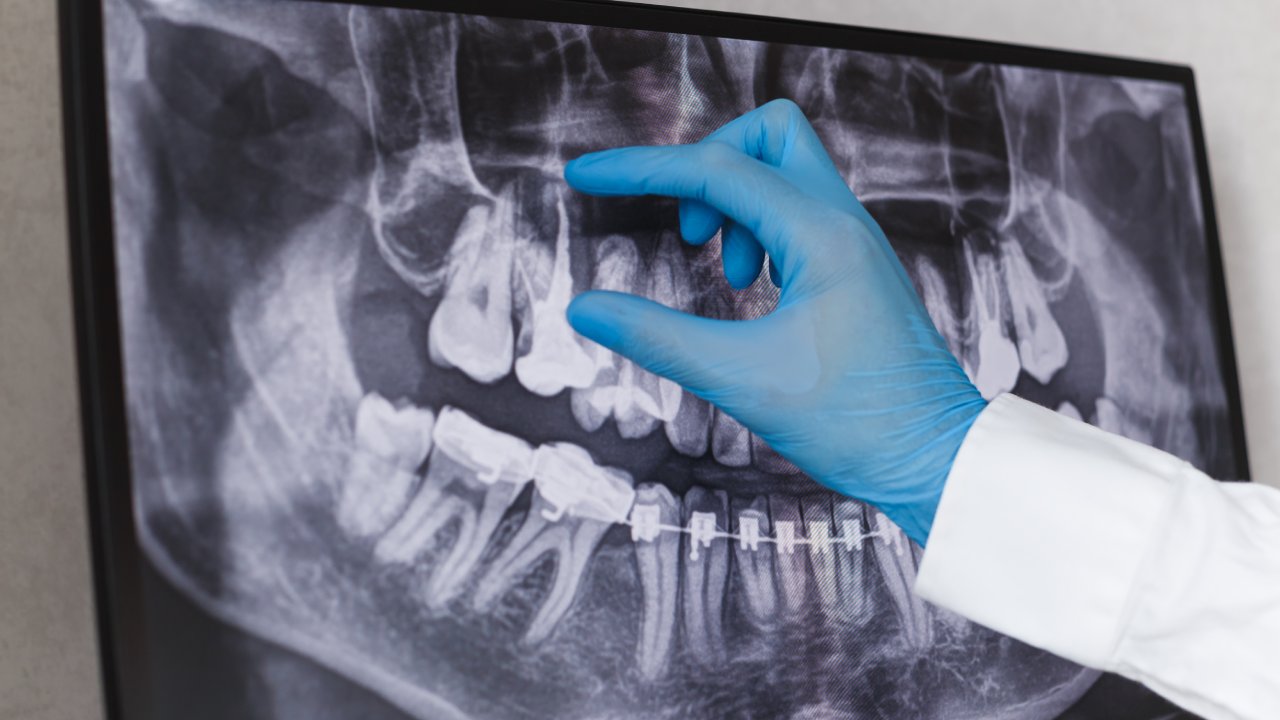
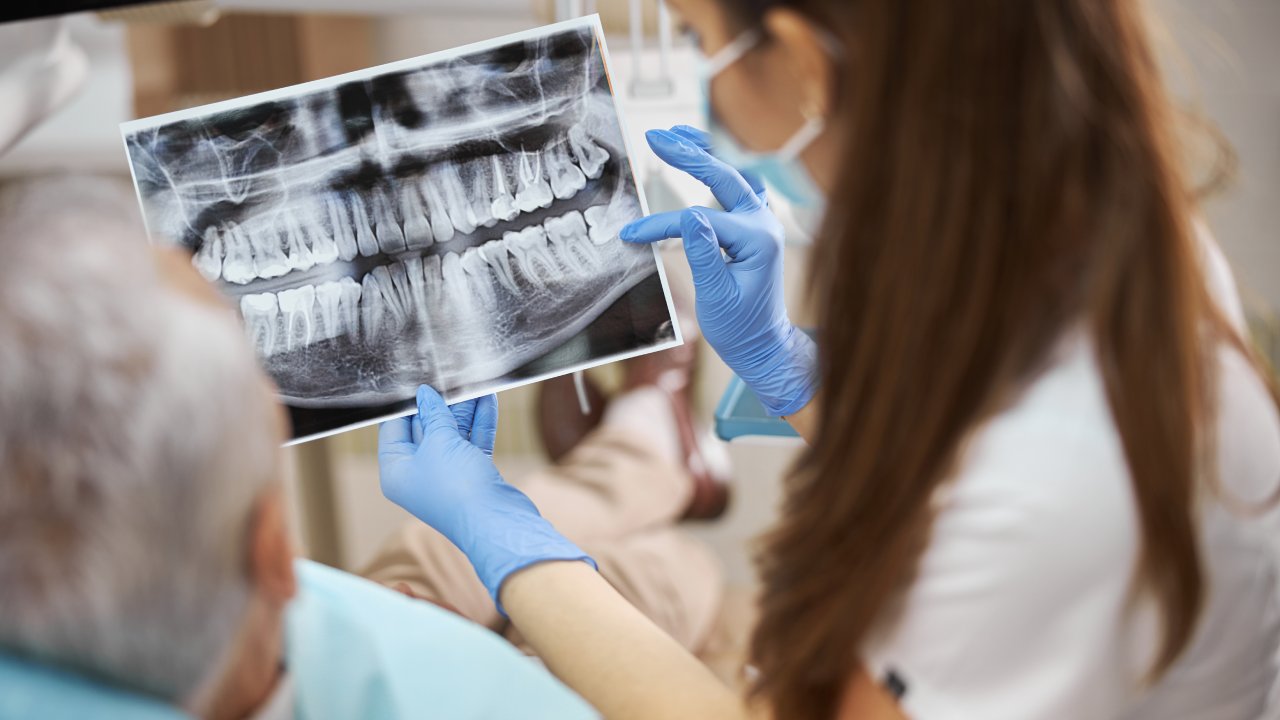
Think of the rule like a smoke alarm. A smoke alarm tells you to go check, but it cannot tell you whether you burned the toast or have a wiring fire. The 3-3-3 rule works the same way: it suggests when to act, not what is wrong. Tooth pain can come from a cavity, a crack, irritated gums, food stuck between teeth, or an infected nerve, and these can feel alike from the inside. An exam, often with X-rays, is how a dentist looks into the cause.
This matters if you feel nervous about the dentist, because “three days” can sound like permission to wait and hope. A better way to read it is that three days is the outer edge, not the starting line. If you can call on day one, call on day one. Belvedere Dentistry’s comfort-focused approach is meant for people who have been putting off that call, and you will see how that works in practice further down.
What are the first 3 days, and when should you call a dentist?
Call a dentist when pain, swelling, or a broken tooth has lasted about three days, or sooner if it is getting worse. Toothaches and broken teeth often do not go away for good on their own, and the timeline varies with the person and the cause.
A short window exists because some pain does settle quickly. A popcorn hull stuck under the gum or a sore spot from brushing too hard may calm down within a day or two once the area is clean. Teeth do not repair themselves the way skin does, though. A cavity can keep growing, a crack can spread with bites, and lost enamel does not grow back. When pain is still there after a few days, something is often behind it, and an earlier exam may give you more options to talk through.
Here is a common example. You bite down on something hard on a Saturday and feel a sharp twinge in a back tooth. By Monday it still stings when you chew, and cold water makes it zing. That is your three-day signal. A small crack found early may be simpler to treat, while a crack left alone can sometimes reach deeper into the tooth, where care may involve more work.
Pain that fades does not always mean the problem is gone. Sometimes a throbbing tooth goes quiet because the nerve inside is losing its blood supply, not because it healed. An infection can also keep spreading without much pain. If a tooth hurt badly and then suddenly stopped, that change is worth reporting to a dentist, not a reason to cancel.
Some pain may point to deeper trouble. These signs can suggest the problem has reached the nerve:
- Pain that lingers long after something hot or cold
- Pain that wakes you at night
- Throbbing that starts on its own
When the nerve is involved, the tooth may need more than a filling, such as root canal treatment. A dentist has to examine the tooth to know which kind of problem is present.
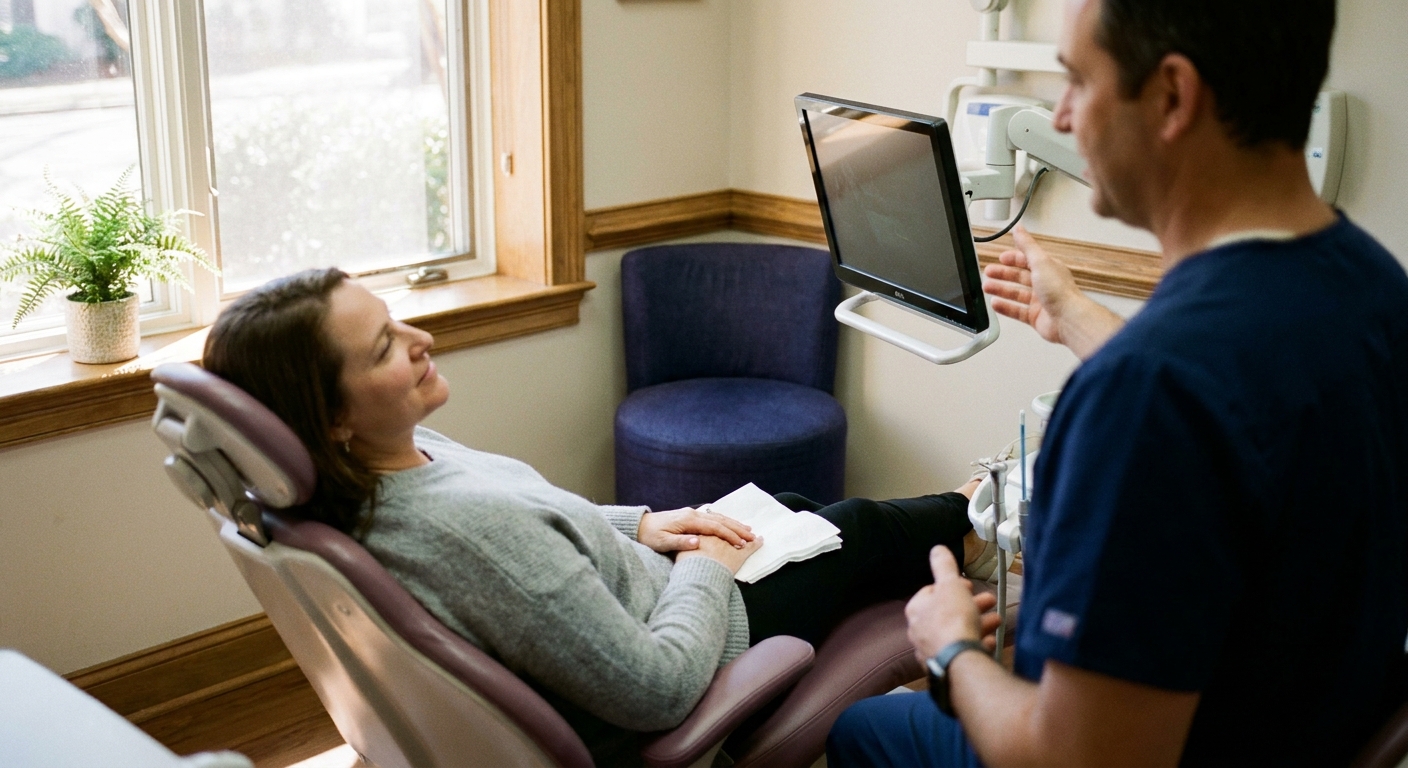
At Belvedere Dentistry, the dentist examines the tooth first and then explains what is going on in plain words, so you understand your situation before you make any decision. The practice is also upfront about fit. Belvedere Dentistry does not offer sedation. Either way, the aim is for you to leave knowing your next step.
What can you do at home while you wait?
Rinse with warm salt water, hold a cold compress on your cheek, and keep the area clean while you chew on the other side. These steps may make you more comfortable for a short time, but they do not treat the cause.
Rinse with warm salt water. Stir about half a teaspoon of salt into a glass of warm water, swish it gently around the sore area, and spit it out. The rinse may help loosen trapped food and soothe irritated gums without harsh products, and it is gentle enough to repeat a few times a day.
Use a cold compress on your cheek. Wrap an ice pack or a bag of frozen vegetables in a thin towel and hold it against the outside of your cheek for about 15 to 20 minutes at a time, with breaks in between. Cold narrows the blood vessels under the skin, which may calm swelling and dull a throbbing ache for some people. Always keep the towel between the ice and your skin.
Keep the area clean and stop chewing on it. It is tempting to leave a sore tooth alone completely, but food and plaque sitting around it can make things worse. Brush gently with a soft brush; Mayo Clinic suggests brushing twice a day for two minutes. Then carefully clean between your teeth, the same daily step the ADA recommends, because food wedged near a crack or a cavity can sometimes set off pain. Chew on the other side, and skip foods that are very hot, very cold, sugary, or hard until a dentist has looked at the tooth.
These three steps may buy you some comfort and time. They do not fix a cavity, close a crack, or clear an infection, so they belong alongside a dental visit, not in place of one.
The three urgent signs call for care right away. Swelling in your face or jaw, a fever, or trouble swallowing or breathing can mean an infection is spreading beyond the tooth. If you notice any of these, do not wait for a dental appointment. Go to an emergency room, or call 911 if breathing is hard. You will still need a dentist to look at the tooth that started it, but getting medical care first is the safer order.
Can a dentist pull a rotten or broken tooth, and how do you get seen quickly for pain?
Yes, a dentist can remove a tooth that is too damaged to save, but some broken or decayed teeth can be repaired instead. The way to find out is to call Belvedere Dentistry, which offers emergency dental care, describe your pain, and ask when the next opening is.
Whether a tooth needs to come out is a decision made after an exam, not before. A tooth that looks “rotten” from the outside may still have a healthy root, and a broken tooth can sometimes be rebuilt with bonding or a crown. Belvedere offers restorative care such as crowns, bridges, dental implants, and dentures, so if a tooth does need to be replaced, you can talk through those options in the same office. Availability changes from day to day, so calling ahead is the way to learn when you can be seen.
A few details help the team understand what you need:
- Which tooth hurts, or which side
- When the pain started
- Whether the tooth is broken
- Whether you have any swelling
- What makes it worse, such as biting, cold, or lying down
You can also ask about getting to the office and anything else you want to know before you come in. Belvedere cares for whole families, so the same call works if the sore tooth belongs to your child.
What happens at the visit, especially if you are nervous?
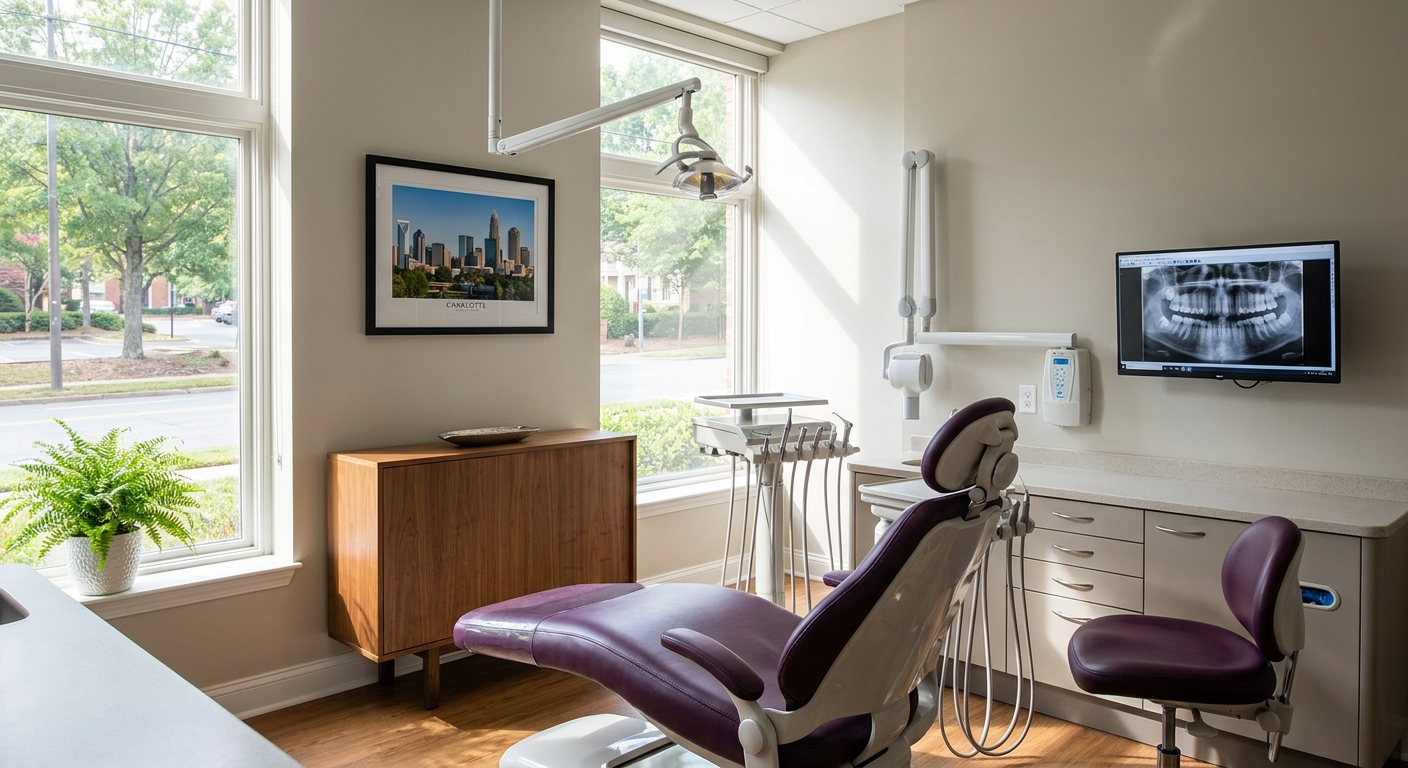
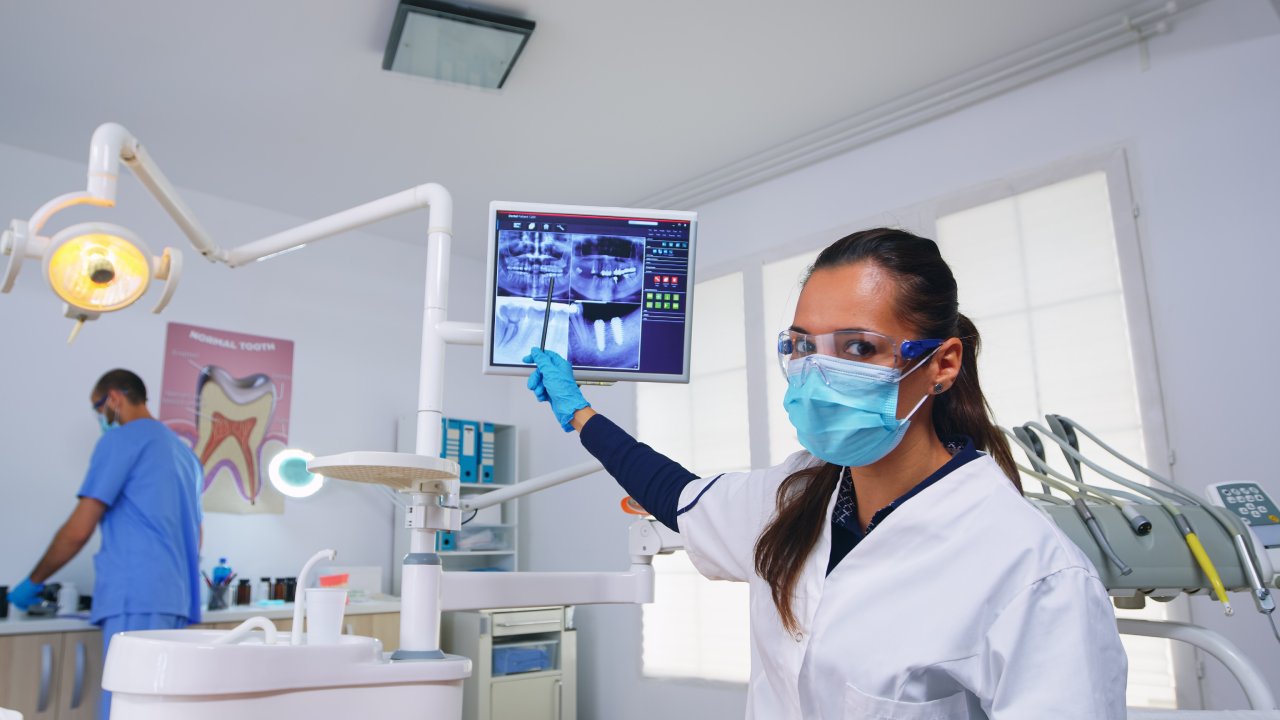
You will meet a small team. Dr. Jason Bansch owns the practice, Dr. Alex Soderfelt is the associate dentist, and Annie Hegmann manages the office. The dentists stay current through continuing education. At an urgent visit, the dentist typically examines the tooth, may take digital X-rays to see what is happening below the surface, and then explains what they found and what your options are in simple language. Nothing moves forward until you understand it.
If you are scared, the team plans for that, because fear of pain is often what keeps people waiting past day three. When a patient is nervous, the team:
- Stays calm and listens to your concerns
- Tells you that feeling anxious about dental care is completely understandable
- Explains what to expect in simple terms and answers your questions
- Passes your concerns on to the dentist
- Lets you ask for a break at any point
No one pressures you. The goal is for you to feel comfortable, heard, and in control. That is what the practice means by a human touch and personalized care.
One example shows how this can play out. A patient was scheduled for a procedure but became very nervous and wanted to cancel because they were afraid it would hurt. The team member they spoke with did not push. Instead, they stayed calm, listened, explained what to expect in plain terms, answered the patient’s questions, and made sure the dentist knew about the patient’s worries. They also reminded the patient that they could stop for a break at any time. The focus was on helping that one patient feel comfortable and in control, not on keeping the appointment at any cost.
Some patients describe a great environment and staff who make coming to the dentist something they do with a smile. As one patient put it: “I love this team here at Belvedere Family Dentistry.”
How can you tell if a dentist is good?
An urgent toothache is often the moment people realize they need a regular dentist, not just a quick fix. Whether you choose Belvedere or another office, these signs may point to a practice worth considering:
- They explain before they treat. A good dentist tells you what they found, shows you the X-rays if you want to see them, and lays out your options in words you understand.
- They are upfront about cost. The office checks your insurance benefits and tells you what you may owe before work begins, so you know what to expect.
- They take your nerves seriously. Anxiety is treated as normal, not as a nuisance, and you are told you can ask for a break.
- Other local families speak well of them. Reviews from people in your own community that mention comfort, kindness, and clear communication are worth reading.
- They can handle many of your needs in one place. A practice that offers cleanings, cosmetic work like whitening and veneers, and restorative care like crowns and implants may mean fewer referrals and fewer new offices to get used to.
- They tell you when they are not the right fit. Honest referrals for care they do not provide show they put your needs first.
What is a red flag for a dentist?
Just as some signs build trust, others should make you pause. Watch for these red flags:
- Pressure to commit on the spot to a large, expensive treatment plan without time to think or ask questions
- No clear explanation of what is wrong, or a refusal to show you your X-rays
- Vague or shifting prices, or a reluctance to check your insurance before treatment
- Dismissing your pain or anxiety, or making you feel judged for how long it has been since your last visit
- Rushed visits where your questions go unanswered
- An office that looks unclean, or staff who seem careless about gloves, masks, and sterilized tools
If a visit leaves you confused or pressured, it is reasonable to ask for a second opinion.
Is Belvedere Dentistry accepting new patients, and how do you book?
The simplest way to find out is to call Belvedere Dentistry in Charlotte, NC and ask about the next new patient opening. The team can confirm availability, check your insurance, and book your first visit on the same call.
When you call, mention whether you need a routine cleaning and exam or have a specific problem like pain, a broken tooth, or a cosmetic concern. If you are booking for several family members, say so, since the practice cares for whole families and the team can help plan visits that fit your schedule. Have your insurance card handy so benefits can be checked before you arrive.
How does insurance, or no insurance, change an urgent visit?
Insurance changes how much of the bill your plan pays, not whether your tooth needs attention. Cost is a question to ask when you call, not a reason to wait. Belvedere Dentistry is in-network with seven insurance plans and accepts eight more.
In-network plans:
- Aetna
- Blue Cross Blue Shield
- Cigna
- Delta Dental
- GEHA
- Humana
- UnitedHealthcare
Also accepted:
- Ameritas
- Connection Dental
- Guardian
- Liberty Dental
- MetLife
- Mutual of Omaha
- Physicians Mutual
- Sun Life
The two lists work differently. In-network means the practice has an agreement with that insurance company, which often makes your share easier to estimate. Accepted means the office will work with that plan, but what you owe depends on your plan’s out-of-network benefits. For an urgent visit, have your insurance card ready when you call so the team can check your benefits before you arrive. That one step can help you know what to expect before you walk in.
What can you do if you do not have dental insurance?
Not having insurance is common, and it does not have to keep you home while a tooth gets worse. Start by telling the office on the phone that you will be paying on your own and ask what the visit is likely to cost and what self-pay options are available. Asking directly is better than guessing at a number that may not apply to you, and it lets you plan before you walk in.
Belvedere Dentistry does not list payment plans, financing, or sliding-scale fees on its record, so ask the team what is possible for your situation rather than assuming. If you need a sliding-scale fee based on income, some community health centers in the Charlotte area offer that kind of pricing, and it can be worth calling one to compare. Whatever route you take, try not to let cost delay care for too long. A small problem caught early, such as a minor cavity or a small crack, may cost less to address than the same problem left to grow, and regular cleanings and exams are one of the more affordable ways to stay ahead of problems.
Quick answers before you pick up the phone
What is the 3-3-3 dental rule, and is it an official ADA guideline?
It is a popular shorthand, not an official rule. The American Dental Association has no rule by this name, though the basic advice behind it is standard dental first aid: watch the timeline, keep the area clean, and take warning signs seriously.
Can a toothache wait three days?
Mild pain may allow a short wait, but pain or a broken tooth that lasts that long calls for a dental visit, and calling earlier is always reasonable. Swelling in your face or jaw, a fever, or trouble swallowing or breathing calls for urgent medical care right away.
What should I do at home for a toothache before I see a dentist?
Rinse with warm salt water, hold a cold compress on your cheek, and keep the area clean while you avoid chewing on that side. These steps may ease discomfort for a short time but do not treat the cause.
Does Belvedere Dentistry in Charlotte see dental emergencies?
Belvedere Dentistry offers emergency dental care. Call the office to ask about availability rather than assuming a same-day opening, since the schedule changes from day to day.
Does Belvedere Dentistry offer sedation?
No. If your tooth needs care beyond what a visit there can provide, the dentist will tell you after examining it.
Which dental insurance plans does Belvedere Dentistry take?
Belvedere is in-network with Aetna, Blue Cross Blue Shield, Cigna, Delta Dental, GEHA, Humana, and UnitedHealthcare. It also accepts Ameritas, Connection Dental, Guardian, Liberty Dental, MetLife, Mutual of Omaha, Physicians Mutual, and Sun Life. Uninsured patients should ask the office about options when they call.
Day two is a better time to call than day three
Before you call, take one minute to write down when the pain started, what triggers it, and whether it has ever woken you up. Those three details can tell a dentist a lot, and having them ready makes the call quicker and the visit more focused.
If a tooth has hurt or been broken for close to three days, call Belvedere Dentistry in Charlotte, NC. Describe your symptoms, ask about availability and your insurance or payment options, and let the team tell you what to do next. You do not need to have it all figured out first. That is what the call is for.
Tooth pain deserves more than a rule of thumb
If you have been counting days and wondering whether your toothache is worth a visit, you do not have to figure it out alone. A quick call to Belvedere Dentistry in Charlotte, NC lets our team hear what you are feeling and help you decide on the right next step. Reaching out now can ease the worry, whether it turns out to be something small or something that needs attention.
This article is general information, not a diagnosis, and individual experiences and outcomes vary. If you have swelling in your face or jaw, a fever, or trouble swallowing or breathing, seek urgent medical care right away.