
A 2020 study published in the Journal of Dental Research found that practices using digital diagnostic tools detected early-stage caries at nearly twice the rate of those relying on traditional methods alone. That single statistic answers the question most patients never think to ask: does better dental technology mean better treatment outcomes? The answer is yes, and the difference shows up in ways you can measure.
What “Better Technology” Actually Means in a Dental Office
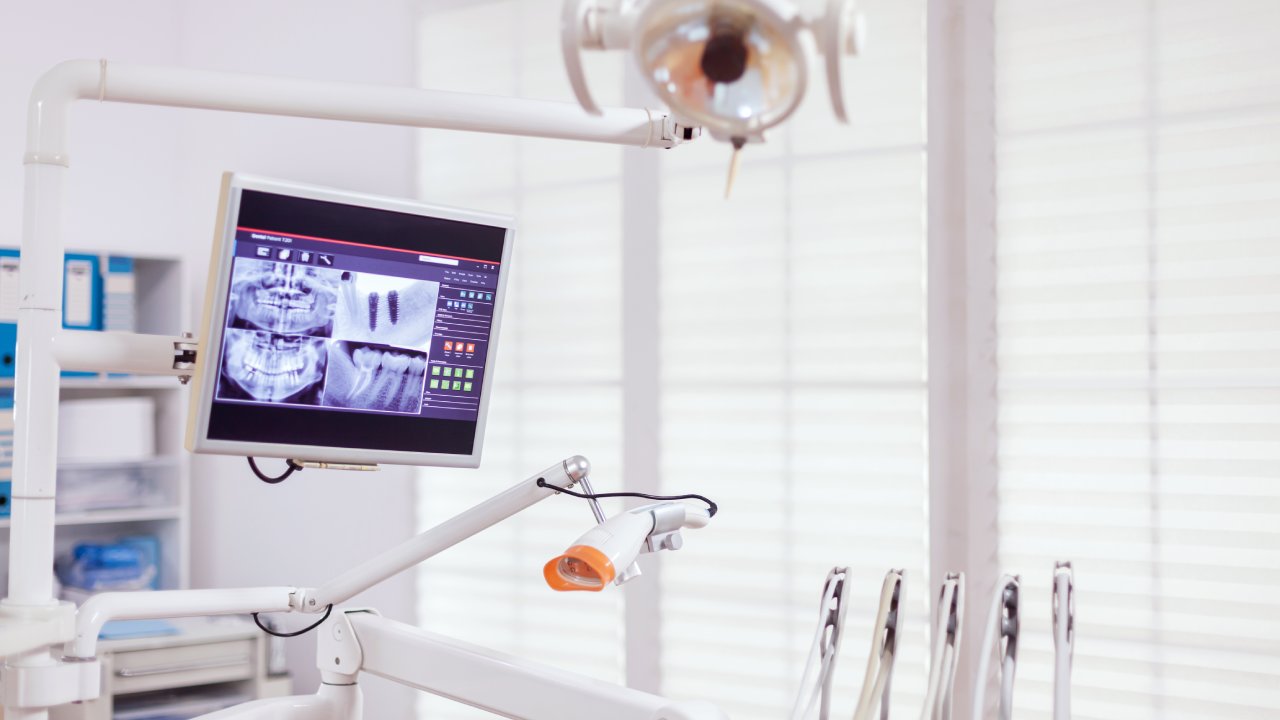
The gap between a modern dental practice and a traditional one is not about aesthetics. It comes down to specific tools that replace older, less precise methods: digital imaging in place of film X-rays, intraoral scanners instead of physical impressions, CAD/CAM systems that fabricate restorations chairside, laser instruments that replace scalpels for soft-tissue work, and AI-assisted software that reviews images for anomalies. Each of these shifts something concrete for you as a patient, whether that is radiation exposure, appointment time, diagnostic accuracy, or recovery after a procedure. Understanding what tools modern dentists actually rely on helps you ask sharper questions when comparing providers.
Digital Imaging and 3D Scanning
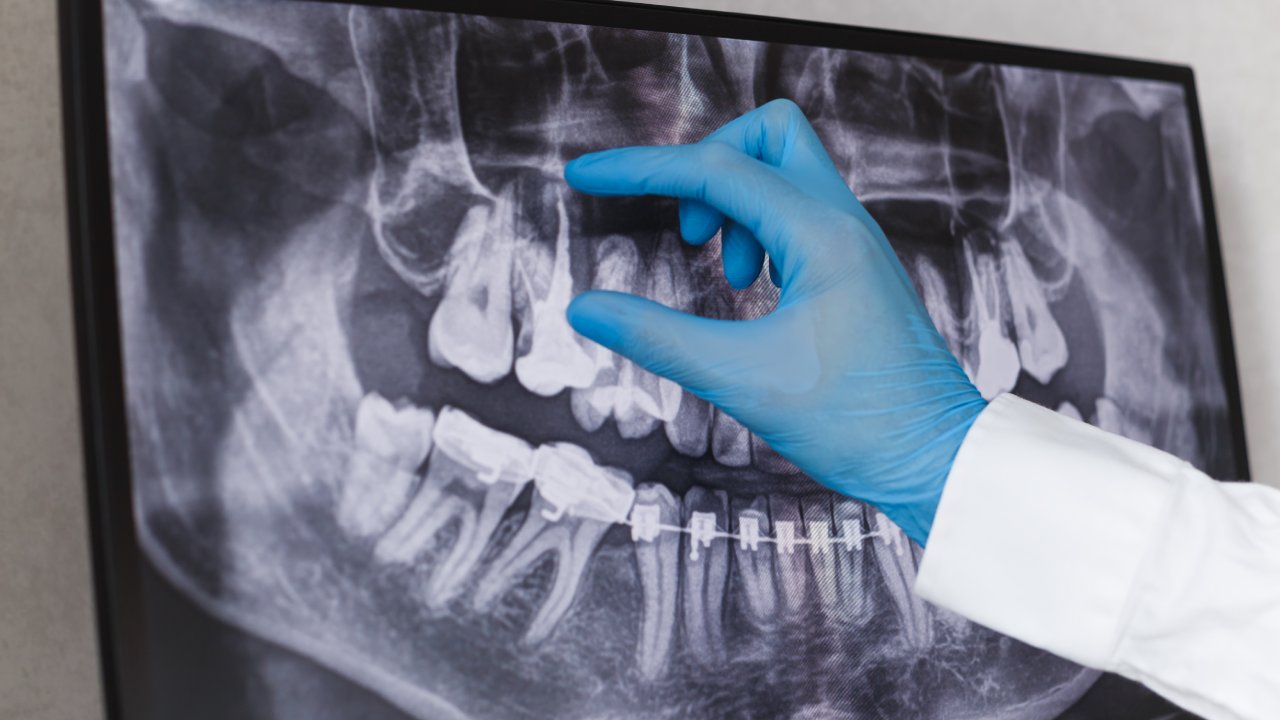
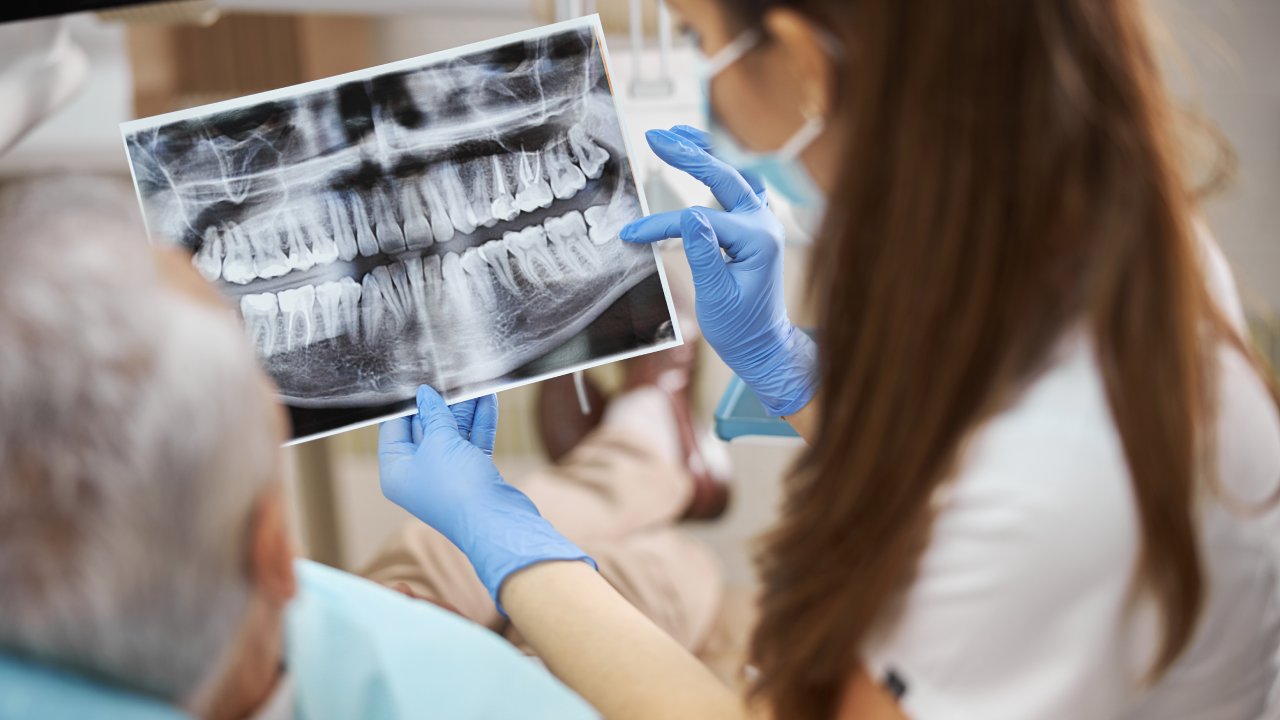
A 2018 systematic review published in Dentomaxillofacial Radiology, covering 23 clinical studies, found that cone beam computed tomography (CBCT) improved diagnostic accuracy for bone defects, root fractures, and periapical pathology compared to conventional two-dimensional imaging. The plain-language translation: a dentist using CBCT or high-resolution digital X-rays can see bone loss, hidden infections, and structural problems that a traditional film X-ray would miss entirely.
For you, that means problems get caught earlier, when treatment is simpler and less expensive. Digital X-rays also carry significantly lower radiation exposure than film-based imaging, which matters particularly if you bring children to the same practice or require frequent monitoring. Before your next appointment, ask whether the practice uses digital X-rays or cone beam imaging for diagnosis. The answer tells you whether the clinical team has the visual data needed to make accurate decisions.
AI-Assisted Diagnosis
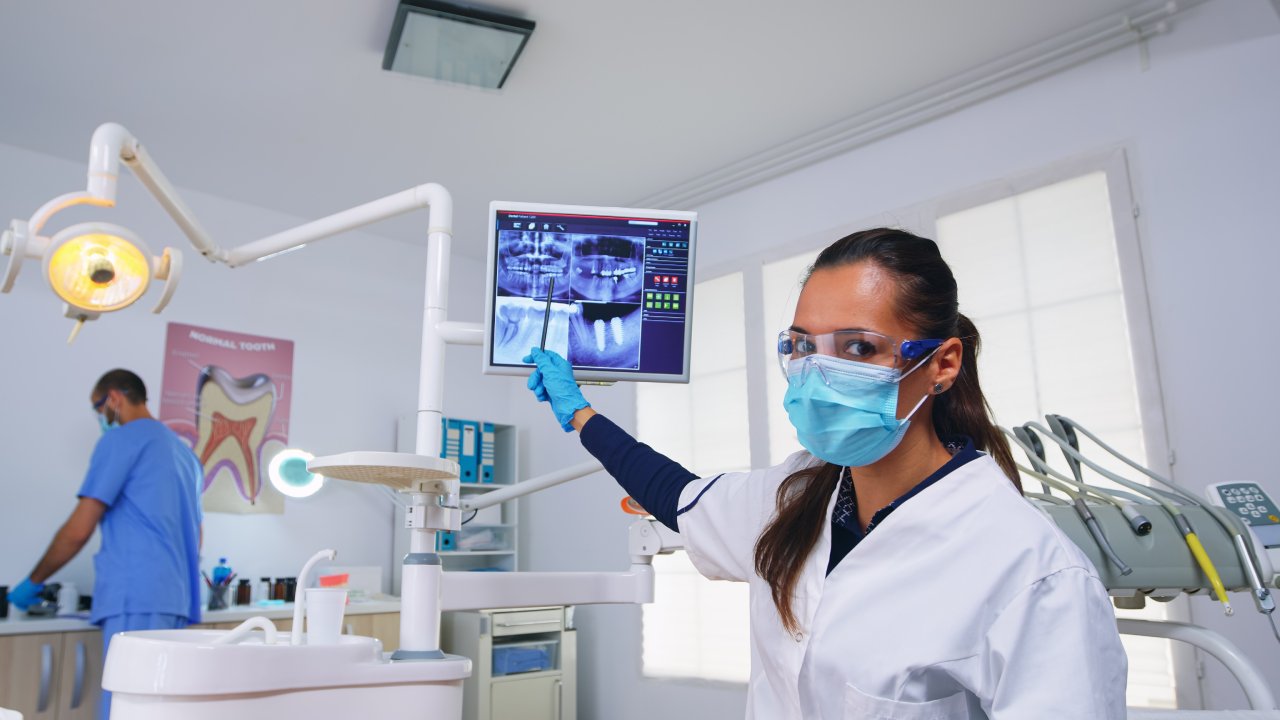
A 2021 study in Nature Communications trained an AI model on 6,000 bitewing radiographs and found that the system detected interproximal caries with 90.8% accuracy, outperforming the average practicing dentist at 86.8% on the same dataset. The mechanism is straightforward: AI flags subtle density changes on an X-ray that a human eye can miss, especially in the early stages when a lesion is still small enough to treat without a full restoration.
Earlier detection means less drilling, smaller fillings, and preserved tooth structure. Ask whether the practice uses AI-assisted imaging review. It is a direct signal that the clinical team is using every available tool to catch problems before they become serious.
Where Technology Directly Changes Treatment Results
Same-Day Restorations with CAD/CAM
A 2018 randomized controlled trial in the Journal of Dentistry compared CAD/CAM chairside crowns with traditional lab-fabricated crowns across 326 patients and found no statistically significant difference in five-year survival rates, with CAD/CAM restorations showing equivalent marginal fit and significantly higher patient satisfaction due to single-visit completion.
The practical benefit is straightforward: one appointment instead of two, no temporary crown to break or irritate, and no margin for error in the handoff between your dentist and a remote dental lab. If you need a crown, ask whether same-day fabrication is available. Two visits becoming one is not a convenience feature; it reduces the number of opportunities for something to go wrong.
Laser Dentistry and Soft-Tissue Precision
A 2015 systematic review in the Journal of Clinical Periodontology, covering 12 randomized controlled trials, found that laser treatment for periodontal disease produced less post-operative pain and faster tissue healing compared to traditional scalpel and curette procedures. The mechanism explains the result: a dental laser cauterizes tissue as it works, sealing blood vessels and reducing bacterial contamination in the same motion.
For gum-related procedures, this translates directly into less bleeding during treatment, less discomfort afterward, and a lower infection risk. If you are scheduled for a gum procedure, ask specifically whether laser treatment is an option. Practices that invest in laser instruments are making a deliberate choice to prioritize patient comfort during procedures as a clinical outcome, not a bonus.
3D Printing for Surgical Guides and Restorations
A 2019 study in the International Journal of Oral and Maxillofacial Implants evaluated implant placement accuracy across 102 cases and found that practices using 3D-printed surgical guides achieved a mean angular deviation of 2.1 degrees, compared to 4.5 degrees for freehand placement. The plain-English version: a surgical guide built from your exact anatomy, derived from a 3D scan, removes guesswork from implant positioning.
Placement accuracy directly affects how long an implant lasts and how well the final restoration fits. When evaluating implant providers, ask whether they use printed surgical guides derived from CBCT imaging. A provider who can explain that process in plain language is a provider who understands why precision matters to your long-term result.
What Technology Cannot Replace
The honest answer to the technology question includes a limit. A 2016 study in the Journal of Periodontology tracked 1,200 patients across technology-equipped practices and found that patients who skipped scheduled hygiene appointments still developed significantly more bone loss and restoration failure, regardless of the diagnostic tools available to their clinical team.
Technology improves what your dentist can see and do. It does not substitute for what you do between appointments. Accurate diagnosis loses its value if treatment is delayed. A precisely fabricated crown fails faster on a tooth surrounded by untreated gum disease. The practices with the best outcomes combine strong diagnostic tools with consistent patient follow-through. One does not replace the other.
How to Evaluate Whether Your Dentist’s Technology Actually Matters
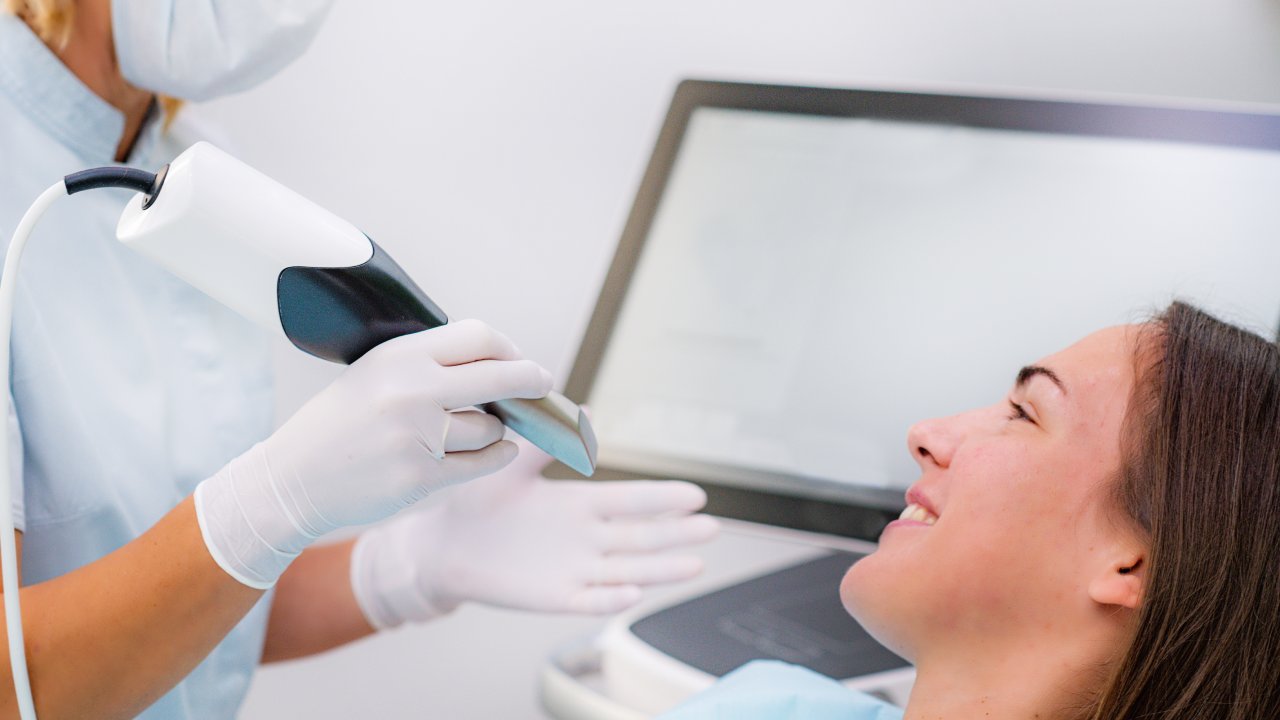
The best single question to ask on a first visit is this: “How do you take impressions for crowns and restorations?” If the answer involves physical putty trays, the practice is skipping intraoral scanning, which affects both your comfort and the accuracy of the final restoration. If the answer involves a digital scanner and same-day or digitally milled fabrication, the practice is investing in tools that directly affect how well your treatment fits and how long it lasts.
For Charlotte-area patients comparing providers, knowing what to look for in a dental office comes down to this distinction: technology that changes what the dentist can see and do versus technology that exists for appearances. Digital X-rays, intraoral cameras that let you see exactly what the clinical team sees, and AI-assisted imaging review all fall into the first category. They change the information available at the moment a clinical decision gets made.
What to Ask Before Your Next Appointment
Call the practice you are considering and ask one question: “Do you use digital impressions, or do you still use physical trays?” That single answer reveals whether the practice has invested in the tools that affect accuracy and comfort, or whether it is operating on older methods. A practice that uses digital scanning for impressions almost always uses digital X-rays, intraoral cameras, and other outcome-focused tools, because the investment pattern reflects a broader clinical philosophy. That philosophy is the thing worth evaluating.