
Choosing a dental office is one of those decisions most people make once and rarely revisit, which makes getting it right the first time worth the effort. Knowing what to look for when choosing a dental office saves you from switching providers mid-treatment, getting blindsided by costs, or avoiding care altogether because the experience felt wrong.
Credentials and Clinical Qualifications
A 2021 study by the Dental Quality Alliance, analyzing outcomes data from over 1.2 million patients, found that dentists who completed structured continuing education in specific procedures had measurably fewer complications and retreatment rates than those who did not. Credentials are not just paperwork. They tell you whether the person working in your mouth has stayed current with evolving techniques, materials, and technology.
In North Carolina, every practicing dentist must hold an active state license. You can verify a dentist’s license and check for any disciplinary history through the North Carolina State Board of Dental Examiners at ncdentalboard.org. Beyond base licensure, look for additional training in areas relevant to your needs: implant placement, cosmetic procedures, or sedation. A dentist who pursues continuing education signals clinical seriousness, not just compliance. The concrete action this week: spend five minutes on the NC Dental Board site and confirm the license status of any provider you are considering.
Range of Services Under One Roof
A 2019 survey by the American Dental Association Health Policy Institute, covering 4,800 dental patients, found that 34% of patients who received a referral for a specialized procedure never completed it. The friction of coordinating a second office, a new intake process, and a separate billing relationship is enough to make people postpone care indefinitely.
For Charlotte-area patients, this matters practically. If a crown, implant consultation, teeth whitening, or emergency visit sends you to a different provider across town, the odds of follow-through drop. An office that handles preventive, restorative, cosmetic, and emergency care under one roof removes that friction entirely. Before booking a new patient appointment, pull up the office’s website and confirm their service list covers the categories most relevant to your situation. If the site is vague, call and ask directly what procedures are performed in-office versus referred out.
Office Environment and Patient Comfort
According to a 2020 study by the National Institute of Dental and Craniofacial Research, approximately 36% of the U.S. population experiences dental anxiety, and 12% avoid care entirely as a result. Avoidance is not a minor inconvenience. It compounds. Skipped cleanings become undetected decay. Undetected decay becomes a root canal.
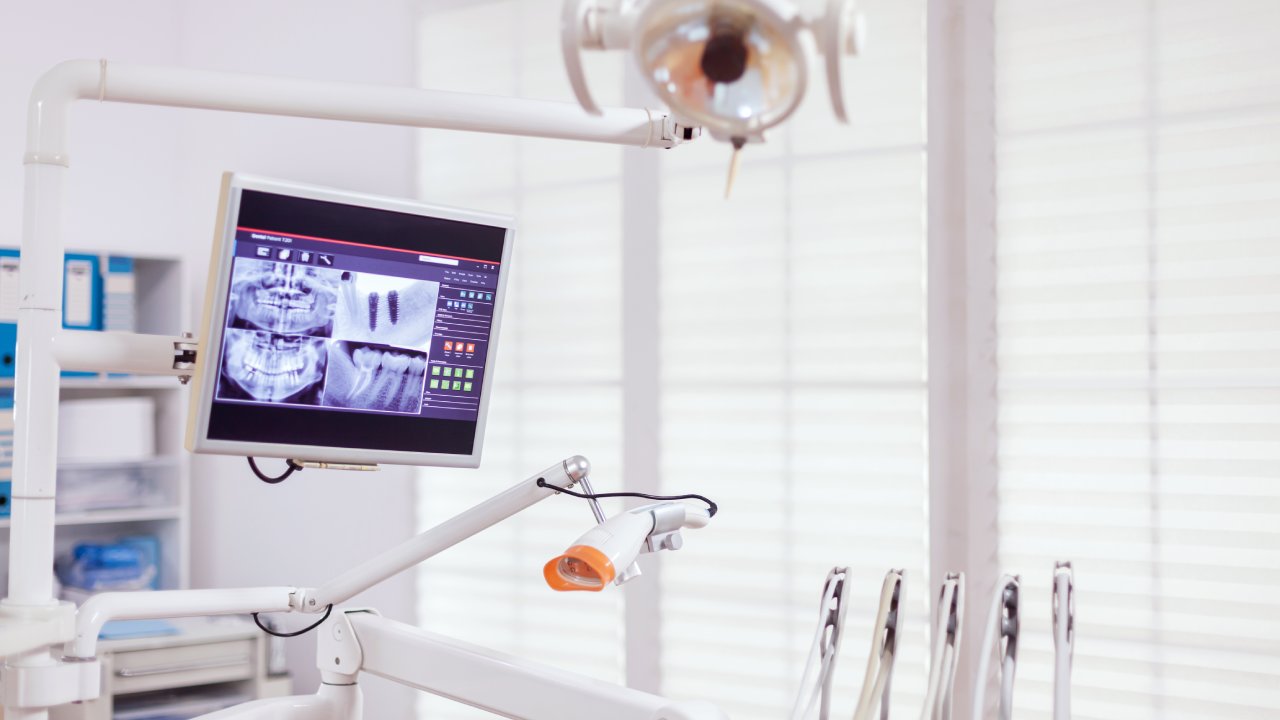
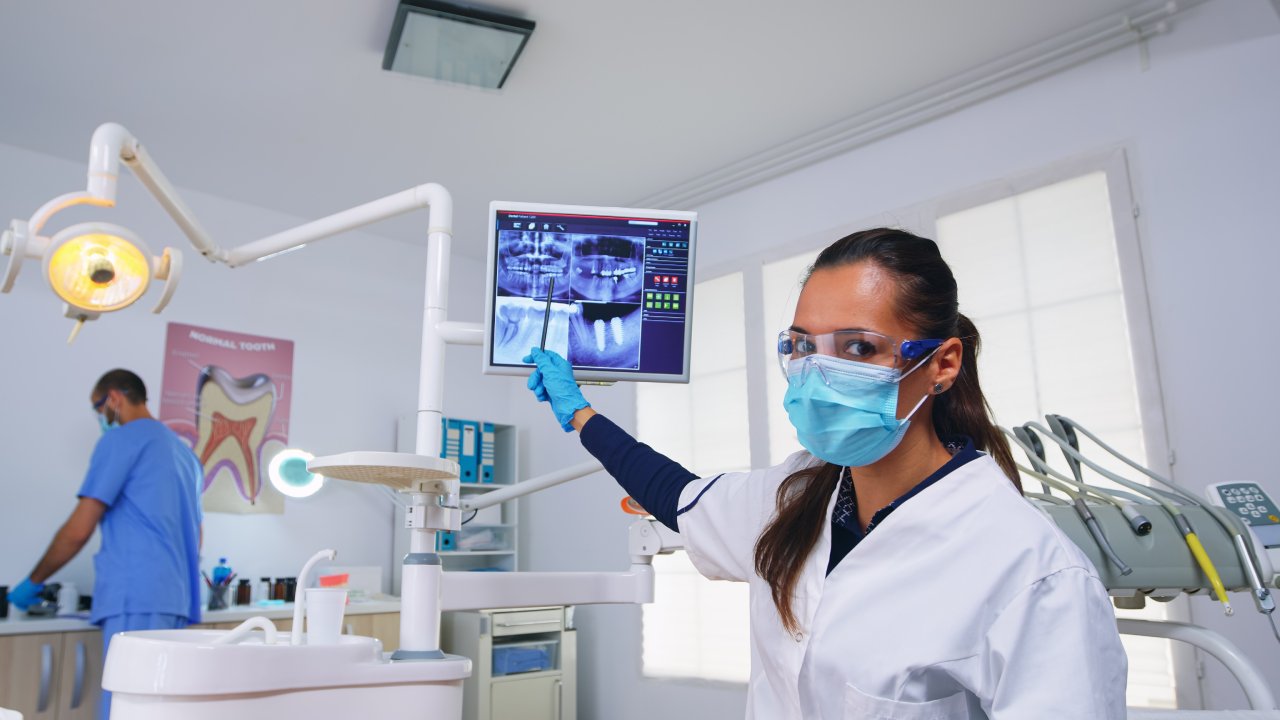
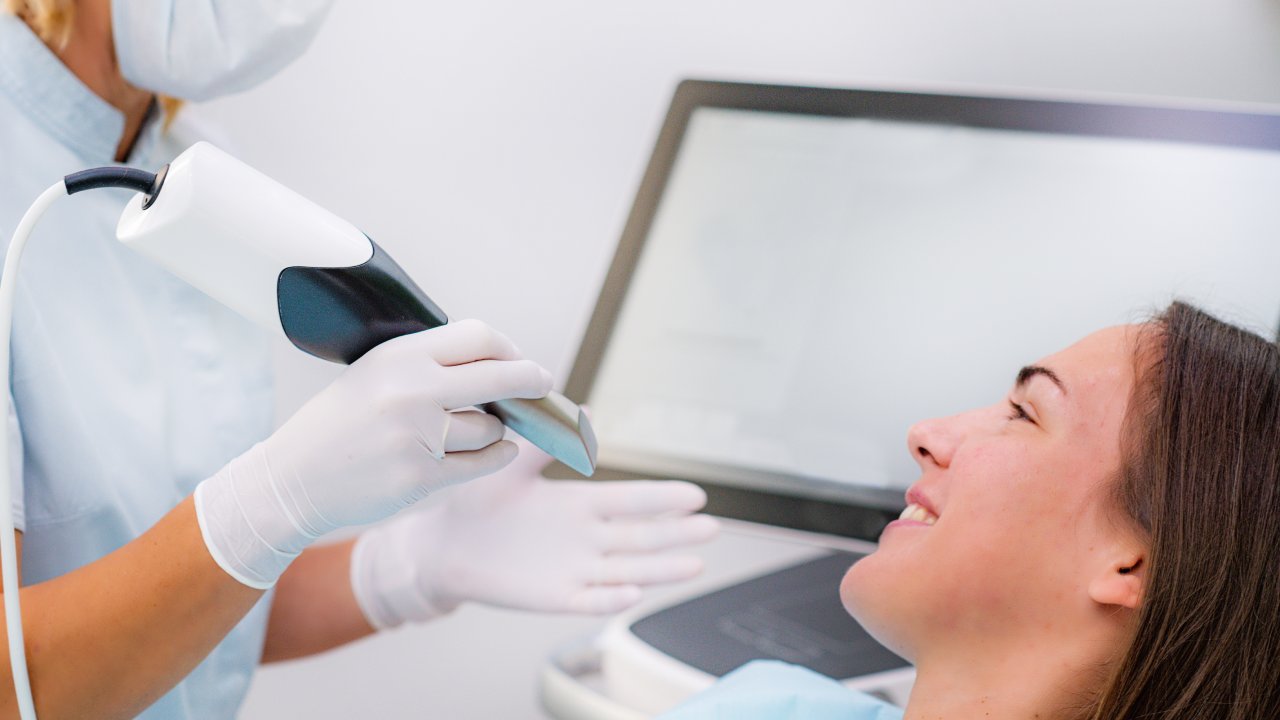
What signals a genuinely comfortable office versus a merely pleasant-looking one? Cleanliness and organization matter, but so does how staff communicate. Offices that invest in technology that helps patients see and understand their own care tend to create less anxious experiences, because transparency reduces the unknown. Ask the front desk on your first call: “How does the office handle patients who experience anxiety during treatment?” The answer reveals the practice’s culture more clearly than any waiting room décor.
Scheduling Flexibility and Location Convenience
A 2023 workforce survey by the American Time Use Survey, conducted by the Bureau of Labor Statistics across 12,000 working adults, found that scheduling conflict was the most commonly cited barrier to preventive healthcare visits, ranking above cost and provider availability. For a parent managing school pickups or a professional with back-to-back meetings, an office that closes at 4 PM on weekdays is not a functional option.
Evening and weekend appointments, same-day slots for dental emergencies, and proximity to Charlotte’s major corridors like South End, Ballantyne, or Steele Creek are not perks. They are the difference between care happening and care being delayed. Ask two questions before committing to a new dental home: “What are your latest available appointment times?” and “How quickly can I be seen if I have a dental emergency?” The answers tell you everything about whether the office actually fits your life.
Insurance Acceptance and Financing Options
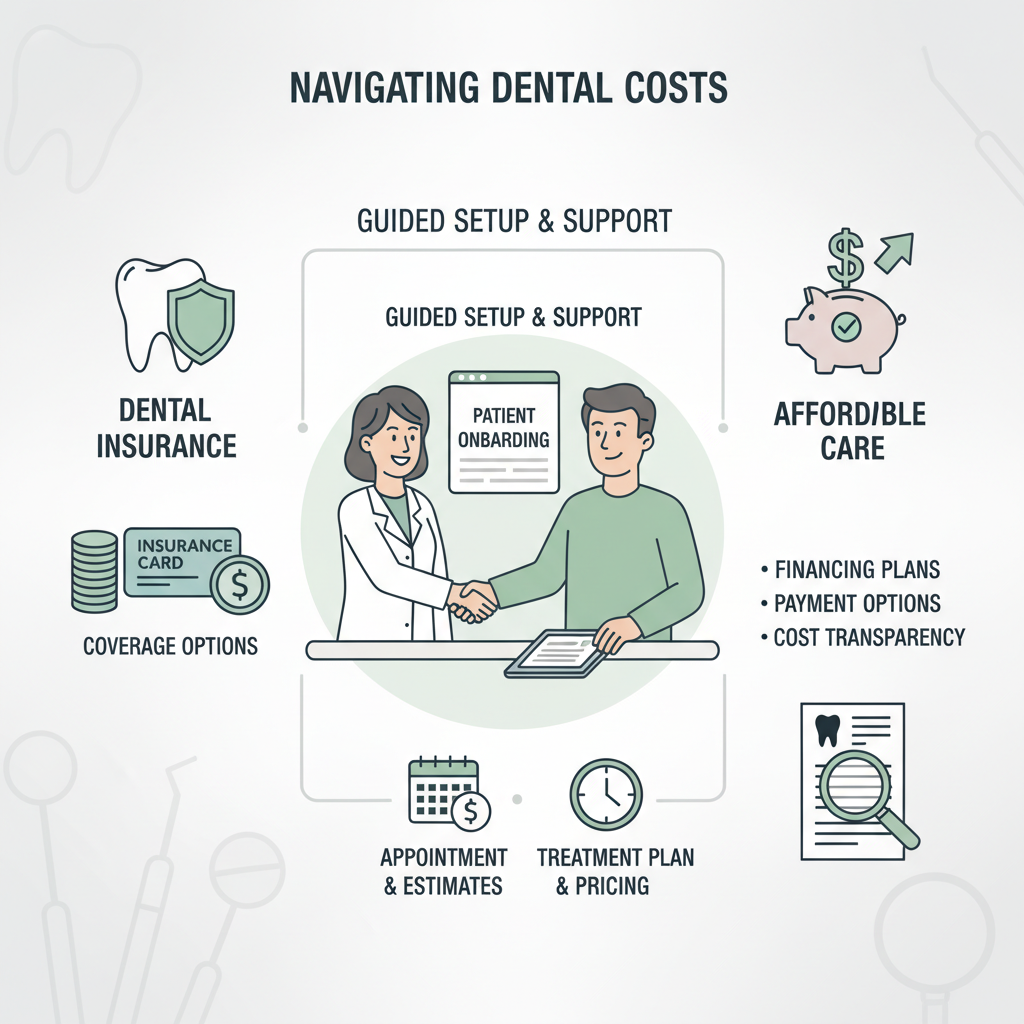
A 2022 report by the Kaiser Family Foundation, drawing on data from 6,000 insured adults, found that 29% of people with dental insurance still delayed or skipped care due to uncertainty about out-of-pocket costs. The confusion is understandable, because “we accept your insurance” and “we are in-network with your plan” are not the same thing. An office that accepts your insurance as an out-of-network provider will still process the claim, but your reimbursement rate is lower and your out-of-pocket cost is higher, sometimes significantly.
Before your first appointment, ask the billing department one specific question: “Are you in-network with my plan, and what is my estimated out-of-pocket cost for a new patient exam and cleaning?” For larger restorative or cosmetic work, ask whether the office offers financing through options like CareCredit. Offices that provide clear cost estimates before treatment signal respect for your financial decision-making, not just your clinical needs. Understanding how to compare providers on both technology and care quality helps you evaluate whether the investment aligns with what you are actually getting.
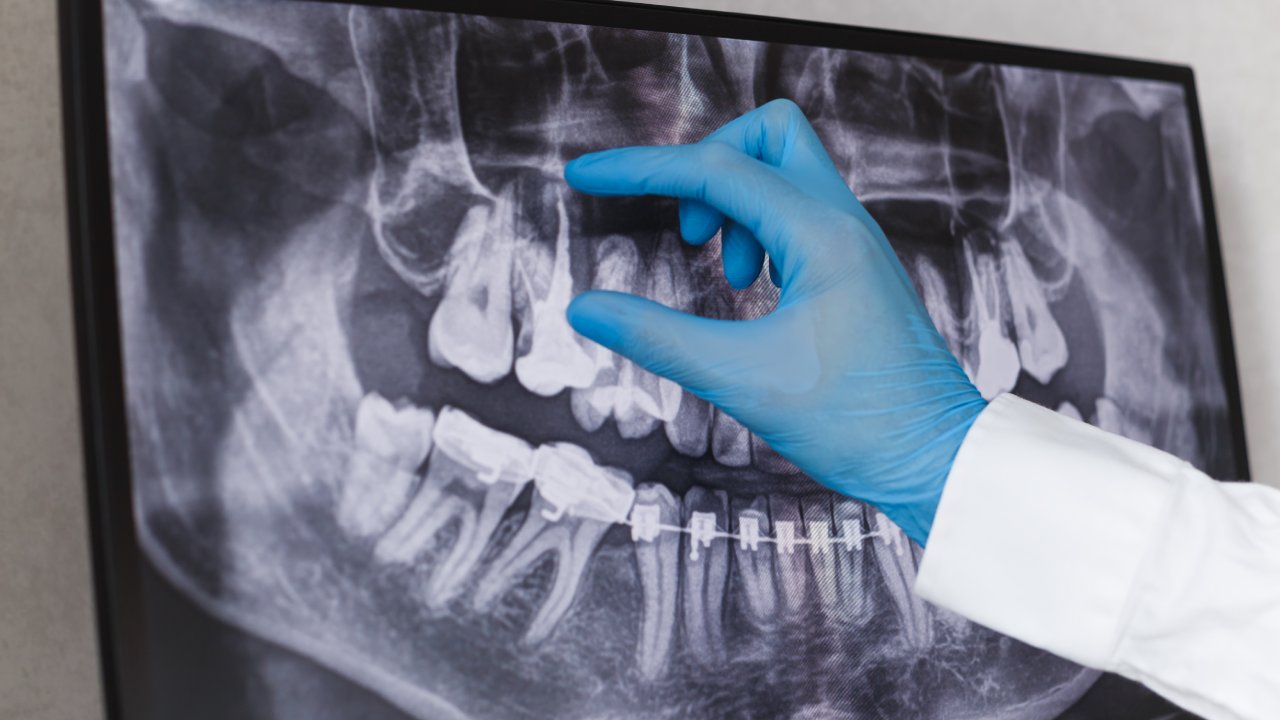
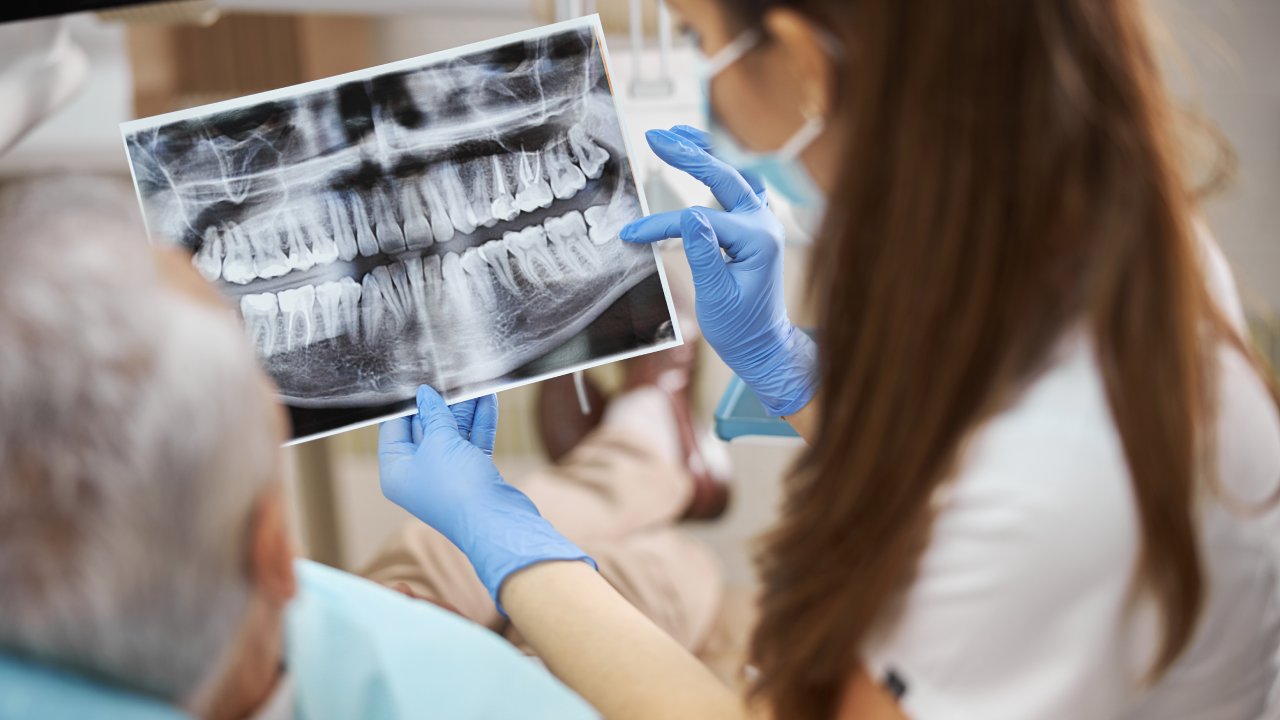
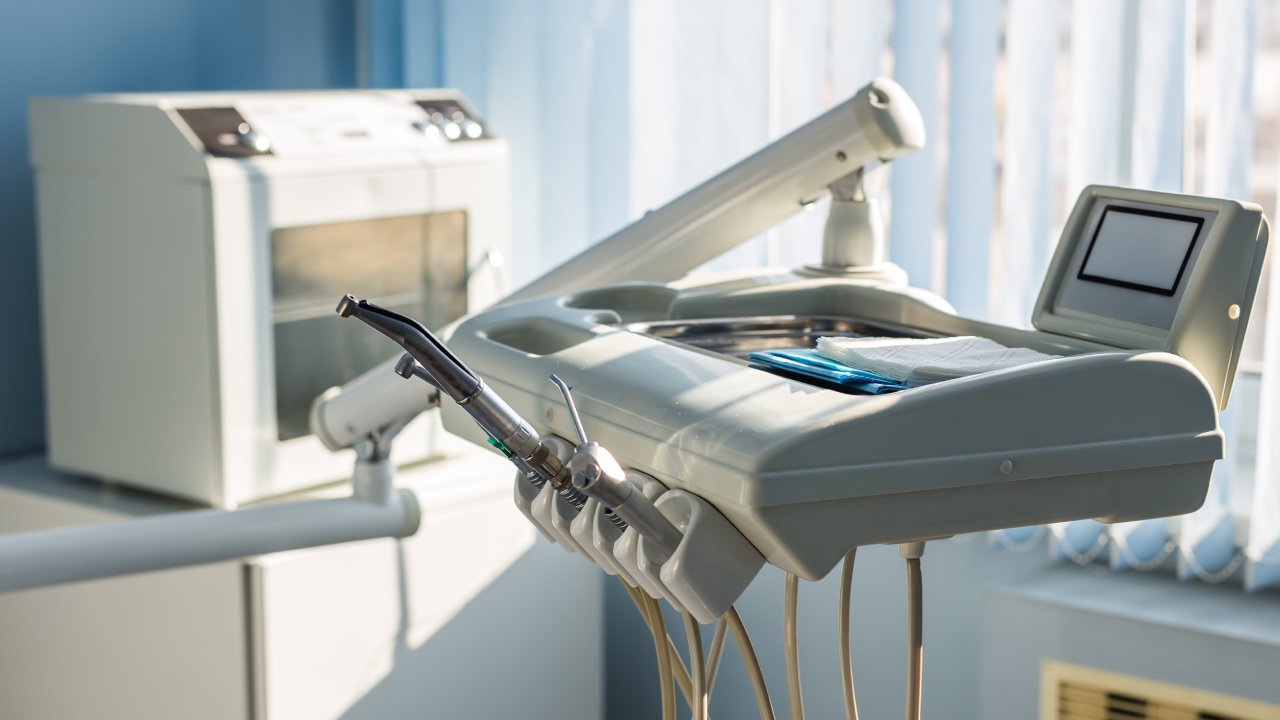
Modern offices also invest in diagnostic tools that reduce the need for repeat visits. Digital X-rays, for instance, expose patients to significantly less radiation than traditional film and produce images that can be reviewed on-screen with the patient in real time, cutting down on guesswork and return appointments.
The One Move That Starts the Process
Pick one office you are seriously considering and call this week. Ask about their in-network status with your insurance, confirm what services they perform in-house, and ask how they handle anxious patients. Three questions in one call. You will know within five minutes whether the office is worth a first appointment.