Dental anxiety is more common than most people admit, and it almost always comes down to two things: fear of pain and fear of the unknown. Understanding how dental technology improves patient comfort reframes those fears, because the tools available in a modern practice today are specifically designed to eliminate both.
Why So Many People Still Dread the Dentist
According to a 2023 survey by the American Dental Association of more than 2,000 adults, approximately 36% of respondents reported some level of dental anxiety, with 12% describing fear severe enough to delay or avoid care entirely. The primary drivers were anticipated pain, unexpected procedures, and not understanding what was happening during treatment. These aren’t irrational fears. They’re the natural result of an information gap between patient and provider.
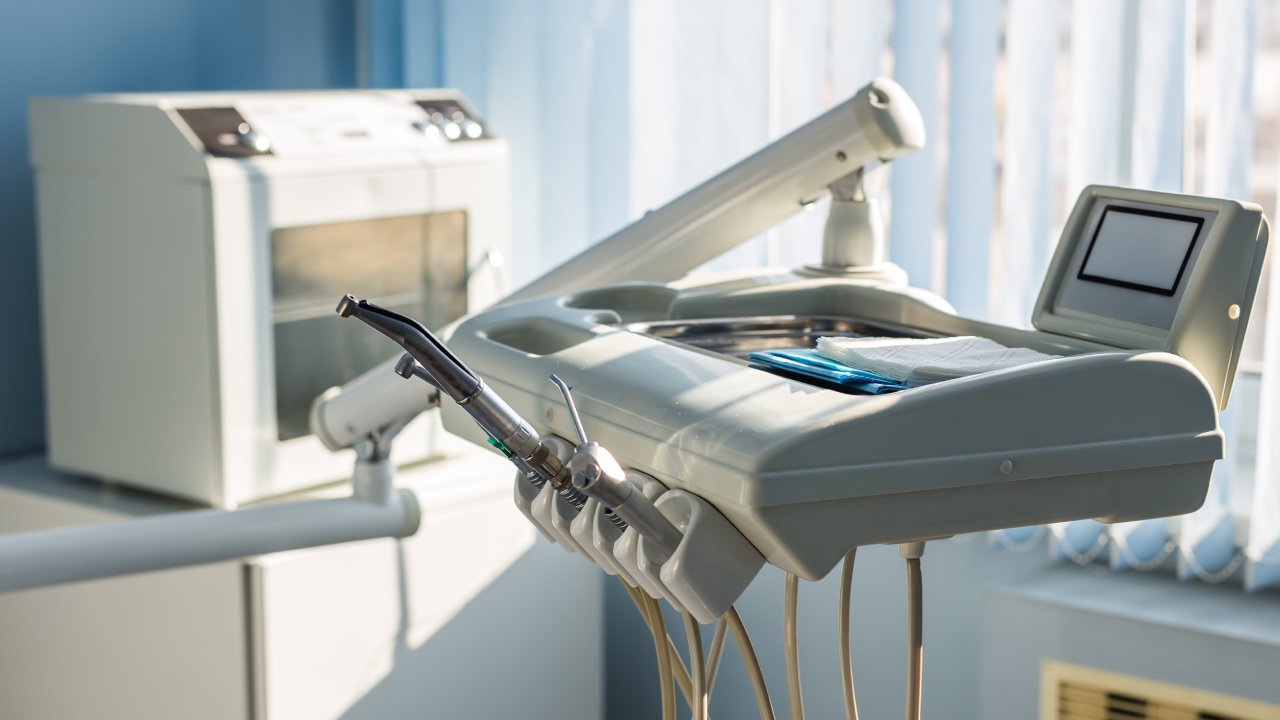
The practical takeaway is direct: when dental practices invest in technology that reduces physical discomfort and shows you exactly what is happening in your mouth, that anxiety gap closes. The right equipment is not about impressive hardware on a website. It signals that a practice takes precision and patient experience seriously as clinical values.
Digital X-Rays and 3D Imaging Give You Faster, Clearer Answers
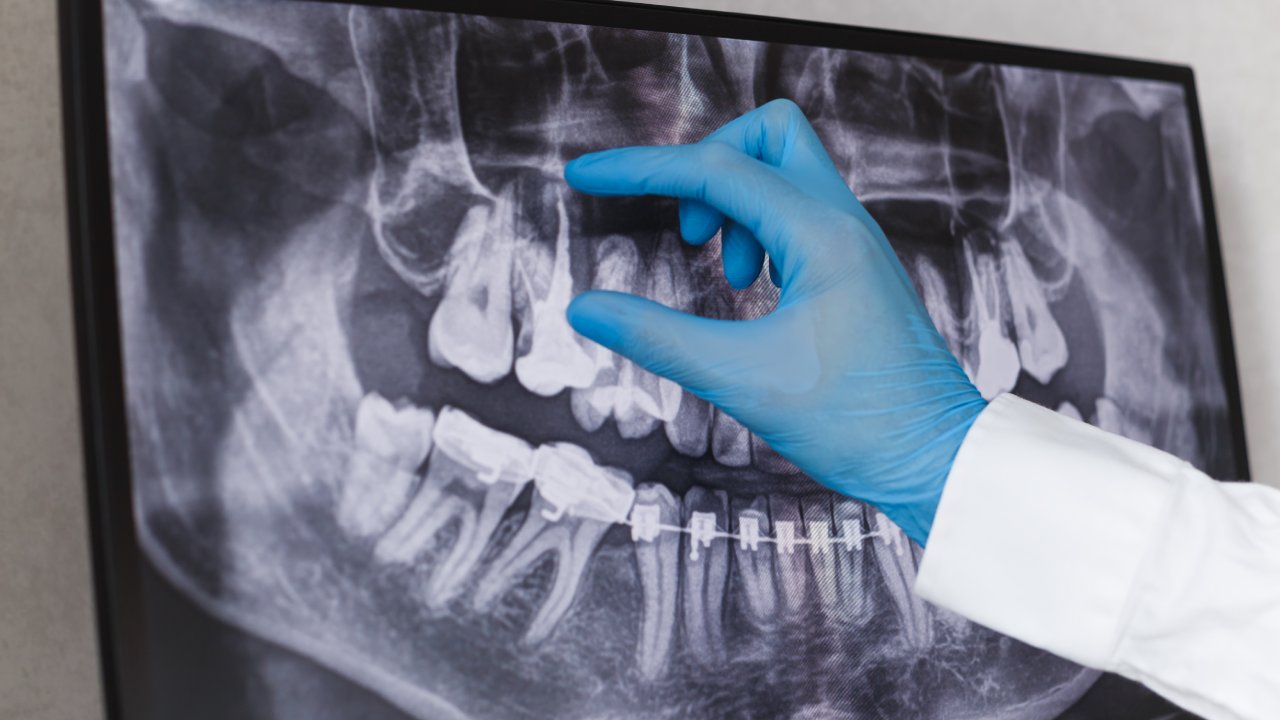
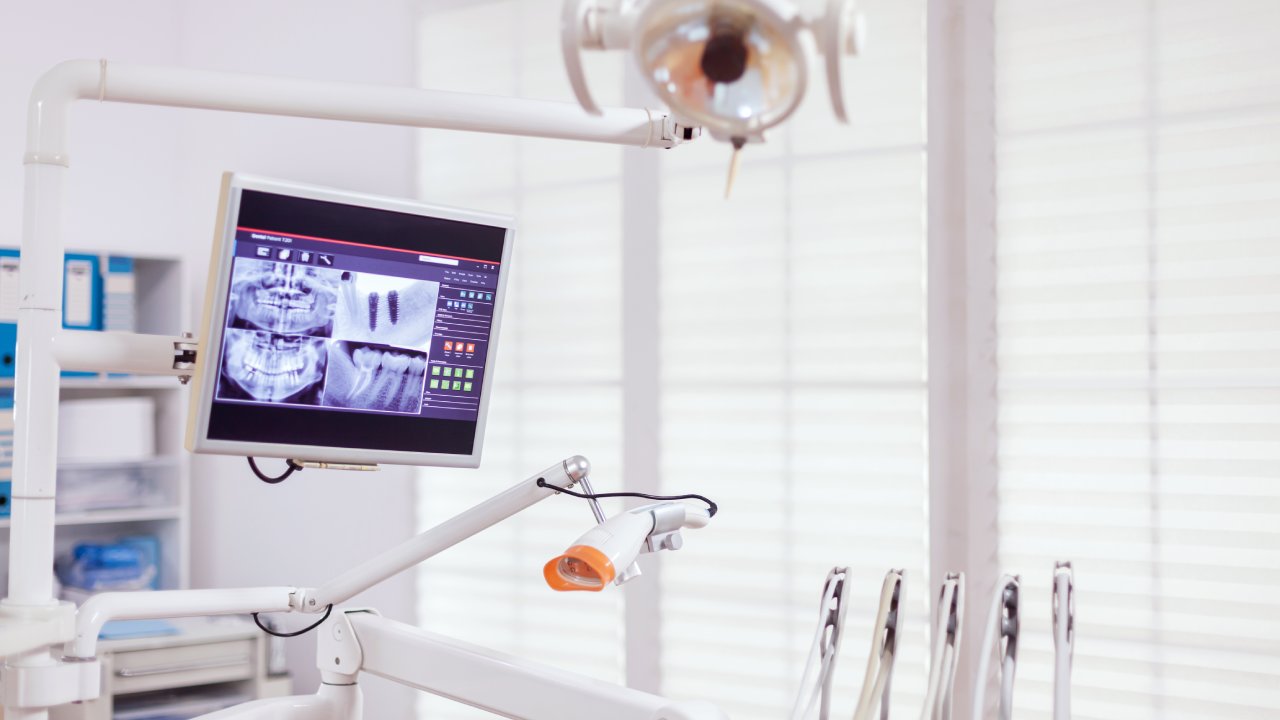
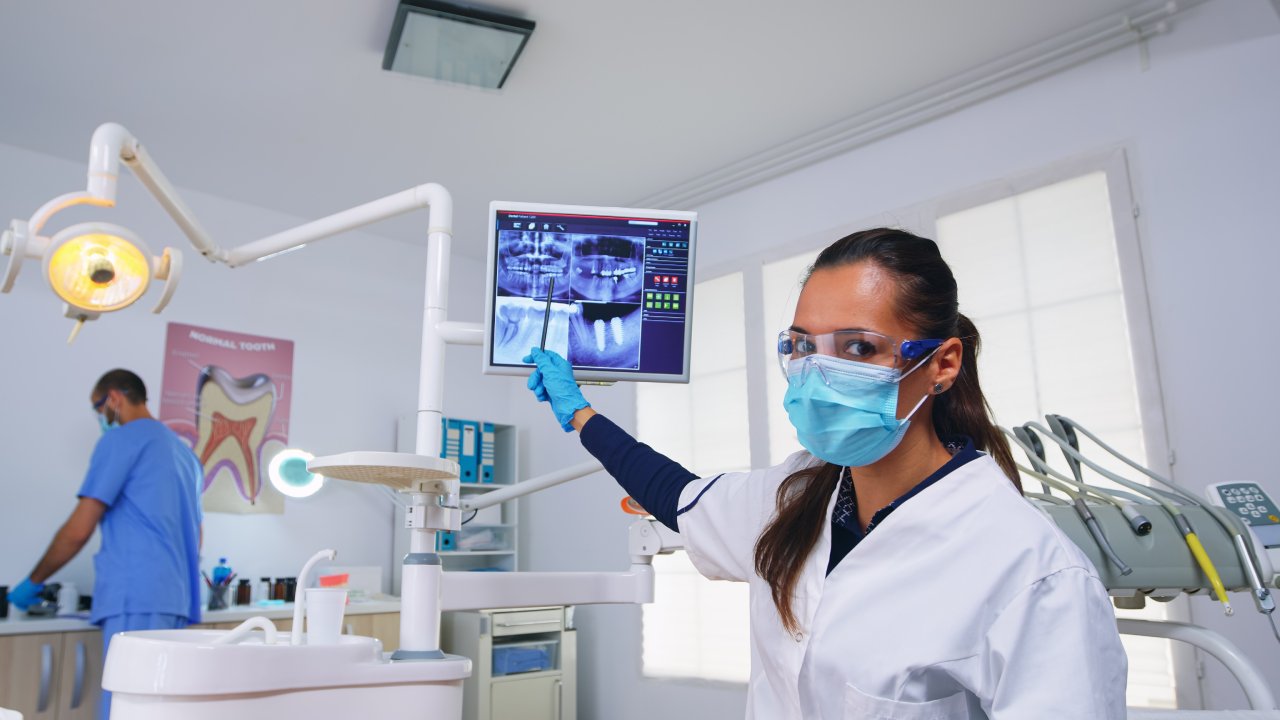
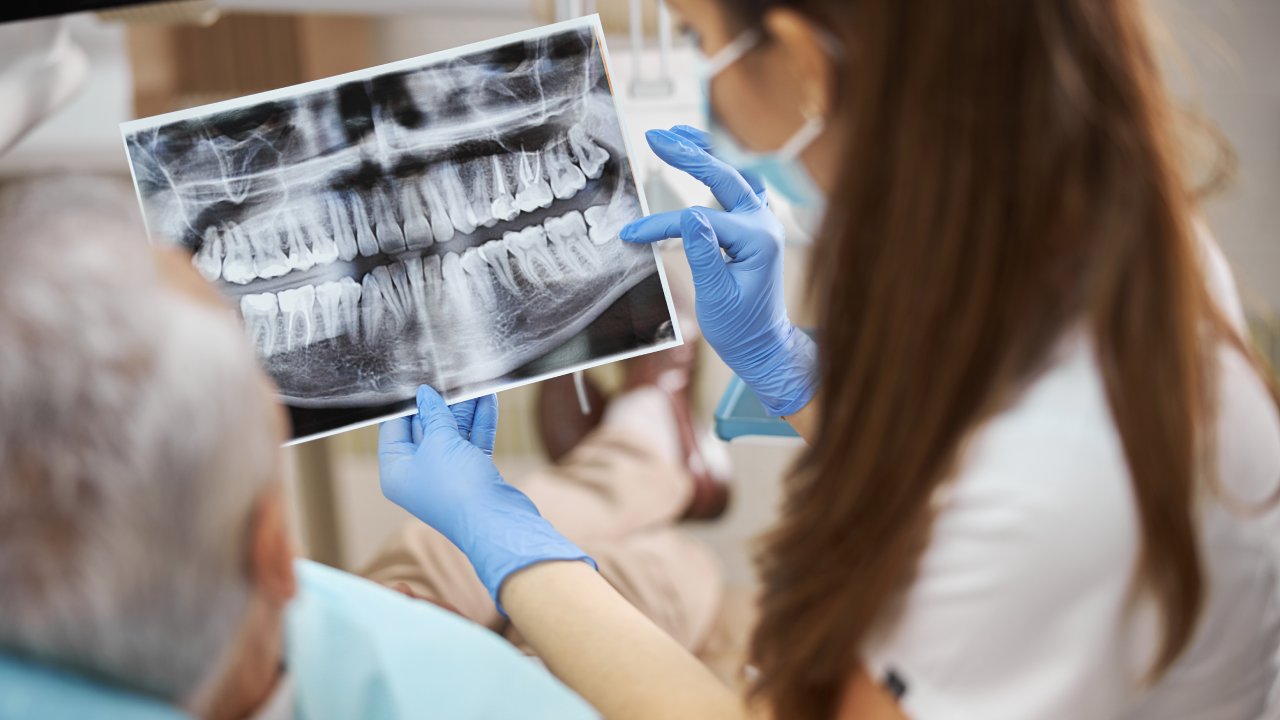
A 2019 review published in the Journal of Dental Research examined diagnostic outcomes across more than 4,000 patients and found that digital radiography reduces radiation exposure by up to 80% compared to traditional film X-rays while producing images instantly readable on screen. No waiting for film development. No retakes because an image came out underexposed. The image is on the monitor in seconds, and your dentist can zoom, adjust contrast, and show you exactly what it reveals.
Beyond the radiation benefit, the speed matters practically. Radiation reduction with digital imaging is one measurable advantage, but faster diagnosis also means fewer appointments to arrive at a treatment decision. You get answers in the chair, not after a follow-up call.
Cone-beam computed tomography, commonly called CBCT or 3D imaging, goes further. Where a flat X-ray shows a two-dimensional slice of your teeth, a 3D scan shows the full structure: bone density, nerve position, root anatomy, and sinus proximity. For implant planning, orthodontic evaluation, or identifying an infection’s true extent, 3D imaging eliminates guesswork that traditional X-rays simply cannot resolve. Before your next appointment, ask directly whether the practice uses digital X-rays and whether 3D imaging is available for complex cases.
Intraoral Cameras Let You See What Your Dentist Sees
A 2021 study published in the Journal of Clinical Dentistry surveyed 780 patients across practices using intraoral cameras and found that patient comprehension of their own diagnosis increased by 43% when they could view real-time images of their teeth during the exam. Treatment acceptance rates followed accordingly.
The mechanism is simple. An intraoral camera is roughly the size of a thick pen. It captures high-resolution video of the surfaces of your teeth and projects it on a screen you can see. When a dentist tells you there is a crack running down a molar, you now see the crack. The uncertainty disappears. You understand why treatment is recommended, not just that it is. For anyone who has ever left a dental appointment unsure whether a recommendation was genuinely necessary, seeing your own dental condition in real time changes the dynamic entirely. Before booking, ask the front desk whether the practice uses intraoral cameras during routine exams.
Laser Dentistry and Digital Impressions Replace the Worst Parts of a Visit
A 2020 clinical trial published in Lasers in Medical Science followed 312 patients receiving soft-tissue treatment with laser versus scalpel methods. The laser group reported 60% lower post-procedure discomfort scores at 48 hours and required zero sutures in 94% of cases. Healing time dropped by an average of four days.
Laser tools used for gum treatment deliver energy precisely enough to remove infected tissue without cutting into healthy surrounding tissue. There is no bleeding at the level traditional gum surgery produces, and the recovery is measured in days rather than weeks. For patients who have avoided necessary gum care because of what they expected surgery to involve, this changes the calculation entirely.
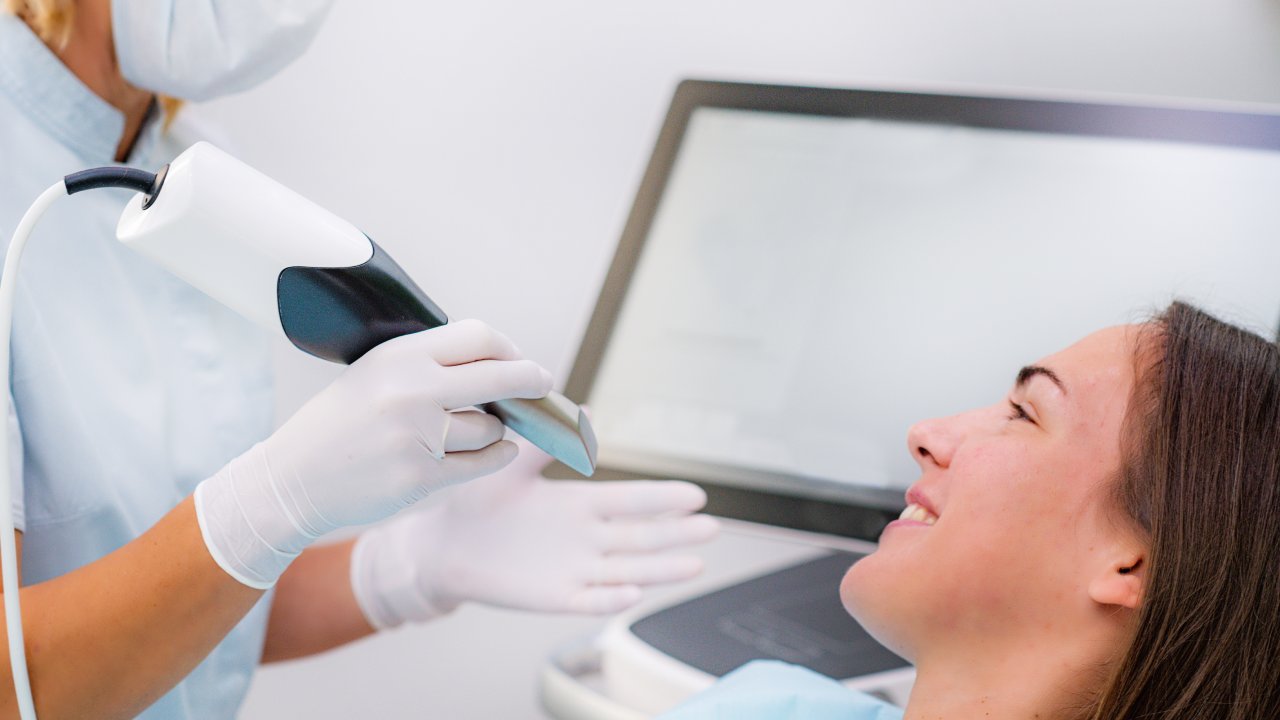
Digital impressions address the other most-cited comfort complaint. Traditional dental molds require a tray of thick, fast-setting material placed in your mouth while you hold still and manage a strong gag reflex. A digital scanner replaces that entirely. A small wand moves along your teeth and produces a precise 3D model in minutes. The scan is more accurate than a physical impression, it doesn’t trigger the gag reflex, and the resulting model never distorts during shipping to a lab.
CAD/CAM Technology Means Same-Day Crowns
A 2022 study in the Journal of Prosthetic Dentistry analyzed 1,400 crown cases and found that CAD/CAM same-day restorations matched or exceeded the fit accuracy of traditional lab-fabricated crowns while reducing total appointment time from two visits averaging four hours combined to a single visit averaging 90 minutes.
The process is straightforward. After preparing the tooth, your dentist takes a digital scan instead of a physical impression. Software designs the crown from that scan. A milling machine in the office carves it from a ceramic block while you wait. The crown is placed the same day. What this eliminates is significant: no temporary crown that can break or fall off, no second injection at a follow-up visit, no second half-day pulled from work or school. If you need a crown, ask the practice directly whether same-day restorations are available. The answer tells you something meaningful about the practice’s overall investment in efficiency.
AI and Digital Records Make Your Care Safer and More Efficient
A 2023 study from New York University’s College of Dentistry analyzed AI-assisted cavity detection across 34,000 radiographs and found that AI flagged early-stage lesions with 20% greater accuracy than visual review alone. The clinical implication is that smaller cavities are caught earlier, meaning smaller fillings, less drilling, and lower treatment cost over time. For patients, understanding how technology supports accurate diagnosis is part of evaluating whether a practice is genuinely invested in preventive outcomes or simply reactive to problems that have already grown.
Digital records compound this benefit. When your full radiographic and clinical history is stored digitally, a new provider can access it immediately. Redundant X-rays are avoided. Errors from missing paper charts disappear. Arriving at a new practice no longer means starting your dental history from scratch.
Teledentistry Brings the First Conversation to You
A 2022 report from the American Teledentistry Association, drawing on data from 1,100 practices and more than 80,000 virtual consultations conducted between 2020 and 2022, found that 74% of patients who completed a teledental consultation followed through with an in-office appointment within 60 days, compared to 41% who had only received a referral without virtual triage.
A virtual consultation covers a real range of clinical ground: you submit photos, describe symptoms, and receive a triage assessment and preliminary treatment plan. It cannot replace an in-person exam, but it lowers the barrier for people who are anxious, uncertain about cost, or unable to take time off work for an exploratory appointment. If logistics or apprehension has kept you from making that first call, a virtual consult is a low-stakes starting point that produces an actual plan.
The Single Move Worth Making This Week
Before you schedule at any practice in the Charlotte area, check the practice’s website or call the front desk and ask three direct questions: Do you use digital X-rays and intraoral cameras during routine exams? Do you offer same-day crowns? Is a virtual new-patient consultation available? The answers tell you whether a practice has made the investments that translate to your comfort and your time. Knowing what to look for when evaluating a dental office turns a phone call into a real comparison, not a guess.