
Why you might need an urgent extraction dentist
When you are dealing with intense tooth pain or a sudden dental injury, you may need to see an urgent extraction dentist to protect your health and relieve your discomfort. An emergency tooth extraction is performed quickly when a tooth is too damaged or infected to save, or when leaving it in place could lead to serious complications like spreading infection or severe swelling [1].
Emergency tooth extractions are often required for issues such as advanced decay that reaches the pulp, cracked or broken teeth, dental abscesses, trauma from accidents, or impacted wisdom teeth that are causing acute pain or infection [2]. In these situations, seeing an urgent extraction dentist promptly can relieve pain and help you avoid more extensive treatment later.
At Belvedere, you have access to urgent care for severe pain, damage, and infections, including extractions, repair, and pain management. If you are unsure whether you need extraction or another service such as emergency root canal charlotte or broken tooth repair urgent, an emergency assessment can help determine the best option.
Recognizing signs you need urgent extraction
Before you contact an urgent extraction dentist, it helps to understand which symptoms suggest that a tooth may need to be removed quickly instead of waiting for a routine appointment.
Severe and persistent tooth pain
Pain is one of the clearest warning signs. You should treat your situation as urgent if:
- Pain is severe or throbbing and does not improve with over the counter pain relievers
- Pain wakes you from sleep or makes it hard to function
- Pain worsens when you lie down or bend over
Severe tooth pain can be a sign of deep decay, an abscess, or pulp damage. If the infection has progressed too far for treatments like root canal therapy, your dentist may recommend emergency extraction to control the problem [3].
If your primary concern is pain and you are not sure whether extraction is needed, a visit to a toothache relief dentist can help you understand your options.
Swelling, infection, and fever
Infections that require urgent extraction often produce:
- Noticeable swelling of your gums, cheek, or jaw
- A visible pimple or bump on the gum that may drain pus
- Fever, chills, or feeling generally unwell
- A foul taste in your mouth or bad breath that does not go away
When infection becomes severe, it can spread beyond the tooth into nearby tissues and even into the bloodstream, which can become life threatening if not treated promptly [1]. Delaying care increases the risk of complications, including sepsis [3].
If you notice swelling spreading toward your eye, throat, or neck, or if you have trouble breathing or swallowing, you should seek emergency medical attention immediately.
Trauma, broken, or loose teeth
Dental injuries often require same day evaluation. You may need an urgent extraction dentist if you experience:
- A tooth broken below the gumline or into multiple pieces
- A tooth that is severely loose or pushed out of position after an accident
- A large fracture that exposes the inner pulp of the tooth
- A tooth that cannot be repaired with a filling or crown
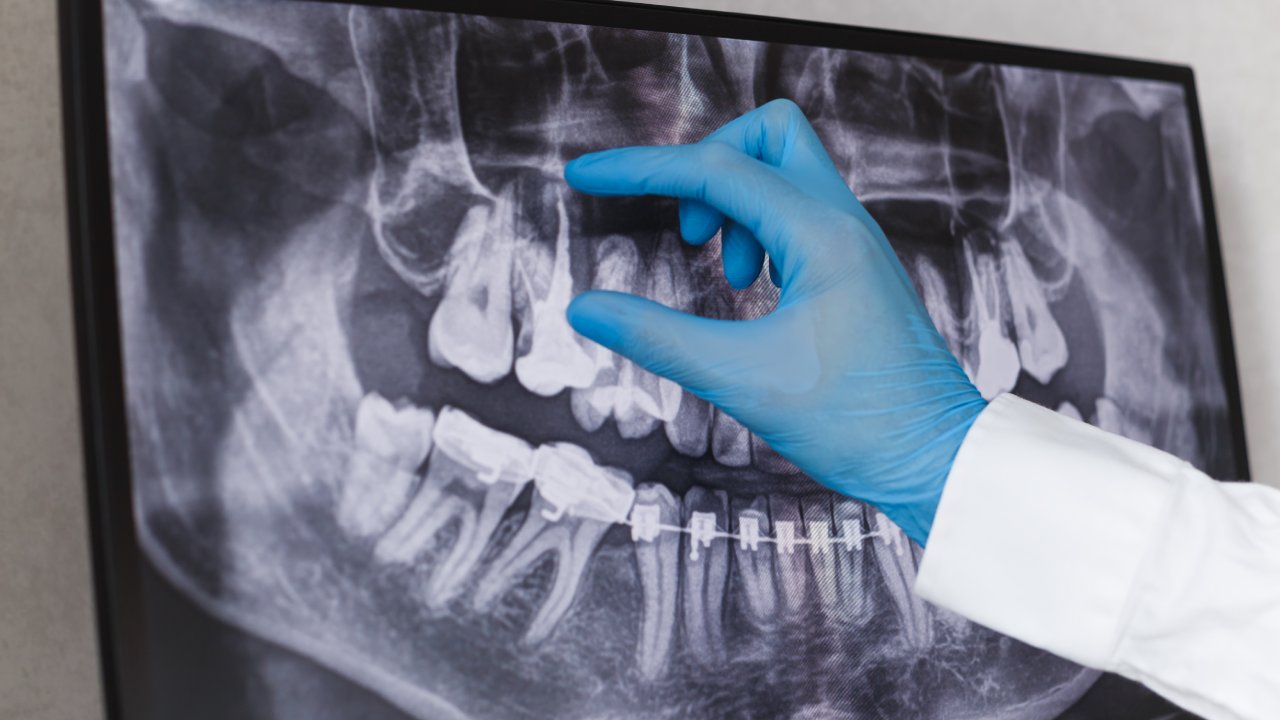
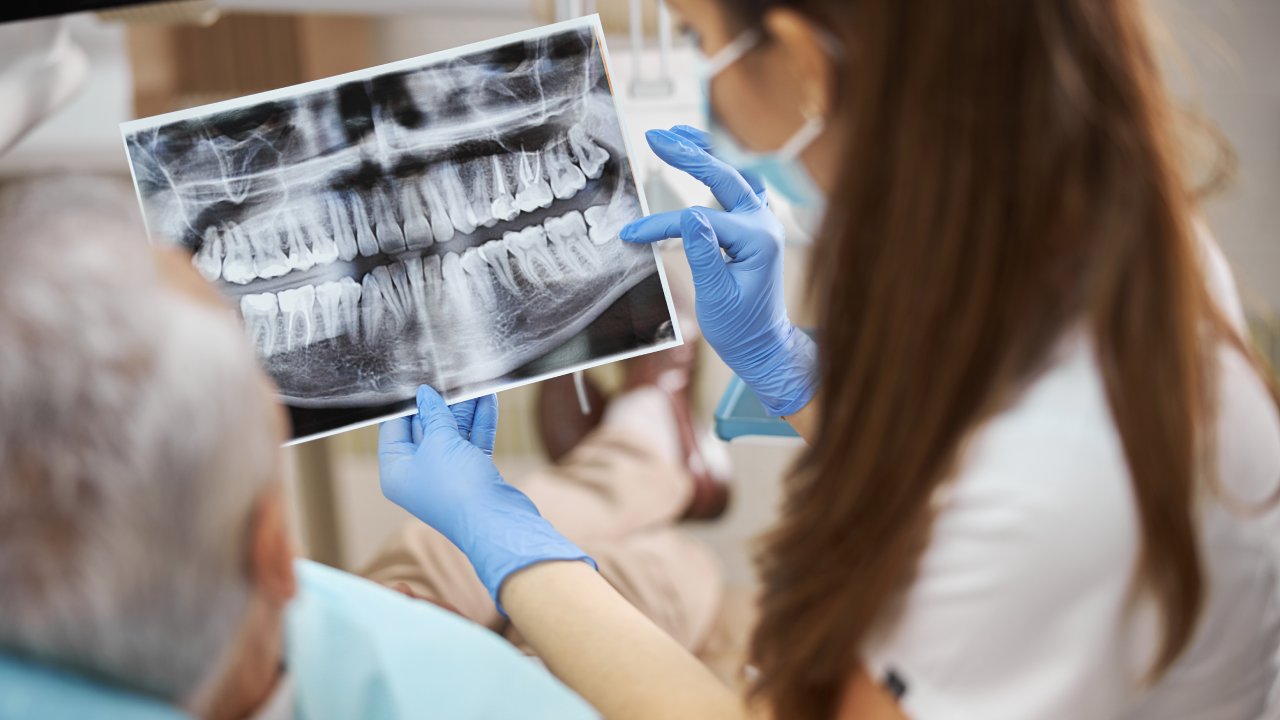
Accidents from sports, falls, or other trauma can cause fractures that are not always visible at first. A dentist will typically use X rays to determine whether the tooth can be rebuilt or if removal is the safest option [2].
If you have chipped or cracked a tooth but are not sure how serious it is, you can seek help through services like chipped tooth repair urgent or emergency crown repair. Prompt assessment helps protect the tooth and surrounding structures.
Wisdom tooth and gum problems
Wisdom teeth are a frequent cause of emergency extractions. You may need urgent removal if you have:
- Sudden intense pain in the back of your mouth
- Swelling around a wisdom tooth or difficulty opening your mouth
- Signs of infection around a partially erupted tooth, such as redness, tenderness, or discharge
Impacted or infected wisdom teeth can cause rapid spread of infection and significant discomfort, so timely care is important [4].
Contacting an urgent extraction dentist quickly
Once you recognize that you might need an emergency extraction, the next step is to reach a provider who can see you promptly.
If you are in a situation where you would search for emergency dental open now or walk-in emergency dentist, it means your symptoms should not wait until the next available routine visit. Many practices reserve time for same day emergencies, and Belvedere offers urgent dental appointment options so you can be evaluated quickly.
When you call, be prepared to clearly describe your symptoms. Mention if you have:
- Severe, unrelenting pain
- Noticeable swelling, especially if it is spreading
- Fever or feeling ill
- Recent trauma to the face or mouth
- Difficulty swallowing or breathing
Providing this information helps the team decide how urgently you need to be seen and whether you should go directly to a dental emergency clinic or, in rare severe cases, a hospital emergency department.
If you are near Charlotte and searching for help with a dental emergency charlotte nc, Belvedere can evaluate you for urgent extraction, repair, or other immediate treatments through services such as same day dental care charlotte and urgent dental repair services.
Information to gather before your visit
You can make your visit with an urgent extraction dentist smoother by gathering a few key pieces of information ahead of time. This is especially helpful when you are anxious or in pain.
Medical history and medications
Your dentist needs a clear picture of your overall health before performing an extraction. Cleveland Clinic recommends that you inform your dentist about all medications, vitamins, and supplements that you take, since some may need to be paused before surgery [5].
You should have a list that includes:
- Prescription medications
- Over the counter medicines, especially blood thinners or pain relievers
- Herbal supplements and vitamins
- Any known allergies, particularly to medications or anesthesia
You should also be ready to share any significant medical conditions, such as heart disease, bleeding disorders, diabetes, or immune system problems.
Details about your dental problem
If possible, write down:
- When the pain or problem started
- What makes the pain better or worse
- Any recent injuries to your mouth or jaw
- Previous treatments on the affected tooth, such as fillings, crowns, or root canals
Photos can sometimes be useful, especially if swelling or injury changes over time. Bring any recent dental X rays or records if you have them, although your urgent extraction dentist will usually take new imaging during your visit.
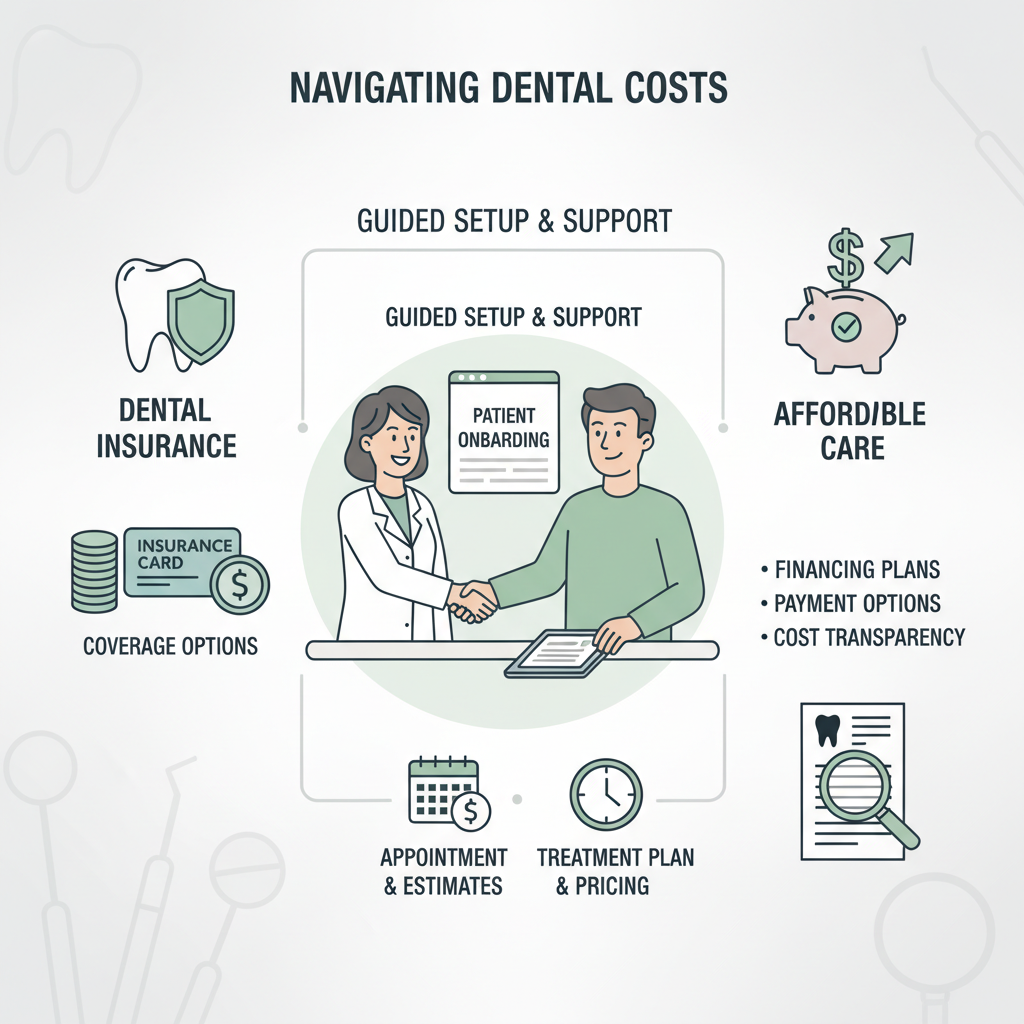
Insurance and payment questions
Before you arrive, it can help to ask:
- Whether the office accepts your dental insurance
- What payment options are available if you do not have insurance
- Whether there are additional fees for emergency or after hours visits
Clarifying these details can reduce stress so you can focus on making treatment decisions.
Managing pain and swelling safely at home
While you are arranging to see an urgent extraction dentist, you can often use simple measures to manage your symptoms. These do not replace professional care, but they may help you stay more comfortable while you wait for your appointment.
Pain relief strategies
Over the counter pain medications like ibuprofen or acetaminophen can reduce pain and inflammation for many dental problems. You should always follow the dosing instructions on the label and avoid taking more than recommended.
Avoid placing aspirin directly on the gums or tooth. This can irritate or burn the tissue and does not provide effective pain control.
If your pain is severe despite these measures, that is another sign you should seek immediate care at a pain relief dental clinic or emergency dentist charlotte if you are in the area.
Controlling swelling
Cold compresses can help with swelling. Applying an ice pack wrapped in a cloth to the cheek for 20 minute intervals during the first 48 hours after injury or extraction helps reduce swelling without putting pressure directly on the affected site [6].
You should not apply heat to a suspected infection unless instructed by your provider, since heat can sometimes worsen swelling.
If swelling increases quickly or begins to affect your ability to open your mouth, swallow, or breathe, you should seek emergency care immediately.
What to avoid before your visit
Until you are seen by an urgent extraction dentist, it is generally best to avoid:
- Using tobacco products
- Drinking alcohol, which can interact with medications
- Popping or draining any gum bumps or abscesses on your own
- Taking leftover prescription antibiotics without medical advice
Using antibiotics without proper guidance can mask symptoms temporarily without addressing the source of the problem. In some cases, this can make diagnosis more difficult later.
What to expect at the urgent extraction appointment
Understanding what will happen when you arrive at your urgent extraction dentist can reduce anxiety and help you feel prepared.
Examination and diagnosis
The visit usually begins with:
- A review of your medical and dental history
- A description of your symptoms and how they started
- An examination of your teeth, gums, and surrounding tissues
- X rays or other imaging to see the roots and jawbone
Your dentist uses this information to determine whether the tooth can be saved or if extraction is the safest option. Sometimes, treatments such as root canal therapy, drainage of an abscess, or immediate restoration may allow you to keep the tooth instead of removing it [4].
If you are in Charlotte and your tooth can be preserved, your dentist may recommend options like emergency root canal charlotte or broken tooth repair urgent rather than extraction.
Anesthesia and sedation options
If extraction is needed, local anesthesia is usually administered to numb the affected area and minimize discomfort during the procedure [7]. For some patients, sedation is also available to help manage dental anxiety or make the visit more comfortable. Cleveland Clinic notes that sedation options may be used when necessary and that some medications may need to be adjusted or paused beforehand [5].
You should discuss your level of anxiety, any prior reactions to anesthesia, and your medical history so your dentist can select the safest and most effective approach.
The extraction procedure itself
During an emergency tooth extraction, your dentist will:
- Ensure the area is fully numb and that you are as comfortable as possible
- Loosen the tooth carefully with specialized instruments
- Remove the tooth from the socket
- Clean the area thoroughly to reduce the risk of infection
- Place gauze to help control bleeding
In some cases, such as with impacted teeth or severe fractures, the dentist may need to create a small incision in the gum or section the tooth into smaller pieces to remove it safely [1]. Complex cases are often handled by oral surgeons or specialists, although many urgent extraction procedures can be performed in a general dental setting [5].
You might feel pressure during the procedure, but you should not feel sharp pain. If you do, you should tell your dentist so they can adjust the anesthesia.
Most people can return to routine daily activities within 48 to 72 hours after a tooth extraction, although complete healing of the jawbone takes longer [5].
Immediate aftercare instructions you should follow
After the extraction, your urgent extraction dentist will give you detailed instructions. Following them closely is one of the most important steps you can take to protect your healing and reduce the risk of complications.
Controlling bleeding and protecting the blood clot
A blood clot forms in the empty socket after removal. This clot is essential to healing, and disturbing it can lead to a painful condition known as dry socket.
You can support healing by:
- Biting gently but firmly on gauze pads as instructed to help stop bleeding
- Avoiding vigorous rinsing or spitting for the first 24 hours
- Not using straws, since suction can dislodge the clot
- Not smoking or vaping during the early healing period
Dental providers emphasize the importance of leaving the extraction site undisturbed to allow the blood clot to form and stay in place [2]. If bleeding seems heavy or does not slow after following your instructions, you should contact your dentist.
Pain control and swelling reduction
Your dentist may prescribe pain medication or advise you to use over the counter options. Proper use of these medications, combined with ice packs during the first 48 hours, can keep your discomfort manageable and limit swelling [6].
If you are prescribed opioids, you should use them cautiously and only as directed. Many patients can control pain with non opioid medications alone, particularly after the first day or two.
Eating, drinking, and oral hygiene
You will usually be advised to:
- Drink plenty of water to stay hydrated
- Stick to soft foods such as yogurt, applesauce, soups, and mashed potatoes for the first few days [6]
- Avoid hard, crunchy, or very hot foods that could irritate the area
- Keep the rest of your mouth clean by brushing and flossing gently, avoiding the extraction site at first
Within 24 hours, your dentist may recommend gentle rinsing with a warm saltwater solution to keep the area clean, but you should follow the specific timing and instructions you are given.
Watching for complications after emergency extraction
Most emergency extractions heal without serious problems when you follow your aftercare plan. It is still important to know which signs should prompt you to call your dentist or seek urgent care.
Common risks and warning signs
Cleveland Clinic notes that possible post extraction risks include infection, dry socket, and prolonged bleeding [5]. You should contact your provider immediately if you notice:
- Increasing pain after the first few days, especially if it suddenly worsens
- A foul odor or bad taste coming from the extraction site
- Fever, chills, or feeling generally unwell
- Persistent or heavy bleeding that does not reduce
- Swelling that worsens instead of improving
Damage to nearby teeth or nerves is rare but can occur, sometimes causing temporary numbness in the lips, tongue, or chin [7]. You should report any unusual sensations so your dentist can evaluate you.
Follow up and long term healing
Your dentist may schedule a follow up visit to check your healing and address any concerns. Completing all follow up appointments is vital to ensure that the area is healing properly and to reduce the risk of complications such as dry socket [4].
Gums and surrounding tissues usually heal significantly within 1 to 2 weeks, although bone remodeling continues for several weeks to months [1]. Your dentist can also discuss options for replacing the missing tooth if appropriate, such as implants or bridges, once healing is complete.
If you are in or near Charlotte and have had an emergency extraction, ongoing care through services like dental trauma care charlotte or same day dental care charlotte can help restore function and appearance after your initial treatment.
Planning for future dental emergencies
Facing an urgent extraction dentist visit can be stressful. Taking a few practical steps can make any future emergencies easier to manage and may reduce your risk of needing another emergency extraction.
You can:
- Maintain regular checkups to catch decay or gum disease early
- Address cracked fillings, broken crowns, or minor tooth fractures promptly through services like emergency crown repair
- Wear a mouthguard during contact sports to reduce the risk of trauma
- Seek prompt help from a toothache relief dentist if you notice new or worsening pain
If you live in the Charlotte area, it can help to know where to go in advance for an urgent issue. Belvedere offers a range of services including dental emergency clinic, emergency dentist charlotte, and same day dental care charlotte so you can get assessed quickly, whether you need pain relief, repair, or an extraction.
By understanding the signs that point to an urgent extraction, gathering important information before your visit, and following your aftercare instructions closely, you give yourself the best chance for a smooth recovery and long term oral health.