
Once the basics are covered, improving your oral hygiene comes down to choosing between daily habits: brushing more carefully, adding floss or interdental brushes, rinsing with mouthwash, or cleaning your tongue. Each one takes effort and works a little differently, so doing all of them at once isn’t always realistic. This Belvedere Dentistry guide compares them side by side, with honest pros and cons for each, and ends with a suggested starting point you can try tonight.
How can I improve my oral hygiene without feeling judged?
You can work on your oral hygiene with a few small habits done carefully every day, plus a dentist who can show you what your brush may be missing. You do not need a perfect mouth before you walk in, and you should not get a lecture once you sit down.
Many people delay asking for help because they expect to be scolded. Maybe a past visit somewhere left you feeling rushed or embarrassed. Maybe you are not sure what you are doing wrong, so it feels easier not to ask. That worry is common, and it makes sense. But it also keeps you guessing, and small problems can grow when they go unchecked.
At Belvedere Dentistry in Charlotte, the team sees that fear up close. One team member remembers a patient who was scheduled for a procedure and wanted to cancel because they were afraid it would hurt. The team member stayed calm, listened, and told the patient that feeling anxious about dental treatment is completely understandable. Then they explained what to expect in simple terms, answered every question, and promised to pass the patient’s concerns on to the dentist. They also made sure the patient knew they could ask for a break at any point. Nobody pressured them. The focus was on helping the patient feel “comfortable, heard, and in control.”
That same approach applies to your daily routine. The goal is not to grade your brushing. It is to find the one or two changes that may matter most for your mouth and leave the rest alone. That is what personalized care looks like: fewer rules, explained clearly, that fit the life you actually live.
How we picked: four criteria for judging each habit
Every habit in this roundup was judged on four things. Do dental authorities recommend it? Can you repeat it daily without fuss? Is it low cost? Is it gentle on your gums? A habit that fits all four criteria earns a spot near the top.
Recommended by dental authorities. The American Dental Association’s home oral care recommendations call for brushing twice a day with fluoride toothpaste and cleaning between your teeth once a day. The National Institute of Dental and Craniofacial Research gives similar oral hygiene guidance. Habits backed by both got the most weight here. Habits with weaker support stayed in, but they count as extras.
Easy to repeat daily. A habit only helps if you keep doing it. A five-step routine you quit by Thursday does less than a two-step routine you keep for years. So each habit was judged on time, effort, and how easily it fits into a busy morning or a tired night.
Low cost. Good oral hygiene should not depend on expensive gadgets. Each habit was judged on what it costs to start and what it costs to keep going, such as replacement heads or refills.
Gentle on gums. Some habits can cause harm when done too hard or too often. Hard scrubbing, harsh products, and tools that do not fit your mouth can irritate gum tissue. Each habit was judged on how safe it is for everyday use, including for people with sensitive gums.
Manual or electric toothbrush: how do they compare?
Both a manual and an electric toothbrush can clean teeth. Which one suits you may depend on which you will use gently, twice a day, for the full two minutes the ADA recommends.
Manual toothbrush. The pros are cost and ease. A manual brush is cheap, sold everywhere, needs no charging, and travels anywhere. You also control the pressure completely. The cons come down to technique and timing. It is easy to rush, skip the back teeth, or scrub too hard, and nothing tells you when two minutes are up. If you choose manual, pick soft bristles and use a phone timer until two minutes feels natural.
Electric toothbrush. The pros are mostly about doing some of the work for you. The head moves on its own, many models have built-in two-minute timers, and some include pressure sensors that warn you when you push too hard, which may help protect your gums. The National Institute on Aging notes that people with arthritis or other conditions that limit hand movement may find an electric toothbrush easier to use. The cons are cost and upkeep. You pay more up front, replacement heads add up over time, and the brush needs charging.
Whichever you pick, the ADA Seal of Acceptance is a helpful shortcut when you shop. Products that carry the Seal have been evaluated by the ADA, which can save you from sorting through marketing claims on the shelf.
The right brush varies from person to person. If your gums bleed easily, you wear braces, or your hands get stiff, your dentist can help you decide. For many families, a practical approach is to choose the brush each person will actually use, and replace it once the bristles look worn.
What is the 3-3-3 dental rule?
The 3-3-3 rule is an informal rule of thumb, not an official guideline. It is most often described as brushing three times a day, for three minutes each time, and replacing your toothbrush every three months.
The idea behind it is helpful: brush often, take your time, and do not hang on to a frayed brush. Still, it differs a little from what dental authorities actually recommend. The ADA’s advice is to brush twice a day for two minutes with fluoride toothpaste and to clean between your teeth once a day. Brushing a third time is fine if you do it gently, but more is not always better if you scrub hard. Replacing your brush about every three months lines up with common advice, and sooner if the bristles splay out or after you have been sick.
You may also see other versions of the 3-3-3 rule online, so if a source uses it differently, check it against the ADA’s guidance or ask your dentist. The rule is easy to remember, but cleaning between your teeth, a habit the ADA recommends, is not part of it at all.
Fluoride toothpaste and cleaning between teeth: the habits dental authorities emphasize
Fluoride toothpaste twice a day and daily cleaning between your teeth are the two habits that fit all four criteria. Dental authorities recommend them, they cost very little, they take only minutes, and they are gentle when done correctly.
Fluoride toothpaste. The pro is protection. The NIDCR explains that fluoride helps protect teeth from decay, and fluoride toothpaste is an easy way to get that benefit every day. It costs about the same as other toothpaste. The cons are minor. Young children need only a small amount, so parents should ask the dentist how much to use at each age. Some people find certain flavors or whitening formulas harsh on sensitive teeth, but milder fluoride options exist.
Cleaning between teeth. The pro is reach. Your toothbrush cleans the front, back, and chewing surfaces, but the bristles cannot fully reach the tight spaces where teeth touch. Plaque left there can contribute to decay and gum problems in spots you cannot see in the mirror. That is why the ADA lists cleaning between your teeth once a day right next to brushing. The con is that many people skip this habit, often because the tool they tried felt awkward. For some people, trying a different tool may help.
Floss, interdental brushes or a water flosser: which fits your hands and your teeth?
String floss. Pros: it is the cheapest option, slips into tight contacts, and fits in any pocket or purse. Cons: it takes some dexterity, and gums may bleed a little at first if you are new to it. Floss picks or holders can make it easier, though they cost a bit more per use.
Interdental brushes. Pros: these tiny brushes are easy to grip, and they can work well for wider gaps, around bridges, or along braces. Some people find them faster than floss. Cons: they come in sizes, and the wrong size can feel tight or miss the gap. They also need replacing more often than a roll of floss. Ask your dentist which size fits your teeth.
Water flosser. Pros: it sprays a stream of water between teeth, which some people with braces, bridges, or limited hand movement find easier than string. Cons: it costs more up front, needs counter space and an outlet or battery, and rinses rather than scrapes. Ask your dentist whether it is enough on its own for your teeth or works better alongside floss or interdental brushes.
These two habits are the suggested starting point because they meet every criterion at once. The ADA and the NIDCR both back them, they take a few minutes a day, they cost little, and they are gentle on gums when done carefully. Everything else in this roundup builds on them.
Are mouth rinse and tongue cleaning worth adding?
Mouth rinse and tongue cleaning can be optional extras, but neither one replaces brushing with fluoride toothpaste and cleaning between your teeth. Think of them as add-ons, not shortcuts.
Mouth rinse. Pros: some rinses contain fluoride, some are made to reduce plaque, and most freshen breath. A rinse can be handy after lunch when brushing is not an option. Cons: many rinses are cosmetic, which means they mask odor for a while without addressing its cause. Some contain alcohol, which can sting or feel drying. Australia’s government health service makes the key point plainly: mouthwash does not replace brushing and flossing. If you want a rinse, look for the ADA Seal and ask your dentist which type matches your goal.
Tongue cleaning. Pros: the surface of your tongue holds bacteria that can contribute to bad breath. Gently brushing your tongue or using a scraper is quick, free if you use your toothbrush, and easy to add at the end of your routine. Cons: it can trigger a gag reflex for some people, and it may not help with bad breath that comes from gum problems, decay, or other health issues. Scraping too hard can also irritate the tongue.
Both extras are low in cost and easy to do, but they rank below the top two habits because they do less on their own to address decay and gum disease. If your budget or time is tight, put fluoride toothpaste and cleaning between teeth first, then add these if you like how they feel. For current product guidance, the ADA is a good place to check.
When is better brushing not enough?
Better brushing may not be enough when a problem keeps coming back after you have changed your routine, or when something hurts. Those are signs to see a dentist rather than buy another product.
Home care is an important part of oral health, but it cannot diagnose or treat. The National Institute on Aging lists red, swollen, or bleeding gums and lasting bad breath among the warning signs of gum disease. Call a dentist if you notice any of these:
- Gums that keep bleeding when you brush or clean between your teeth
- Bad breath that lingers no matter how well you brush, rinse, or clean your tongue
- Sensitivity to hot, cold, or sweet foods that does not go away
- Tooth or jaw pain, swelling, or a tooth that feels loose
None of these automatically means something serious is happening, and some have simple causes. But only an exam can tell you which is which. Waiting and hoping can turn a small issue into a bigger one, and brushing at home cannot remove hardened tartar or repair a cavity. If one of these signs sounds familiar, it is a good time to book, not a reason to feel embarrassed.
Can a dentist pull a rotten or broken tooth, and how do I get seen quickly for pain?
Yes, a dentist can remove a tooth that is too decayed or broken to save, but many damaged teeth can be repaired instead. If you are in pain, call the office as soon as you can, describe what is happening, and ask for the earliest emergency appointment.
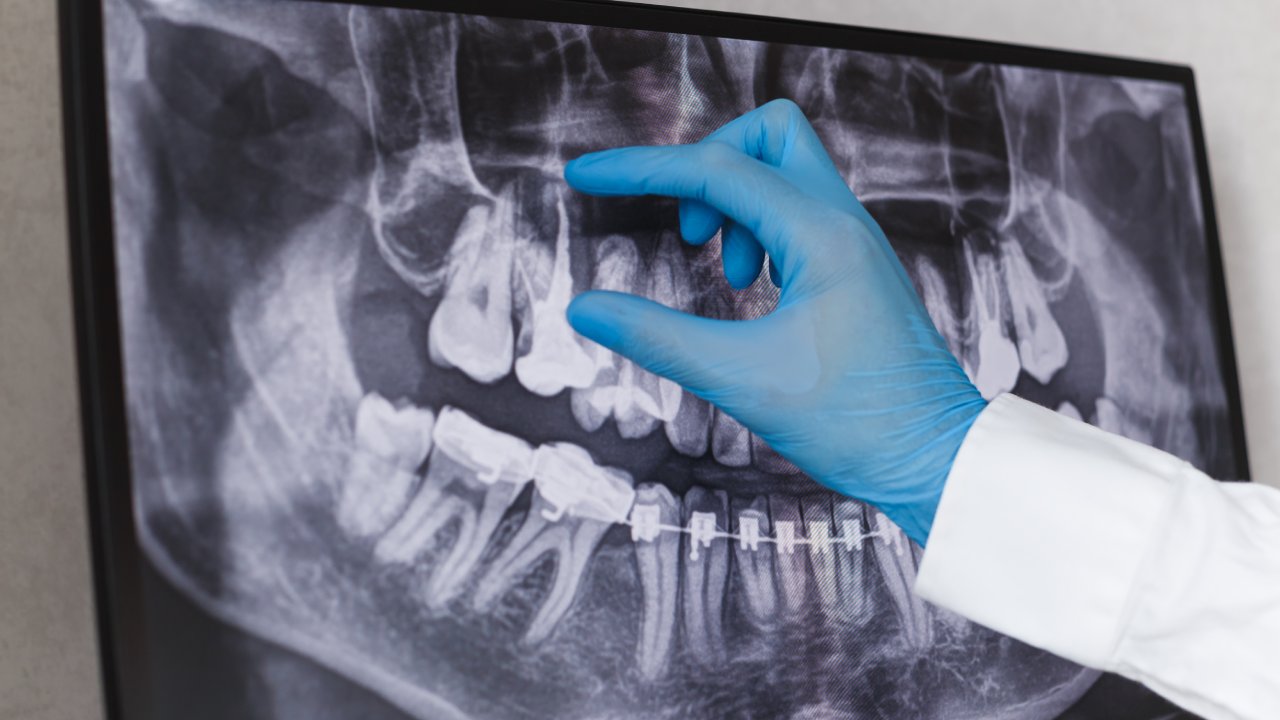
A tooth that looks hopeless to you may still be repairable. Depending on the damage, a crown, a filling, or another repair can sometimes keep your natural tooth in place, and many dentists prefer to keep a natural tooth when that is possible. When a tooth truly cannot be saved, removing it may be the right choice, and your dentist can then talk with you about replacement options. Only an exam and X-rays can show which path fits your tooth, so you can leave with a clear plan rather than a guess.
Belvedere Dentistry offers emergency dental care. When you call, it helps to share where the pain is, how long it has lasted, whether you see swelling, and whether a tooth is cracked or loose. That lets the Belvedere Dentistry team understand how urgent your visit is. Until you are seen, avoid chewing on the sore side and keep the area clean.
Some symptoms cannot wait for any dental office. If you have swelling that spreads to your face or neck, a fever with tooth pain, or trouble breathing or swallowing, go to an emergency room or call 911 right away.
What can a dentist near you add to your home routine?
A dentist near you can offer what a toothbrush cannot: removing hardened buildup, checking for problems with an exam and X-rays, and tailoring your routine to your mouth. Home care and professional care are designed to work together.
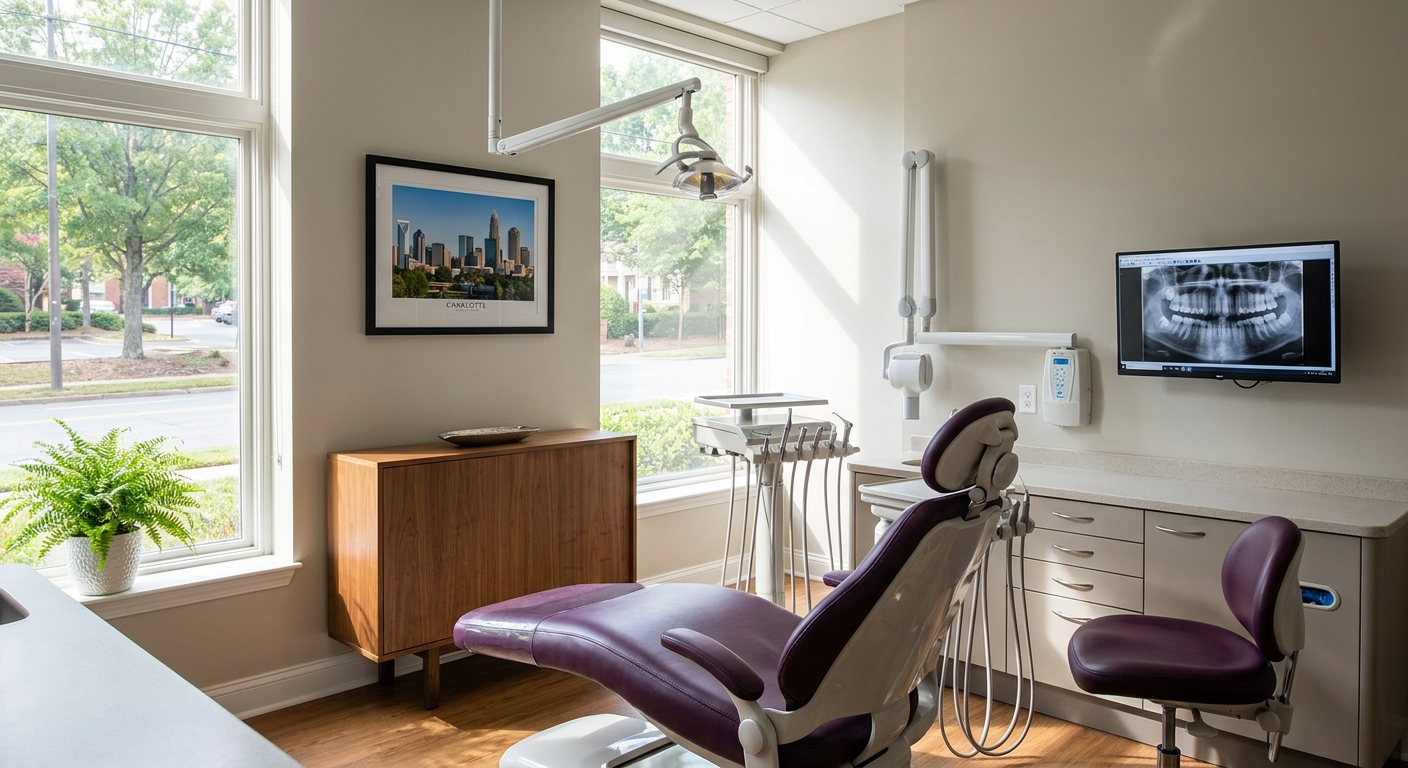
Belvedere Dentistry offers routine cleanings and exams, digital X-rays and diagnostics, and preventive care for whole families. When gums need more attention, the practice also provides deep cleanings and periodontal therapy. Because cosmetic and restorative services such as whitening, bonding, crowns, and implants are offered in the same office, many common needs can be handled in one place, without moving between practices.
Comfort-focused care at Belvedere Dentistry means a calm, communicative visit. It does not mean sedation. Belvedere Dentistry does not offer sedation, and when a patient needs or requests it, the practice refers them elsewhere. Knowing this ahead of time means no surprises when you arrive.
Depending on what you need, a visit may include an exam, a cleaning, and digital X-rays, with care led by owner Dr. Jason Bansch or associate dentist Dr. Alex Soderfelt. The Belvedere Dentistry team keeps up with continuing education. If you say you are nervous, they will explain each step, pass your concerns to the dentist, and pause for a break whenever you ask. One patient put it simply: “I love this team here at Belvedere Family Dentistry.”
How can I find out if a dentist is a good fit?
You can learn a lot about a dentist before and during your first visit by paying attention to how they explain, how they price, and how they treat your worries. These checks may help:
- Read reviews from local families. Look for repeated comments about comfort, kindness, and clear explanations, not just star ratings.
- Notice how they explain what they see. A dentist who uses plain language, shows you X-rays or photos, and answers questions without making you feel judged is a good sign.
- Ask about costs before treatment. You should be able to learn what your insurance is expected to cover and what you may owe before any work begins.
- Check that they take your insurance. Ask whether the office is in-network with your plan or simply accepts it, since that can change your costs.
- See if they handle your whole family’s needs. A practice that offers cleanings, gum care, and cosmetic work in one place can save you trips and referrals.
- Watch for honesty about limits. A good office tells you plainly when something is outside what it offers and points you elsewhere.
- Pay attention to how you feel. If the team listens, lets you ask for breaks, and never rushes you, that is a strong sign of patient-first care.
What is a red flag for a dentist?
A red flag is anything that makes you feel pressured, confused, or ignored. Trust your instincts, and get a second opinion if something feels off. Watch for these warning signs:
- Pressure to agree to major treatment on the spot, especially with “today only” pricing or scare tactics
- No explanation of why you need a procedure, or reluctance to show you X-rays or photos
- Unclear or changing costs, or refusing to give an estimate before treatment starts
- Recommending a lot of work without an exam or X-rays to back it up
- Brushing off your pain or anxiety, or making you feel embarrassed about your teeth
- Rushed visits where your questions go unanswered
- Vague answers about your insurance, or surprise bills after you were told something was covered
- A dirty or disorganized office, or staff who do not seem to follow basic cleanliness
One red flag does not always mean a bad dentist, but several together are a reason to look elsewhere.
Is Belvedere Dentistry accepting new patients, and how do I book?
The quickest way to find out is to use the booking button on this page or call the Belvedere Dentistry office, and the team will let you know about openings for new patients. Booking takes just a few minutes, and you can ask questions before you commit to anything.
When you reach out, mention what brings you in, whether it is a routine cleaning, a cosmetic concern, or something that hurts. It also helps to have your insurance details ready so the Belvedere Dentistry team can check your plan. If you feel nervous, say so up front. The team will explain what to expect at your first visit in simple terms, so nothing catches you off guard. Families can ask about booking several members at once, which can make life easier for the parent juggling everyone’s schedules.
Is cost a barrier to a checkup, and what does insurance cover?
Cost does not have to keep you from a checkup. Many dental plans cover preventive visits, and Belvedere Dentistry is in-network with seven major plans and accepts eight more.
Belvedere Dentistry is in-network with Aetna, Blue Cross Blue Shield, Cigna, Delta Dental, GEHA, Humana, and UnitedHealthcare. The practice also accepts Ameritas, Connection Dental, Guardian, Liberty Dental, MetLife, Mutual of Omaha, Physicians Mutual, and Sun Life. In-network and accepted are not the same thing. With an accepted plan, your share of the cost may differ from what it would be at an in-network office, so check your plan’s details or ask when you book. What you owe always depends on your specific plan, your deductible, and the care you need.
The habits in this guide cost very little. A soft toothbrush, fluoride toothpaste, and floss or interdental brushes fit into many budgets. The checkup is the piece people delay because of cost, and it is also a visit where a dentist can look for problems while they may be smaller and simpler to address.
What can I do if I don’t have dental insurance?
If you do not have dental insurance, you still have options, and an important step is to ask about costs before your visit. Call the office, explain that you are paying on your own, and ask what a new patient exam, X-rays, and a cleaning will cost. Knowing the number ahead of time can reduce the worry of a surprise bill and lets you plan.
Payment plans and sliding-scale fees vary from office to office, so ask directly whether a practice offers either one rather than assuming. Some community health centers in Charlotte set dental fees based on income, which may help if money is very tight. You can also look into an individual dental plan or a dental savings plan, then check whether the office accepts it before you enroll.
While you sort out the money side, keep up the low-cost habits in this guide. Brushing twice a day with fluoride toothpaste and cleaning between your teeth every day are habits dental authorities recommend for oral health. For more ideas, read our guide to the most affordable ways to see a dentist in Charlotte. Asking about costs is always welcome.
What else do patients ask before changing their routine?
Most questions come down to tools, time, and cost. Here are short, honest answers.
How can I improve my oral hygiene at home? Brush twice a day with fluoride toothpaste, clean between your teeth once a day, and keep regular dental visits. That is the core of the ADA’s home care advice.
Is an electric toothbrush better than a manual one? Either may work well when used carefully. The choice comes down to comfort, cost, and what you will use every day.
Do I really need to floss every day? The ADA recommends cleaning between your teeth daily, which reaches spots a brush can miss. If floss is hard to use, interdental brushes or a water flosser are alternatives to discuss with your dentist.
How often should I see a dentist for a cleaning? Many people benefit from regular checkups. Your dentist can set a schedule based on the health of your gums and teeth.
What if I am nervous about going to the dentist? The Belvedere Dentistry team explains each step simply, answers your questions, and lets you ask for a break at any point. Sedation is not offered, so comfort here comes from calm, clear communication.
Does insurance cover cleanings at Belvedere Dentistry? Belvedere Dentistry is in-network with Aetna, Blue Cross Blue Shield, Cigna, Delta Dental, GEHA, Humana, and UnitedHealthcare, and accepts several other plans. Your plan details decide what you owe.
What is the suggested starting point for better oral hygiene?
The suggested starting point is fluoride toothpaste twice a day plus daily cleaning between your teeth, with regular professional visits alongside. That combination fits every criterion: backed by dental authorities, easy to repeat, low cost, and gentle on gums.
The way you use your brush may matter as much as which brush you pick, so choose manual or electric based on comfort and budget. For cleaning between teeth, pick floss, interdental brushes, or a water flosser based on your hands and your teeth, not on what someone else uses. Add mouth rinse or tongue cleaning only if you like them, and never as a replacement. Your starting point, your gums, and how consistent you stay all play a part, which is why a professional visit belongs in the plan. So if you are still asking yourself, “How can I improve my oral hygiene?”, a reasonable place to begin is two habits and one checkup.
Here is one thing to try tonight: put your between-teeth tool right next to your toothbrush, where you cannot miss it. A habit that many people skip may be easier to keep when it sits in plain sight.
Then take the next step. Book a first visit with Belvedere Dentistry in Charlotte, NC using the booking button on this page, and tell the team you want help building a simple daily routine for you or your whole family.
Ready to Turn These Habits Into a Routine That Works?
Knowing which daily habits matter is one thing, but it’s easy to wonder whether your brushing and flossing are actually doing enough. The team at Belvedere Dentistry in Charlotte, NC can look at your teeth and gums, talk through what you’re doing now, and help you decide which habits are worth focusing on. Call the office to set up a general dentistry visit and get a clear picture of where you stand.
This article is general information, not a diagnosis or treatment plan. Individual needs and experiences vary, so talk with your dentist about what fits your mouth. If you have severe swelling, fever, or trouble breathing or swallowing, seek emergency care right away.