
Understand clear aligners
Your tooth-straightening journey starts with adult clear aligners treatment, a discreet and modern approach to orthodontics. These aligners use custom-fitted plastic trays to apply gentle pressure, guiding your teeth into their ideal positions over time.
With clear aligner therapy, you avoid traditional metal brackets and wires. Each tray is nearly invisible, making it ideal for professionals or anyone seeking a subtle solution. Clear aligners are crafted from BPA-free medical-grade plastic, ensuring both safety and comfort [1]. When you choose aligners, you’re opting for a system that fits seamlessly into your lifestyle.
What are clear aligners?
- They consist of a series of removable, transparent trays custom-designed to fit snugly over your teeth.
- Each aligner applies controlled, incremental pressure to move your teeth a fraction of a millimeter at a time.
- You switch to a new tray every one to two weeks, progressing through the series until your treatment goals are met.
- Aligners are made from smooth, BPA-free SmartTrack® material, which reduces irritation to gums and cheeks [2].
- Because they’re removable, you can continue eating your favorite foods without restrictions and maintain your oral hygiene routine easily.
- Some providers let you preview your treatment plan through digital simulations before you start, giving you a clear picture of the end result.
How they work
Clear aligners rely on the biological process of bone remodeling. By exerting consistent but gentle pressure on specific teeth, the aligners stimulate bone breakdown in one area and bone build-up in another, allowing teeth to shift safely within the jawbone [3]. You progress through aligners sequentially, with each new set designed to move your teeth closer to the optimum position. Over the course of treatment, this systematic approach translates to predictable and gradual improvements in alignment. Modern treatment-planning software ensures that every movement is mapped out before you begin.
Prepare for treatment
Successful adult clear aligners treatment begins long before you wear your first tray. It involves careful planning, thorough evaluation, and clear communication of your goals.
Initial consultation
Your first step is to book an orthodontic consultation charlotte. During this visit, your dentist or orthodontist will examine your bite, discuss your smile objectives, and determine whether you’re a candidate for clear aligners or if you might need alternative approaches such as lingual braces or other clear braces alternatives. If you have a teen weighing options, explore our invisalign teen program nc as well.
Treatment planning
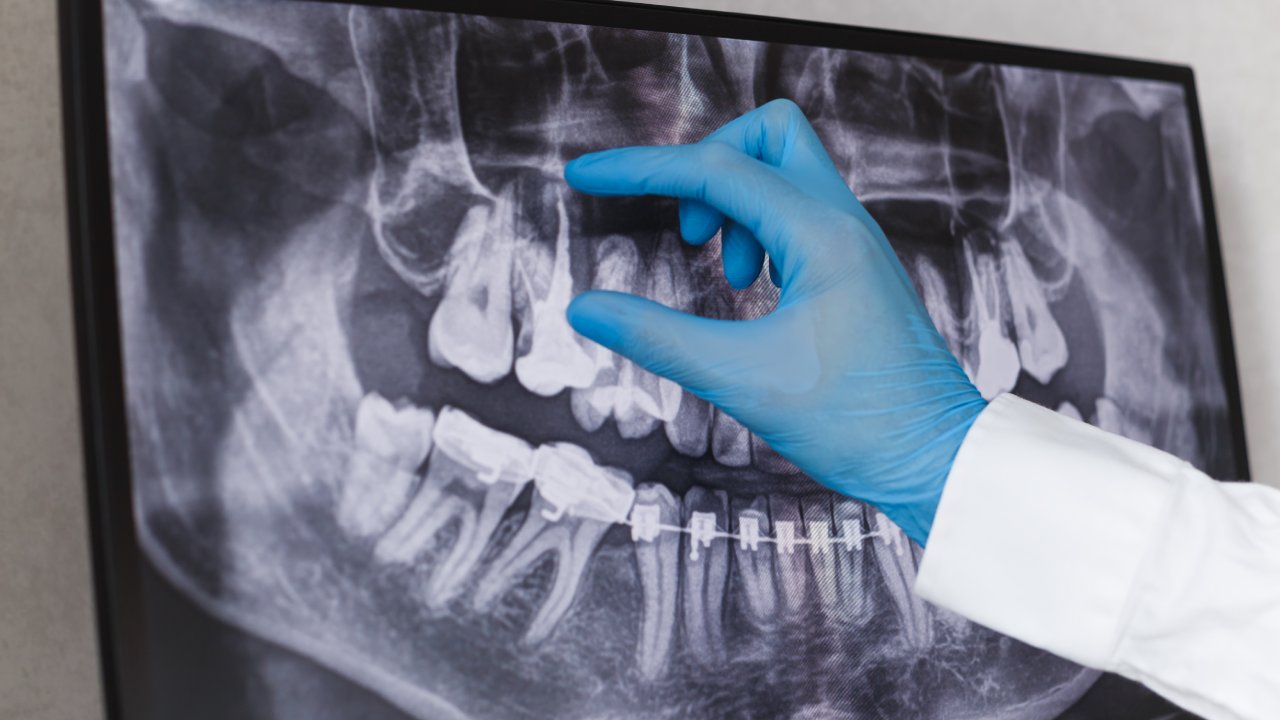
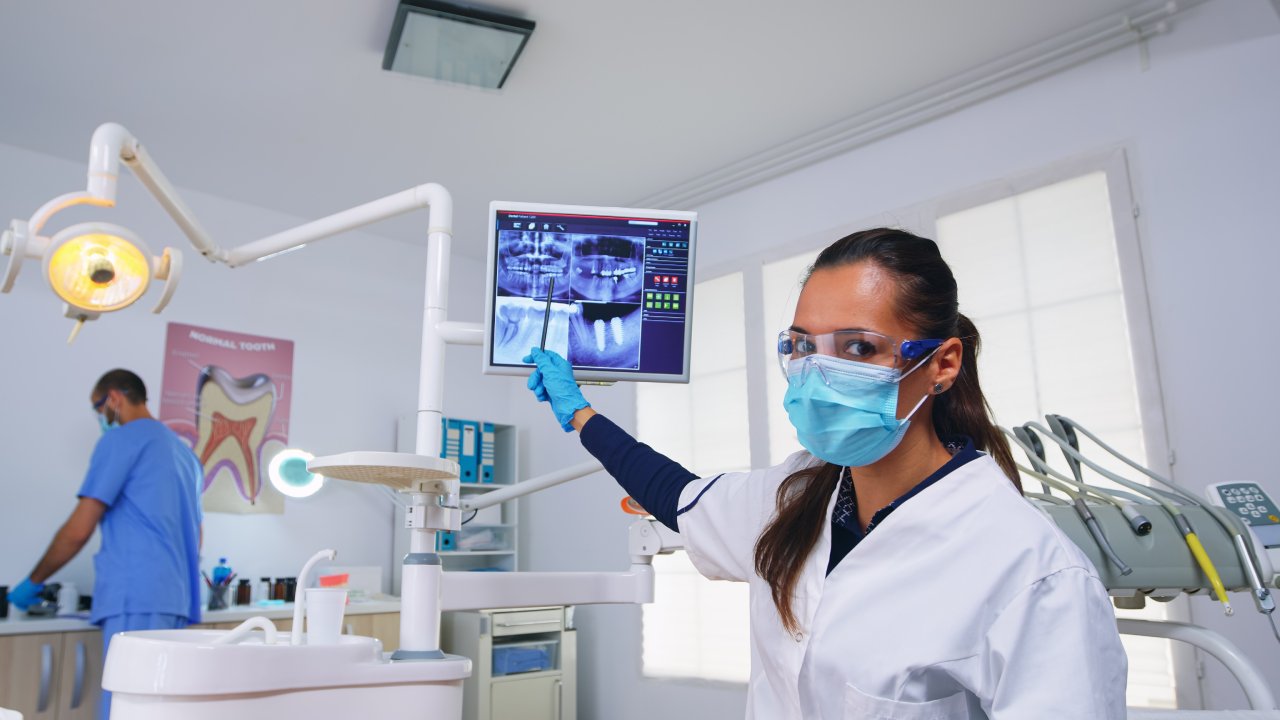
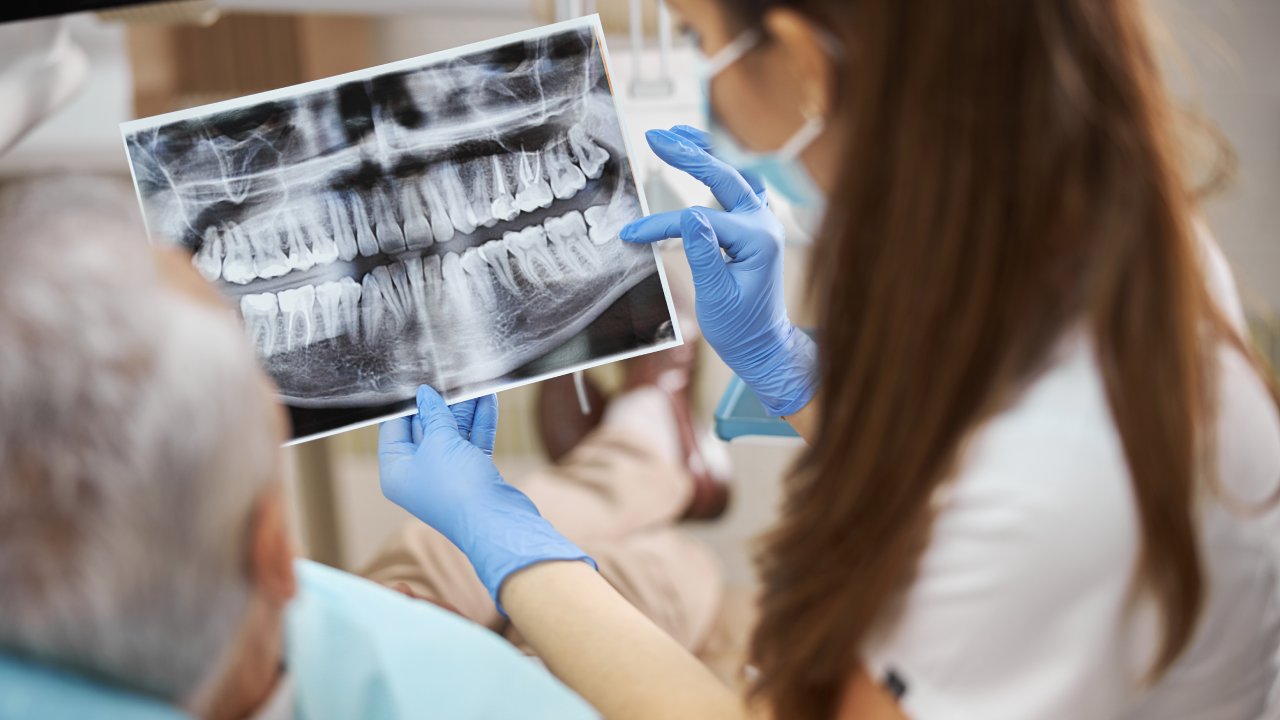
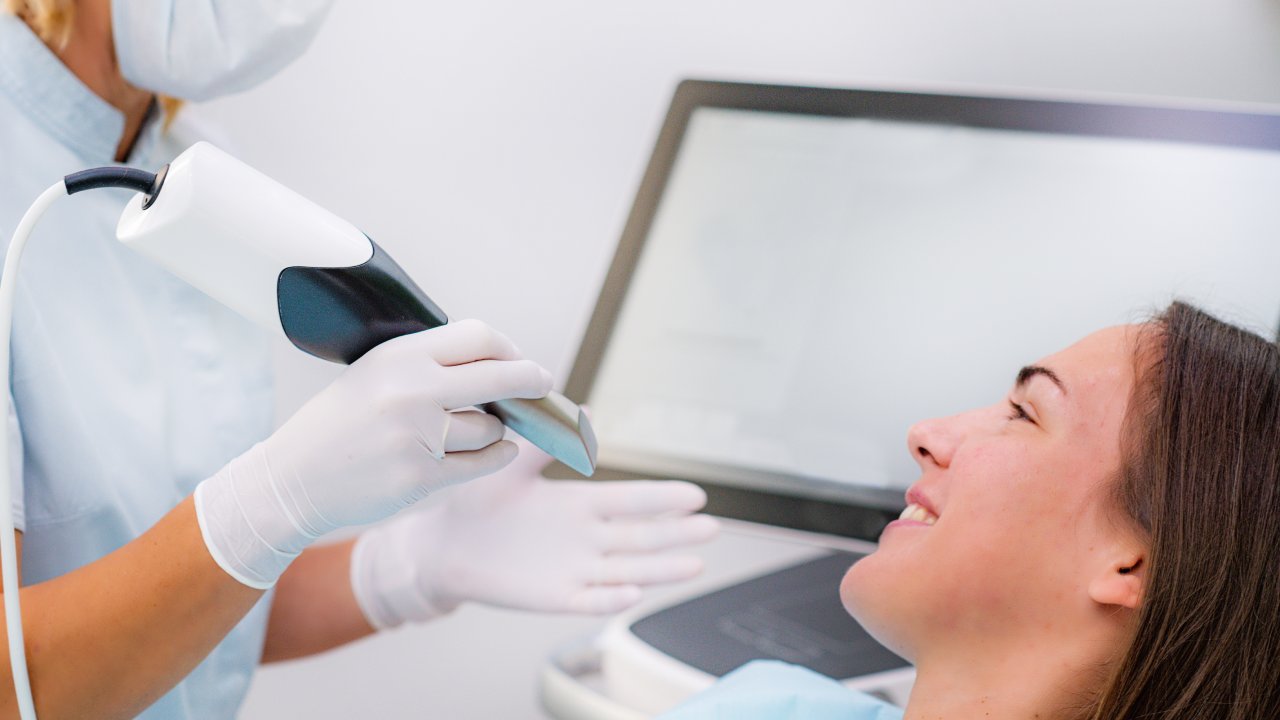
Once you’re approved, advanced 3D scanning captures a precise digital model of your teeth using services like our 3d orthodontic imaging service. This scan feeds into proprietary software that simulates each stage of tooth movement, letting you preview your results before treatment starts [4].
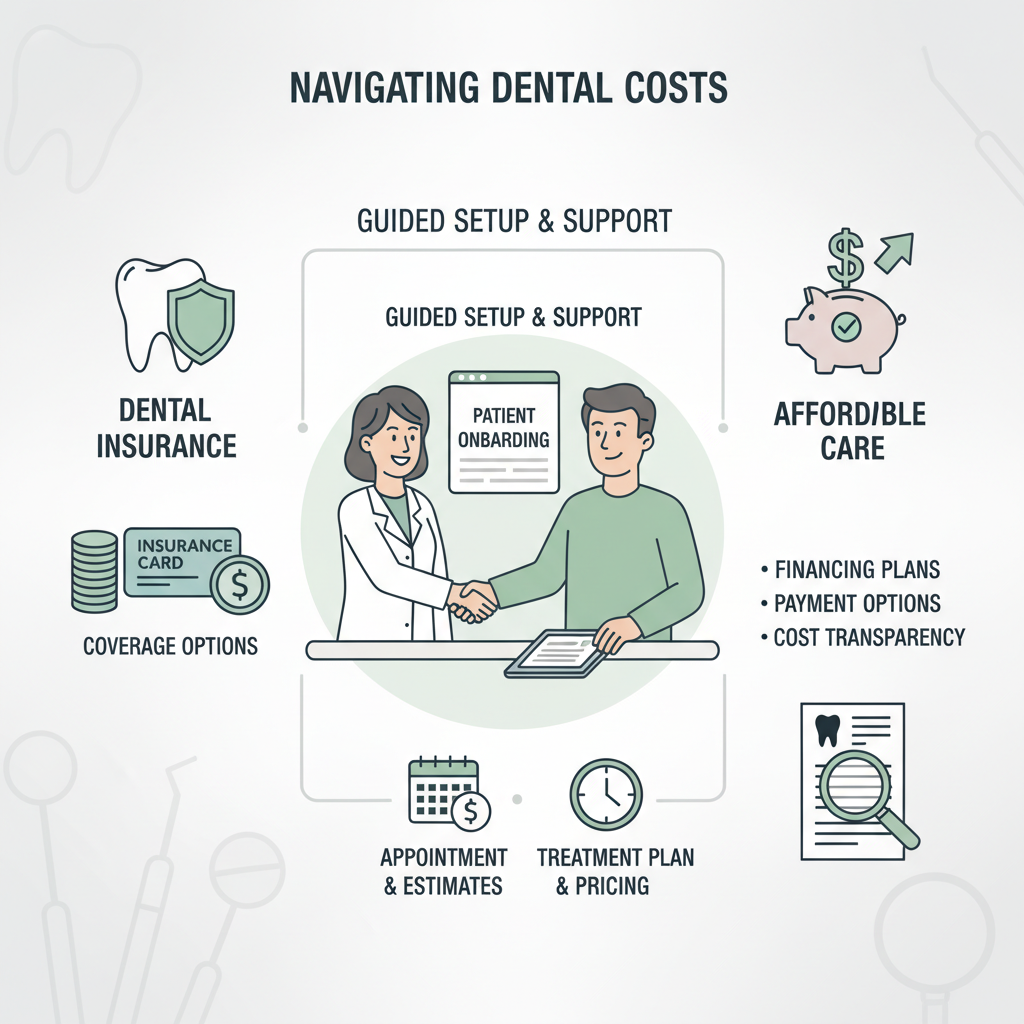
After reviewing the digital plan, your provider finalizes a schedule outlining expected tray changes and monitoring appointments. You’ll also discuss options for financing your treatment through orthodontic payment plans. Clear financial guidance helps you focus on your journey without worrying about hidden costs.
| Case complexity | Typical duration | Source |
|---|---|---|
| Mild spacing or crowding | 6–8 months | [5] |
| Moderate corrections | 9–15 months | [5] |
| Complex tooth movements | Up to 18+ months | [5] |
| Rapid aligners (Motto®) | ~5.4 months average | [6] |
| Invisalign standard | 12–18 months typical | [7] |
Wear aligners properly
Your aligners only work when you wear them correctly. It’s essential to adhere to the schedule provided by your orthodontist and handle your trays with care.
Daily wear time
For most providers, including Invisalign, you should wear your aligners for 20 to 22 hours per day, removing them only to eat, brush, and floss [1]. Consistent wear keeps your teeth moving according to plan and prevents delays. If you skip forward or fall behind on tray changes, you risk compromising fit and effectiveness. Sticking to the daily regimen accelerates your progress and helps you reach each milestone on time [5].
Handling aligners
When removing your trays, use gentle pressure from both sides to avoid bending or cracking the plastic. Always slide them off rather than pulling directly, which can distort the tray’s shape. Store your aligners in a protective case to prevent loss or damage. Avoid exposing trays to heat sources like hot water or direct sunlight—high temperatures can warp the plastic and alter tooth movement.
Maintain oral hygiene
Clear aligners improve oral hygiene by allowing full access to your teeth, but they also require diligent cleaning to prevent plaque buildup and discoloration.
Cleaning your aligners
Rinse your trays each time you remove them, brushing them gently with a soft-bristled toothbrush and clear, fragrance-free soap. Avoid toothpaste, which can scratch plastic and create microabrasions that harbor bacteria. For a deeper clean, use a cleaning solution recommended by your provider or an over-the-counter aligner cleaner at least once a day. Regular cleaning keeps your trays transparent and fresh, reducing the risk of bad breath and gum irritation [2].
Brushing and flossing
Before reinserting your aligners, brush and floss thoroughly to remove food particles. You’ll prevent staining of both your teeth and trays by maintaining this routine after every meal. Consider carrying a travel toothbrush and floss picks in your bag—this simple habit ensures your aligners always return to a clean environment.
Optimize treatment progress
Beyond daily wear and hygiene, you can take proactive steps to enhance your treatment outcome.
Use digital imaging
Periodic scans or photos help you and your clinician verify that your teeth are tracking according to plan. Many practices offer remote review through their orthodontic imaging charlotte services. This real-time feedback reduces surprises and allows for quick adjustments in your orthodontic treatment planning.
Track your progress
Keep a photo diary of your smile every two weeks. Visual records empower you to stay motivated and share any concerns promptly. If you notice that an aligner doesn’t fit as expected, schedule a retainer adjustment charlotte or reach out for guidance before moving to the next tray.
Manage appointments effectively
Consistent follow-up and monitoring visits are critical to keeping your treatment on track and catching any issues early.
Follow-up visits
Your treatment plan will include regular orthodontic follow up visits every four to eight weeks. These check-ins allow your provider to assess tooth movement, verify tray fit, and address any gum or jaw discomfort. Plan your visits well in advance to ensure you stay aligned with your timeline.
Monitoring care
Some practices offer virtual check-ins via smartphone apps, cutting down on unnecessary office trips. If your plan includes orthodontic monitoring visits, you may only need to come in for major milestones. This hybrid approach saves time while preserving high-quality care.
Address common challenges
Even the best preparations can’t eliminate all bumps in the road. Knowing how to handle setbacks ensures you remain in control of your treatment.
Discomfort and adaptation
Mild soreness is normal for the first few days after each tray change. Over-the-counter pain relievers and cold compresses can alleviate discomfort. If tightness persists beyond a week, contact your provider—sometimes slight adjustments are needed to maintain comfort.
Lost or damaged aligners
If you misplace an aligner or notice a crack, contact your orthodontist promptly. They may advise returning to your previous tray or issuing a replacement to preserve your schedule. Emergency visits are rare, but having the orthodontic care charlotte number on hand gives you peace of mind.
Care after treatment
Finishing your aligner series marks a major milestone, but retention is essential to maintain your new smile.
Wearing retainers
Most providers require full-time retainer wear for the first six months, then nightly thereafter. Custom retainers guard against relapse by holding your teeth in their corrected positions. Schedule retainer adjustment charlotte visits as recommended to ensure a snug fit.
Long-term maintenance
Continue routine dental checkups and daily hygiene to protect your investment. If you ever notice shifting teeth, return for an evaluation—early intervention is easier and more cost-effective. Whether you opt for fixed wire retainers or removable trays, ongoing care safeguards your smile for years to come.
A confident, straight smile is within reach when you follow these guidelines. By understanding how clear aligners work, preparing carefully, and committing to your treatment plan, you’ll maximize the results of your adult clear aligners treatment. Ready to get started? Reach out to a transparent aligners dentist or book your initial orthodontic consultation charlotte today.