
Understanding aligner orthodontic systems
An aligner orthodontic system is a modern approach to straightening teeth that relies on clear, custom-made trays rather than metal brackets and wires. You receive a series of these nearly invisible aligners, each designed to move your teeth a fraction of a millimeter at a time. Typically, you wear each aligner for about two weeks before switching to the next in the sequence, gradually shifting your smile into its ideal position [1]. Because each stage is planned out before treatment begins, you know exactly what to expect from start to finish, giving you confidence in your orthodontic progress.
For adults, clear aligners offer a discreet way to address lingering alignment issues or orthodontic relapse after braces—consider exploring our adult clear aligners treatment to learn how this solution fits into your lifestyle. Teens can also benefit from a streamlined process that integrates both comfort and aesthetics; you can find more details on our invisalign teen program nc. Whether you’re correcting mild crowding or addressing more complex bite problems, aligners adapt to a wide range of orthodontic cases with minimal disruption to your daily routine.
The hallmark of this system is predictability. Thanks to advanced 3D digital imaging, your orthodontist maps out every tooth movement before you even receive your first tray. By following the prescribed wear schedule of 20 to 22 hours per day, you progress through the aligners in a controlled, measurable way. If you ever have questions or need adjustments, routine orthodontic monitoring visits ensure your treatment stays on track without unexpected delays.
How aligners work
Clear aligners apply gentle, constant pressure to the teeth, stimulating the periodontal ligament and prompting bone resorption on one side and deposition on the other. This biological response allows your teeth to shift in the desired direction. Because the trays are custom-formed from digital scans of your mouth, each aligner engages only the teeth that need movement at that stage, improving efficiency and minimizing unnecessary contact.
This method contrasts with braces, where elastic bands and wires apply broader forces to multiple teeth simultaneously. With aligners, you get targeted movement in a sequence tailored to your unique dental anatomy. At each two-week interval, you swap to the next aligner in the series, gradually guiding your teeth toward their final alignment under the watchful eye of your orthodontist.
Aligners vs braces comparison
You may wonder how clear aligners measure up against traditional metal braces. Both modalities aim to achieve the same result—a healthier bite and a more confident smile—but they differ in appearance, comfort, hygiene, and treatment style.
| Feature | Clear aligners | Traditional braces |
|---|---|---|
| Visibility | Almost invisible plastic shells | Metal brackets and wires are noticeable |
| Comfort | Smooth, custom-fit trays reduce irritation | Brackets can rub against gums and cheeks |
| Oral hygiene | Remove trays to brush and floss normally | Requires special flossers and brushes |
| Dietary restrictions | No restrictions—remove to eat anything | Avoid hard or sticky foods to protect brackets |
| Treatment planning | 3D digital plan with predictable stages [2] | Manual adjustments based on in-office visits |
| Typical duration | 12–18 months on average [3] | 18–24 months for moderate to complex cases |
By comparing these key differences, you can decide which system aligns best with your priorities—whether you place a premium on discretion, comfort, or the time commitment involved. For more on how clear aligners stack up against metal braces, check out our in-depth comparison at invisalign vs braces.
Discreet appearance benefits
One of the most compelling reasons to choose an aligner orthodontic system is its near invisibility. You can straighten your teeth without drawing attention to your orthodontic appliance. Whether you’re speaking at a business meeting, taking photos with friends, or simply enjoying your day, clear trays blend seamlessly with your natural tooth color.
This discreet solution empowers you to maintain confidence throughout treatment. You won’t need to worry about metal brackets altering your professional image or selfie-ready smile. For situations where you want an even more subtle look, ask your orthodontist about stealth aligner options, which further minimize any visible plastic borders.
Imagining your treatment doesn’t have to come with a noticeable hardware upgrade. With clear aligners, you can correct spacing, crowding, and bite irregularities while preserving the appearance of your current smile. Many patients say they appreciate the freedom to keep their orthodontic journey private, sharing progress photos selectively rather than announcing a full metal-and-wire makeover.
Superior comfort and fit
Comfort is another area where aligners have an edge. Traditional braces rely on metal wires and elastic ligatures that can poke or rub against the soft tissues of your mouth. Clear aligners, in contrast, are crafted from a smooth, medical-grade thermoplastic material known as SmartTrack [4]. This patented material is designed to fit snugly over your teeth, distributing pressure evenly and minimizing discomfort.
Studies confirm the comfort advantage of clear aligners. In a 2025 comparative study at a tertiary orthodontic clinic in Saudi Arabia, patients rated aligner comfort at 8.2 out of 10 versus 4.9 for traditional braces (P < 0.01) [5]. The smooth trays eliminate bracket-related abrasions, and because you remove them for eating and cleaning, you avoid the soreness that sometimes follows lengthy adjustments.
Custom fit with SmartTrack
Your aligners are created from precise 3D scans, ensuring each tray fits your dental arch like a glove. This close adaptation reduces movement of the appliance itself, further decreasing friction against cheeks and gums. Over the course of treatment, the SmartTrack material maintains consistent force, so you won’t experience the spikes in pressure often felt when braces are tightened.
Reduced soft tissue irritation
Because there are no protruding parts or sharp edges, clear aligners significantly lower the risk of mouth sores. If you’ve ever had to carry dental wax to soothe irritated cheeks, you’ll appreciate how aligners simplify your experience. Most patients report that any discomfort confined to the first day or two of a new aligner is mild and controlled by over-the-counter pain relief.
Simplified oral hygiene
Maintaining excellent oral hygiene during orthodontic treatment can be challenging with braces. Food particles often become trapped around brackets, requiring special flossers and brushes to clean effectively. Clear aligners eliminate those obstacles entirely because you can remove them for eating, brushing, and flossing at any time [1].
You no longer need to navigate around wires or worry about leftover debris fostering decay. Instead, you continue your regular dental routine—brush twice daily, floss once a day, and rinse as recommended. After meals, simply rinse your aligners with water or a recommended cleaning solution and pop them back in. This streamlined approach helps you avoid plaque buildup and reduces the risk of white spots that sometimes appear under braces.
A removable system also means zero dietary restrictions. You can enjoy crunchy snacks, sticky treats, or your favorite hard candy without concern, as long as you remove your aligners first. This freedom makes social events and meals much more enjoyable compared to the limitations imposed by metal appliances.
Accurate treatment planning
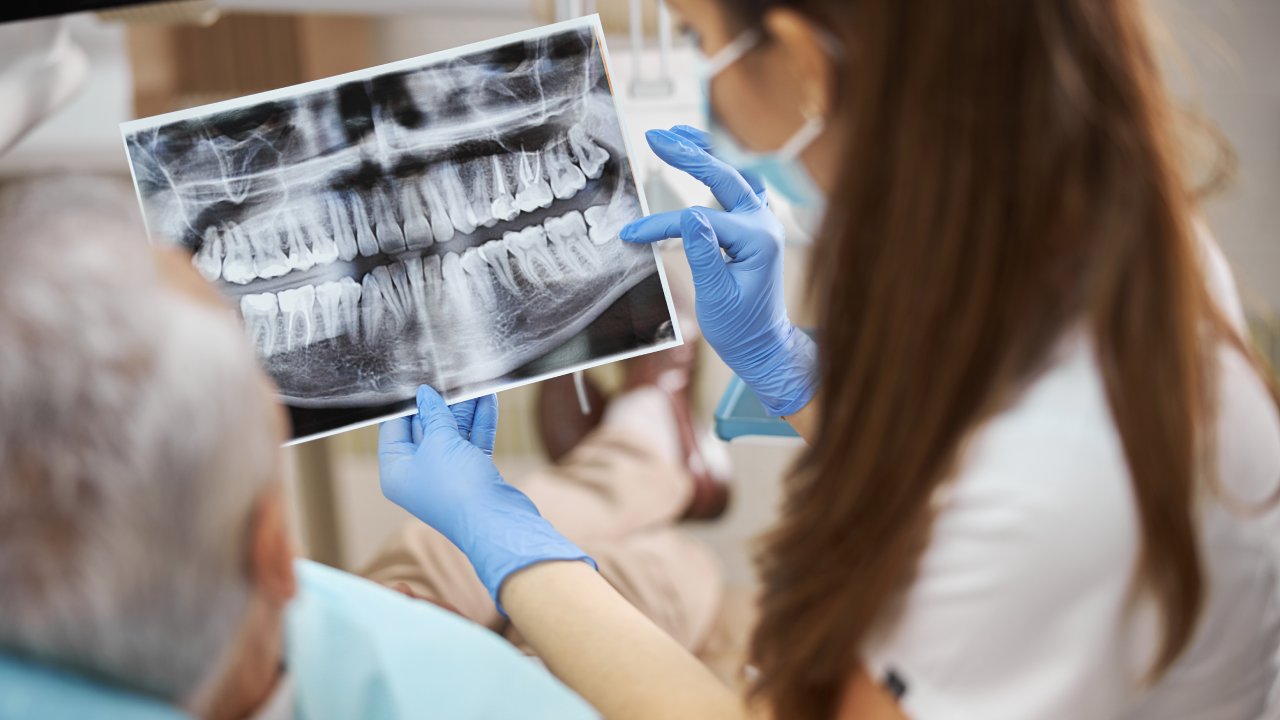
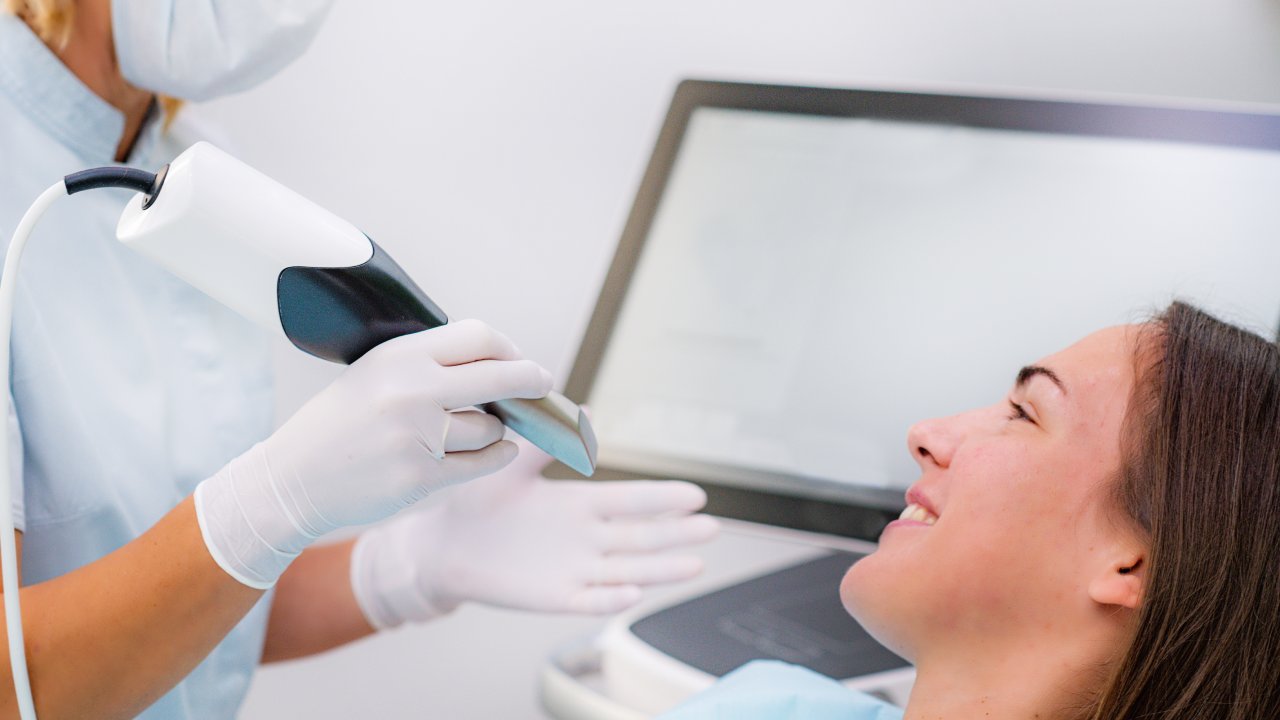
Precision is at the heart of an effective aligner orthodontic system. Before you begin treatment, your orthodontist uses advanced 3D imaging to capture every contour of your teeth and gums. These digital impressions replace traditional putty molds, making the process more comfortable and remarkably accurate. You can explore similar high-resolution scans through our orthodontic imaging charlotte service.
Once your digital model is complete, specialized software maps out each tooth’s movement, showing you a virtual preview of the entire treatment sequence. You’ll know how your smile transitions from day one to the final result, and you can ask questions or request modifications before any trays are fabricated. This level of foresight helps set realistic expectations and builds trust in the process.
3D digital scans
Digital intraoral scanners capture high-definition images of your dentition in minutes, delivering a precise record of your current alignment. These scans feed directly into the design software, eliminating human error and ensuring that each aligner is milled or printed to exact specifications. You’ll often find that fewer refinements or mid-course corrections are needed, saving you time and extra visits.
Customized treatment map
Your personalized treatment plan outlines the number of aligners required, the order in which you’ll wear them, and the estimated timeline for each phase. You can access this plan during orthodontic consultation charlotte and later track progress through periodic check-ins. With this roadmap in hand, you’re an active participant in your orthodontic care rather than a passive recipient of adjustments.
Predictable treatment duration
One of the standout advantages of an aligner system is its predictability. Traditional braces depend on the manual adjustment of wires, making it harder to forecast exactly when your treatment will conclude. By contrast, aligners follow a preplanned trajectory: you typically switch trays every two weeks, and your orthodontist can calculate the total number of aligners needed to meet your goals.
Average treatment times for clear aligners range from 12 to 18 months, though simple cases may finish in as little as six months and more complex scenarios can extend to 24 months [3]. Regular orthodontic follow up visits help verify that you’re on schedule and allow for minor tweaks if necessary. Because you progress through the trays as planned, you face fewer surprises and can coordinate your orthodontic journey with major personal or professional events.
Timeframe flexibility
In some cases, you might qualify for accelerated programs that reduce overall treatment duration. For instance, Invisalign Express involves five to ten aligners for minor corrections, potentially wrapping up in just a few months. Discuss your specific needs during treatment planning to see if you’re a candidate for these streamlined options.
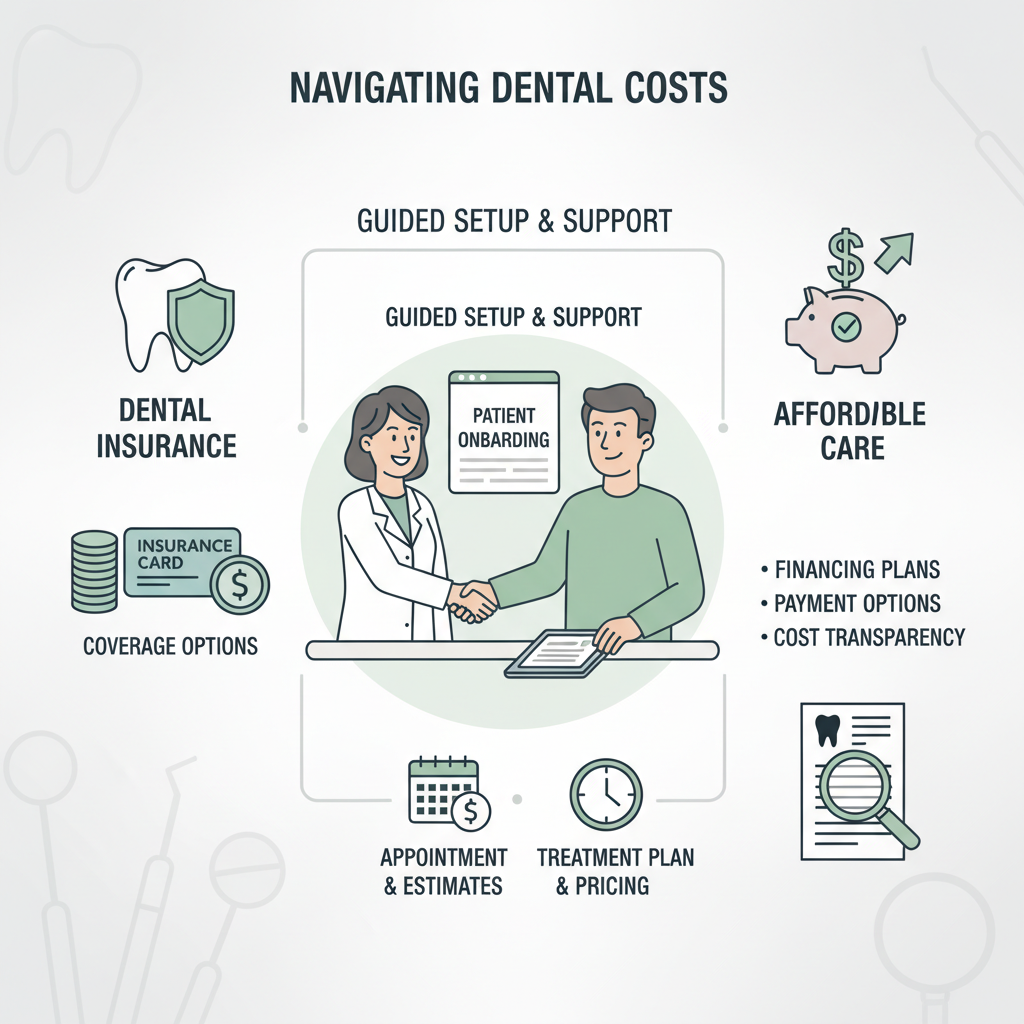
Cost considerations and plans
Cost is a significant factor when evaluating orthodontic treatment. Clear aligners typically range from $3,000 to $8,000, depending on complexity, materials used, and geographical location [6]. Many dental insurance plans that cover orthodontics apply their benefits equally to clear aligners and traditional braces [7], so checking your policy details can help you budget accordingly.
To ease the financial commitment, most practices offer flexible orthodontic payment plans. You might break your balance into manageable monthly installments or take advantage of in-house financing that aligns with your cash flow. If clear aligners stretch your budget, explore clear braces alternatives or inquire about seasonal promotions and reduced fees for certain income brackets.
Insurance and coverage
Orthodontic benefits vary widely by provider, but many plans cap coverage at $1,500 to $3,000 per lifetime. Ask your insurer whether clear aligners fall under “orthodontic services” and confirm any dependent age limits or preauthorization requirements. A thorough review before starting treatment prevents unexpected out-of-pocket costs and ensures you maximize available benefits.
Begin your aligner journey
If you’re ready to transform your smile with a state-of-the-art aligner orthodontic system, the first step is a comprehensive consultation. During your appointment, you’ll discuss your goals, undergo a digital scan, and review personalized treatment options. You can schedule your initial visit through orthodontic consultation charlotte or contact a transparent aligners dentist to learn more about specific brands and technologies.
Whether you’re a teenager starting with the invisalign teen program nc or an adult exploring invisalign clear aligners charlotte, clear aligners offer a blend of discretion, comfort, and predictability. After treatment, you’ll need retainer care to preserve your results—ask about retainer adjustment charlotte to keep your smile stable. Regular check-ins, whether during orthodontic monitoring visits or follow-up appointments, ensure you maintain the alignment you’ve worked so hard to achieve.
Embrace the freedom to eat, speak, and live confidently throughout your orthodontic care. With an aligner orthodontic system designed around your lifestyle, you’ll find that straightening your teeth can be as seamless as it is effective. Take the next step and book your consultation today.