
Clear braces alternatives overview
You’ve decided it’s time to improve your smile, but you’re not sold on traditional metal braces. Luckily, clear braces alternatives offer a discreet and effective way to shift your teeth without the conspicuous look of wires and brackets. These options range from custom plastic trays that you can remove at mealtimes, to less visible in‐office appliances bonded behind your teeth. By weighing each approach carefully, you’ll find the solution that aligns with your lifestyle, budget, and orthodontic needs.
Types of clear braces alternatives
In this section, you’ll explore the main categories of clear or low‐visibility orthodontic treatments. Each option brings its own blend of efficiency, comfort, and aesthetic appeal.
Invisalign clear aligners
Invisalign clear aligners use a series of virtually invisible, removable plastic trays to guide your teeth into position. The system relies on SmartTrack material, which Invisalign says offers more predictable movement and greater comfort compared to older aligner brands [1]. You switch to a new tray every one to two weeks, wearing them 20 to 22 hours a day for optimal results.
If you’re under 18, the invisalign teen program nc adds compliance indicators to help ensure your trays are on track. Adults, meanwhile, can learn more about personalized options through our adult clear aligners treatment page. And if you’re curious how Invisalign stacks up against traditional braces, check out our detailed comparison in invisalign vs braces.
Ceramic braces
Ceramic braces pair the reliability of traditional bracket‐and‐wire systems with a more discreet appearance. The brackets themselves are clear or tooth‐colored, blending in with your enamel. Since these appliances remain fixed, you won’t need to remember to reposition an aligner each day. However, you will need to maintain diligent oral hygiene to avoid staining around the brackets.
This option is popular in regions like Brooklyn, NY, where practitioners such as Halabi Orthodontics report ceramic braces as a cost‐effective trade-off between aesthetics and control [2].
Lingual braces
Lingual braces take concealment a step further by placing brackets and wires on the backside of your teeth. From the outside, they’re virtually invisible, making them an appealing choice for professionals or anyone wary of front-facing hardware. Because they’re custom-made to fit the contours of your teeth, lingual braces demand precise laboratory work, which can lead to higher fees and longer initial fitting appointments. Cleaning can also take some getting used to.
Mail-order aligners
A growing number of at-home aligner brands promise rapid, budget-friendly treatment without regular office visits. Byte, for example, offers an at-home system for $1,999 upfront with optional financing and a device that claims to accelerate tooth movement [3]. Others like NewSmile charge around $1,795, including remote video support and retainers.
While mail-order aligners can save you hundreds or even thousands of dollars, they carry the risk of inadequate supervision. The American Association of Orthodontists warns that unsupervised aligner use can lead to irreversible complications and higher rates of retreatment [4].
Other clear options
Beyond these primary approaches, you might come across systems like Six Month Smiles, which uses clear or tooth-colored brackets to focus on your front teeth for a shorter treatment window. CandidPro blends in-office scans with remote monitoring, costing between $3,000 and $5,500 and appealing to busy adults. ClearCorrect and Angel Aligner occupy the mid-market, providing dentist-supervised plastic trays at price points between $2,000 and $6,000 for mild to moderate cases.
Compare treatment options
Below is a quick side-by-side look at the five standout clear braces alternatives. This table highlights key features to help you narrow your choices.
| Option | Visibility | Wear schedule | Typical cost range | Best for |
|---|---|---|---|---|
| Invisalign clear aligners | Virtually invisible | 20–22 hours/day, trays swap biweekly | $3,000–$8,000(Pesh Orthodontics) | Mild to moderate alignment |
| Ceramic braces | Low visibility | Always in place | $3,000–$6,000 | Patients wanting fixed appliances |
| Lingual braces | Invisible from front | Always in place | $5,000–$10,000 | Complex cases, high esthetic demand |
| Mail-order aligners | Moderate | 20–22 hours/day, remote check-ins | $995–$1,800(Forbes Health) | Budget-conscious, tech-savvy adults |
| Six Month Smiles & hybrids | Low visibility | Always in place | $3,000–$4,500 | Front-tooth corrections, quick fixes |
Evaluate benefits and drawbacks
Each clear braces alternative brings specific advantages and trade-offs. Aligners generally win on comfort and removability, but they demand strict discipline. If you skip a wear period for meals or forget to swap trays, your treatment timeline can lengthen. Fixed options like ceramic or lingual braces eliminate compliance concerns—you never “forget” to reapply them—but they do come with dietary restrictions and potential irritation from brackets and wires.
Lingual braces score highest for invisibility, yet they can make speech and cleaning more challenging. Mail-order systems often undercut in-office prices, but you’ll sacrifice the convenience of hands-on adjustments and professional oversight.
Ultimately, the right choice balances your goals for speed, discretion, and convenience against the level of clinical involvement you’re comfortable with.
Understand cost considerations
Cost ranges for clear braces alternatives vary widely based on region, provider expertise, and case complexity. In Southern California, for instance, clear aligners typically run from $3,000 to $8,000, depending on brand and practice fees [5]. Traditional metal braces can cost $3,000 to $7,000, while lingual braces often exceed $10,000 [6].
Remember that the sticker price rarely tells the full story. You’ll need to factor in follow-up appointments, refinements, and retainer fabrication. Some providers bundle retainers into their initial quote, while others treat them as an add-on.
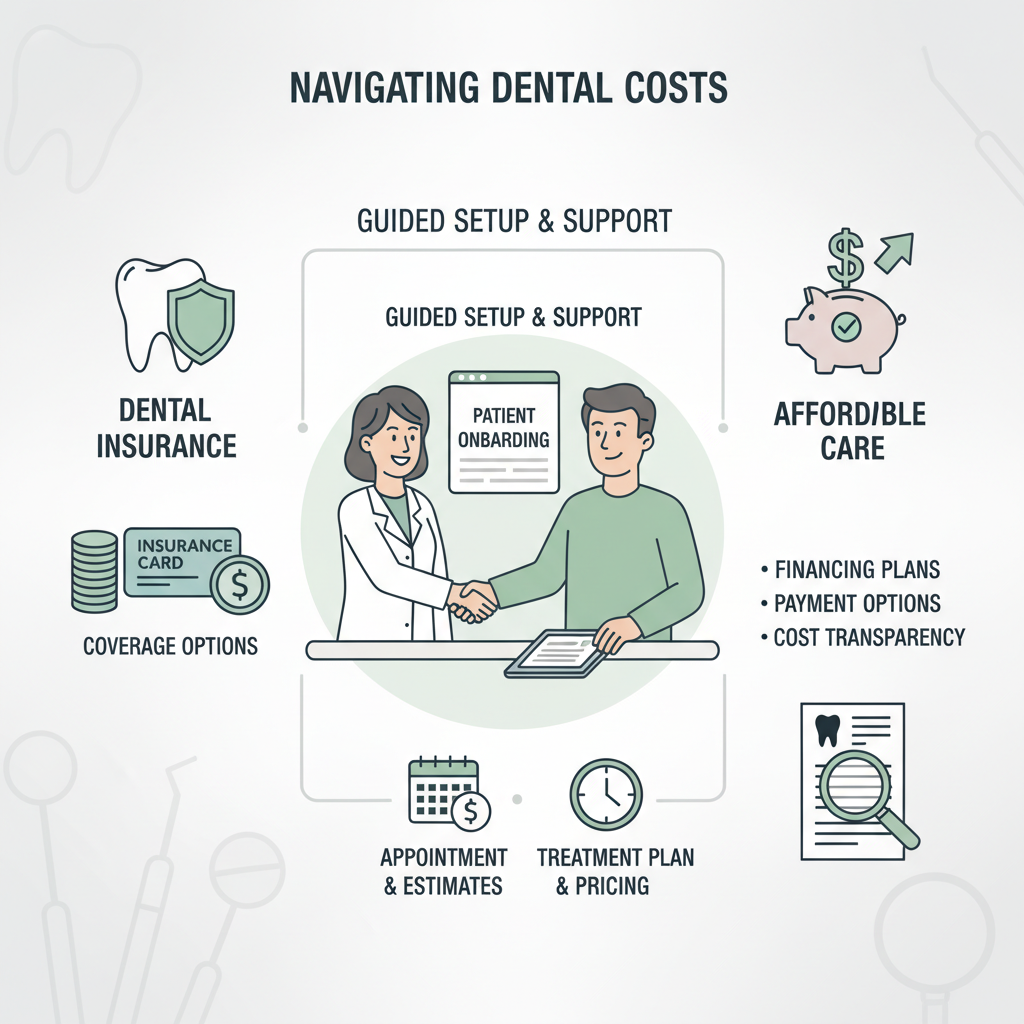
If you require financing, explore our orthodontic payment plans to spread out the investment. Insurance coverage may also offset part of your cost, particularly if you have orthodontic benefits under your dental plan.
Select your ideal option
Choosing among clear braces alternatives starts with a thorough evaluation of your bite and alignment goals. Mild crowding or spacing issues often respond very well to clear aligners, whereas severe bite corrections might call for more forceful braces.
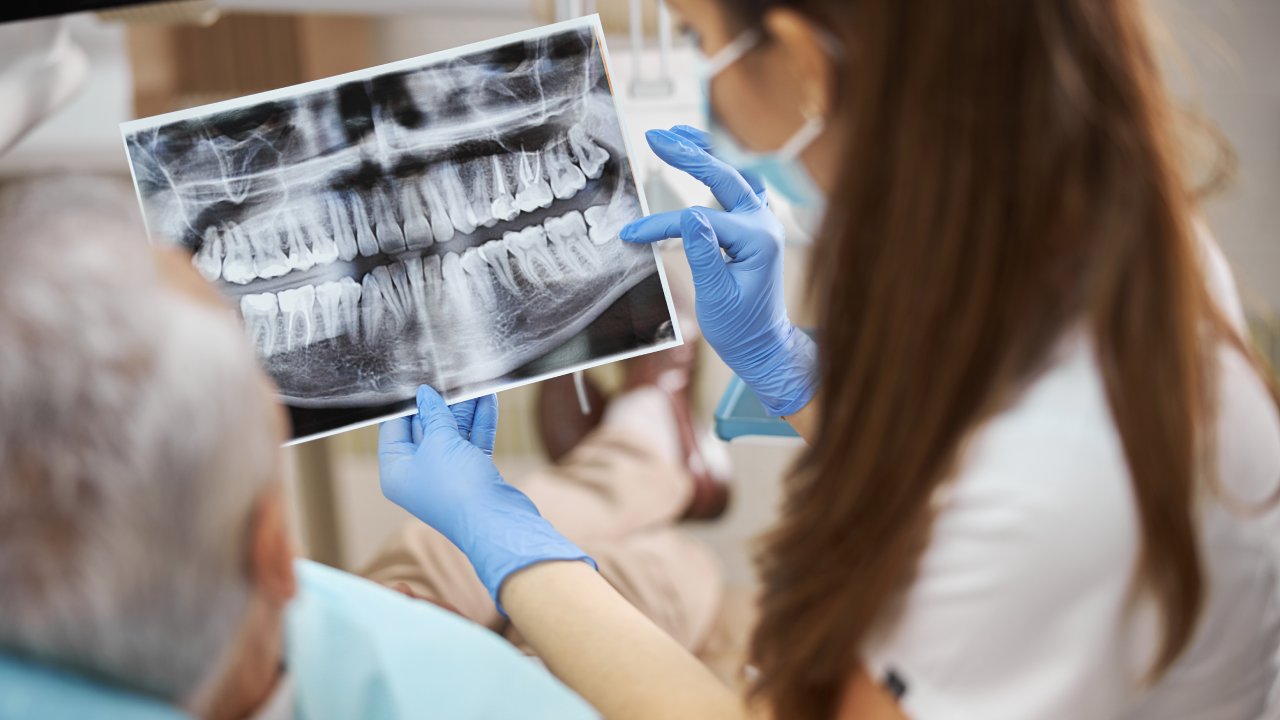
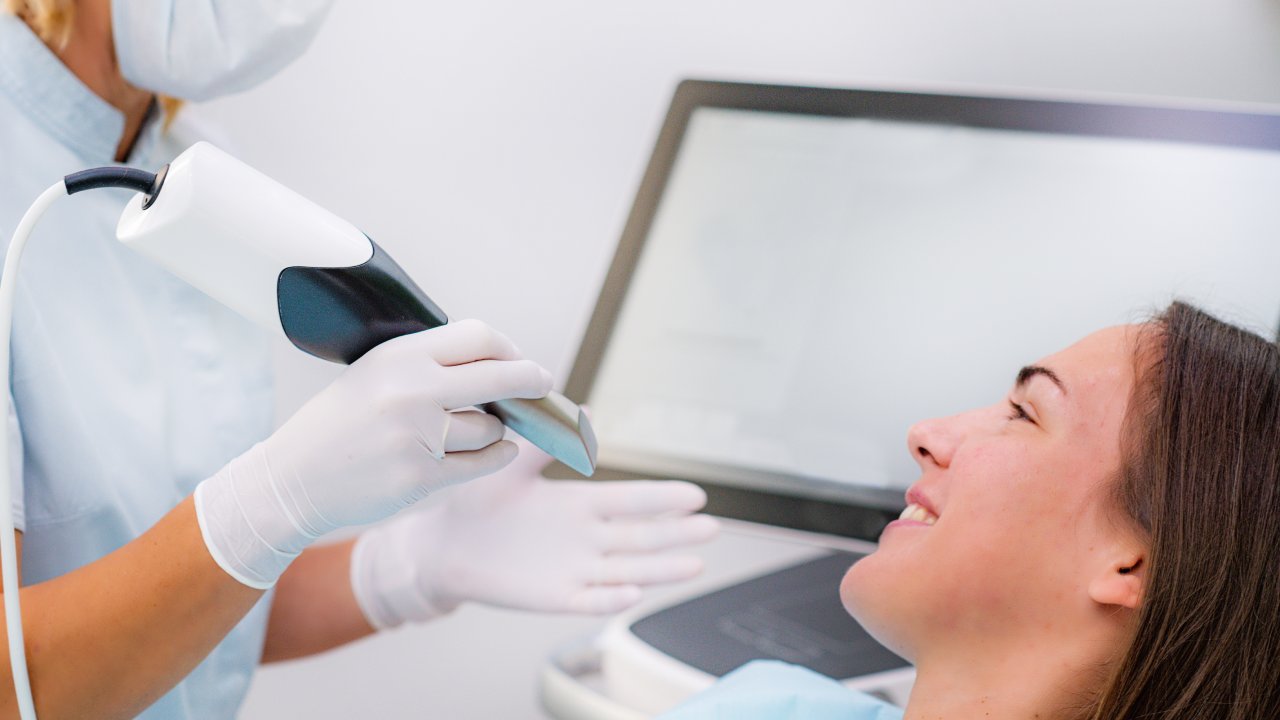
Schedule an orthodontic consultation charlotte to get a personalized assessment. During this visit, your provider will likely recommend a 3d orthodontic imaging service or other orthodontic imaging charlotte to map out your treatment plan in detail. That precision data feeds into advanced orthodontic treatment planning software and informs whether you’re a candidate for stealth aligner options or need a more traditional approach.
If discretion is your top priority, you may also search for a transparent aligners dentist who can install ceramic brackets or guide you through a lingual braces process. On the other hand, if you anticipate busy months ahead, a hybrid system like CandidPro or six month braces could give you professional monitoring with fewer visits than standard treatment.
Understand treatment process
Once you’ve selected an option, your treatment will follow a structured path. First comes your initial fitting or bond appointment. For aligners, you’ll receive your first set of custom trays along with instructions on cleaning and wear time. Bracket-and-wire systems require bonding each bracket to your tooth surface, followed by archwire placement.
Regular check-ins ensure progress stays on track. Clear aligner wearers typically attend orthodontic monitoring visits every six to eight weeks for fit checks and new tray pickups. Patients with braces return more frequently—often every four to six weeks—for wire adjustments and to tighten brackets.
After active treatment concludes, a retainer safeguards your new alignment. Whether you receive a removable clear retainer or a bonded wire, you’ll need periodic orthodontic follow up visits to verify stability. If you notice any shift, contact your provider for a retainer adjustment charlotte before minor movement becomes a relapse.
Optimize your treatment success
Your commitment plays as big a role as your chosen appliance. Aligners only work when worn—skipping meals without swapping trays can cost you weeks in added treatment time. Braces demand careful eating habits to avoid broken brackets or bent wires.
Maintain meticulous oral hygiene, brushing after every meal if you have fixed appliances. For clear aligners, clean your trays gently with approved solutions to prevent bacterial buildup.
Stay on top of appointments—missed visits can translate into prolonged care or additional costs. If financing is part of your plan, set up autopay through our orthodontic payment plans portal to avoid surprises.
Remember that long-term retention is the final step. Even after your smile looks perfect, wear your retainer as prescribed to keep it that way. Our orthodontic care charlotte team is here to support you from your first scan to your last retainer check.
By understanding the full spectrum of clear braces alternatives, from Invisalign to lingual braces to mail-order systems, you can choose a path that fits your goals for aesthetics, comfort, and convenience. Combined with expert imaging, thoughtful treatment planning, and dedicated follow-up care, you’re on track to achieve a confident, lasting smile.