
Maintaining your dental hygiene and preventive care is the cornerstone of a healthy smile and overall wellbeing. By taking proactive steps—daily brushing and flossing, regular professional cleanings, and timely exams—you reduce the risk of cavities, gum disease, and serious health conditions linked to poor oral health. According to the Centers for Disease Control and Prevention, good oral health can lower rates of certain cancers, help control diabetes, decrease opioid prescriptions, and even improve work productivity and school attendance (CDC Oral Health Prevention). In this article, you’ll learn why preventive care matters, how to adopt effective habits, when to see your dentist, and how to choose the right provider in Charlotte.
Recognize oral health connections
Your mouth is a gateway to your body. Neglecting oral hygiene can allow bacteria to enter your bloodstream, increasing the risk of heart disease, stroke, and complications with diabetes. Maintaining healthy teeth and gums is not just about avoiding bad breath and cavities—it’s about supporting your overall health.
Link between oral and systemic health
- Oral infections can trigger inflammation throughout the body, raising the risk of cardiovascular disease and stroke (Cleveland Clinic).
- People with chronic conditions such as arthritis or heart disease are more prone to missing teeth and poor gum health [1].
- Gum disease, also known as periodontitis, has been linked to complications in pregnancy, respiratory infections, and challenges controlling blood sugar.
Common dental conditions
- Cavities: Over 80 percent of adults have had at least one cavity by age 34 (CDC).
- Gingivitis and periodontitis: Early gum inflammation can progress to more serious disease without treatment.
- Tooth sensitivity: Acid erosion and receding gums expose dentin, causing pain when you eat or drink hot or cold foods.
- Oral cancer: Regular exams help detect abnormal tissue before it advances.
Explore preventive care basics
Professional preventive services form the foundation of long-term oral health. Regular cleanings, diagnostics, and targeted treatments catch problems early, saving you time, discomfort, and cost.
Professional cleanings and exams
During a routine visit, your dental team will:
- Inspect teeth, gums, tongue, and oral tissues for signs of disease.
- Remove plaque and tartar through scaling and polishing.
- Provide individualized advice on at-home care.
By scheduling a professional teeth cleaning Charlotte, you keep your smile bright and catch issues before they worsen. Many practices offer a routine checkup & cleaning package that combines exam, cleaning, and X-rays at a bundled rate.
Diagnostics and x-rays
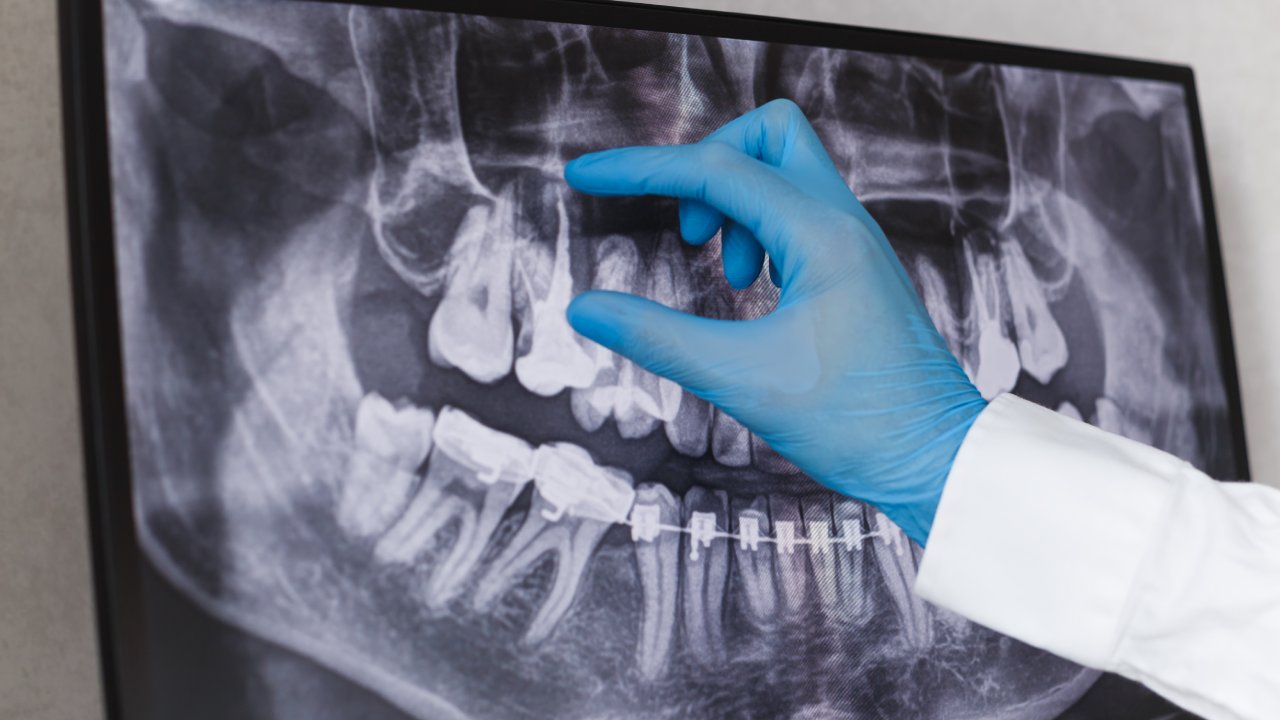
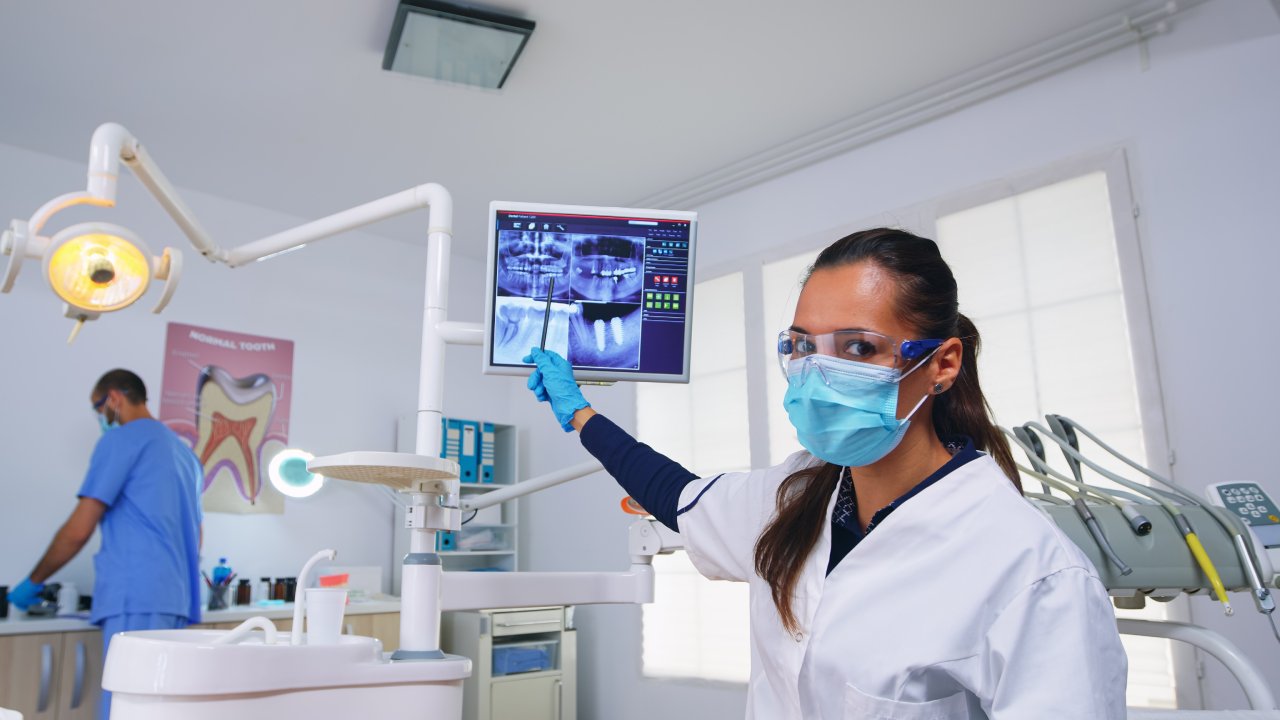
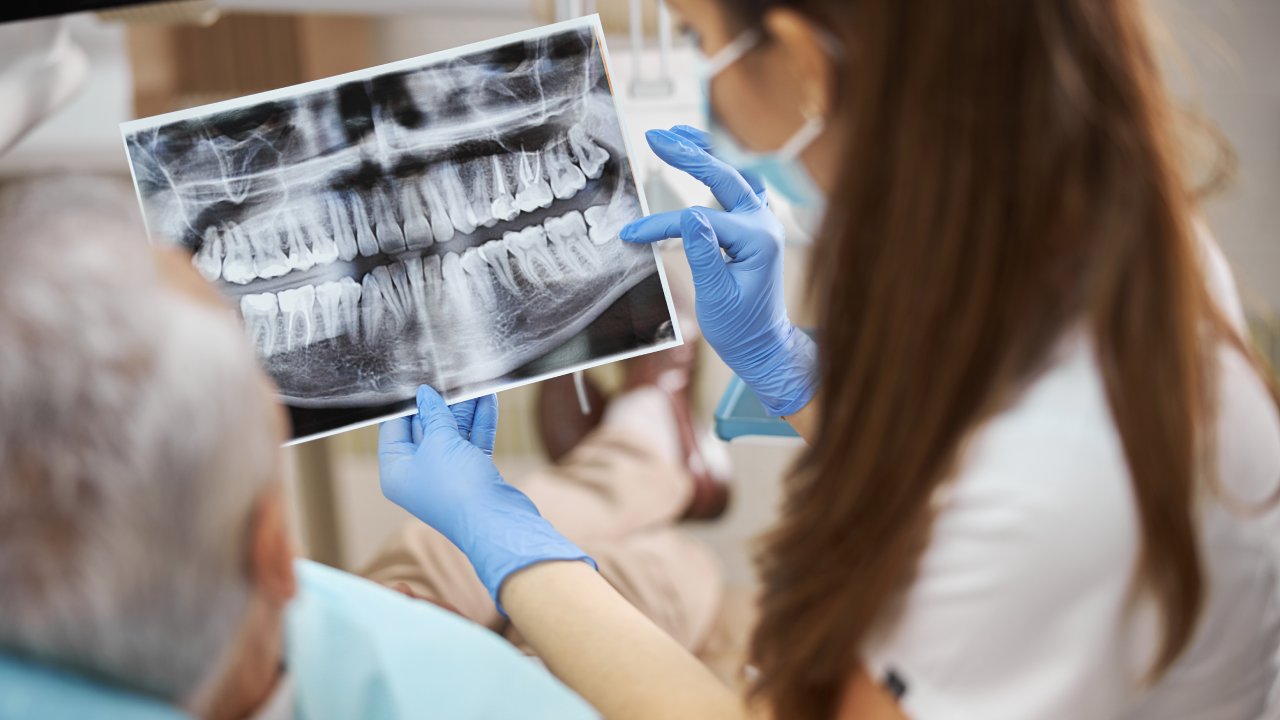
Digital imaging allows your dentist to identify hidden problems such as cavities between teeth, bone loss, and impacted teeth. Most patients need new X-rays every six to 36 months, depending on risk factors and ongoing issues.
- Learn more about digital x-rays dental exam and how they guide comprehensive care.
Importance of digital x-rays
- Higher resolution images with lower radiation than traditional film.
- Instant results that let you and your dentist discuss findings in real time.
- Enhanced early detection of decay, tumors, or structural issues.
Sealants and fluoride treatments
Preventive treatments such as dental sealants and fluoride play a key role in protecting vulnerable surfaces.
- Sealants form a protective barrier on molars’ chewing surfaces, reducing decay risk by up to 80 percent in children and teens [2]. Learn about dental sealants Charlotte.
- Fluoride varnishes and gels strengthen enamel, making it more resistant to acid attacks.
Adopt daily oral hygiene
Daily habits are your first line of defense against tooth decay and gum disease. Consistency and proper technique are critical.
Proper brushing technique
- Choose a soft-bristle toothbrush and fluoride toothpaste.
- Hold the brush at a 45-degree angle to your gum line.
- Use gentle circular motions, covering all tooth surfaces.
- Brush for at least two minutes, twice a day—morning and before bed.
Effective flossing methods
- Use a 18- to 24-inch strand of floss, winding most of it around your middle fingers.
- Gently guide floss between teeth, curving around each tooth in a C-shape and moving up and down.
- Clean below the gum line without snapping the floss, which can injure tissue.
Mouthwash and other aids
- Antimicrobial rinses reduce plaque and gingivitis.
- Fluoride rinses add extra enamel protection if you’re cavity-prone.
- Interdental brushes and water flossers can help clean tight spaces and implant areas.
Schedule routine dental visits
Consistent dental appointments ensure early detection and timely treatment. Individual risk factors influence how often you should come in.
Recommended checkup frequency
- General rule: every six months for most patients [3].
- High-risk groups—smokers, diabetics, pregnant women, and individuals with gum disease—may need visits every three to four months.
- Children should start dental exams by their first birthday and continue every six months [4].
Checkup intervals by group
| Group | Typical interval | Notes |
|---|---|---|
| Children | 6–12 months | Begin at first tooth or first birthday |
| Adults with good health | 6 months | Adjust based on oral health changes |
| High-risk adults | 3–4 months | Smokers, diabetics, gum disease |
| Older adults | 6–12 months | Consider mobility, medication side effects |
Learn more about routine dental exam Charlotte and oral health checkup NC.
What to expect during an exam
- Review of medical history and any new symptoms.
- Examination of teeth, gums, and soft tissues.
- Professional cleaning: scaling, polishing, and fluoride application.
- Gum disease screening and bite assessment [5].
- Treatment recommendations or referrals if needed.
Address special considerations
Your preventive plan should reflect personal risk factors, lifestyle, and health history. Customization maximizes effectiveness.
Customize visit intervals
Research shows disease progression varies widely among individuals. A 1999 simulation study found optimal preventive intervals ranging from 13 to 120 months based on disease rates and diagnostic accuracy [6]. Your dentist’s clinical judgment helps set a schedule tailored to you.
Recognize warning signs
Be alert for symptoms that call for extra attention:
- Bleeding or swollen gums
- Persistent tooth pain or sensitivity
- Loose teeth or shifting bite
- Chronic bad breath or taste
- White or red patches on oral tissues
If you experience any of these, contact your dentist promptly.
High-risk groups
| Risk factor | Impact on care frequency |
|---|---|
| Diabetes | Higher gum disease risk, 3–4 mo. |
| Smoking | Impaired healing, 3–4 mo. |
| Pregnancy | Increased gum sensitivity, 6 mo. |
| Medications reducing saliva | Dry mouth, 3–4 mo. |
Address family dental care
A preventive mindset benefits every member of your household. Early habits set the stage for lifelong oral health.
Pediatric preventive dentistry
- First exam by first birthday, then every six months [7].
- Fluoride varnish applications and sealants for children at risk.
- Guidance on diet, teething, and pacifier use.
- Learn about children’s routine dental care.
Adult maintenance and senior care
- Continue twice-daily brushing, flossing, and six-month professional visits.
- Address dry mouth with saliva substitutes if you take medications.
- Consider gum recession and receding jaw bone in seniors—regular exams catch issues early.
- Explore dental maintenance Charlotte and preventive family dentistry.
Choose your Charlotte dentist
Finding the right practice ensures preventive care is convenient, comfortable, and comprehensive.
Insurance and new patient exams
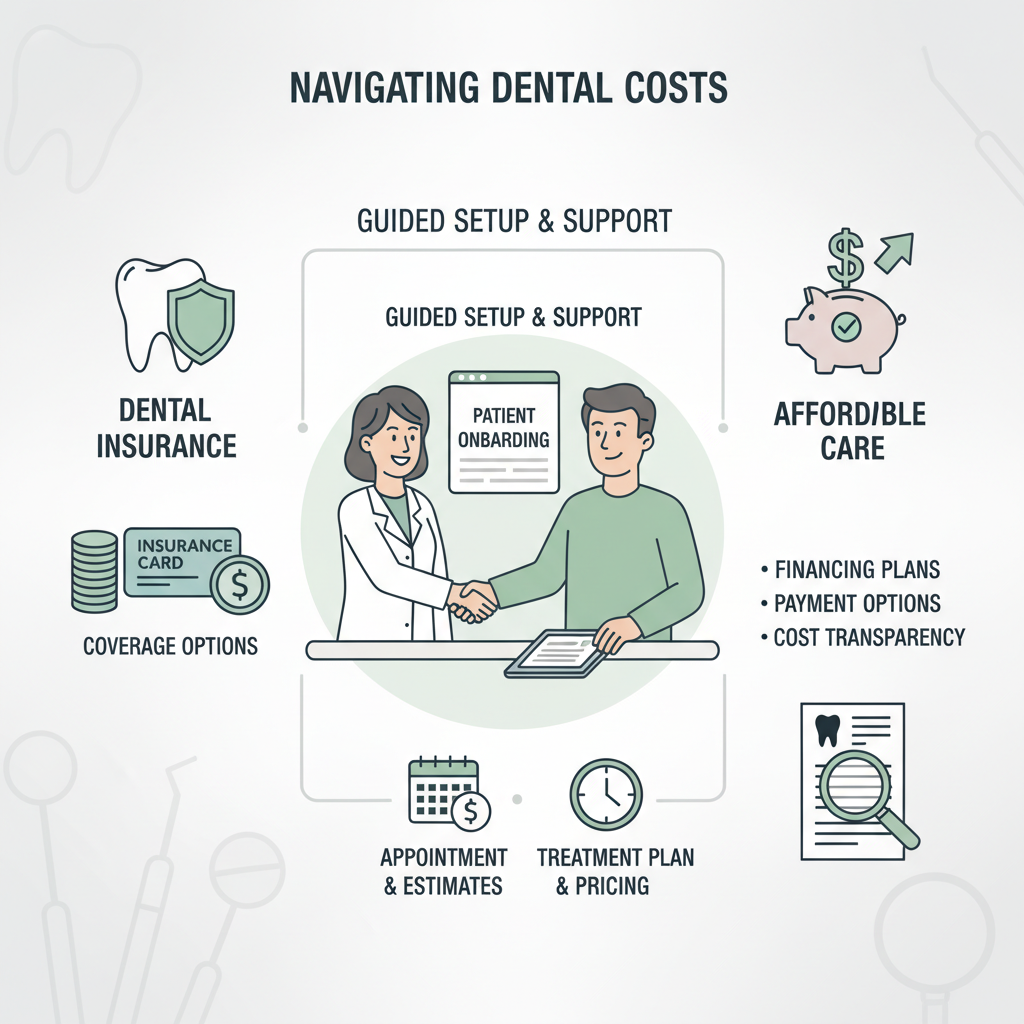
- Verify that your provider is a Charlotte general dentist accepting insurance.
- Book a new patient dental exam Charlotte to establish your baseline and receive a tailored preventive plan.
Preventive service options
Look for practices offering a range of preventive services under one roof:
- Regular cleanings and exams bundled as a dental exam + cleaning bundle
- Specialized preventive dental services Charlotte such as fluoride treatments and sealant placement
- Comprehensive preventive oral care services for your entire family
Comprehensive care and convenience
- General dentistry offerings—from restorative work to cosmetic treatments—ensure continuity of care. Discover general dentistry services Charlotte.
- Flexible scheduling, sedation options, and patient education resources make preventive visits stress-free.
Conclusion
By investing time in your daily hygiene routines and maintaining regular dental visits, you protect your smile and support your overall health. Tailored preventive care addresses your unique needs, whether you’re a child, adult, or senior. Take the next step today—schedule your exam or cleaning, explore preventive packages, and partner with a trusted family dentist Charlotte NC. Your future self will thank you for a brighter, healthier smile.