
Why Choose Belvedere Dentistry
When it comes to your dental care, selecting the right provider is essential. Belvedere Dentistry offers a range of services and expertise that can meet all your dental needs efficiently, including your requirements for dental retainers.
Comprehensive Dental Services
Belvedere Dentistry is known for its comprehensive range of dental services. From routine check-ups to complex orthodontic treatments, they provide personalized care tailored to each patient’s needs. The facility is equipped with modern technology and a team of professionals dedicated to enhancing your oral health. By choosing Belvedere Dentistry, you can expect services that include preventative care, restorative treatments, and cosmetic procedures.
| Services Offered | Description |
|---|---|
| General Dentistry | Routine exams, cleanings, and fillings |
| Cosmetic Dentistry | Whitening, veneers, and smile makeovers |
| Orthodontics | Traditional braces, Invisalign, and retainers |
| Emergency Care | Immediate treatment for dental emergencies |
For individuals interested in orthodontic options, Belvedere Dentistry has you covered with treatments that fit various lifestyles and budgets.
Expertise in Orthodontic Treatments
Belvedere Dentistry specializes in orthodontic treatments, making them a solid choice whenever you need dental retainers. With qualified professionals skilled in the latest orthodontic techniques, they ensure that you receive high-quality care. Whether you opt for traditional braces or clear solutions like Invisalign, the team will guide you through the entire process.
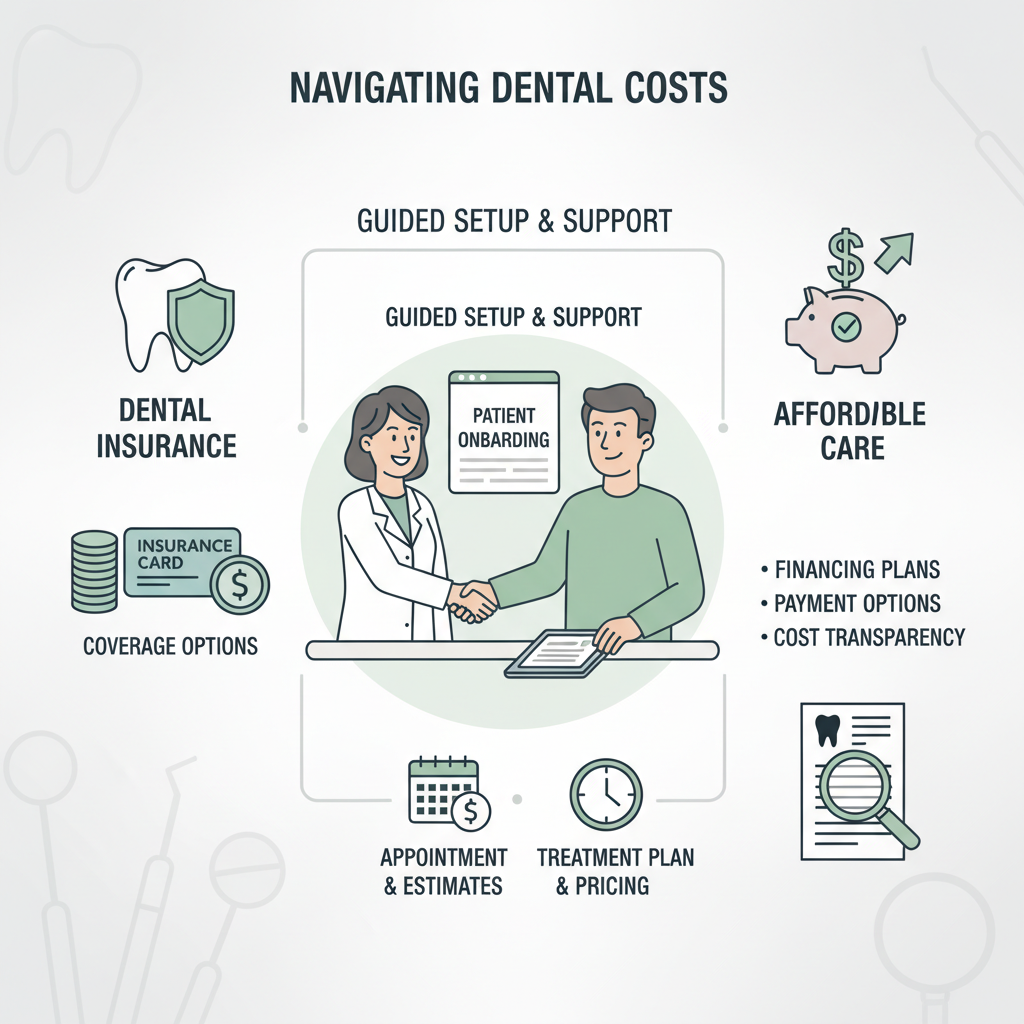
Understanding dental insurance coverage for orthodontics is easier with their knowledgeable staff, who can help clarify your insurance plan details. Many plans cover the initial retainer after treatment, but may have limitations for replacements unless deemed medically necessary. Belvedere Dentistry can help you navigate your options based on your specific insurance coverage and needs.
The types of retainers offered include:
| Type of Retainer | Description |
|---|---|
| Hawley Retainers | Traditional wire retainers that maintain tooth position |
| Clear Retainers | Removable plastic trays for a discreet option |
| Fixed Retainers | Wire cemented to the back of teeth for permanence |
When you choose Belvedere Dentistry, you not only gain exceptional orthodontic expertise but also the confidence of receiving care that aligns with your insurance coverage. This combination makes them an ideal choice for anyone seeking a dental retainers in-network provider.
Dental Retainers Benefits
When considering dental retainers, it’s essential to understand the benefits they provide and how insurance coverage applies. Using a reliable dental retainers in-network provider like Belvedere Dentistry ensures you maximize your savings and maintain your oral health.
Insurance Coverage for Retainers
Dental insurance can help offset the cost of retainers, often covering up to 50% of total orthodontic expenses, which typically includes retention devices. However, coverage is influenced by the specific insurance plan and circumstances such as medical necessity. For certain cases, pre-authorization might be necessary, allowing the insurer to confirm that retainers are essential for maintaining teeth alignment after treatment (Madison Dental Art).
| Insurance Plan Type | Coverage for Retainers |
|---|---|
| PPO Plans | Up to 50% |
| HMO Plans | Varies by plan |
| Medicaid | Varies by state |
| Individual Plans | Check policy specifics |
Types of Retainers
Dental retainers come in various types, each designed to suit different needs and preferences. Understanding these types can help you make an informed choice when discussing options with your provider.
-
Fixed Retainers: These are bonded behind the teeth and remain in place permanently unless removed by a dentist. They are typically covered by insurance if deemed medically necessary.
-
Removable Retainers: These can be taken out and cleaned easily. Many people prefer this type due to the convenience it offers.
| Retainer Type | Description | Coverage Considerations |
|---|---|---|
| Fixed | Permanently bonded, ideal for long-term use | May be covered if medically necessary |
| Removable | Easily taken out for hygiene, can be custom-made | Coverage varies by plan |
Choosing the right type of retainer depends on your lifestyle and orthodontic needs. Discuss options with your dental care provider at Belvedere Dentistry to find the best solution for you. For more information about how to use your insurance effectively, refer to our resources on orthodontics with delta dental insurance and invisalign provider that takes cigna.
Importance of Retainers
Retainers play a crucial role in ensuring that the results of your orthodontic treatment last. After investing time and money into braces or aligners, you’ll want to maintain that straight smile. Here’s why retainers are essential.
Retainers After Orthodontic Treatment
Once your orthodontic treatment is complete, your teeth require support to prevent them from shifting back to their original positions. Wearing a retainer is vital in this phase. Initially, your dental provider will likely recommend that you wear the retainer full-time (day and night) for a period of four to six months. After this period, you can often transition to wearing it only at night for maintenance (Cleveland Clinic).
Many insurance plans cover the initial retainer after orthodontic treatment but may limit coverage for replacement retainers unless they are deemed medically necessary. It’s wise to check your specific plan as reimbursement limits for retainers can vary (Madison Dental Art).
| Retainer Usage Duration | Description |
|---|---|
| Initial Phase | Wear full-time (day and night) for 4-6 months |
| Maintenance Phase | Wear part-time (only at night) for life |
Lifetime Maintenance with Retainers
Retainers are not just a temporary solution but a lifelong commitment to maintaining your smile. Over time, teeth naturally shift due to factors like age, genetics, and jaw alignment changes. Wearing your retainer as directed is essential to counteract these natural movements and ensure that your smile remains aligned.
If a removable retainer no longer fits, or feels too snug, it likely indicates that your teeth have moved. In such cases, adjustments or replacement retainers may be necessary (Cleveland Clinic). Understanding your insurance coverage, such as whether your plan includes retainers covered by Cigna Dental or similar providers can help you prepare for any financial implications of potentially needing replacements over time (Madison Dental Art).
Retainers are vital for a lasting treatment outcome. Emphasizing their importance assures that you make the most of your orthodontic journey while securing your investment in your dental health.
Retainer Care Tips
Taking proper care of your dental retainers is essential to ensure their effectiveness and longevity. Following a few simple maintenance steps can help you preserve the flawless alignment achieved through orthodontic treatment.
Proper Cleaning and Maintenance
It’s important to clean your retainers regularly to prevent buildup of plaque and bacteria. Here are some recommended steps for cleaning:
- Daily Rinse: Rinse your retainer with lukewarm water right after removing it.
- Brush Gently: Use a soft toothbrush and non-abrasive toothpaste to gently brush your retainer in the morning and evening.
- Soak Weekly: Soak your retainer in a mixture of water and white vinegar or a specialized retainer cleaner for about 20-30 minutes each week.
- Avoid Heat: Never place your retainer in boiling water or expose it to heat, as this can warp the material.
Implementing these cleaning habits can extend the life of your retainer and keep your oral hygiene in check. Proper care is crucial for everyone after receiving orthodontic treatment, as it helps maintain the alignment of your teeth throughout your life (AAO).
Signs of Needing a Replacement
Recognizing when it’s time to replace your retainer is vital for maintaining your oral health. Here are some signs to look for:
| Sign | Description |
|---|---|
| Poor Fit | If your retainer no longer fits properly or feels too snug, it may be indicative that your teeth have shifted. (Cleveland Clinic) |
| Cracks or Breaks | Any visible damage or fractures can hinder the retainer’s effectiveness. |
| Discoloration | If your retainer shows signs of discoloration despite regular cleaning, it may be time for a new one. |
| Odor | A persistent bad smell can signify that bacteria have built up beyond cleaning. |
If you notice any of these signs, consult your dental provider to determine if a new retainer is needed. Maintaining retainer effectiveness is crucial, as your provider often recommends wearing the retainer full-time initially and then part-time for life to prevent teeth from realigning (Cleveland Clinic).
Following these care tips will help ensure that your retainers serve their purpose effectively, preserving the smile you’ve worked hard to achieve. For more information regarding orthodontic maintainance, explore our articles on retainers covered by Cigna dental and invisalign provider that takes Cigna.
Finding In-Network Providers
Choosing a dental provider can greatly impact your overall cost and access to services. Understanding dental insurance networks and the benefits of selecting in-network dentists is crucial for anyone looking to manage expenses effectively.
Understanding Dental Insurance Networks
Dental insurance networks consist of providers who have entered into agreements with insurance companies to provide services at negotiated rates. Being an in-network provider means the dental practice and the insurance company have a contractual relationship that defines the fees, reimbursement rates, and claims processes. When you visit an in-network dental provider, you will typically receive discounted rates and lower out-of-pocket costs for dental procedures.
Most dental insurance plans cover preventative care, restorative treatments, orthodontic services, and tooth replacements when you choose an in-network dentist. It is crucial to verify whether your dentist is in-network before receiving treatment to maximize your benefits.
| Insurance Plan | In-Network Benefits | Out-of-Network Benefits |
|---|---|---|
| PPO | Lower deductibles and co-pays | Higher costs, may not cover services |
| HMO | Fixed fees for services | Often not covered |
| Indemnity | Typically higher coverage | Less predictable costs |
Benefits of Choosing In-Network Dentists
Choosing an in-network provider offers you a number of advantages, such as:
-
Reduced Costs: As previously mentioned, in-network dentists typically provide services at lower rates compared to out-of-network providers. This results in lower co-pays and deductibles.
-
Simplicity in Billing: In-network providers usually handle the billing directly with the insurance company, allowing for a straightforward process and fewer surprises related to costs.
-
Comprehensive Coverage: In-network dentists often have a wide range of services fully covered or offered at considerable discounts. This means you can access preventive and orthodontic treatments, including retainers covered by Cigna dental, enhancing your overall dental health.
-
Easier Access to Specialists: If you require specialized care, in-network providers typically have established relationships with specialists, making referrals and coordination of care seamless.
-
Avoiding Balance Billing: When visiting an out-of-network provider, you might face balance billing, where the provider charges the difference between what insurance pays and their full rate. Choosing in-network eliminates this risk.
For the most efficient utilization of your dental benefits and to save money on services like retainers and other orthodontic treatments, always opt for in-network dentists whenever possible. This approach ensures that your treatment is not only effective but also cost-efficient.
Considerations for Dental Practices
Pros and Cons of In-Network Participation
Choosing to become an in-network provider brings several advantages and disadvantages for dental practices. Understanding these factors can help you determine if this route is right for your practice.
| Pros | Cons |
|---|---|
| Access to a larger patient base due to insurance marketing | Potentially lower reimbursement rates from insurance companies |
| Simplified claims filing process and predictable reimbursements | Constraints on how much can be charged for services |
| Improved cash flow management with reliable payments from insurers | May require adjustments to treatment methods or materials based on insurance protocols |
Being an in-network practice means entering into a contractual agreement with insurance companies. This relationship typically defines patient interactions, claims reimbursement, and fee rates, allowing patients with insurance to benefit from discounts on services (Dental Claim Support). In contrast, being out-of-network may allow practices to charge full fees, but it could also deter patients who prefer not to pay out-of-pocket costs (Dental Claim Support).
Financial Implications of Joining PPOs
Joining a Preferred Provider Organization (PPO) can have significant financial implications for your dental practice. It is critical to negotiate the terms of PPO contracts before signing to ensure beneficial provisions, such as improved options for appealing payer decisions and potential rate increases (Mahan Dental Law).
Some benefits of participating in a PPO include:
- Predictable reimbursement rates: This can help in cash flow management as it allows for better budgeting regarding expected income.
- Attracting Insurance Patients: Many patients seek providers that are in-network, which can increase overall patient volume.
However, you must carefully review the PPO contract terms, as they may not always be financially beneficial for your practice. Some contracts may significantly reduce profit margins, affecting the sustainability of your services. Balancing the benefits and potential drawbacks is essential before deciding to join a PPO network.