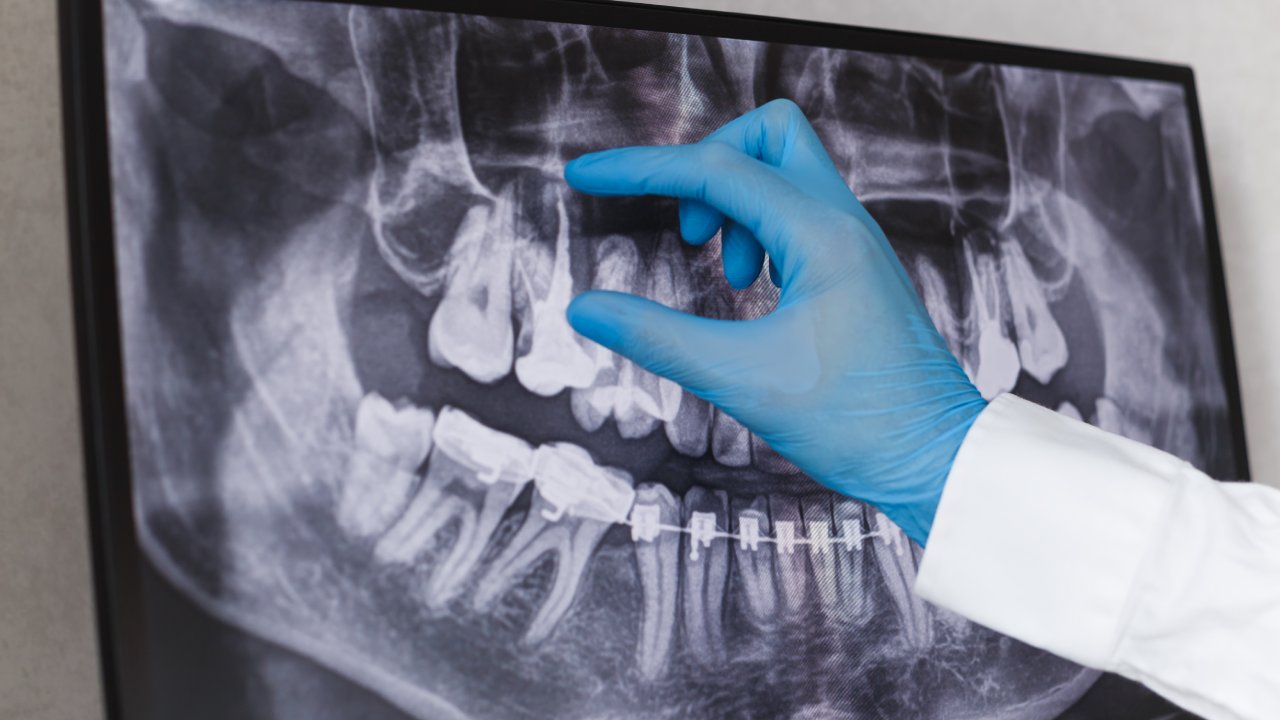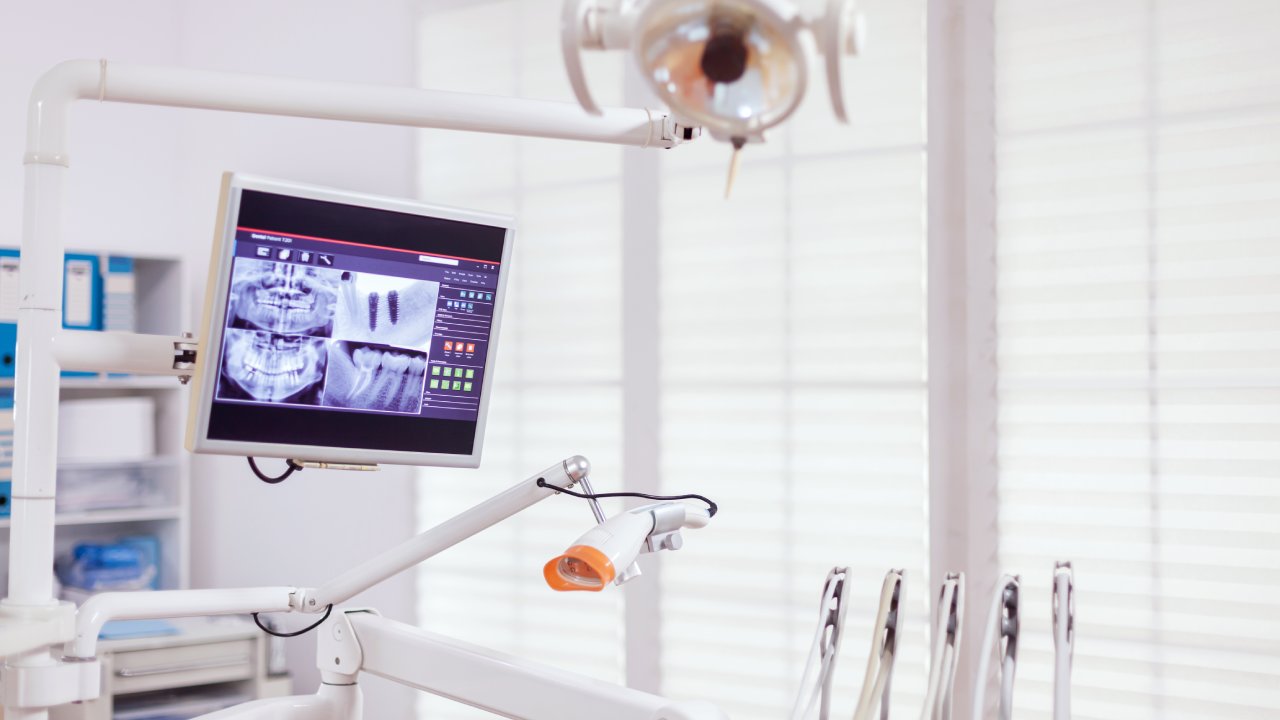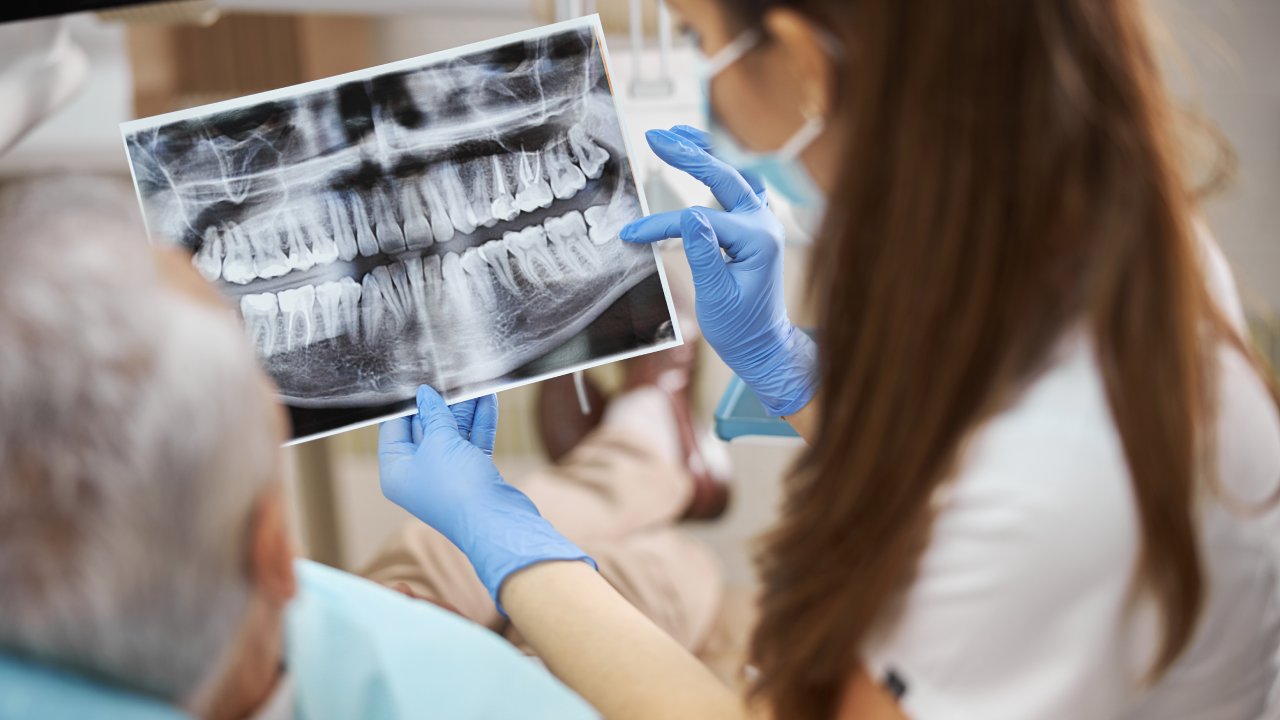

When you and your family visit your dentist for routine preventive care, including a digital x-rays dental exam offers several advantages. By integrating digital radiography into your checkups, you get clearer images faster with minimal exposure, making this advanced imaging approach a smart choice for every member of your household. In the following sections, you’ll learn how digital imaging works, why it’s safe, and how it enhances your overall oral health management.
Benefits of digital x-rays
Digital x-ray exams provide numerous advantages for families, helping you maintain optimal oral health and enabling timely intervention when problems arise. Key benefits include:
- Lower radiation exposure: Compared to traditional film X-rays, digital dental radiographs use 80% to 90% less radiation [1].
- Enhanced image clarity: You benefit from high-resolution images that can be magnified and adjusted for improved diagnostics [2].
- Immediate results: Digital sensors transmit images directly to a monitor, allowing you to see and discuss findings during the same visit [3].
- Easier record keeping: Electronic files streamline storage and retrieval for both you and your dentist.
- Environmentally friendly: By eliminating film processing chemicals, digital exams reduce environmental impact.
- Improved patient education: Clear visuals help you understand your oral health and treatment options.
Incorporating a digital exam into your next [professional teeth cleaning charlotte] appointment ensures you’re getting cutting-edge diagnostics alongside preventive care.
How digital x-rays work
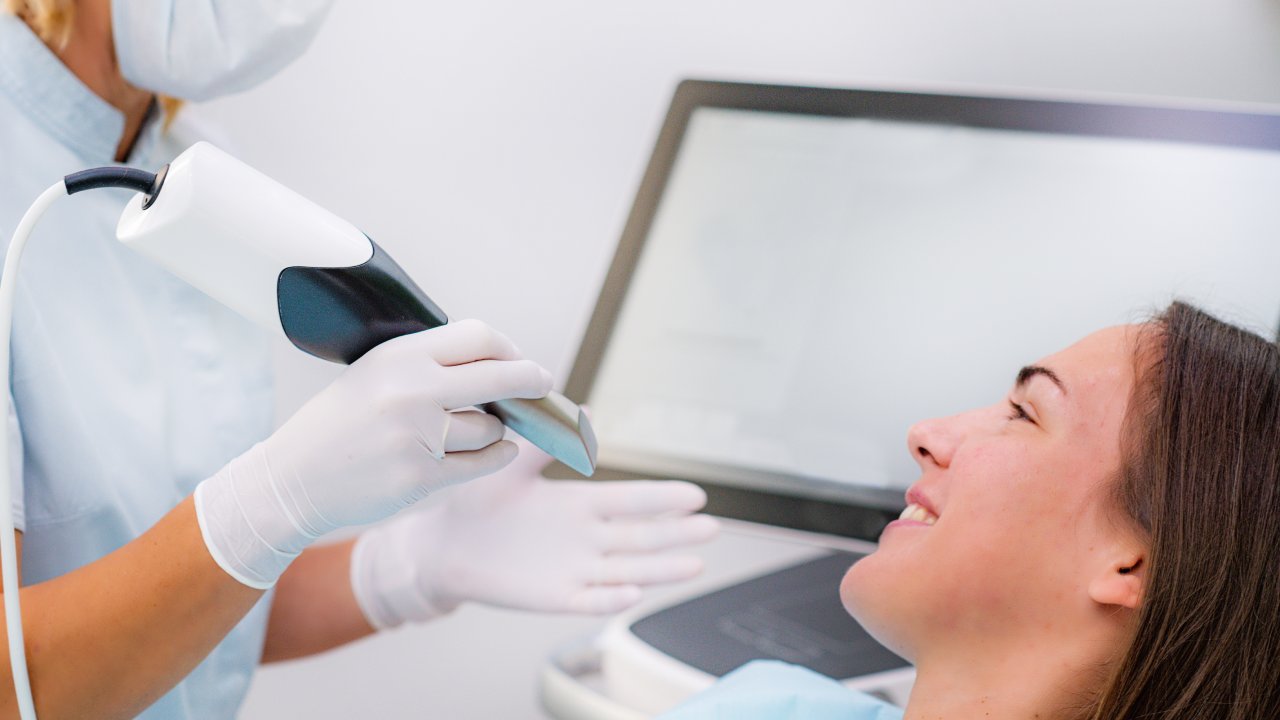
Digital dental imaging relies on electronic sensors to capture detailed views of your teeth and jaw structures. The process typically involves:
- Sensor placement: A small sensor or phosphor plate is positioned inside your mouth.
- Exposure: A low-dose X-ray beam passes through, creating an image on the sensor.
- Image processing: Data is sent to a computer where software enhances contrast, brightness, and color if needed [2].
- Display: You and your dentist can view the image on a chairside monitor within seconds.
Some practices use devices like the MD300 USB X-ray Reader to digitize conventional films, confirming that digitally scanned radiographs match the diagnostic quality of originals [2]. This technology ensures accurate detection of cavities, bone loss, and other oral conditions.
Safety of digital radiography
When it comes to imaging, safety is a common concern. Digital X-ray exams significantly reduce radiation exposure, making them safer for adults and children alike. Key safety points:
- Reduced dose: Digital sensors require far less radiation than film-based systems [1].
- Background comparison: Radiation from dental X-rays is about 1.6% of the daily natural background radiation you receive from the environment [4].
- Pregnancy guidelines: It is generally safe during pregnancy and breastfeeding but dentists often avoid routine imaging unless it’s essential for diagnosis [1].
- Professional recommendations: The American Dental Association advises performing imaging exams only when clinical benefits outweigh minimal radiation risks [5].
By choosing a practice that follows these guidelines, you can feel confident about your family’s safety.
Comparing digital and film
A side-by-side comparison highlights why you might opt for a digital x-ray exam over traditional film radiography:
| Feature | Digital x-rays | Film X-rays |
|---|---|---|
| Radiation exposure | 80%–90% less radiation ([Cleveland Clinic]) | Higher dose required for clarity |
| Image availability | Instant on-screen display | Requires film development process |
| Image enhancement | Contrast & brightness adjustment ([NCBI]) | Fixed image, limited editing |
| Record storage | Electronic archiving, easy retrieval | Physical storage, risk of damage |
| Environmental impact | No chemicals used | Involves silver-based developing chemicals |
| Patient experience | Faster, often more comfortable | Slightly longer appointment times |
Digital imaging streamlines diagnostics so you can quickly address issues found during your [new patient dental exam charlotte] visit.
Recommended exam frequency
Regular X-ray exams are vital for maintaining your family’s oral health. While exact frequency depends on individual risk factors, general guidelines from the Cleveland Clinic include:
- Healthy adults with no ongoing issues: every 12–24 months.
- Patients prone to cavities or gum disease: every 6–18 months [1].
- Children and teens: more frequent imaging to monitor growth and development.
- Patients with oral health concerns or symptoms: as recommended by your dentist.
Discuss your personal schedule during an [oral health checkup nc] appointment to tailor X-ray intervals to your family’s needs.
Preparing for your visit
To ensure a smooth digital X-ray exam, consider these preparation tips:
- Bring your dental insurance information or review coverage for imaging procedures.
- Share your complete medical history, including pregnancies and thyroid conditions.
- Remove jewelry or removable oral appliances that may interfere with imaging.
- Arrive a few minutes early to complete any necessary forms.
- Discuss concerns or past imaging experiences with your dentist or hygienist.
By preparing ahead, you help your care team perform the exam efficiently.
What to expect
The process of a digital radiography session is straightforward and quick:
- Protective measures: You’ll be draped with a lead vest to shield your body.
- Sensor placement: A small, flat sensor is positioned in your mouth. It may feel slightly awkward but shouldn’t cause pain.
- Image capture: The X-ray is activated for a fraction of a second. Children and adults alike tolerate it well.
- Immediate review: The image appears on-screen almost instantly. Minor adjustments ensure optimal diagnostics.
- Repeat as needed: Multiple views may be taken—like bite-wing or periapical—to get comprehensive imaging.
This efficient workflow helps reduce appointment times so you can get back to your day.
Reviewing your images
After capturing digital images, your dentist will guide you through the findings:
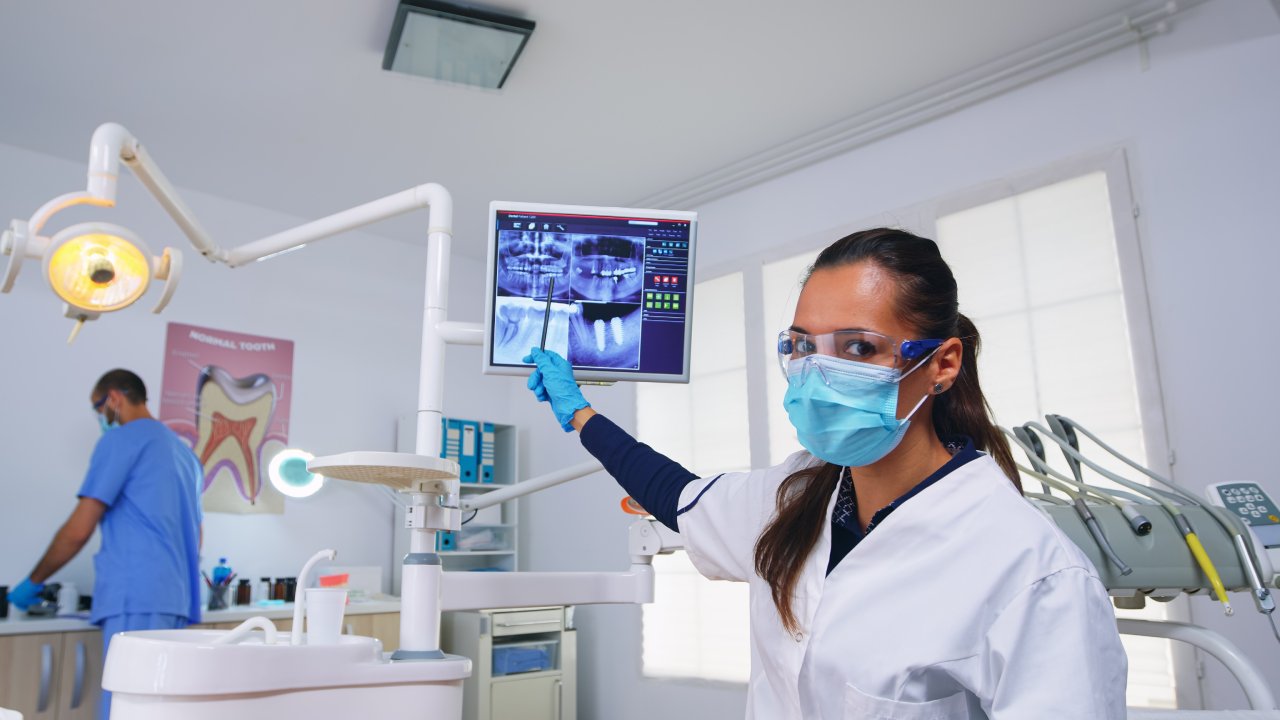
- On-screen display: You’ll see enlarged views highlighting areas of concern.
- Patient education: Visuals help explain cavities, bone levels, or impacted teeth.
- Treatment planning: Early detection may lead to preventive steps like [dental sealants charlotte] or referrals for a [gum disease screening dentist].
- Longitudinal tracking: Digital files allow comparison over time, so you can monitor improvements or changes.
This collaborative review ensures you understand your oral health and any recommended treatments.
Selecting a local dentist
Choosing a Charlotte practice equipped with digital radiography is key to receiving top-quality preventive care. When evaluating providers:
- Verify technology: Confirm they use state-of-the-art digital sensors and imaging software.
- Check service scope: Look for comprehensive [preventive oral care services] and [dental hygiene and preventive care].
- Review specialties: Ask about pediatric capabilities for [children’s routine dental care] or [pediatric preventive dentistry].
- Insurance acceptance: Find practices such as a [charlotte general dentist accepting insurance] to fit your budget.
- Bundled options: Explore packages like a [dental exam + cleaning bundle] or [routine checkup & cleaning package] for convenience.
- Location and hours: Choose a family-friendly office near you with flexible scheduling.
A [family dentist charlotte nc] who integrates digital diagnostics into general and preventive care can help you maintain a healthy smile.
Conclusion
A digital x-rays dental exam provides clear advantages: enhanced diagnostics, reduced radiation, immediate results, and better patient understanding. By incorporating this technology into routine checkups—whether a standard [routine dental exam charlotte] or a comprehensive [general dentistry services charlotte] appointment—you’re ensuring proactive, family-focused care. Schedule your next exam with a trusted local practice and experience the benefits of digital imaging for your loved ones.
Ready to take the next step toward smarter dental diagnostics? Contact our office today to arrange your digital exam and explore all our preventive services. Your family’s healthy smiles start here.