
Advantages of Belvedere Dentistry
Choosing Belvedere Dentistry for your oral care needs comes with numerous benefits. Their commitment to providing high-quality dental services and their advanced treatment techniques assures patients of optimal outcomes.
Comprehensive Dental Services
Belvedere Dentistry offers a full range of dental services to meet your needs. From routine cleanings to complex procedures, you can find everything you need under one roof. The expectation of comprehensive dental care is met here, allowing you to receive treatment for any dental issue without the need to consult multiple providers.
Their services include preventive care, restorative treatments, and cosmetic procedures. This means that whether you require a simple filling or a more advanced solution like porcelain crowns for cracked teeth, you’ll receive professional guidance and care throughout the process.
Moreover, understanding the nuances of insurance coverage plays a critical role in your decision-making. Many patients seek clarity regarding insurance coverage for cracked tooth cosmetic repair and can depend on Belvedere’s knowledgeable staff to assist with these inquiries.
| Service Type | Description |
|---|---|
| Preventive Care | Check-ups, cleanings, and assessments |
| Restorative Services | Fillings, crowns, and bridges |
| Cosmetic Procedures | Veneers, teeth whitening, and bonding |
Advanced Treatment Techniques
Belvedere Dentistry employs state-of-the-art technology and innovative techniques to provide efficient and effective care. This focus on advanced treatment options aligns with the latest advancements in the dental field, ensuring you receive optimal results.
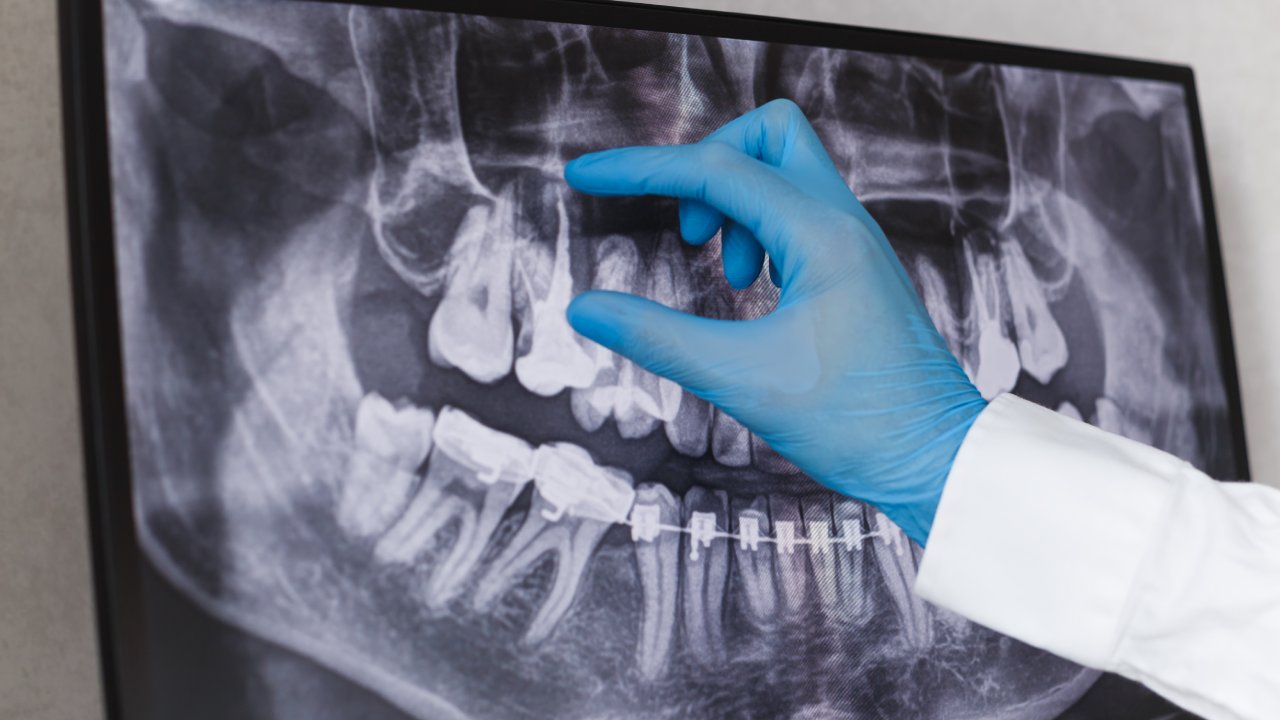
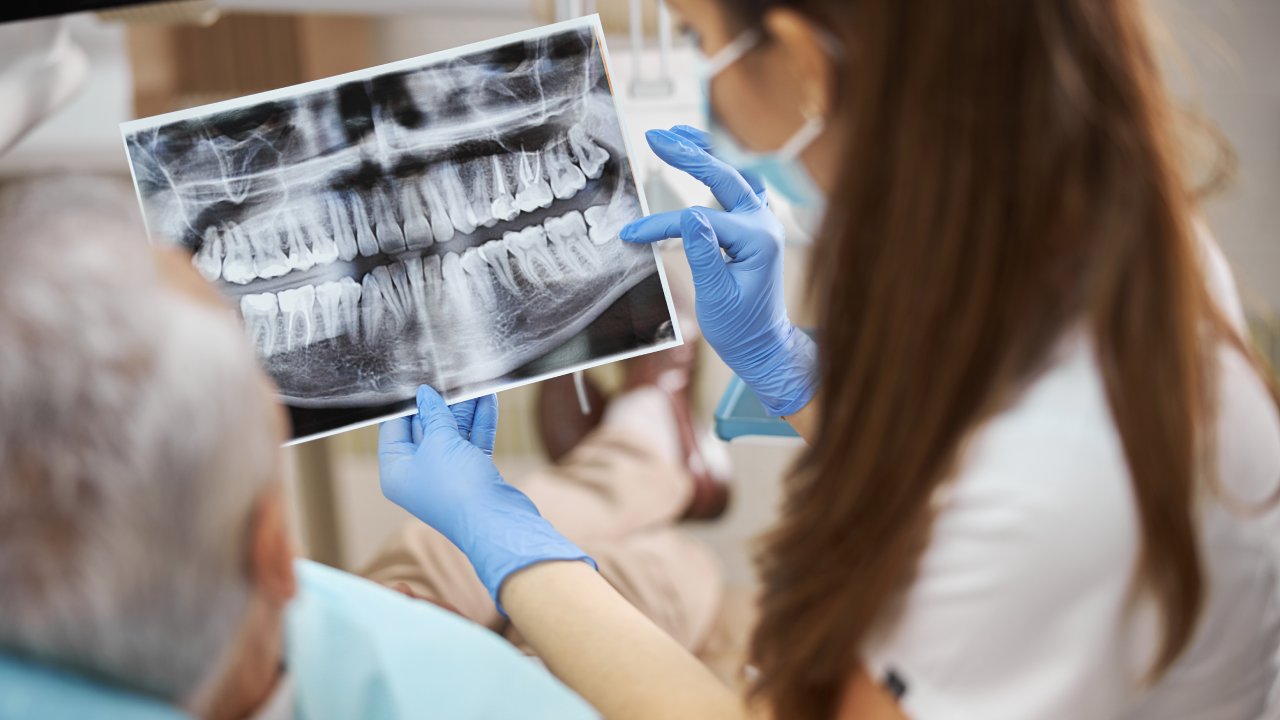
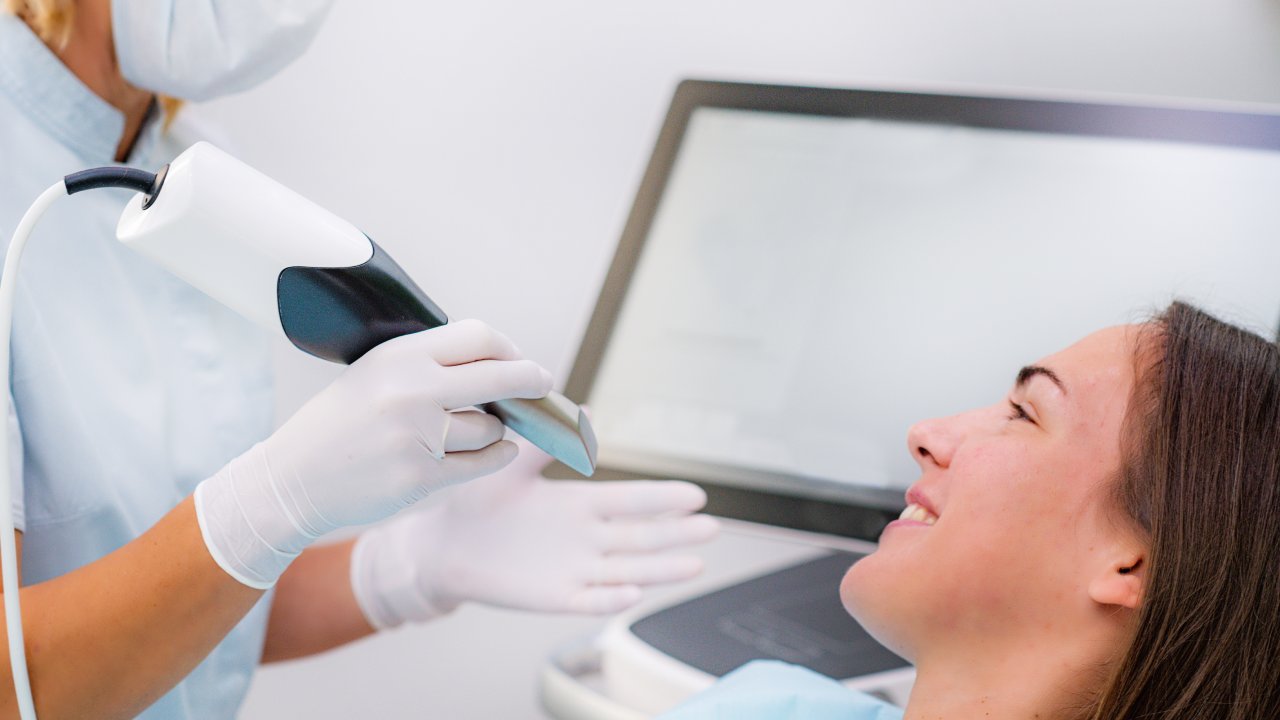
Techniques include digital imaging, which enhances diagnostics, and minimally invasive procedures that promote faster recovery and less discomfort. Whether it’s utilizing laser technology for gum contouring or implementing advanced sedation methods, the priority remains on patient comfort and satisfaction.
Furthermore, the comprehensive training of the dental staff allows them to utilize these techniques effectively, ensuring that complex procedures such as crowns or fillings are completed with precision.
Patients can also inquire about specific cosmetic treatments and their insurance coverage by consulting Belvedere’s team, who can guide you through your options. For additional insights on cosmetic dental treatments and their financial implications, consider exploring the topic of cosmetic dental procedures covered by metlife.
By choosing Belvedere Dentistry, you benefit from a holistic approach to oral health that combines comprehensive service offerings with advanced treatment methodologies, ensuring that all of your dental needs are met successfully and professionally.
Insurance Coverage for Dental Procedures
Understanding the insurance landscape for dental procedures, especially those related to cosmetic dentistry, can help you make informed decisions about your dental health. This section outlines the nuances of insurance coverage for cosmetic work and the various factors that can influence your coverage.
Understanding Cosmetic Dentistry Coverage
It’s essential to recognize that most insurance plans do not cover cosmetic dental procedures. Treatments such as teeth whitening, veneers, and certain implants are typically considered elective and not medically necessary (Kelso Family Dental). However, there can be exceptions. For instance, if a dentist recommends veneers to address specific oral health issues, like damage from an accident, some insurance providers may offer partial coverage (Washington Dental).
Here’s a brief overview of common cosmetic procedures and their typical coverage status:
| Procedure | Coverage Status | Cost Range |
|---|---|---|
| Teeth Whitening | Not covered | $300 – $1,500 |
| Porcelain Veneers | Often not covered unless medically necessary | $950 – $2,500 per tooth |
| Dental Implants | Limited coverage for reconstructive purposes | $1,500 – $6,000 each |
| Dental Crowns | Usually covered if deemed necessary | $1,000 – $3,500 each |
It’s crucial to check with your specific insurer for detailed coverage information regarding any intended procedures.
Factors Influencing Coverage
Several factors can impact whether or how much your insurance will cover for dental procedures:
- Medical Necessity: Many insurances will cover procedures deemed medically necessary rather than purely cosmetic. For example, dental crowns needed for cracked teeth are generally covered since they treat a legitimate problem (Arthur Glosman DDS).
- Procedural Recommendations: If a dental professional recommends a cosmetic procedure for health reasons, this may increase the likelihood of receiving coverage. You may want to consult with your dentist about possible justifications for insurance approval.
- Plan Limitations: Different insurance plans have various limitations and exclusions. Some may have specific clauses that apply to cosmetic procedures. It’s essential to inquire directly with your insurer for comprehensive details.
- Alternative Options: If coverage for cosmetic dental work is limited, consider alternatives such as payment plans, discounts, or in-house savings programs, which many dental practices offer (Kelso Family Dental).
By understanding the intricacies of insurance coverage for cracked tooth cosmetic repair and other related procedures, you can better prepare financially and ensure that your dental care needs are met effectively. For further details on dental insurance coverage, refer to resources like cosmetic dental procedures covered by metlife and dental bonding with cigna dental plan.
Dental Insurance Essentials
Understanding the intricacies of dental insurance is crucial for maximizing your benefits, especially when considering cosmetic treatments. Here, we break down the types of coverage plans available and the realities of cosmetic dental insurance.
Types of Coverage Plans
Dental insurance usually falls into several categories. Here’s a brief overview of common types of plans you might encounter:
| Coverage Plan | Description |
|---|---|
| Preventive Plans | Covers routine checkups, cleanings, and X-rays. Typically, 100% coverage for preventive care. |
| Basic Plans | Covers basic dental services like fillings and extractions; usually covers 70-80% of costs. |
| Major Plans | Covers extensive procedures such as crowns, bridges, and root canals; often covers 50% of costs. |
| Cosmetic Plans | Generally not covered. Procedures like teeth whitening and veneers are typically considered elective. |
Most dental insurance plans do not extend coverage for cosmetic dentistry procedures because they are viewed as elective treatments aimed solely at improving appearance, rather than restoring dental function (Kelso Family Dental). However, some major restorative procedures, such as crowns and certain implants, may have partial coverage.
Realities of Cosmetic Dental Insurance
Navigating the world of cosmetic dental insurance can be challenging. Here are key points to consider:
- Limited Coverage: As stated, cosmetic procedures like veneers, teeth whitening, and cosmetic bonding are often not covered by insurance plans (Delta Dental of Connecticut).
- Emergency Procedures Covered: Insurance plans often do cover emergency exams and restorative work, such as root canals or crowns for cracked teeth. This means that if your cosmetic need is linked to a functional issue, like a cracked tooth, you might be able to claim significant parts of the cost under your insurance (BlueReo).
- Pre-Approval May Be Required: For certain procedures, it may be necessary to obtain pre-approval from your insurance provider to ensure coverage. This can involve submitting treatment plans or case analyses.
Understanding these realities can assist you in planning your dental care needs effectively. If you are considering any of these treatments, ensure to discuss your options with your provider. By investing in knowledge about insurance coverage for cracked tooth cosmetic repair, you can make better choices regarding your dental care.
Financial Planning for Dental Needs
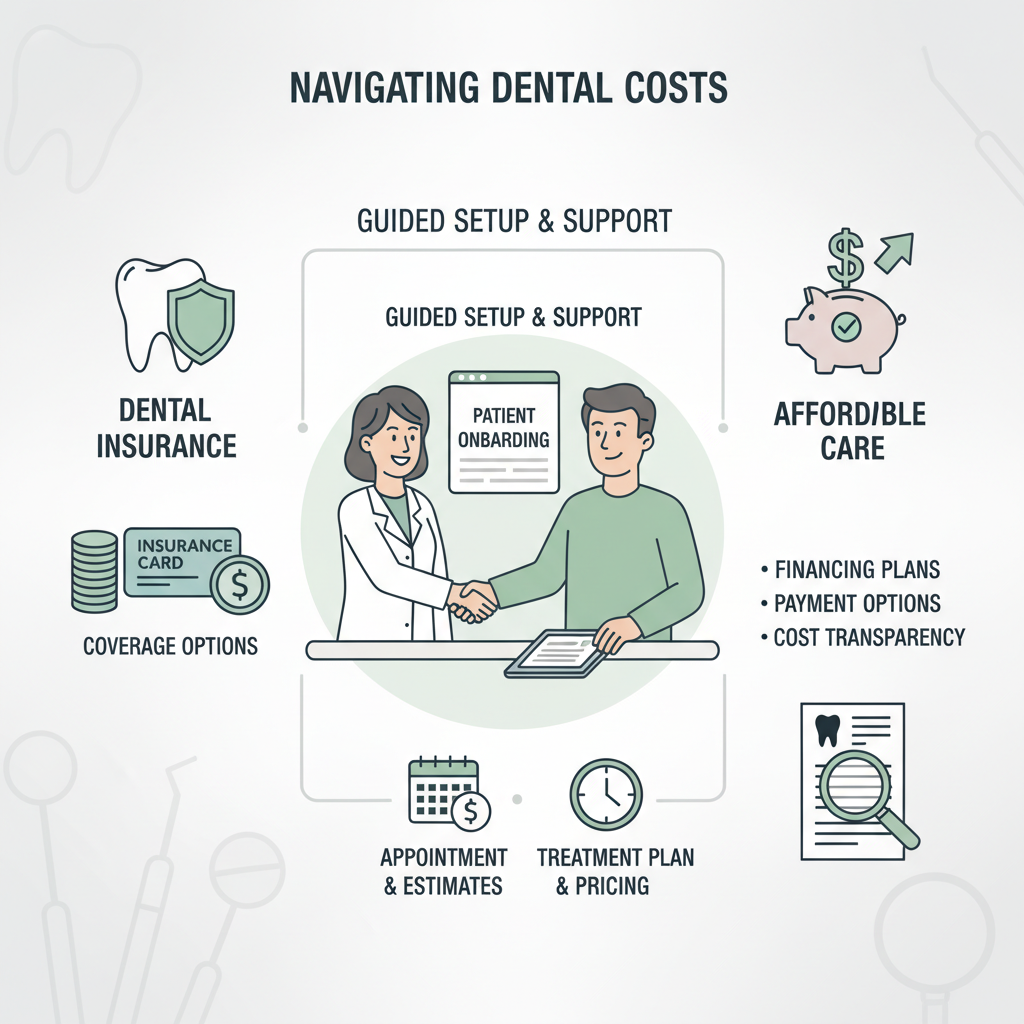
Understanding the costs associated with dental procedures and knowing your payment options is essential for effective financial planning. This section will help you assess procedure costs and explore the alternative payment methods available for your dental needs, especially when considering the cost of insurance coverage for cracked tooth cosmetic repair.
Assessing Procedure Costs
When planning for dental work, the first step is to assess the costs involved in the necessary procedures. The cost of cosmetic dentistry can vary significantly based on factors such as complexity, number of teeth involved, and materials used. For instance, the national average cost for a routine dental exam—including a full cleaning and X-rays—is approximately $203, though it can range from $50 to $350 depending on location (CareCredit).
For cosmetic procedures specifically, you might encounter the following average costs:
| Procedure | Average Cost |
|---|---|
| Veneer (per tooth) | $1,200 |
| Tooth bonding | $300 – $600 |
| Teeth whitening | $400 – $800 |
| Crowns | $1,000 – $3,500 |
It is crucial to communicate with your dentist about these costs and to check with your insurance provider on coverage to avoid unexpected expenses. Verify your insurance coverage for cosmetic procedures by reviewing options available through plans such as cosmetic dental procedures covered by MetLife or veneers with Cigna dental insurance.
Alternative Payment Options
If insurance does not cover the full cost of your cosmetic dental work, there are several alternative payment options available. These can help you manage your expenses effectively. Here’s a breakdown of options you might consider:
| Payment Option | Description |
|---|---|
| Payment Plans | Many dentists offer in-house financing options that break down the cost into manageable monthly payments. |
| Flexible Spending Accounts (FSAs) | If your employer offers an FSA, you can use pre-tax dollars to pay for eligible dental expenses. |
| Third-Party Financing | Companies like CareCredit offer financing specifically for medical and dental expenses, helping you manage payments over time. |
| In-Office Membership Plans | Membership plans provide discount rates on treatments, significantly reducing costs. For example, Sarah saved over 50% by becoming a member of her dentist’s in-office plan, paying only $500 for a chipped tooth repair instead of $1,200 (Boomcloudapps). |
It is advisable to communicate clearly with your dentist and insurance provider regarding these options. This ensures proper planning for your dental needs, enabling you to access the necessary treatments without financial strain. To learn more about how to maximize your insurance benefits, explore our resources on insurance coverage for cracked tooth cosmetic repair.
Restorative Procedures for Cracked Teeth
When dealing with cracked teeth, restorative procedures are essential to maintain both the function and aesthetics of your smile. Two of the most common options include veneers and dental bonding. Below, you will find a detailed overview of these restorative techniques.
Repairing Cracks with Veneers
Veneers offer a cosmetic solution for addressing severe cracks on the front surface of teeth. These thin, custom-made shells are typically made from porcelain or composite resin and are designed to cover imperfections. The application of veneers is a popular choice for individuals seeking a natural-looking finish, as they blend seamlessly with your existing teeth.
| Benefits of Veneers | Considerations |
|---|---|
| Natural appearance | Requires removal of some enamel |
| Durable (up to 10 years) | May not be covered by all insurance plans |
| Resistant to stains | Possible sensitivity post-application |
Veneers can effectively conceal not just cracks, but also teeth that are discolored or misshapen. It’s important to consult with your dentist regarding the potential insurance coverage for veneers, which may vary depending on your provider. If you have Cigna dental insurance, explore the potential benefits by checking our resource on veneers with cigna dental insurance.
Tooth Bonding Techniques
Tooth bonding is another effective method for repairing cracked teeth. This procedure involves applying a tooth-colored resin to the affected area, which is then shaped and polished to match the surrounding teeth. It is a versatile solution for addressing various dental imperfections, including cracks, chips, or discoloration.
| Advantages of Tooth Bonding | Limitations |
|---|---|
| Quick procedure (often completed in one visit) | Less durable than veneers (typically lasts up to 10 years) |
| Affordable option | Requires good oral hygiene to avoid staining |
| Minimal tooth preparation | May need replacement after a few years |
Dental bonding typically does not require anesthesia unless it is being used for cavities. To understand how dental bonding may fit into your insurance coverage, you can review options available through your Cigna dental plan at dental bonding with cigna dental plan.
Both veneers and bonding techniques provide valuable options for restoring cracked teeth, maintaining tooth integrity, and enhancing your smile. For more information on available cosmetic dental treatments and their impact on insurance, consider reviewing our extensive articles on cosmetic dental procedures covered by metlife and other insurance-related aspects.
Maximizing Dental Care Savings
Taking control of your dental health costs is crucial, especially when considering procedures that may not be fully covered by insurance. At Belvedere Dentistry, there are multiple strategies to help you save on your dental care.
In-Office Membership Benefits
Belvedere Dentistry offers in-office membership plans designed specifically for patients looking for affordable care without the constraints of traditional insurance. For a monthly or yearly fee, you can access discounted services, which could save you hundreds or even thousands of dollars on treatments. This type of plan allows you to manage your dental expenses more effectively and without the limitations often imposed by insurance providers (Boomcloudapps).
| Membership Plan Type | Monthly Fee | Annual Fee | Discount on Services |
|---|---|---|---|
| Basic Plan | $25 | $250 | 20% off services |
| Family Plan | $40 | $400 | 25% off services |
| Premium Plan | $60 | $600 | 30% off services |
By utilizing such membership plans, you get the flexibility to receive care whenever it’s needed, particularly important if you have various dental concerns such as a cracked tooth.
Low-Cost Treatment Strategies
If you find yourself needing dental work but lack adequate insurance, there are still numerous avenues to explore for affordable treatment. Here are some strategies that can significantly lower your costs:
- Payment Plans: Many dental offices, including Belvedere Dentistry, offer flexible payment options that allow patients to spread their dental expenses over time.
- Financing Options: Companies like CareCredit provide financing solutions for dental treatments, making higher-cost procedures more manageable.
- Dental Schools: Visiting dental schools can offer reduced-price treatments performed by supervised students. This provides quality care at a lower cost.
- Discount Dental Plans: These plans offer pre-negotiated discounts for dental services, giving you access to prices lower than standard rates.
- Shopping Around: Don’t hesitate to shop around and compare prices between dental practices for the same treatment. You can often negotiate lower costs based on quotes from other providers.
- Cash Discounts: Some dental offices provide discounts if you pay in cash, which can further reduce your overall bill.
Delaying essential treatment, like for a chipped tooth, can lead to more severe problems, including increased sensitivity and potential infections. Therefore, it’s wise to explore these affordable options promptly to maintain your oral health while managing costs effectively (Boomcloudapps). For more information on coverage for cosmetic procedures, you can refer to insurance coverage for cracked tooth cosmetic repair.