
Navigating orthodontic care in Charlotte can feel overwhelming, especially when you’re weighing options like traditional braces, clear aligners, 3D imaging and long-term retention. Whether you’re considering treatment for yourself or a family member, understanding each step—from your initial consultation through follow-up visits and retainer care—will help you make informed decisions and achieve a lasting smile.
In this guide you’ll explore the main treatment approaches, learn how modern imaging informs your plan, review common financing strategies, anticipate follow-up requirements, and discover how to select the right provider in Charlotte. By the end, you’ll have the confidence to move forward with your orthodontic care charlotte journey.
Explore treatment options
When you begin researching orthodontic care charlotte, you’ll find two primary pathways to a straighter smile: fixed appliance braces and clear aligner treatment. Each approach has distinct benefits and considerations, so it’s important to match the method to your lifestyle, aesthetic preferences and treatment goals.
Fixed appliance braces
Braces remain the most time-tested solution for correcting a wide range of alignment issues, from crowding and gaps to bite correction. Metal braces use durable stainless steel brackets and archwires, applying consistent pressure to shift teeth over time. Ceramic braces offer the same mechanics with tooth-colored brackets for a more discreet look; you can explore additional options at clear braces alternatives.
Self-ligating braces represent another evolution in bracket design, featuring built-in clips that hold the wire in place without elastic ties. This can reduce friction, shorten appointment times and sometimes speed up treatment. Lingual braces, bonded to the back surfaces of your teeth, deliver a truly invisible solution but often require specialized expertise and may incur higher costs—reflecting their complexity and customization. According to Clearsmile Charlotte, lingual braces in Charlotte can range from $8,000 to $10,000 [1].
Comparing braces with clear aligners can help you decide which suits you best. If you’re curious about the trade-offs, our invisalign vs braces resource dives deeper into aesthetics, treatment time and comfort considerations.
Clear aligner treatment
Clear aligners have surged in popularity for good reason: they combine near-invisibility with the ability to remove your trays for meals and oral hygiene. Invisalign® remains the most widely known system and as a Diamond Plus provider, practices like Lineberger Orthodontics in the Charlotte area offer advanced expertise in complex cases [2].
Beyond Invisalign, you’ll find a variety of aligner orthodontic system options that may include different tray materials, wear schedules and digital monitoring features. Stealth aligner options take discretion even further by using low-profile attachments or specialized trimming. Teens often benefit from the invisalign teen program nc, which accommodates erupting teeth and includes compliance indicators. Adults can explore flexible fits and styling with adult clear aligners treatment.
Clear aligners typically require you to wear each set for 20 to 22 hours per day. Missing more than a few hours can lengthen treatment, so compliance is essential. Between each series of trays, you may attend check-ins either in person or via remote monitoring tools, ensuring your tooth movements stay on track.
Assess imaging requirements
Successful orthodontic care relies on precise diagnostics. Modern imaging and digital tools give you and your provider a comprehensive map of your dental anatomy, enabling more predictable outcomes and often shorter overall treatment time.
3D orthodontic imaging
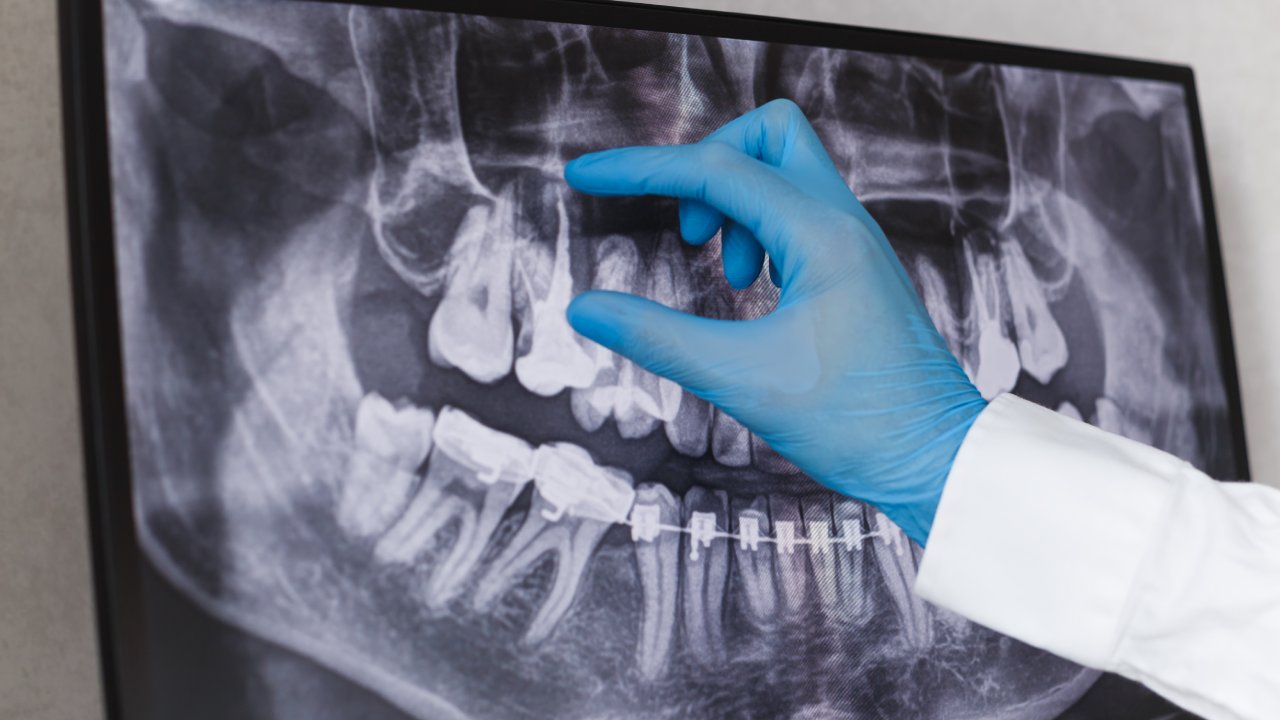
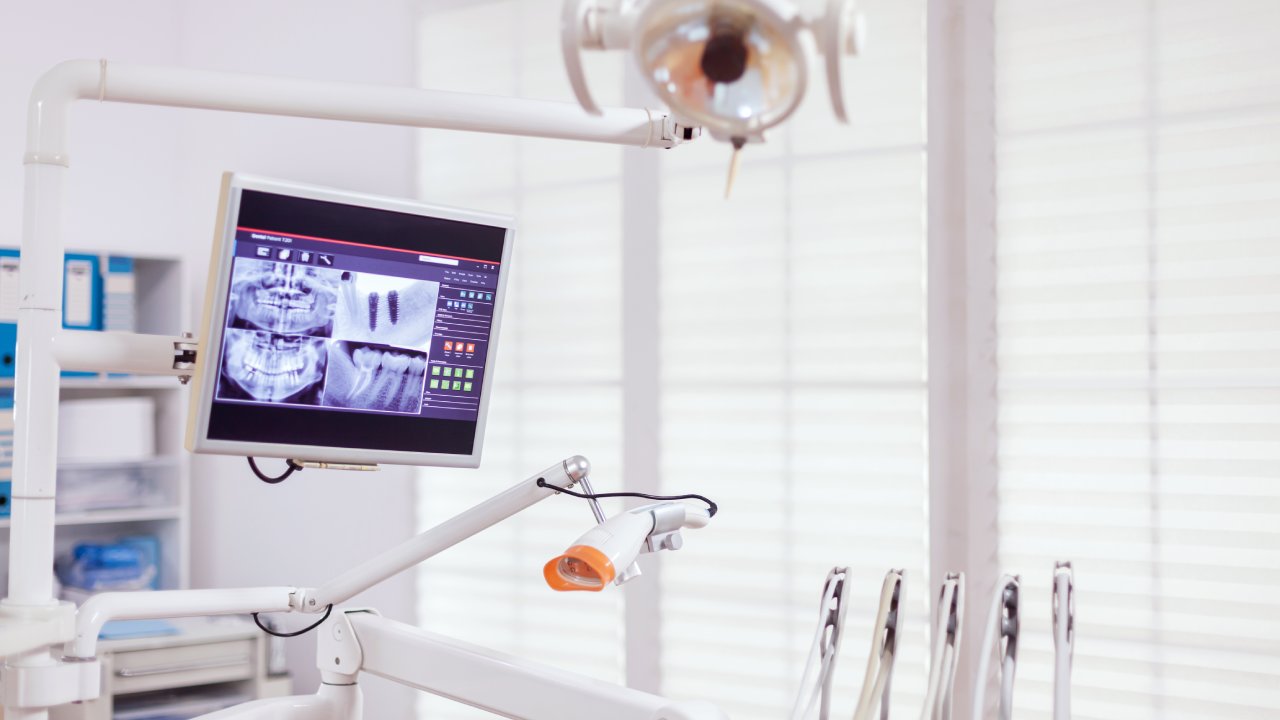
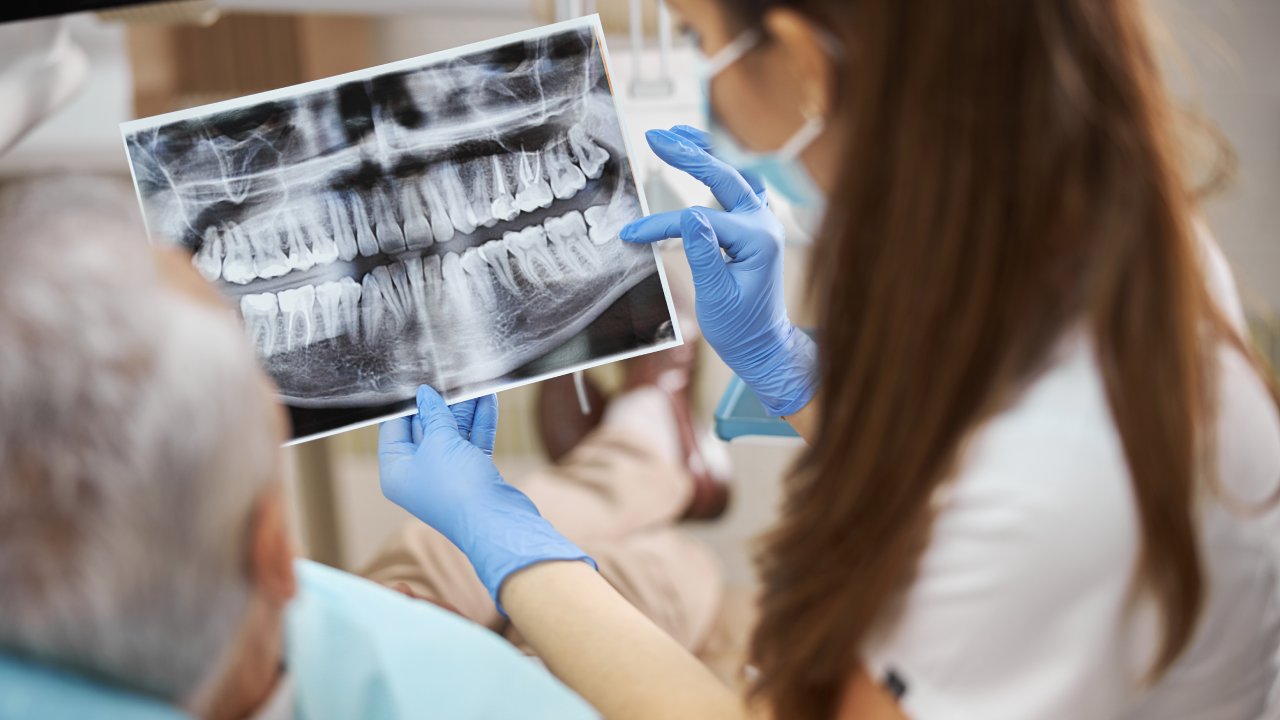
Three-dimensional cone beam computed tomography (CBCT) captures volumetric views of your jaw, teeth roots and surrounding bone structure. This level of detail is invaluable when planning complex movements, assessing airway health or evaluating jaw asymmetries. If you’re curious about how 3D scans integrate into your care, check out our 3d orthodontic imaging service.
CBCT images also facilitate virtual treatment simulations, showing you a preview of your post-treatment smile. Many practices use these simulations to refine bracket placement or aligner staging before you even begin.
Digital impressions
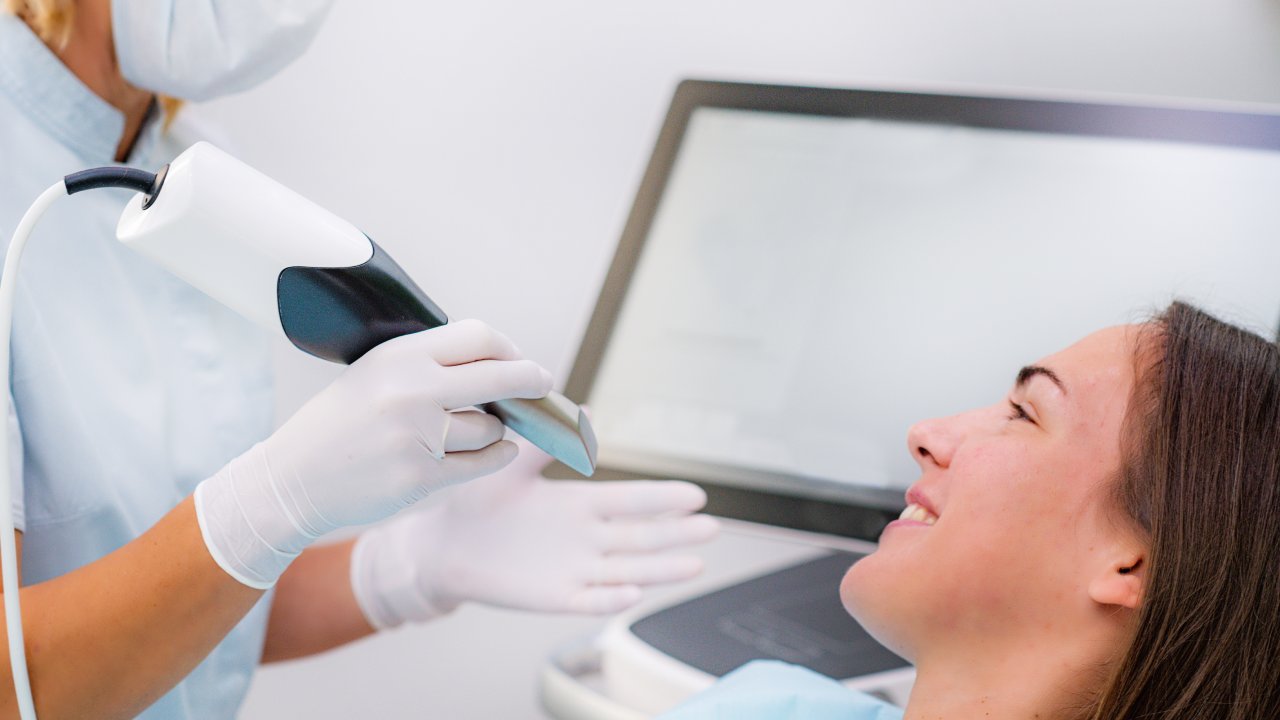
Gone are the days of messy alginate molds. Digital scanners capture hundreds of intraoral images per second, stitching them into an accurate 3D model of your teeth and gums. These models feed directly into treatment planning software, reducing the need for repeat impressions and improving your comfort.
If you want to learn more about the scanning process and where it’s offered in the region, visit our orthodontic imaging charlotte page. Accurate digital impressions also streamline follow-up workflows by allowing side-by-side comparisons of progress scans.
Plan treatment and financing
Creating your personalized orthodontic plan involves combining diagnostic data with your goals, budget and lifestyle considerations. From your first visit through contract signing, clear communication ensures you understand every aspect of your care.
Orthodontic consultation basics
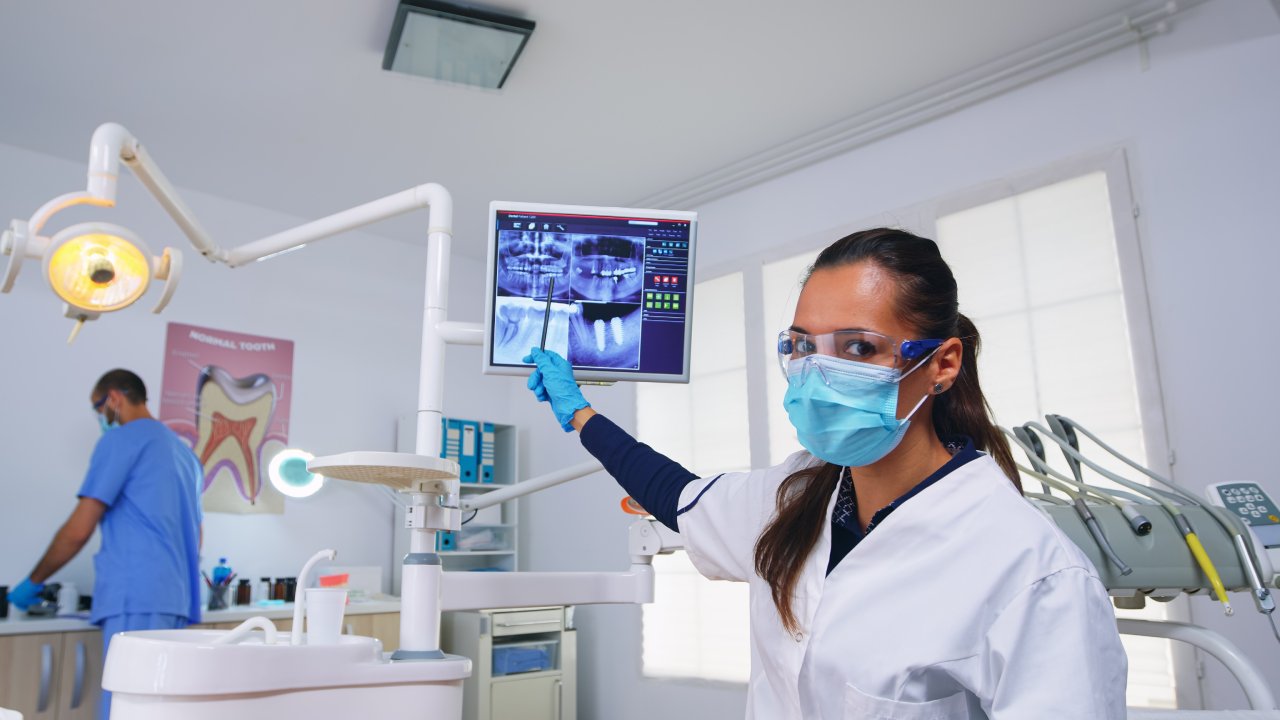
Your journey typically begins with a comprehensive exam that includes a clinical evaluation, review of your medical history, radiographs and digital scans. During the consultation you’ll discuss the severity of your misalignment, any jaw or bite issues, and your cosmetic objectives. This is also when you can ask about treatment duration estimates, potential discomfort, and retainer strategies.
Many Charlotte practices offer same-day starts for braces or Invisalign once your records are taken. To schedule your assessment, explore our orthodontic consultation charlotte service.
Payment plan options
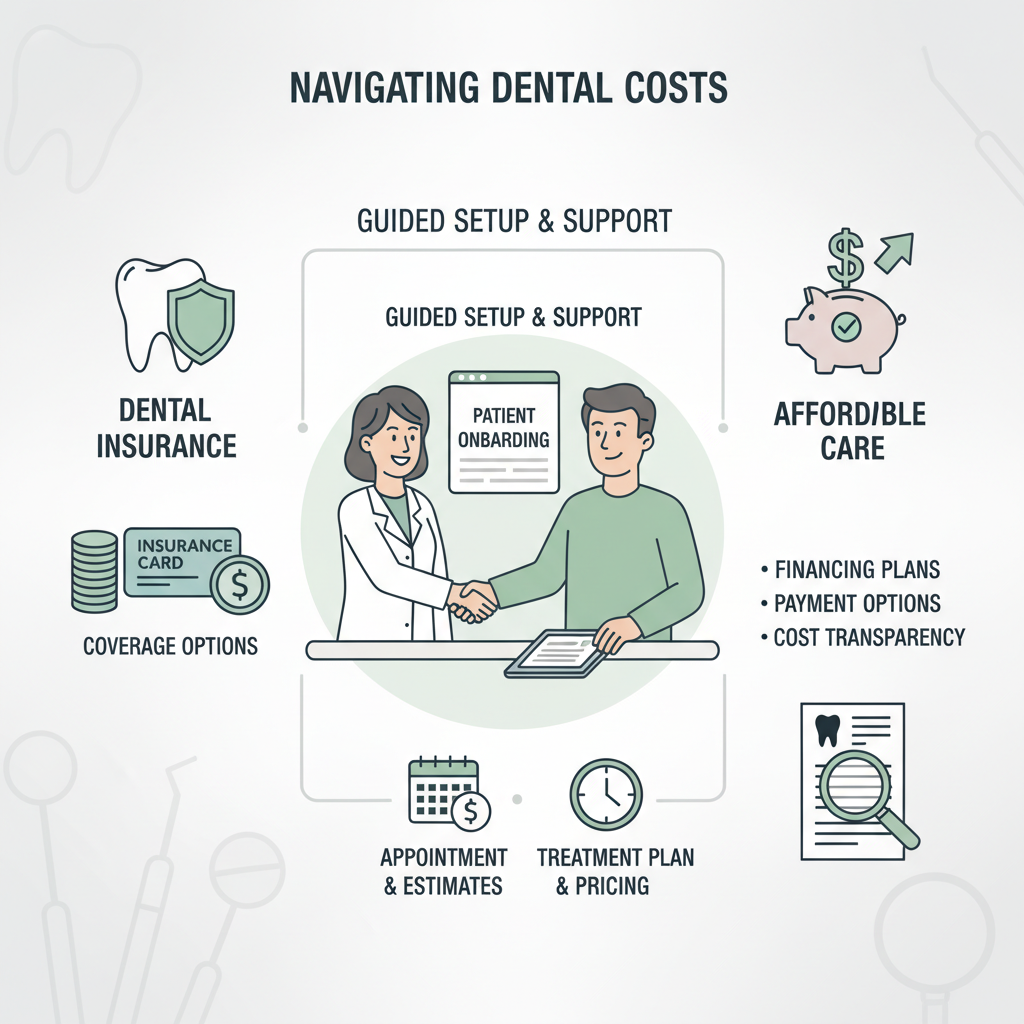
Orthodontic treatment represents a significant investment in your health and confidence. Average fees in Charlotte range from $4,000 to $8,000 depending on complexity and appliance choice [1]. Younger patients in interceptive phases may see lower costs, typically between $1,999 and $3,499 for early treatment [3].
To ease budgeting, many offices provide flexible orthodontic payment plans including 0% interest options, family discounts and low monthly installments. You can often apply FSA or HSA dollars toward your care, and some practices—like Connolly Orthodontics—handle insurance paperwork in-house to maximize your benefits [4].
Discuss financing early so you can choose a plan that aligns with your cash flow and ensures you complete every phase of treatment.
Manage follow-up care
Orthodontic care extends well beyond initial appliance placement. Regular check-ins and diligent retainer use are vital to securing and maintaining your results.
Routine monitoring visits
Whether you have braces or aligners, expect to visit your orthodontist every four to eight weeks. During orthodontic follow up visits, your provider will adjust wires or issue your next set of trays, check hygiene, and verify that teeth are moving according to plan. Some offices supplement in-office appointments with virtual check-ins via last-mile scanning apps, often billed as orthodontic monitoring visits.
Sticking to your schedule minimizes treatment delays and helps catch any emerging issues—like broken brackets or ill-fitting trays—before they escalate.
Retainer maintenance
Once active treatment ends, retainers lock in your new smile. You may receive removable clear retainers, a fixed wire bonded behind your teeth, or a combination. Retention protocols vary, but many patients wear removable retainers nightly for life to prevent relapse.
If your retainer becomes loose or worn, arrange a retainer adjustment charlotte appointment promptly. Proper cleaning and storage extend retainer lifespan and preserve fit.
Choose a Charlotte provider
Selecting the right orthodontist ensures you receive expert care, friendly support and transparent communication from start to finish.
Key selection criteria
When evaluating practices, consider:
- Experience level and board certification
- Invisalign provider status (Diamond Plus indicates top 1% performance)
- Financing flexibility and insurance expertise
- Availability of advanced imaging and digital tools
- Convenience of location, hours and same-day starts
- Patient reviews and testimonials
As you compare options, feel free to ask about case studies, before-and-after galleries and any specialty services you need.
Local practice highlights
Below is a snapshot of reputable providers in Charlotte and surrounding areas:
| Practice | Specialty | Notable feature | Locations |
|---|---|---|---|
| Lineberger Orthodontics | Braces & Invisalign® for adults and teens | Diamond Plus Invisalign provider, 20+ years family-owned expertise [2] | Charlotte, Mooresville, Denver, Huntersville |
| Webb & Goldsmith Orthodontics | Full orthodontic care, advanced Invisalign | Voted Best Orthodontist six years running, 0% financing for full treatment [5] | Arboretum, South Park, Ballantyne/Blakeney |
| Smile Riverbend | Early interceptive and comprehensive treatment | Free online payment calculator, flexible payment options [3] | 4009 Corning Place, Charlotte |
Choosing a practice that aligns with your priorities—whether that’s cutting-edge technology, budget-friendly plans or a welcoming atmosphere—will set the stage for a smooth treatment experience.
Investing in orthodontic care charlotte is a commitment to both your oral health and self-confidence. By exploring treatment options, leveraging modern imaging, planning wisely for costs, staying diligent with follow-up care and selecting the right provider, you’ll be on track for a beautifully aligned smile that lasts a lifetime.