
You’ve committed to transforming your smile with braces or clear aligners, and now the road to a confident, healthy bite hinges on more than just the initial adjustment. Regular orthodontic follow up visits ensure your treatment stays on track, detect issues before they escalate, and ultimately boost your long-term success. In this article you’ll learn what happens during these checkups, why they matter for both braces and aligners, and how to make the most of every appointment.
Understanding orthodontic checkups
Orthodontic follow-up visits are scheduled appointments after your initial appliance placement, whether that’s metal braces, ceramic braces, or clear aligners. During these visits, your orthodontist evaluates tooth movement, appliance condition, and overall oral health. Rather than waiting for a problem to become obvious, these checkups allow early intervention. According to Somerville Orthodontics, regular follow-up care helps prevent orthodontic relapse caused by natural teeth shifting over time, making retainer use and good hygiene all the more critical [1].
Each visit is an opportunity to fine-tune your treatment plan. By monitoring progress carefully, orthodontists can adjust wires, replace elastics, or update aligner trays to maintain steady movement. For you, this means fewer setbacks, less overall treatment time, and a smoother path to the smile you envisioned.
Key components of follow-up
Every orthodontic follow-up visit typically covers a few core elements. Knowing what to expect can ease any anxiety and help you prepare questions in advance.
Bracket and wire adjustments
If you’re wearing braces, tightening or activating wires is the heart of each adjustment. Your orthodontist replaces worn rubber bands, checks bracket adhesion, and may swap in a stiffer archwire to continue gentle pressure on your teeth. These tweaks usually take 15 to 30 minutes and are essential to direct each tooth precisely [2].
Retainer assessment
Even after braces come off, retainers play a starring role in preserving alignment. During follow-up visits you’ll have your appliance’s fit evaluated. If your retainer is loose, warped, or damaged, prompt replacement or adjustment is advised to avoid unwanted shifting [1].
Oral health evaluation
Orthodontic appointments double as dental checkups. Your provider inspects gum health, looks for cavities, and ensures that cleaning around brackets or under attachments is effective. This holistic approach prevents gum inflammation and decay during treatment, keeping your smile healthy as it becomes straighter.
Scheduling and frequency
Timing your follow-up visits correctly sustains momentum in your treatment. While individual needs vary, general guidelines help you plan ahead.
Recommended intervals
| Treatment stage | Braces interval | Aligners interval |
|---|---|---|
| Initial adjustment | Every 4–6 weeks | Every 6–8 weeks |
| Mid-treatment progression | Every 4–6 weeks | Every 8–10 weeks |
| Retention phase (retainers only) | Every 3–6 months | Every 3–6 months |
Most orthodontic patients attend appointments every 4 to 6 weeks when wearing traditional braces, ensuring brackets and wires guide teeth steadily [3]. Clear aligner wearers often need check-ins every 6 to 8 weeks to confirm each tray set is delivering the expected results and to pick up new aligners if needed [4]. As you move into retention, visits typically spread out to every few months.
First-year monitoring
Following your final adjustment or aligner tray change, the first 12 months are crucial. Teeth have the greatest tendency to shift during this time, so more frequent appointments allow your orthodontist to catch even subtle movements and reinforce retainer wear guidelines [1].
Long-term maintenance
Once your smile is stable, you may transition to checkups every six months or annually. These visits check your retainer’s condition, confirm that you’re wearing it as prescribed, and address any late-emerging concerns before they impact your smile.
Comparing braces and aligners
Whether you chose metal braces or a clear aligner orthodontic system, follow-up care adapts to your appliance type. Understanding these differences helps you prepare and sets realistic expectations.
Braces adjustment visits
With braces you’ll receive fresh elastic ties or replace self-ligating clips, have wires tightened, and get brackets checked for secure bonding. Each activation step typically increases pressure to move teeth to their next milestone. If an elastic breaks or a bracket loosens, timely follow-up prevents delays or even emergency repairs [5].
Aligner check-ins
Clear aligners use a series of custom trays that you switch approximately every one to two weeks. During visits you’ll review fit, confirm you’re progressing through trays on schedule, and address any fit issues. If you’re in an Invisalign teen program or adult clear aligners treatment, these check-ins are where you pick up your next sets and discuss any soreness or wear challenges. Many practices now offer remote scan options, but occasional in-office reviews remain essential to maintain tooth movement accuracy.
Remote monitoring options
Some orthodontists provide virtual follow-up through apps that let you upload photos of your teeth. While these digital touchpoints reduce in-office visits, physical appointments remain important for appliance upkeep, digital imaging reviews, and comprehensive oral exams [6].
Leveraging modern technology
Advances in imaging and digital workflows have revolutionized follow-up care, making it more precise and patient-friendly.
Digital imaging
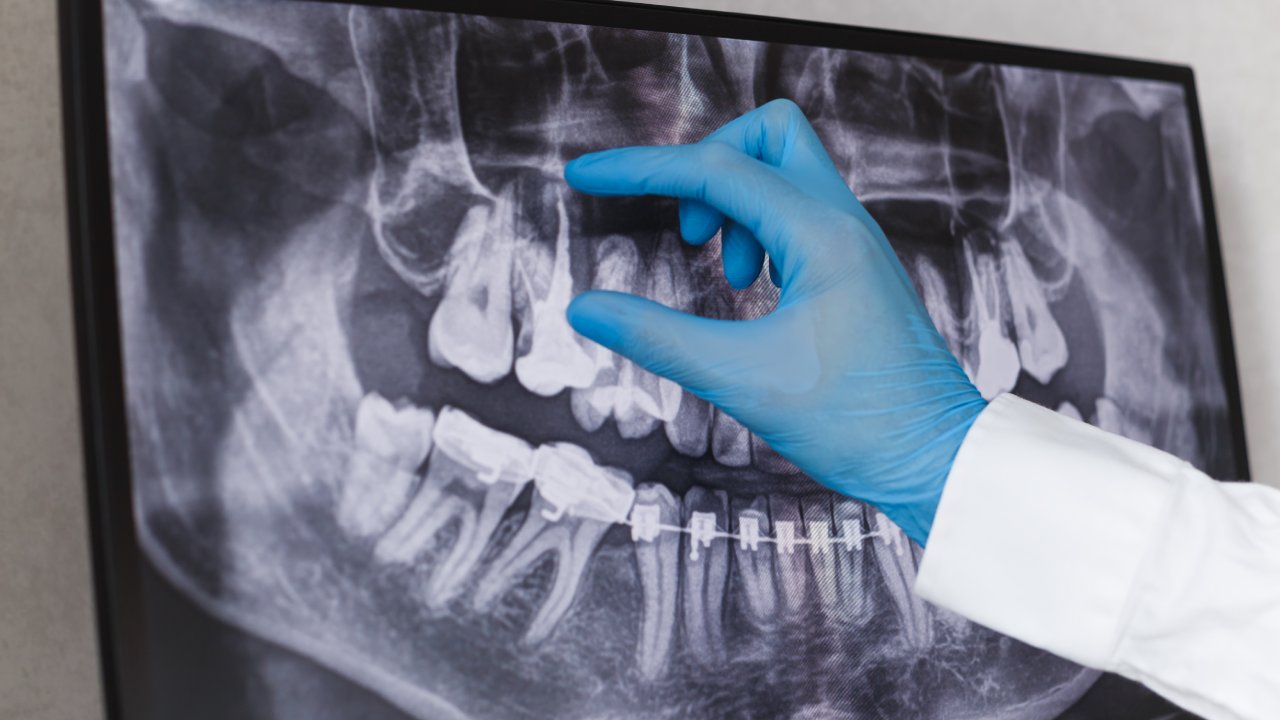
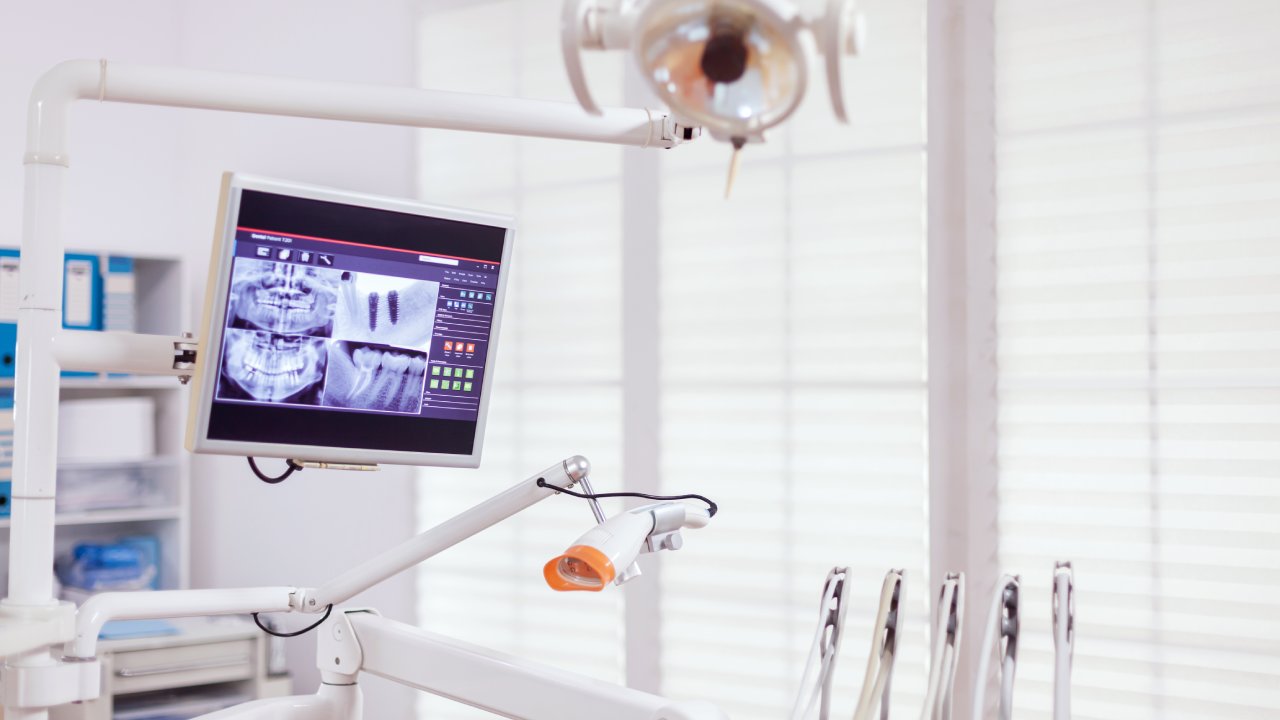
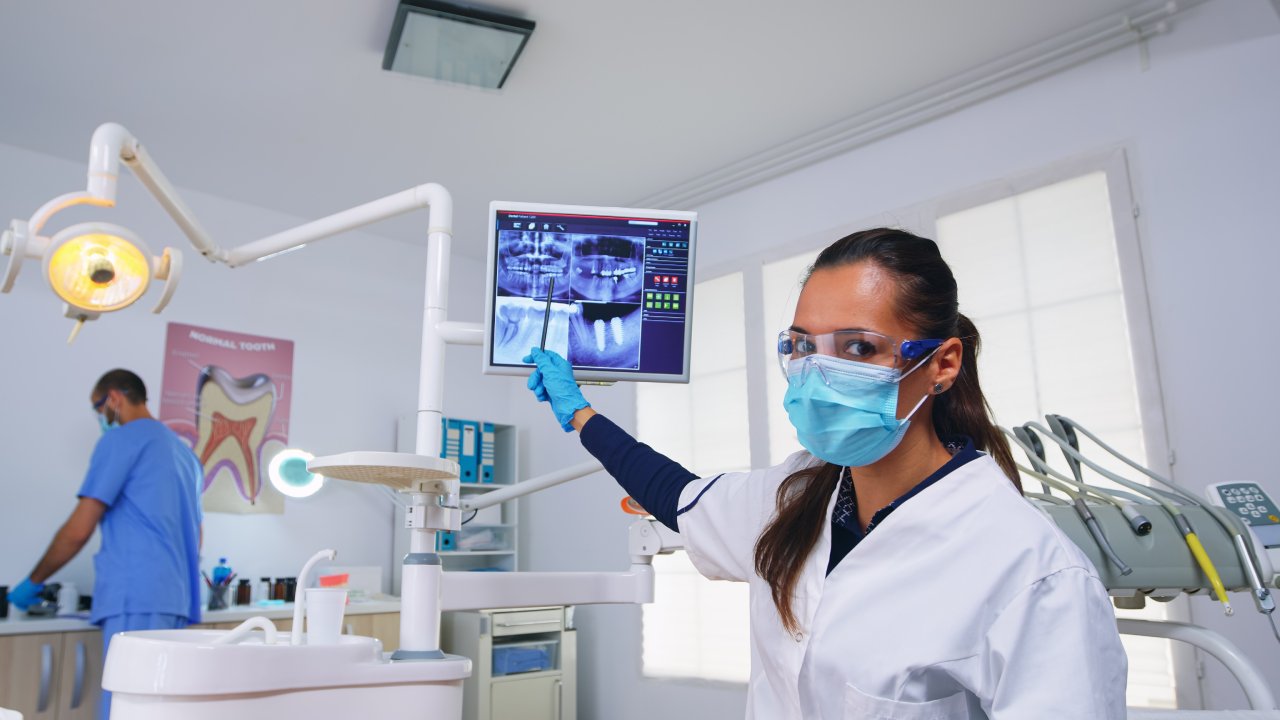
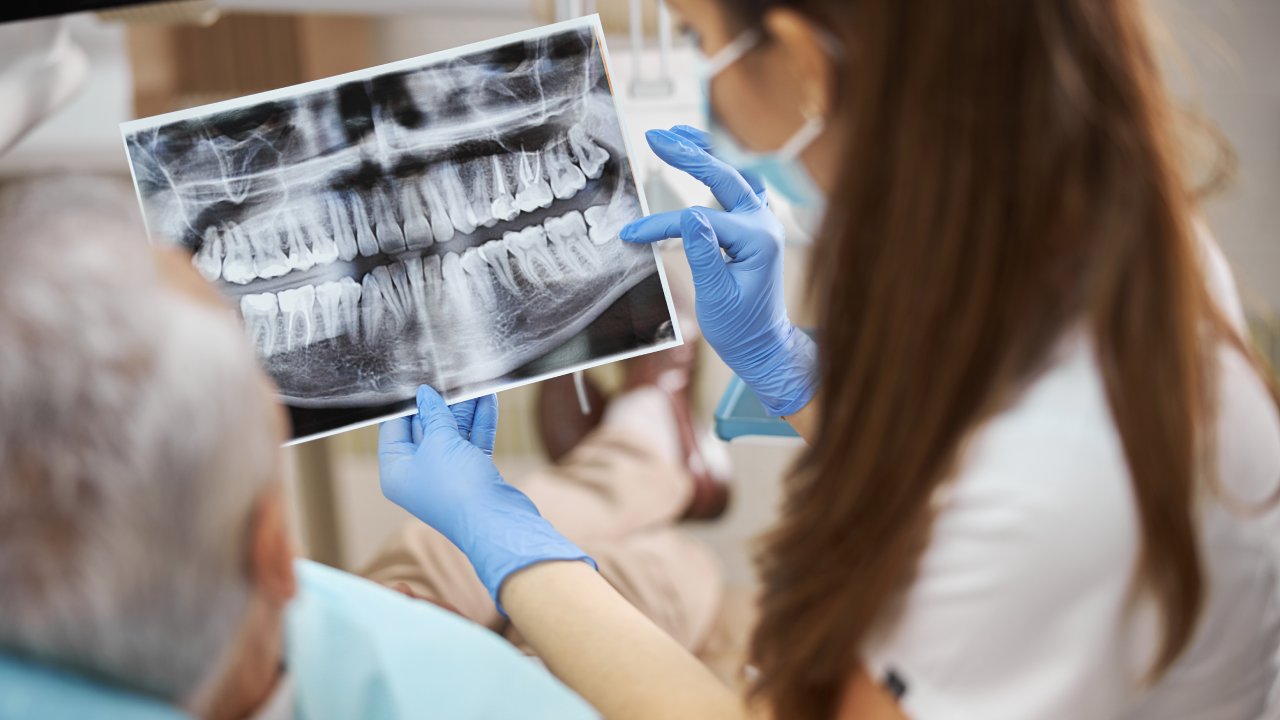
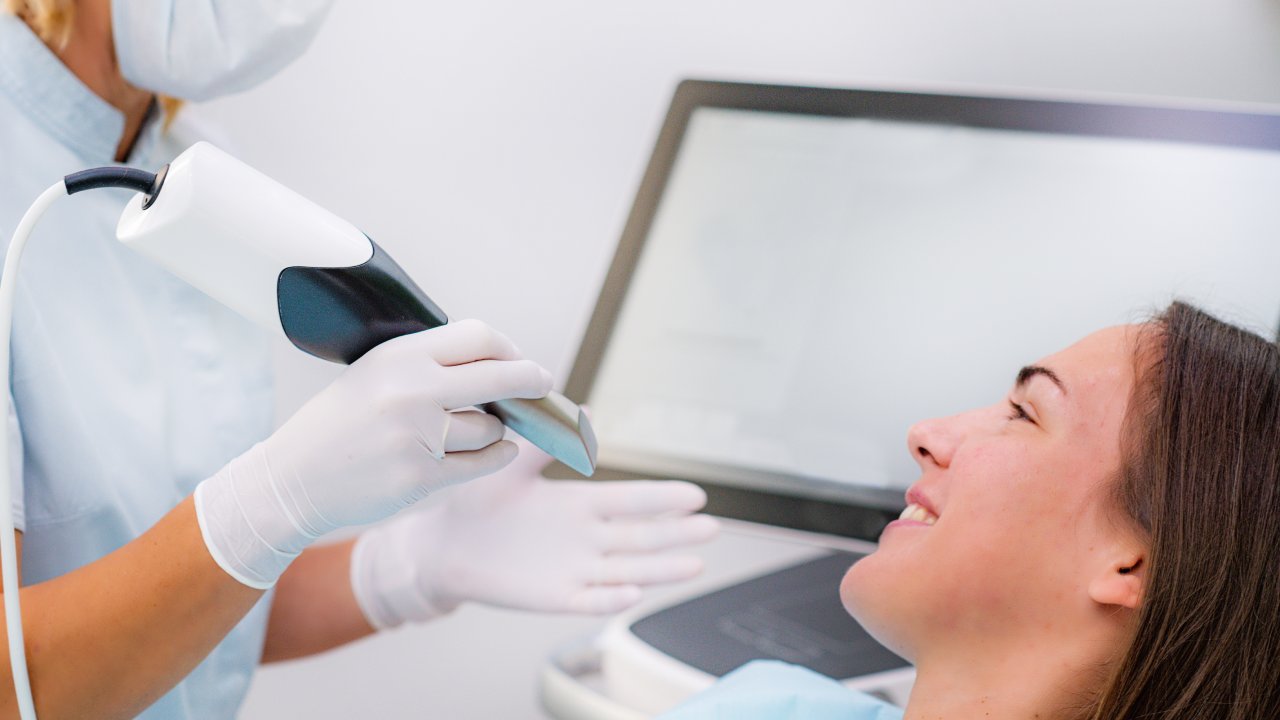
Rather than relying solely on physical impressions, your orthodontist may use 3D scans to capture tooth positions at each visit. These scans feed into 3d orthodontic imaging service platforms that model subtle tooth movements over time. You’ll see visual progress, and the doctor can customize your treatment plan with millimeter accuracy.
Remote monitoring apps
With orthodontic monitoring visits, you photograph your teeth at home using a smartphone app. AI algorithms flag any deviations from your prescribed path, alerting your orthodontist if an in-office visit is needed. This hybrid approach offers convenience without sacrificing the clinical oversight essential for successful alignment.
Preventing treatment setbacks
Missed appointments, broken brackets, or lapses in retainer wear can all extend your treatment timeline. Staying proactive helps you avoid common pitfalls.
First, always reschedule canceled visits promptly. Missing even one checkup can slow wire adjustments and sometimes require repeating a prior activation step, adding weeks or months to your plan [5]. Second, follow dietary guidelines to reduce bracket breakage—avoid hard or sticky foods that can derail your progress. Third, communicate any discomfort or appliance issues as soon as they arise; early intervention is the simplest path back to smooth treatment.
Maintaining your results
Your treatment doesn’t end when braces come off or your last aligner is placed in the case. Long-term retention is your insurance policy against shifting.
Wearing your retainer
Continuous retainer wear is generally advised indefinitely after active treatment. Whether you have a fixed lingual wire or a removable clear retainer, consistency matters. If your appliance ever feels loose or damaged, contact retainer adjustment charlotte or your local provider immediately to prevent relapse [1].
Routine dental care
Maintain twice-daily brushing with fluoride toothpaste, daily flossing, and regular dental hygienist visits. Preventing cavities and gum inflammation keeps your teeth stable in their new positions. Regular check-ups with your general dentist complement your orthodontic follow-up visits, ensuring comprehensive oral health.
Tips for appointment success
- Prepare questions in advance, such as when you can advance to the next aligner tray or how long to wear elastics each day.
- Bring any broken or spare appliance parts so your orthodontist can assess damage directly.
- Keep a brief diary of discomfort, extractions, or dietary slips to discuss at each visit.
- Review your orthodontic payment plans or ask about flexible options if you anticipate additional visits beyond your initial estimate.
By arriving informed, organized, and engaged, you make each follow-up visit more efficient and tailored to your unique needs.
Consistent orthodontic follow up visits bridge the gap between initial appliance placement and a lasting, healthy smile. You’ll catch small issues before they morph into major setbacks, enjoy a more predictable treatment timeline, and safeguard your results for years to come. Whether you’re exploring invisalign clear aligners charlotte, debating invisalign vs braces, or simply maintaining your retainer, staying on schedule with your appointments is the key to treatment success. When you combine your commitment to follow-up care with modern imaging, diligent retainer wear, and open communication, your dream smile is well within reach.