
Bridge & crown services can restore your smile, improve chewing function, and protect weakened teeth. Whether you’re facing decay, damage, or a gap from a missing tooth, understanding how crowns and bridges work can help you make an informed decision. In this article, you’ll learn what these restorative options involve, how they compare, what to expect during treatment, and how to care for your new restorations.
Understanding bridge & crown services
When you choose bridge & crown services, you’re opting for proven solutions in restorative dentistry that repair teeth affected by decay, trauma, or tooth loss. These treatments use custom-made prosthetics to blend with your natural smile and deliver lasting function.
What is a dental crown
A dental crown is a custom-made cap that fits over a damaged or decayed tooth to restore its shape, strength, and appearance. Crowns can protect weak teeth, cover discolored teeth, hold together cracked teeth, support other restorations like bridges, or follow root canal therapy. Crowns may be made from porcelain, ceramic, metal alloys, or combinations of materials to match your bite and esthetic goals (MDRN Dental).
What is a dental bridge
A dental bridge replaces one or more missing teeth by anchoring artificial teeth (pontics) to crowns placed on adjacent natural teeth or to dental implants. The crowns on the neighboring teeth act as abutments, and the pontics “bridge” the gap, restoring chewing ability and preventing adjacent teeth from shifting out of position [1]. Bridges can be designed to match the shade and shape of your natural teeth.
Benefits of prosthetic services
- Restore chewing and speaking function
- Prevent bone loss and tooth shifting, especially with implant-supported bridges [2]
- Protect weakened or damaged teeth from further wear
- Enhance appearance and confidence in your smile
- Provide durability that can last for many years with proper care
Exploring crown treatment options
Crowns play a key role in repairing and reinforcing teeth. When you choose crown placement, you can select from several material and design options.
Materials for dental crowns
- Porcelain and ceramic: Offer the most natural look, ideal for front teeth, though they may be more prone to chipping than metal options
- Metal alloys: Gold or base-metal alloys provide exceptional strength and longevity, best suited for back teeth where chewing forces are higher
- Porcelain-fused-to-metal: Combine strength of metal with esthetics of porcelain
- Resin: Less costly but more susceptible to wear and discoloration
When you need a crown
You might need a crown if you have:
- A large filling that compromises tooth structure
- Cracked, chipped, or worn teeth
- A root canal–treated tooth that requires reinforcement [3]
- Support for a dental bridge or implant restoration
Comparing bridge types
Different bridge designs address specific clinical situations. Understanding each type helps you and your dentist choose the best option for your needs.
Bridge type comparison
| Type | Description | Average lifespan |
|---|---|---|
| Traditional | Crowns on abutment teeth on both sides of the gap with pontics bridging the space | 5 to 15 years [1] |
| Cantilever | Similar to traditional but anchored on one adjacent tooth | 5 to 15 years |
| Maryland (resin-bonded) | Metal or porcelain wings bonded to the back of adjacent teeth, requiring minimal tooth prep | 5 to 10 years |
| Implant-supported | Pontics secured by implants instead of natural teeth, preserving bone and reducing resorption | 10 to 15+ years |
Traditional and cantilever bridges
Traditional bridges involve preparing two teeth for crowns and fitting a row of pontics between them. Cantilever bridges anchor to one tooth, useful when only one side of the gap has a healthy tooth. Both deliver strong function but require alteration of natural tooth structure.
Maryland bridges
Maryland bridges use wings bonded to the back of adjacent teeth, requiring less enamel removal. They offer a more conservative approach but may have a higher risk of debonding under heavy bite forces [4].
Implant-supported bridges
By placing implants into the jawbone, this approach provides optimal stability, prevents bone loss, and preserves adjacent teeth. Implant-supported bridges often last longer, though they involve surgery and a longer healing period. You can explore implant restoration charlotte for more details.
Preparing for your procedure
A smooth treatment begins with careful planning and clear communication with your dentist.
Initial consultation
During your consultation, your dentist will:
- Review your medical and dental history
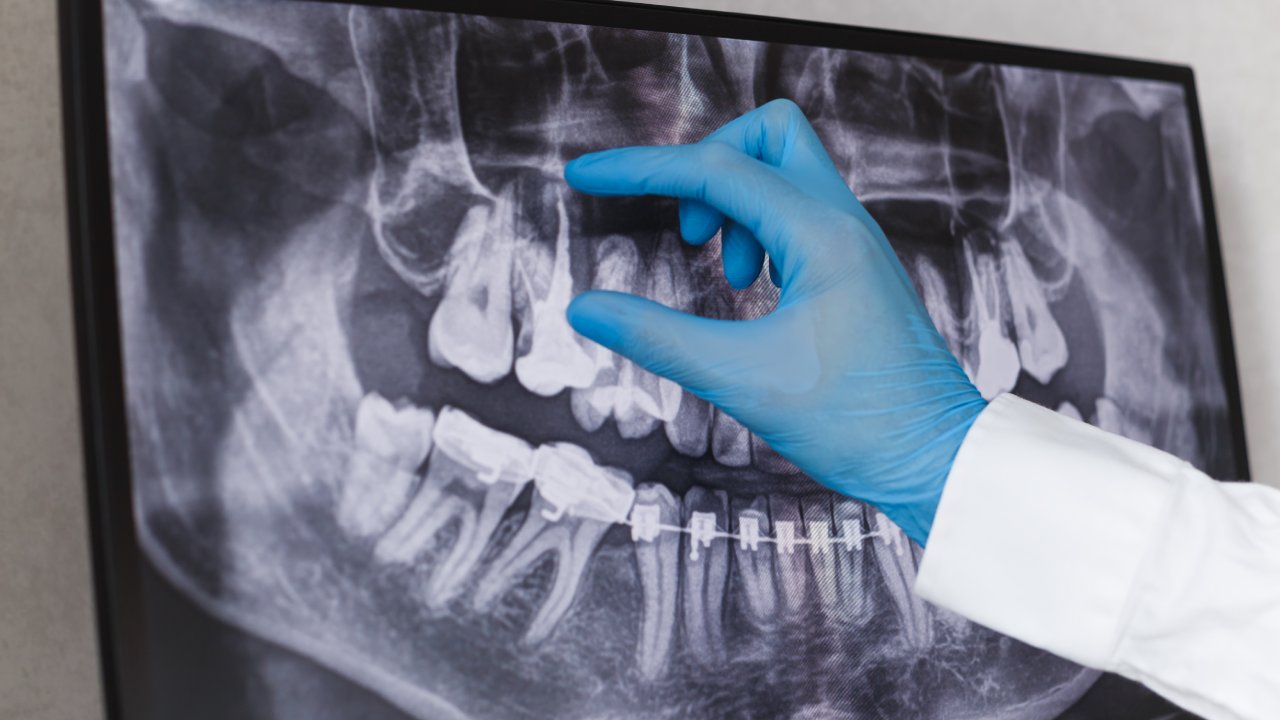
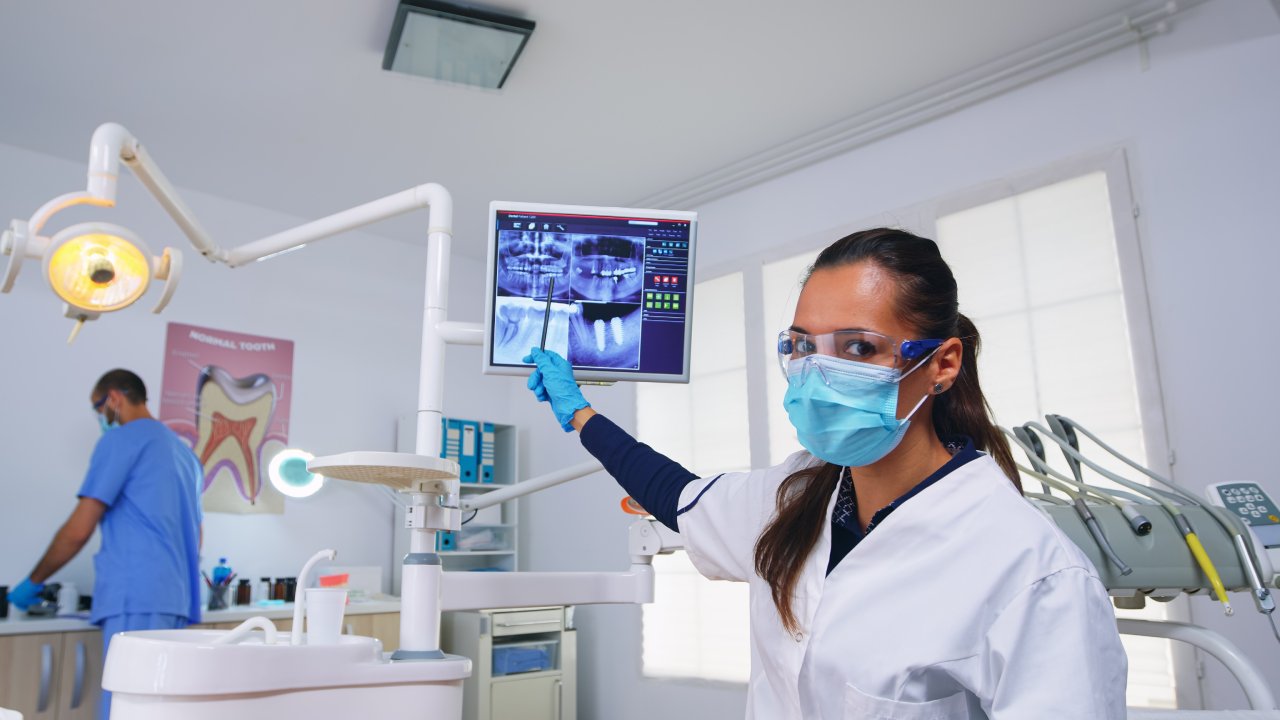
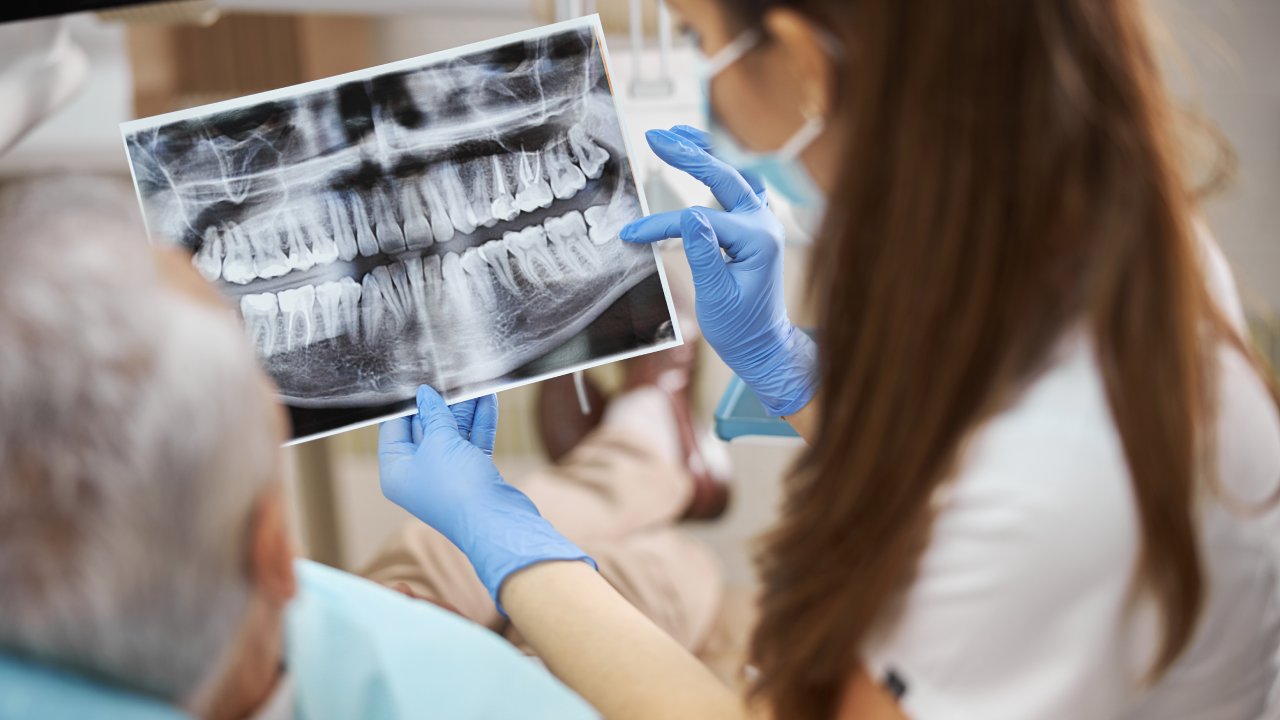
- Perform a clinical exam and take X-rays or 3D scans
- Discuss your esthetic goals and functional needs
- Recommend the best restorative option, such as porcelain crown restoration or bridge placement [5]
Tooth preparation and impressions
If you’re receiving a crown or traditional bridge, your dentist will gently remove a layer of enamel to shape the abutment teeth. Impressions capture the exact dimensions of your teeth and gums. These are sent to a dental lab that fabricates your custom prosthetic.
Temporary restorations
While the lab crafts your permanent crown or bridge, you’ll wear a temporary restoration to protect prepared teeth, maintain appearance, and allow normal biting and chewing.
Caring for your restorations
Proper maintenance extends the life of your crowns and bridges and keeps your smile healthy.
Daily oral hygiene
- Brush twice daily with a soft-bristled toothbrush
- Floss around abutment teeth and under bridge pontics—tools like floss threaders or water flossers can help
- Rinse with an antiseptic mouthwash to control bacteria
Diet and lifestyle tips
- Avoid chewing on hard items (ice, hard candy) to prevent chipping [6]
- Limit sticky foods that can dislodge resin-bonded bridges
- Quit habits like nail biting or opening packages with your teeth
Regular check-ups
Schedule dental exams every six months or as recommended. Professional cleanings help remove plaque buildup around crowns and bridges. Early detection of issues like gum disease or decay under a crown can prevent more extensive treatment—contact your dentist promptly if you experience sensitivity, pain, or looseness in your restoration [7].
Considering insurance coverage
Understanding your financial options helps you plan for treatment costs.
Insurance for crowns and bridges
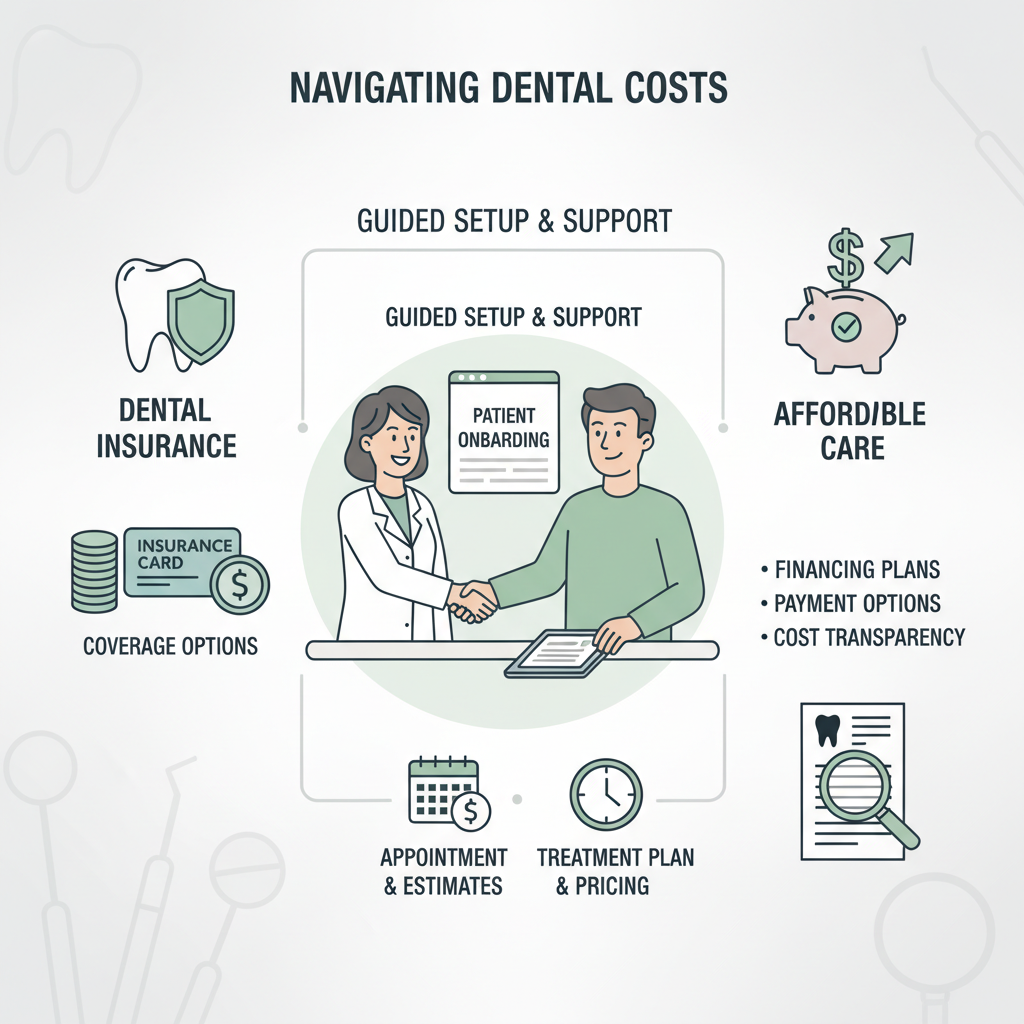
Many dental plans cover restorative procedures when deemed medically necessary. Coverage levels can vary:
- Aflac’s primary dental plans may cover major services like bridges and crowns [8]
- Humana and other insurers often cover 50 to 80 percent of the cost after deductible [4]
- Cosmetic restorations may require out-of-pocket payment
For help filing claims, explore our insurance covered restorations page.
Out-of-pocket cost factors
- Type and material of restoration
- Number of teeth involved
- Need for tooth extractions, bone grafting, or root canal therapy charlotte beforehand
- Geographic location and laboratory fees
Choosing your restorative clinic
Selecting the right provider ensures quality, comfort, and predictable results.
What to look for
- Board-certified dentists with advanced training in restorative dentistry
- On-site dental lab or partnerships with reputable labs
- Use of digital technology for precise impressions and fit
- A comfortable, patient-focused environment
Questions to ask your dentist
- How many crowns and bridges do you place each year?
- What materials do you recommend and why?
- Can I see before-and-after photos of your work?
- How will my treatment plan address my specific concerns, such as repairing decay or fixing a broken tooth [9]?
- What is the protocol if my restoration chips or becomes loose?
Schedule your consultation
With bridge & crown services, you can reclaim your smile’s function and beauty. Whether you need a single crown, a multi-unit bridge, or an implant-supported solution, our team is here to guide you through every step. Contact our restorative dentistry clinic today to discuss your options and create a personalized treatment plan.
References
- (Cleveland Clinic)
- (Advanced Dentistry 412)
- (root canal therapy charlotte)
- (Humana)
- (bridge replacement charlotte)
- (Dentists of Whittier)
- (Dentistry in Brooklyn Heights)
- (Aflac)
- (repair broken tooth charlotte)