
Understanding restorative dentistry
Your smile, oral health, and ability to chew and speak all hinge on strong, functional teeth. Restorative dental procedures aim to repair or replace damaged or missing teeth with treatments such as fillings, crowns, root canals, bridges, dentures, and implants to improve your oral health, function, and overall well-being [1]. By tackling issues from decay to tooth loss, these procedures help you regain confidence in your smile and restore natural chewing and speaking abilities.
What is restorative dentistry?
Restorative dentistry focuses on bringing your teeth back to optimal form and function. Unlike purely cosmetic treatments, restorative procedures address structural damage, decay, and missing teeth. Common goals include:
- Repairing cavities and cracks
- Restoring chewing surfaces and bite alignment
- Replacing missing teeth to prevent shifting
- Preventing further oral health complications
Goals of restorative treatments
-
Restore function
Procedures like dental fillings and crowns rebuild tooth structure so you can eat and speak without discomfort. -
Preserve natural teeth
Saving a compromised tooth with root canal therapy or an inlay/onlay protects your jawbone and maintains surrounding tooth stability. -
Replace missing teeth
Bridges, dentures, and implants fill gaps, support adjacent teeth, and prevent bone loss. -
Enhance appearance
Restorations such as porcelain veneers or tooth-colored composite blend seamlessly with your natural teeth for a confident smile.
Most dental restorations last more than 10 years with proper care and regular checkups [1].
Exploring restorative dental procedures
Restorative dental procedures address a range of issues from minor cavities to full-mouth rehabilitation. You’ll work with your dentist to choose the right option based on the extent of damage, your oral health goals, and budget.
Filling cavities
Dental fillings repair minor to moderate tooth decay by removing the decayed portion and filling the space with a durable material.
- Materials
- Amalgam (silver)
- Composite resin (tooth-colored)
- Gold or porcelain in select cases
- Lifespan
- Composite and amalgam fillings can last 10–15 years with good oral hygiene [2].
- When to consider
- Early signs of decay or small cavities
- Sensitivity or visible holes in teeth
For same-day care, look for an experienced tooth filling repair dentist or seek emergency filling & repair if you experience sudden pain or a lost filling.
Repairing broken or chipped teeth
Cracked, chipped, or fractured teeth can lead to sensitivity, pain, and higher risk of infection. Your dentist may recommend:
- Dental bonding for small chips
- Inlays/onlays when damage is too large for a filling but not extensive enough for a crown
- Veneers to mask minor imperfections like gaps, stains, or misalignments
These solutions not only restore function but also improve aesthetics. Inlays, onlays, and veneers typically last more than five years when properly maintained [2]. If you’ve injured a tooth, see a specialist in repair broken tooth charlotte or repair chipped tooth dentist.
Restoring with crowns and bridges
Dental crowns cover a weakened or severely damaged tooth after reshaping it, providing strength and protection. Crowns can be made of:
- Porcelain or ceramic
- Porcelain fused to metal
- Gold or metal alloys
They last 10–20 years or more with proper care [2]. For specialized care, explore porcelain crown restoration or dental crown placement charlotte.
Dental bridges replace one or more adjacent missing teeth by anchoring to neighboring healthy teeth or implants. Types include:
- Traditional fixed bridges
- Implant-supported bridges
Bridges prevent shifting of surrounding teeth and restore chewing function. Your dentist may refer you to bridge & crown services or a local expert in bridge replacement charlotte.
Replacing missing teeth
Losing a tooth affects bite force, speech, and jaw health. You have several options:
-
Dentures
-
Full or partial removable appliances
-
Can cost $2,500–$5,000 for complete sets [3]
-
Consider custom dentures charlotte or dental prosthetic service
-
Dental implants
-
Titanium posts replace tooth roots
-
Support single crowns, bridges, or implant-supported dentures
-
Typical cost: $3,000–$6,000 per implant [3]
-
Consult implant restoration charlotte or restore missing tooth nc
Implants preserve jawbone density, improve stability, and look and feel like natural teeth.
Improving oral health and function
Restorative dental procedures do more than fix visible damage. They enhance your overall well-being and prevent costly complications.
Chewing and speaking
Without a proper biting surface, you may avoid certain foods and suffer from nutritional deficiencies. Restorations like crowns and implants distribute bite pressure evenly so you can enjoy a varied diet and speak clearly.
Preventing further damage
Left untreated, cavities and cracks can lead to:
- Deep infections requiring root canal therapy
- Tooth loss and shifting of adjacent teeth
- Jawbone deterioration
Timely restorations protect both individual teeth and the health of your entire mouth.
Supporting overall health
Poor oral health is linked to systemic conditions such as diabetes and heart disease. By addressing decay and replacing missing teeth, you reduce inflammation and bacterial spread, supporting your general health [4].
Managing procedure costs
Investing in restorative dental procedures provides long-term benefits, but understanding costs and coverage helps you plan effectively.
Insurance coverage
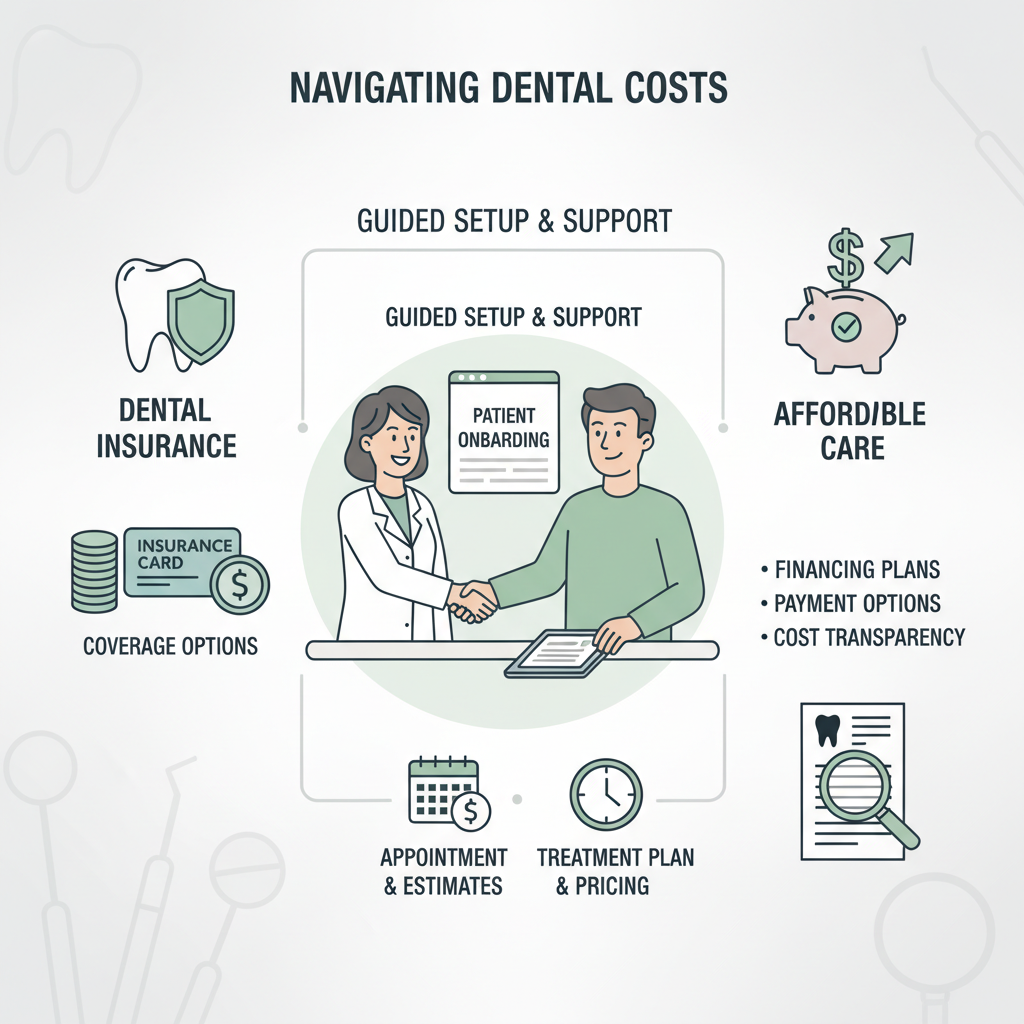
Many dental insurance plans cover medically necessary restorative treatments such as fillings, root canals, crowns, and bridges. Coverage may vary for procedures like implants and dentures. Review your plan or consult our insurance covered restorations page to verify benefits.
Payment options
- In-office financing
- Third-party lending (CareCredit)
- Monthly payment plans
Discuss payment arrangements with your dentist to ease budgeting.
Comparing treatment costs
| Procedure | Typical cost range |
|---|---|
| Filling (cavity) | $100–$500 [3] |
| Crown | $850–$2,000 [3] |
| Root canal | $900–$2,000 [3] |
| Implant | $3,000–$6,000 [3] |
| Full dentures | $2,500–$5,000 [3] |
Ask your provider for a personalized estimate and explore in-network options to reduce out-of-pocket expenses.
Preparing for your procedure
Proper preparation ensures a smooth treatment experience and optimal results.
Consultation and evaluation
During your first visit, your dentist will:
- Review medical and dental history
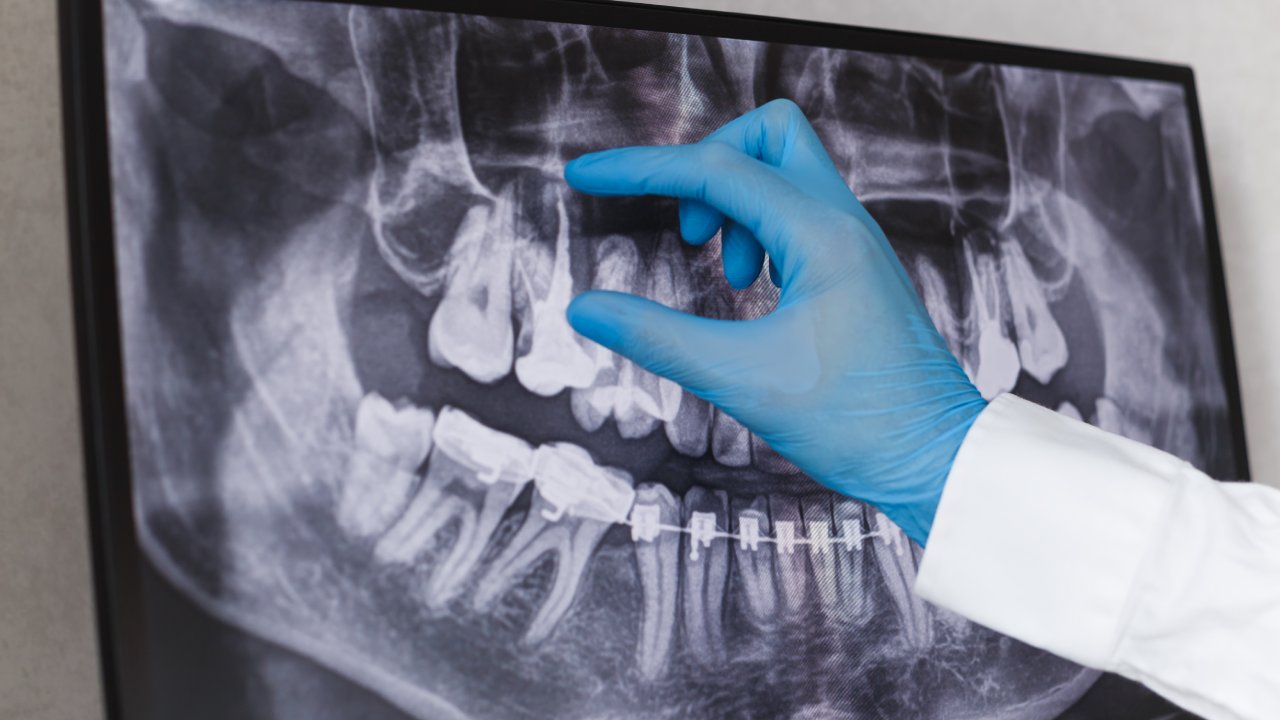
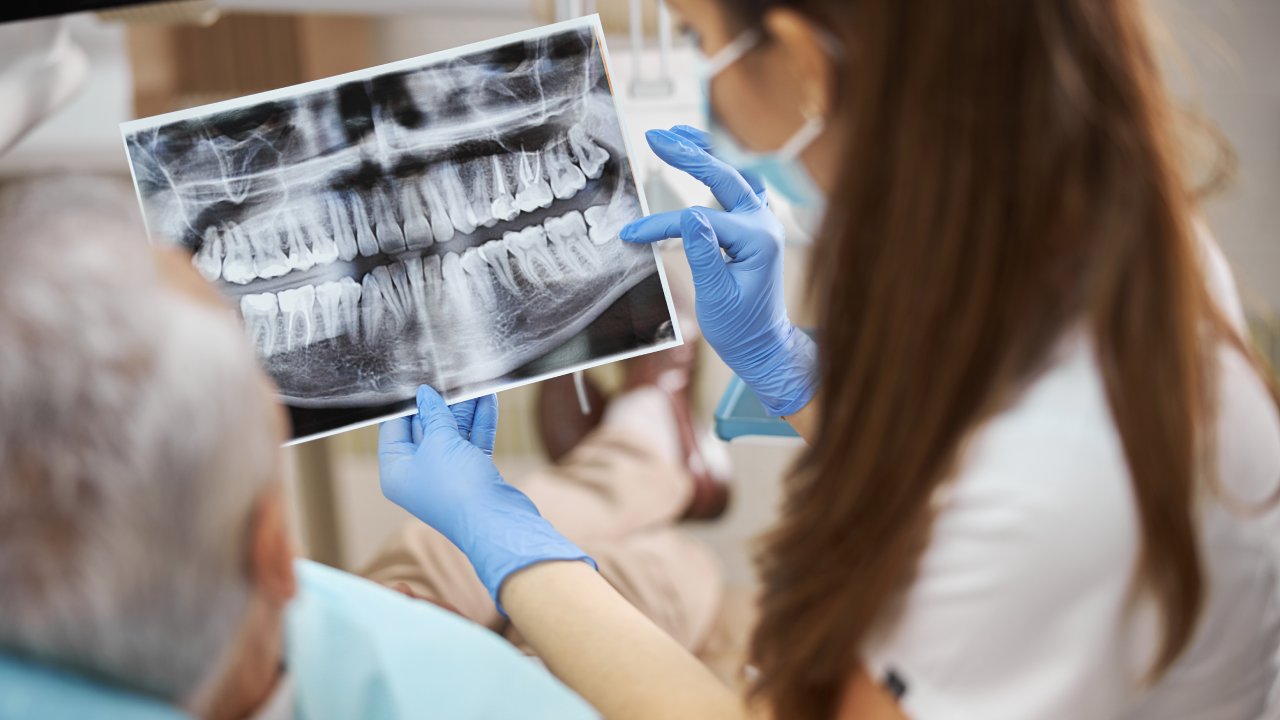
- Perform a clinical exam and imaging (X-rays or CBCT)
- Discuss goals, options, and any health concerns
Treatment planning
You’ll receive a detailed plan outlining:
- Recommended procedures and sequence
- Estimated timeline (single visit versus multiple appointments)
- Cost breakdown and financing options
Pre-procedure instructions
Depending on the treatment, you may need to:
- Fast before sedation
- Arrange transportation if you receive anesthesia
- Maintain excellent oral hygiene
Follow all guidelines to minimize risks and promote healing.
Maintaining your restoration
Longevity of your restorative work depends on diligent care and regular dental visits.
Daily oral hygiene
- Brush twice per day with fluoride toothpaste
- Floss or use interdental brushes daily
- Rinse with a nonalcoholic antimicrobial mouthwash
Regular dental checkups
Schedule exams and cleanings every six months or as recommended. Your dentist can detect early signs of wear, cracks, or decay around restorations.
Protecting your teeth
- Wear a nightguard if you grind or clench
- Avoid chewing ice and hard objects
- Use a sports mouthguard for contact activities
Prompt attention to any sensitivity or damage prevents more extensive repairs. For post-procedure issues, contact our repair dental work charlotte team.
Choosing your provider
Selecting an experienced restorative dentistry team ensures high-quality care and a comfortable experience.
Experience and specialization
Look for a restorative dentistry clinic or practice where dentists have advanced training in prosthodontics or implant dentistry.
Treatment range and technology
A modern office equipped with:
- Digital imaging and 3D planning
- In-office milling (CEREC) for same-day crowns
- Guided implant surgery
Enhances precision and reduces treatment time.
Patient testimonials and comfort
Read reviews and ask for before-and-after photos. A caring team will explain each step, answer questions, and tailor care to your comfort level. For comprehensive solutions, consider practices offering full mouth rehabilitation charlotte.
Restorative dental procedures transform not only your smile but your quality of life. By repairing damage, replacing missing teeth, and preventing future issues, these treatments give you back function, confidence, and health. Consult a qualified restorative dentist to explore the options that best fit your needs and achieve the lasting results you deserve.