
Restorative dentistry clinic treatments can rebuild your smile and restore your oral health. Whether you’re coping with decay, damage, or missing teeth, these clinics offer a full range of dental restorations—from fillings and crowns to bridges, implants, and dentures—to help you chew, speak, and smile confidently. With billions affected by oral disease worldwide, restorative care plays a crucial role in preventing further issues and improving quality of life [1]. By choosing the right restorative dentistry clinic, you’ll benefit from personalized treatment plans, advanced technology, and skilled professionals dedicated to transforming your smile.
Explore restorative services
Common restorative procedures
A restorative dentistry clinic specializes in repairing and replacing damaged or missing teeth to enhance both function and appearance. Common procedures include:
- Fillings for cavities and minor decay
- Crowns to cap weakened or root-canal-treated teeth
- Bridges to span gaps left by missing teeth
- Implants for permanent tooth replacement
- Dentures—partial or full—to restore a complete arch
Each treatment aims to restore chewing ability, improve speech, and support overall oral health [2].
Types of restorative services at a glance
| Procedure | Purpose | Material | Typical lifespan |
|---|---|---|---|
| Filling | Repair small cavities | Composite resin, amalgam | 5–15 years |
| Crown | Protect weak or fractured teeth | Porcelain, metal-ceramic | 10–15 years |
| Bridge | Replace one or more adjacent teeth | Porcelain fused to metal | 5–12 years |
| Implant | Replace tooth root and crown | Titanium post, ceramic | 15+ years |
| Denture | Replace multiple or all teeth | Acrylic, metal framework | 5–10 years |
Practitioners and specialties
General dentists perform most restorative treatments, but complex cases may involve specialists:
- Endodontists handle root canal therapy and related issues
- Prosthodontists focus on crowns, bridges, implants, and dentures
- Periodontists treat supporting gum and bone structures
These specialties often collaborate for optimal results [3].
Assess your oral needs
Initial consultation
Your journey begins with a thorough exam. Expect:
- Review of your dental and medical history
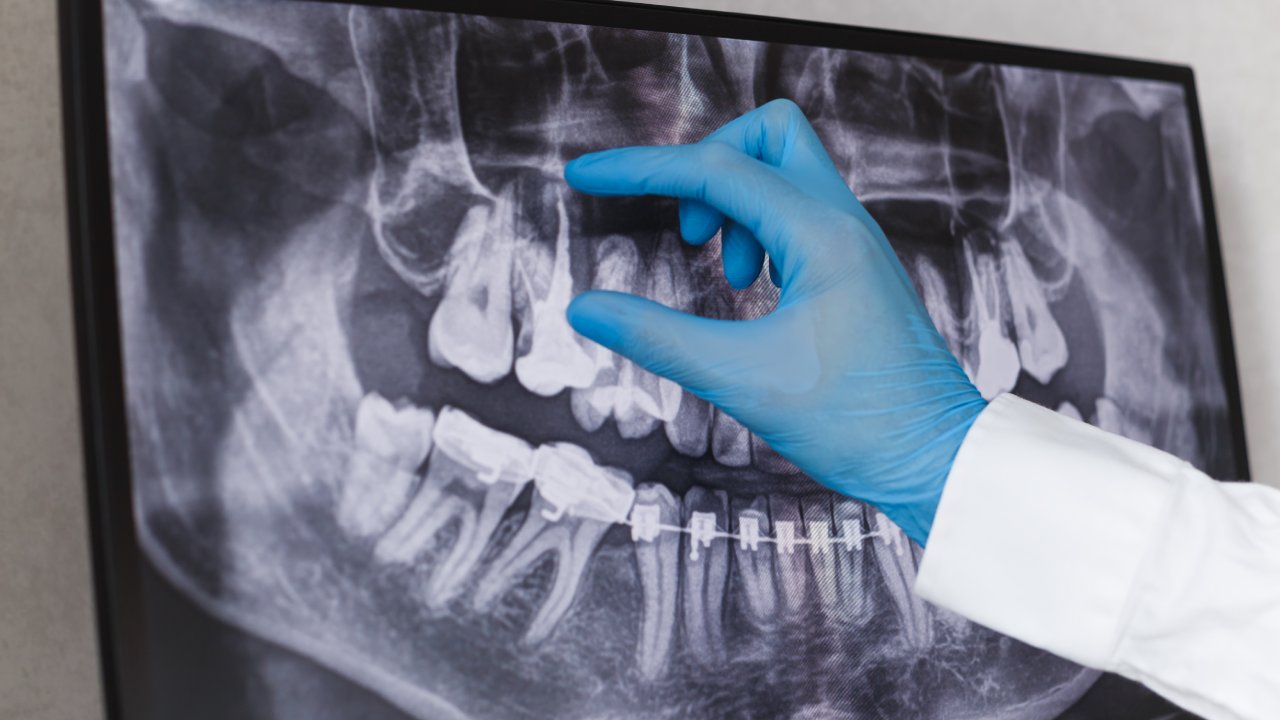
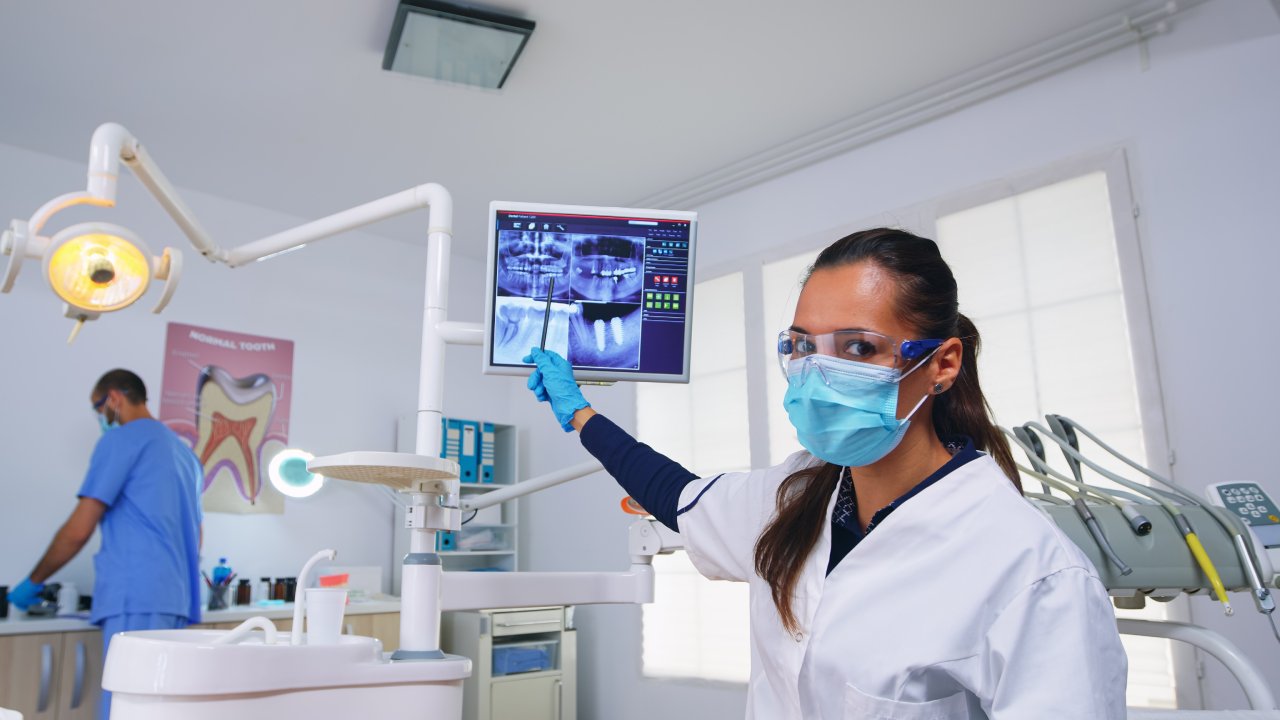
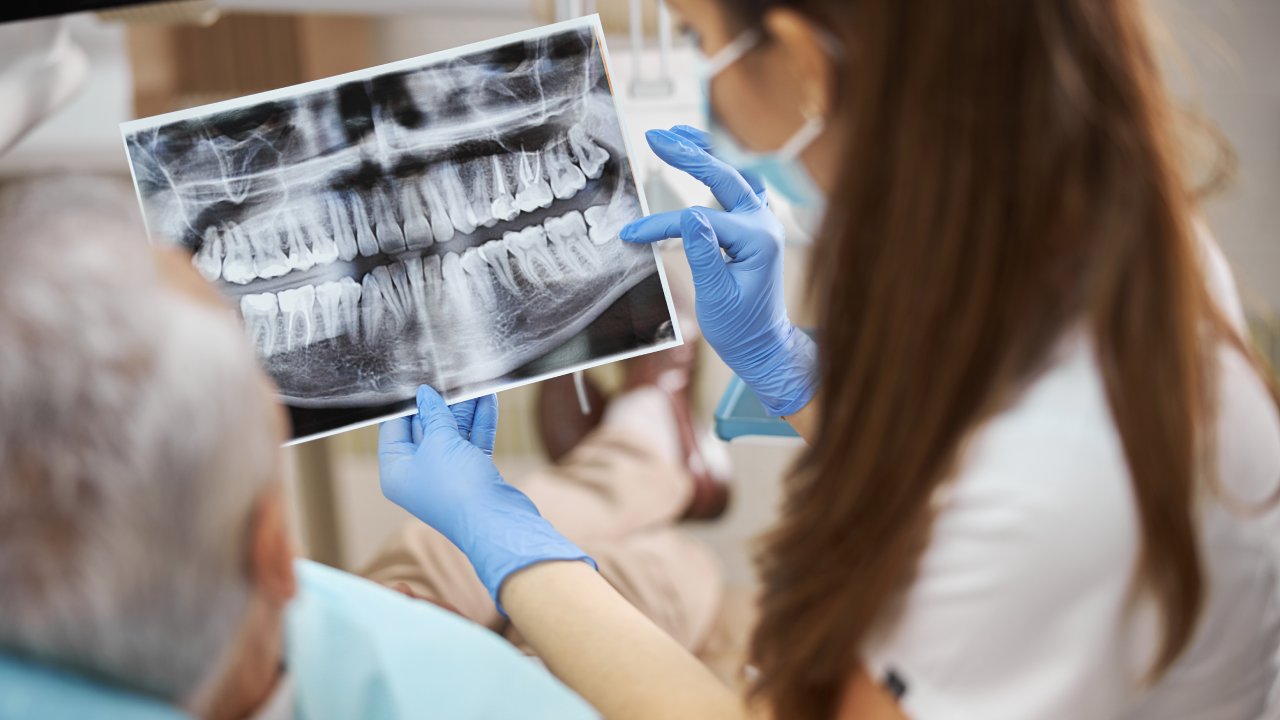
- Digital X-rays or intraoral scans to assess tooth structure
- Discussion of symptoms, goals, and budget
Treatment planning
Based on findings, your dentist will:
- Recommend procedures tailored to your condition
- Sequence treatments for efficiency and comfort
- Use digital models for precise planning
Insurance and cost considerations
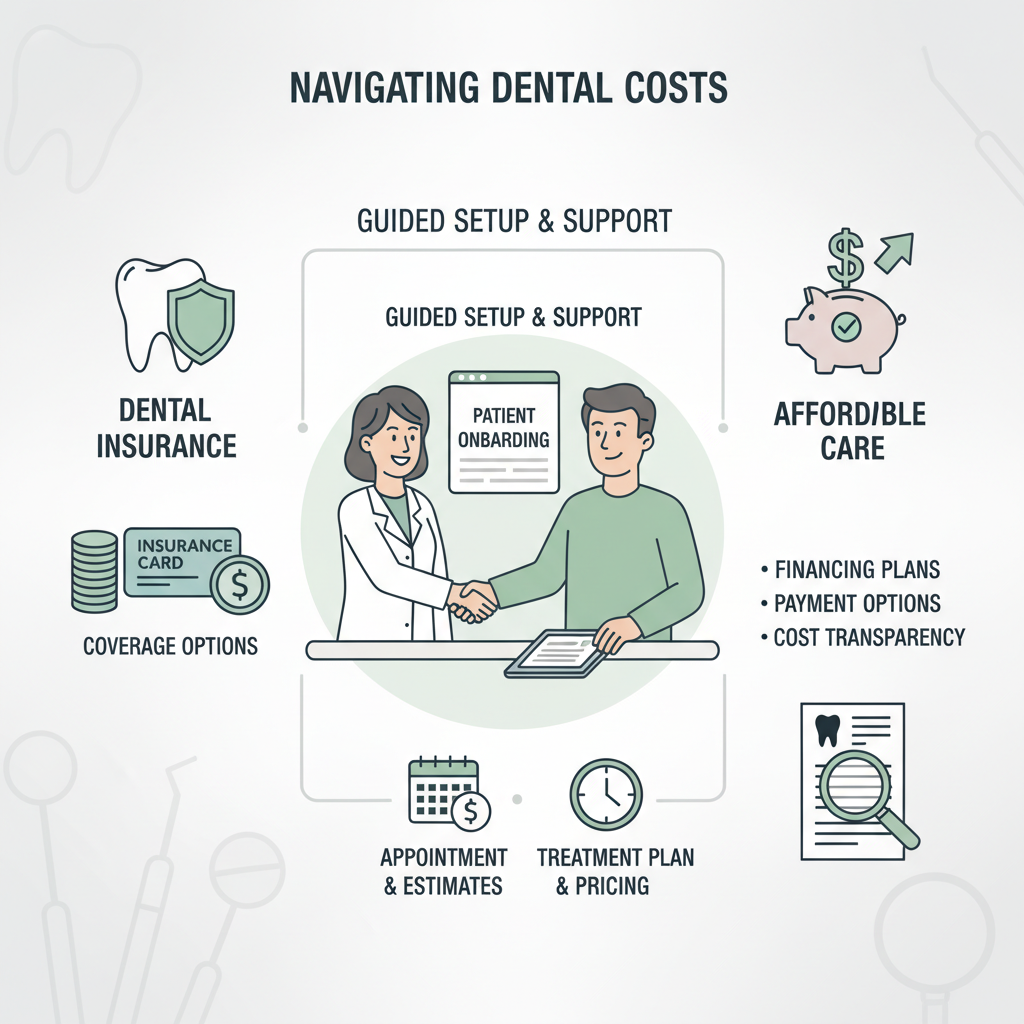
Understanding your coverage helps avoid surprises. Dental plans often cover basic restorative care like fillings, while major procedures—crowns, bridges, implants—may have waiting periods or higher copays [4]. Check with your provider or explore insurance covered restorations options before committing to treatment.
Repair damaged teeth
Fillings
When decay threatens your tooth, fillings restore structure and function. The process involves:
- Removing decayed tissue
- Cleaning the cavity
- Filling with composite resin or amalgam
- Polishing for a natural bite
For professional filling services, consult a tooth filling repair dentist.
Crowns
Crowns cover and strengthen teeth that are cracked, worn, or have undergone root canal therapy. Typical steps:
- Tooth preparation and impression
- Fabrication of a custom crown
- Temporary crown placement
- Final crown cementation
Explore porcelain crown restoration for durable, lifelike results.
Replace missing teeth
Bridges
Bridges anchor to adjacent teeth and span gaps from one or more missing teeth. After preparing soporte teeth, your dentist fits a custom bridge. Benefits include restored chewing and speech. Learn more about bridge & crown services.
Implants
Dental implants replace both root and crown for long-lasting stability. Procedure overview:
- Titanium post placement in the jawbone
- Healing period for osseointegration
- Abutment and custom crown attachment
Implants feel and function like natural teeth [2]. For expert care, see implant restoration charlotte.
Dentures
Whether you need partial or full dentures, modern options offer comfort and aesthetics. Denture services include:
- Custom design to fit your arch
- Flexible bases and stable materials
- Relines and adjustments as your mouth changes
Ask about custom dentures charlotte for a tailored solution.
Explore advanced care
Root canal therapy
When decay reaches the pulp, root canal therapy saves the tooth by removing infected tissue and sealing the canal. Treatment may be followed by a crown for added protection. Specialists often perform this under magnification for precision [2]. Schedule with root canal therapy charlotte.
Full mouth rehabilitation
If multiple areas need repair, full mouth rehabilitation coordinates a series of restorative and cosmetic procedures to rebuild your entire smile. This comprehensive approach balances function and esthetics. Learn how full mouth rehabilitation charlotte can transform your bite.
Prosthetic solutions
From crowns on implants to specialty prosthetics, your clinic may offer advanced options like:
- Implant-supported overdentures
- Precision attachments for removable partials
- Maxillofacial prosthetics
These solutions restore complex cases and improve quality of life [5].
Choose the right clinic
Experience and expertise
Look for a clinic with:
- Board-certified specialists
- Years of restorative success
- Positive patient testimonials
Technology and techniques
State-of-the-art tools ensure accuracy:
- Intraoral scanners and 3D imaging
- CAD/CAM-designed restorations
- Biocompatible materials for strength and lifelike appearance [6]
Patient comfort and support
Quality care includes:
- Sedation options for anxiety relief
- Pain management protocols
- Personalized guidance through each step
Expect your clinic visit
Preparing for your appointment
- Confirm any X-rays or scans needed
- Arrange transportation if sedation is planned
- Follow pre-op instructions for optimal healing
Day of procedure
You’ll experience:
- A review of your treatment plan
- Local anesthesia or sedation
- Step-by-step communication from your dentist
Aftercare and recovery
Post-treatment care may include:
- Soft diet and gentle brushing
- Prescribed medications for discomfort
- Detailed home care instructions
Maintain your restoration
Daily oral hygiene
To prolong your results:
- Brush twice daily with fluoride toothpaste
- Floss or use interdental brushes
- Consider a non-abrasive mouthwash
Regular checkups
Routine exams and cleanings catch minor issues before they escalate. Schedule visits every six months or as recommended.
Handling issues promptly
If you notice sensitivity, a loose crown, or a chipped tooth, contact your clinic immediately. Early intervention prevents bigger repairs and keeps your smile strong.
Restoring your teeth through a dedicated restorative dentistry clinic can rebuild your oral function, enhance your appearance, and boost your confidence. By understanding available services, planning with your dentist, and following through with care and maintenance, you’ll enjoy a healthy, lasting smile.